

What’s the Problem with Quantum Noise?
The video frames quantum noise as the inevitable, minute fluctuations that remain even in a perfectly isolated system, comparing them to tiny ripples on a wind‑less pond. It emphasizes that these fluctuations set a hard limit on how precisely we can measure or control quantum states. Quantum noise directly hampers the reliability of quantum computers and the sensitivity of instruments hunting for faint signals such as dark matter or neutrinos. The phenomenon drives decoherence, forcing quantum bits to lose their fragile superposition and leading to computational errors and reduced detector performance. Researchers are countering the problem with innovative qubit designs that maintain coherence longer and with AI‑enhanced measurement techniques that dynamically suppress noise. Examples include error‑resilient topological qubits and machine‑learning feedback loops that adjust control pulses in real time. If these approaches succeed, ultra‑stable quantum processors could accelerate drug discovery and materials design, while next‑generation detectors might finally capture the universe’s weakest forces, reshaping both commercial technology and fundamental physics.
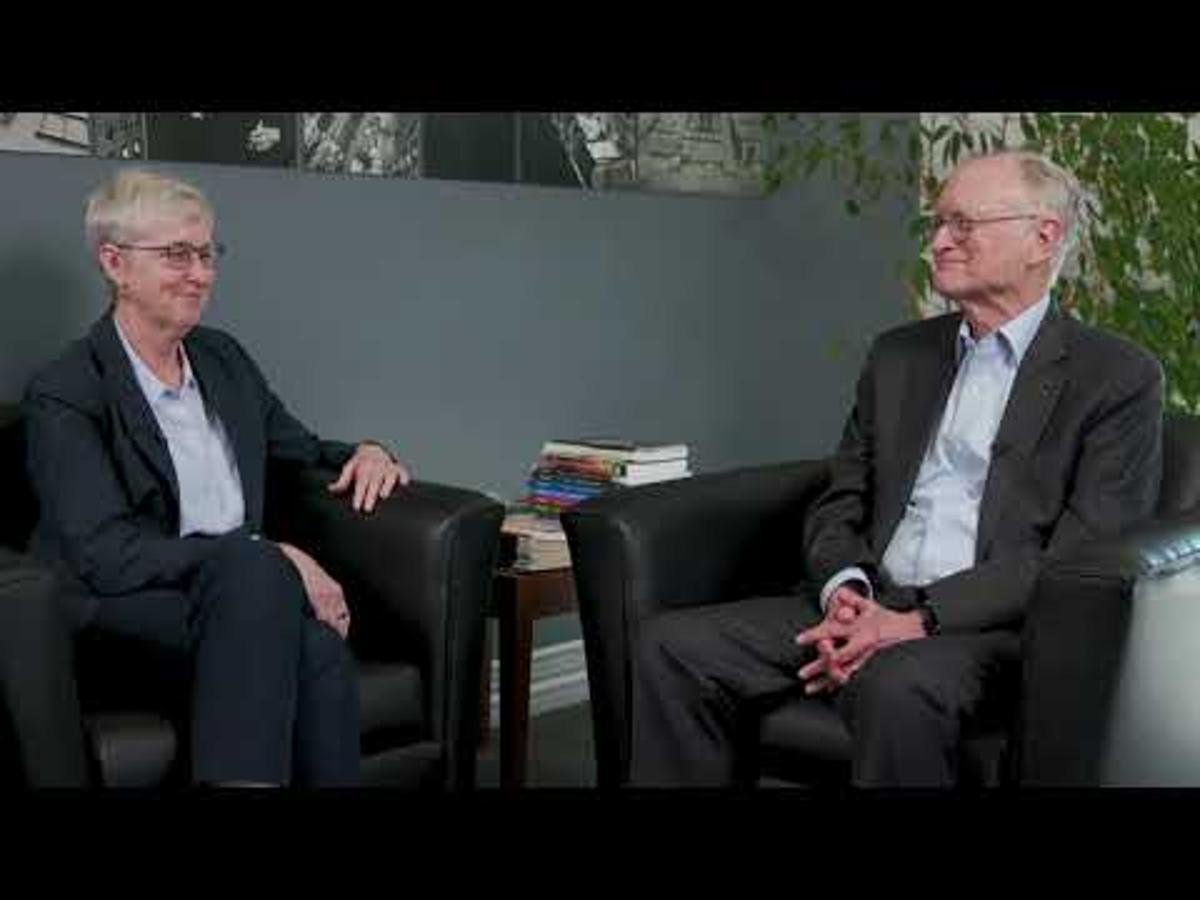
Kathy Yelick Selected as New Berkeley Lab Director
Kathy Yelick was announced as the ninth director of Berkeley Lab, bringing a distinguished record in computing sciences, former roles as Associate Lab Director and UC Berkeley’s vice chancellor for research, and deep familiarity with the Lab’s interdisciplinary mission. She highlighted...
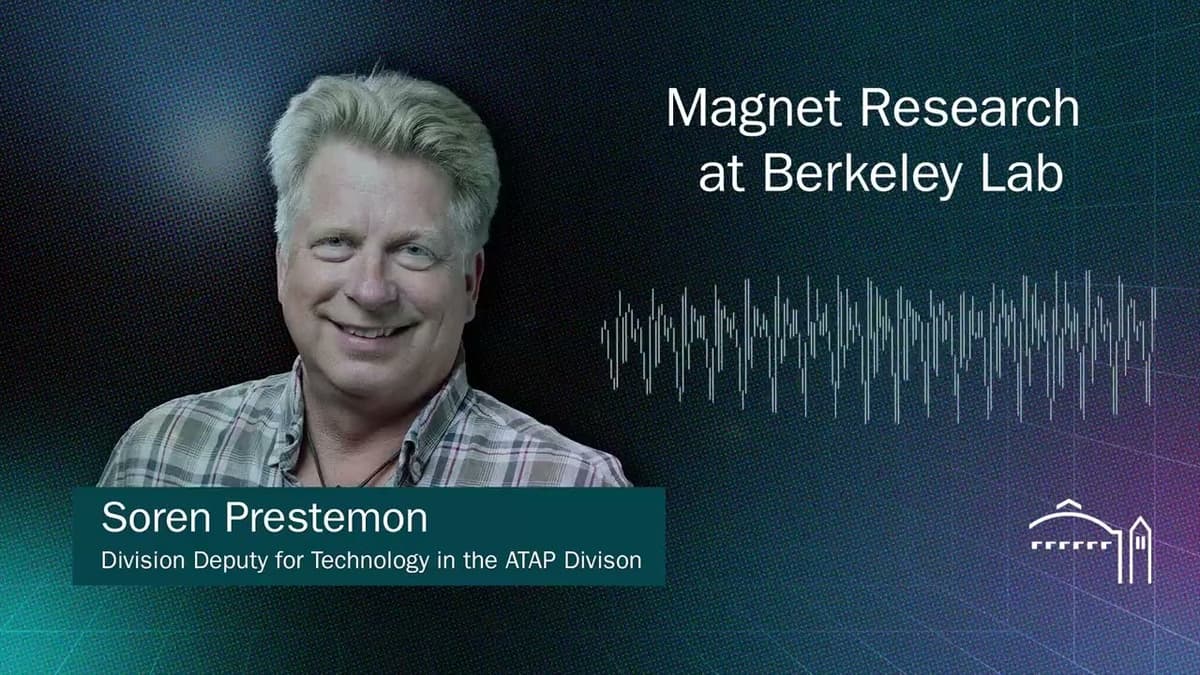
Expert Interview: Soren Prestemon on Magnet Technology
The interview with Soren Prestemon, deputy director of accelerator technology at Lawrence Berkeley National Laboratory, outlines the lab’s century‑long leadership in magnet research, from Ernest Lawrence’s cyclotron to today’s US magnet development program. Berkeley’s current portfolio spans permanent‑magnet undulators—pioneered by Klaus...
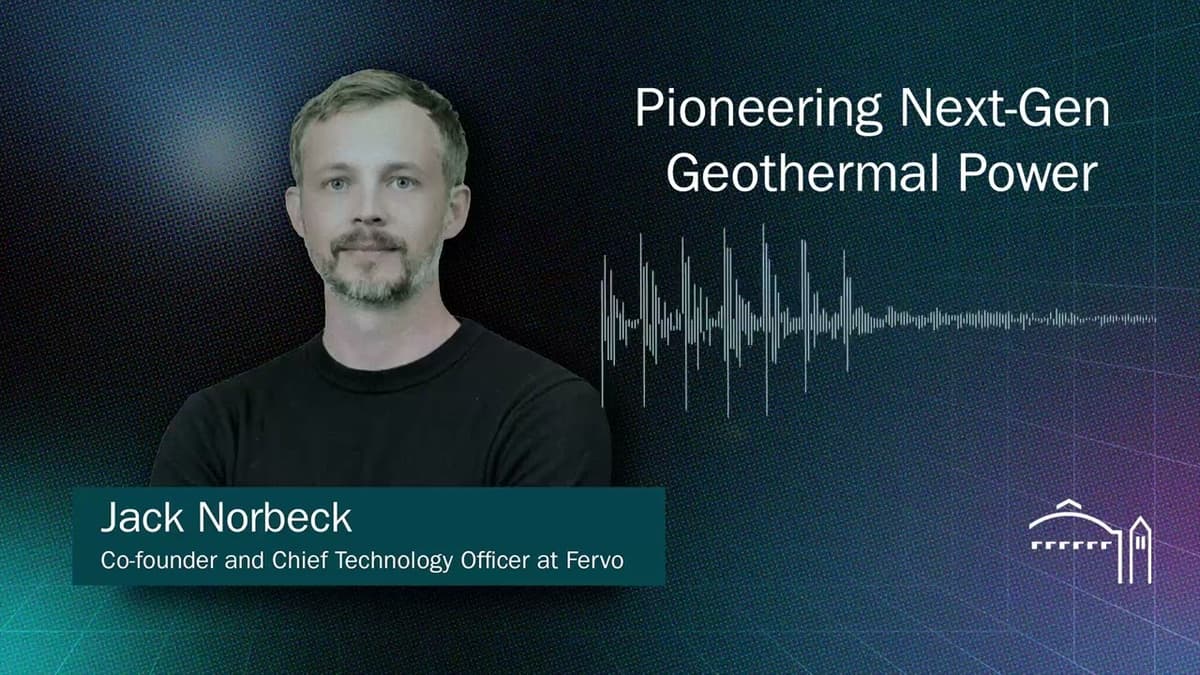
Fervo Energy: Pioneering Next-Generation Geothermal Power
Fervo Energy, founded in 2017, is pioneering enhanced geothermal systems (EGS) to turn heat from deep rock into baseload renewable power. Partnering with Lawrence Berkeley National Laboratory’s Cyclotron Road program, co‑founder and CTO Jack Norbeck explains how the startup is...
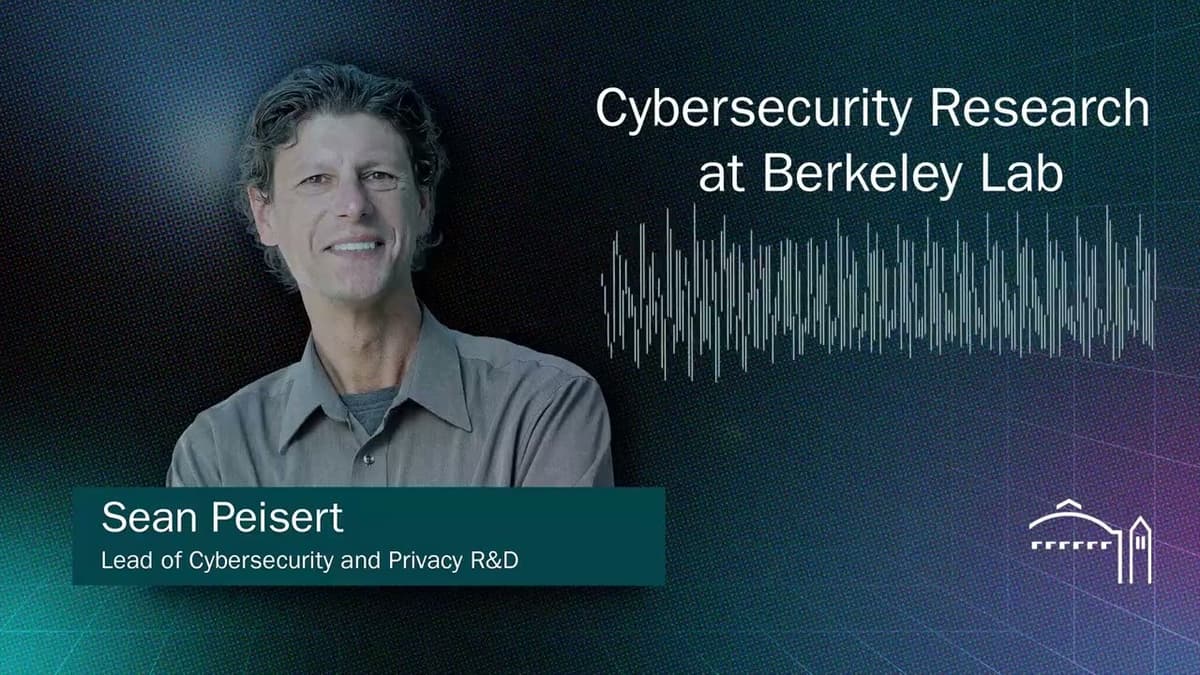
Expert Interview: Sean Peisert on Cybersecurity Research
In a recent interview, Lawrence Berkeley National Laboratory’s computer‑security lead Sean Peisert outlined the lab’s multi‑disciplinary cyber‑security program, which spans scientific instrumentation, high‑performance computing, the power grid and nuclear safeguards. Peisert emphasized a physics‑based intrusion‑detection approach for energy delivery systems, using...
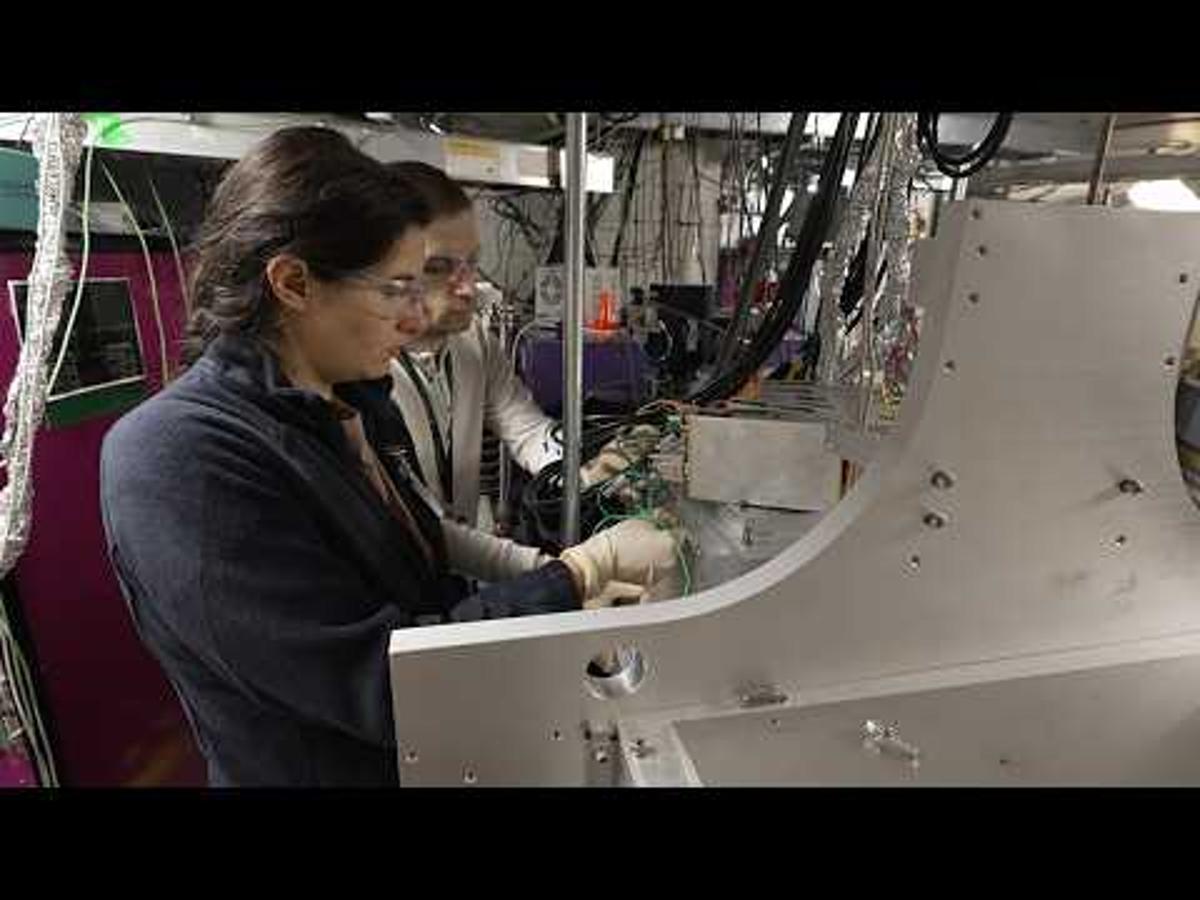
Behind the Science: FIONA
The video introduces FIONA, a bespoke gas‑phase apparatus at Berkeley Lab designed to study the chemistry of Earth’s rarest elements, with a focus on the highly radioactive element polonium. By inserting polonium into a detector‑ready setup, researchers aim to observe...
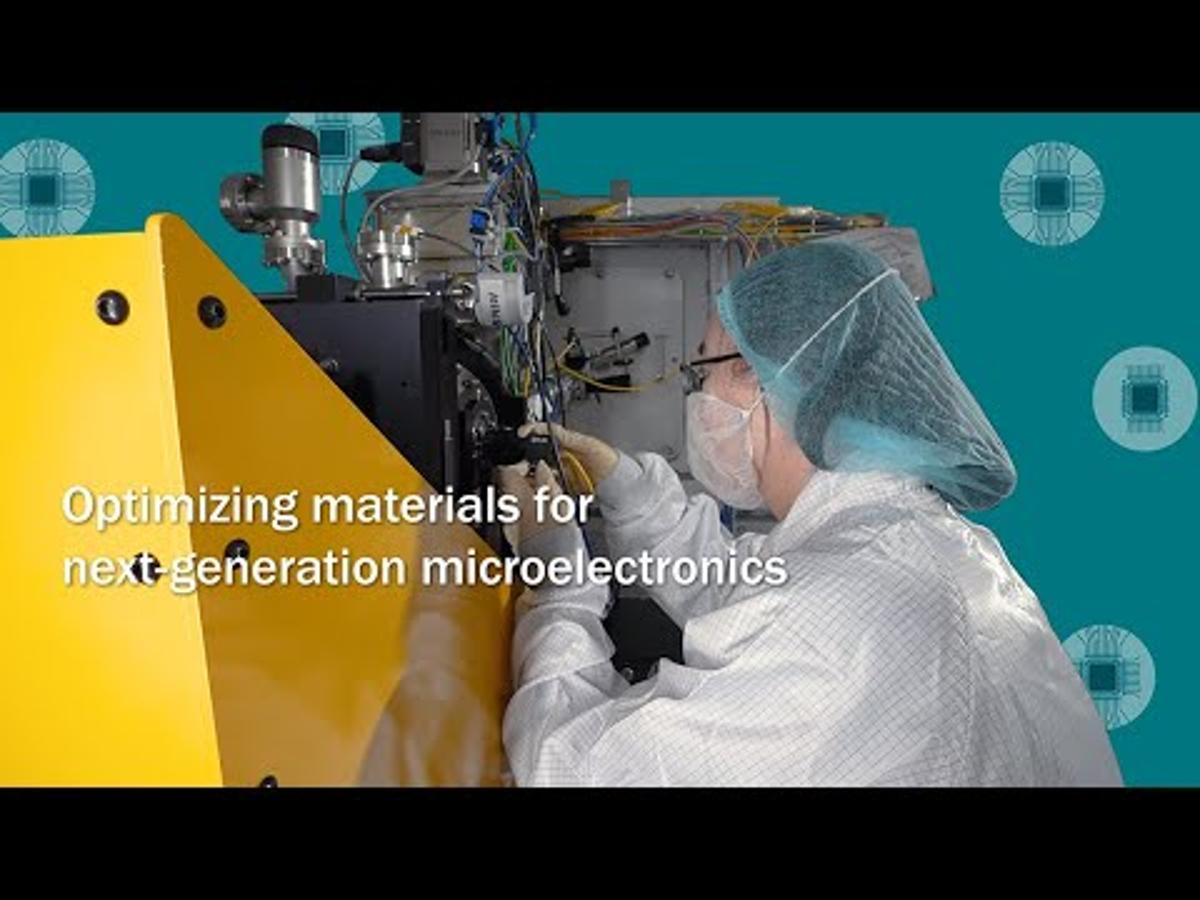
Basics2Breakthroughs: Optimizing Materials for Next-Generation Microelectronics
The video highlights the urgent need to shrink, accelerate, and make microelectronic devices more energy‑efficient as global computing demands surge. Researchers at Berkeley Lab focus on the fundamental materials—resists, channel semiconductors, and interconnects—that underpin every chip, from smartphones to automobiles,...
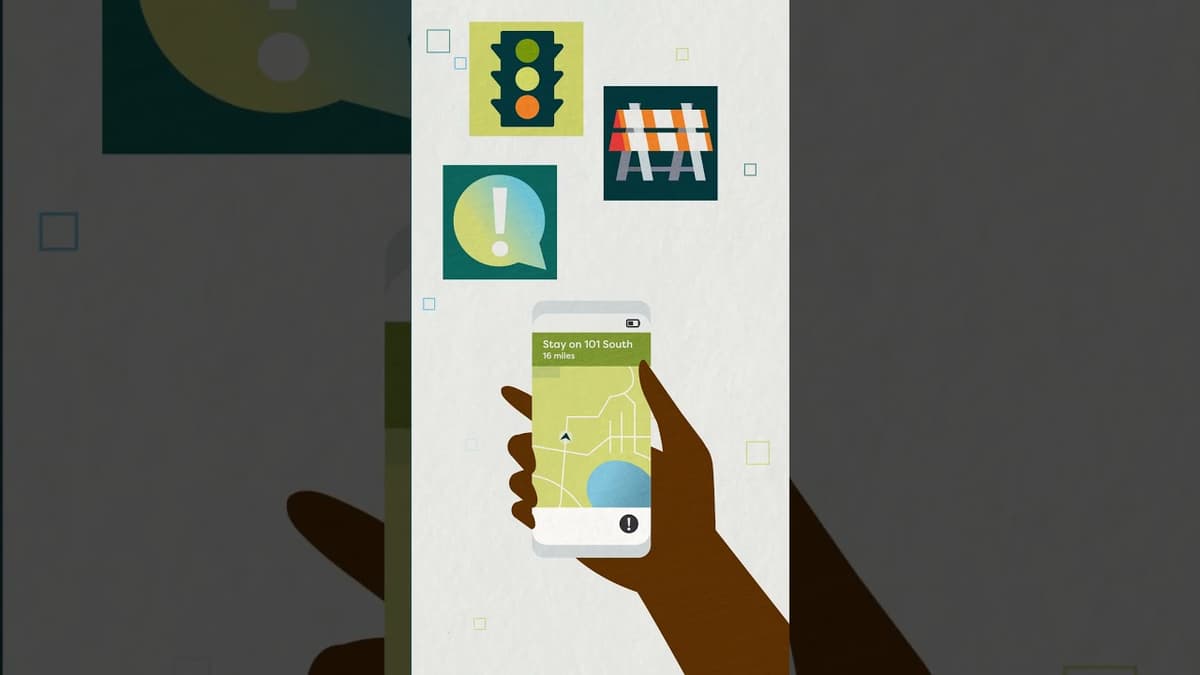
What Is a Digital Twin?
The video introduces digital twins as living, physics‑based virtual models that mirror real‑world tools or systems. Unlike static blueprints, these twins continuously sync with their physical counterparts, ingesting streams of sensor data and historic information to stay current. By processing real‑time...