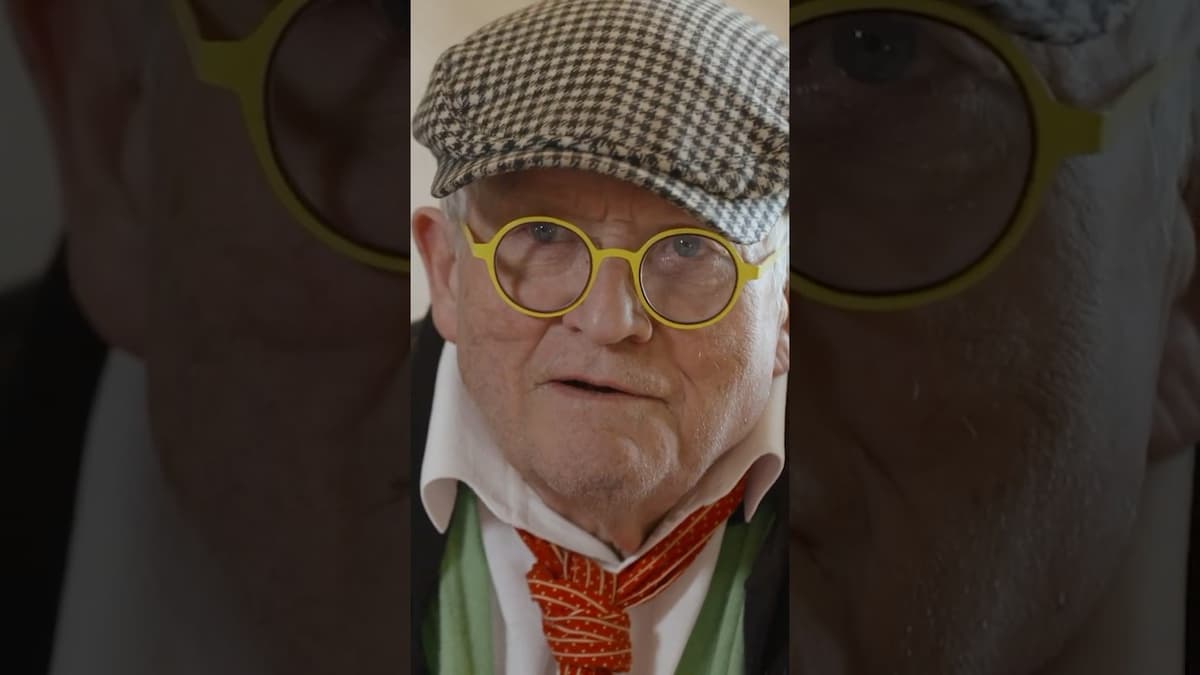
Painter David Hockney on the Good News Nobody Notices
Painter David Hockney uses a televised debate to illustrate how modern news outlets prioritize negative stories, relegating everyday optimism to the background. He recounts a commentator’s claim that "bad news sells" and contrasts it with the simple, universally uplifting fact that spring has arrived. Hockney argues that this bias obscures genuine good news, such as seasonal change, which historically prompted collective celebration. He notes that today only a few people pause to notice the blooming world, whereas past generations would have shared that awareness widely. Key moments include the quip, "Bad news sells," and the observation that "the arrival of spring" is a universally positive event that goes unnoticed. Hockney’s anecdote underscores a cultural shift from communal appreciation of nature to a fragmented, sensationalist media diet. The implication for audiences and businesses is clear: recognizing and broadcasting small, positive narratives can counteract news fatigue, foster goodwill, and differentiate brands that choose optimism over alarmist content.
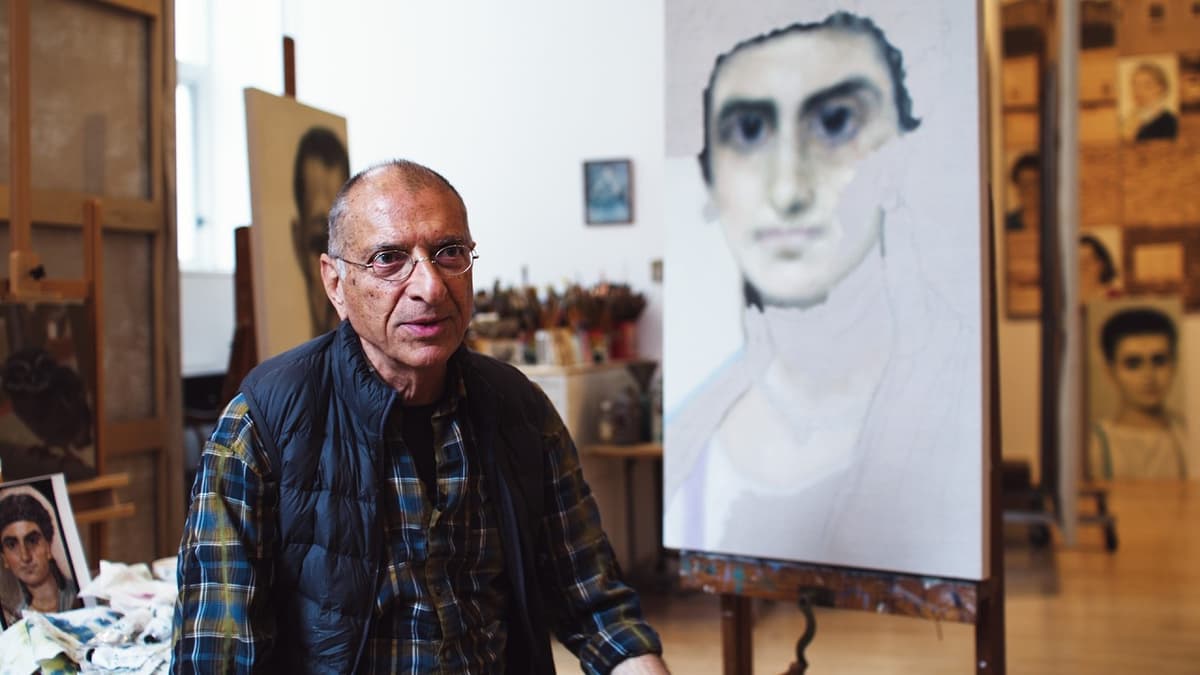
Artist Y.Z. Kami: The Human Face Is Beautiful
In a candid interview, Iranian‑born painter Y.Z. Kami explains why the human face dominates his artistic life, describing how he spends hours watching strangers on New York subways to absorb their subtle expressions. Kami traces his devotion to painting...
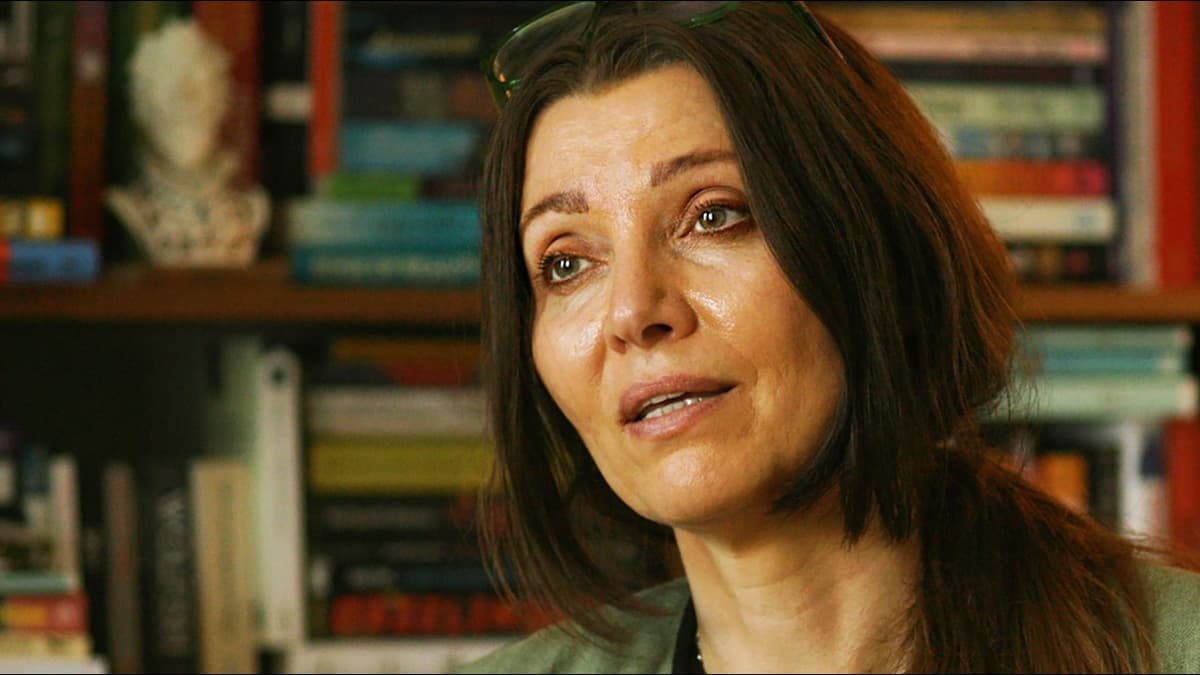
Writer Elif Shafak: Advice to the Young
Elif Shafak reflects on her experiences speaking to children across Turkey and the Middle East, noting a striking uniformity in confidence and self‑identification as artists among six‑ and seven‑year‑olds, regardless of cultural background. She contrasts this with the stark drop...
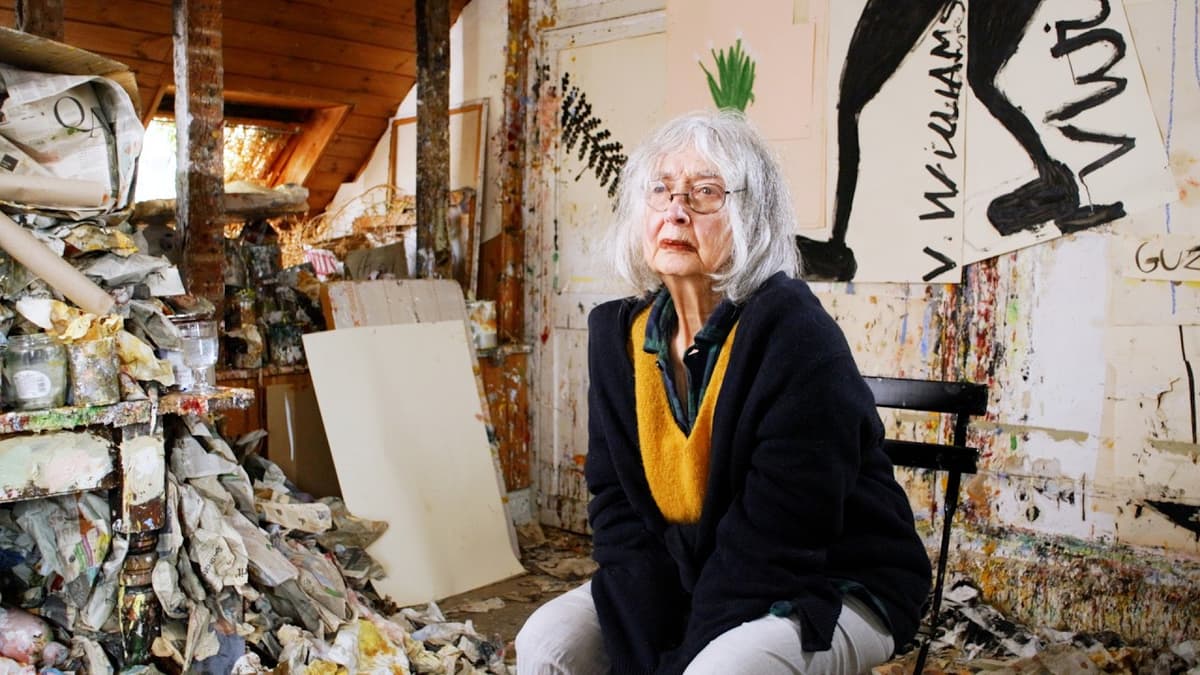
Artist Rose Wylie: ”Contrast Gives Life. I Think a Painting Needs Life.”
British painter Rose Wylie, now 91, continues to work by instinct, embracing contrast and contradiction in every canvas. Her practice blends discarded materials, vivid colour, and typographic elements, treating words as visual shapes rather than narrative tools. Recent highlights include...
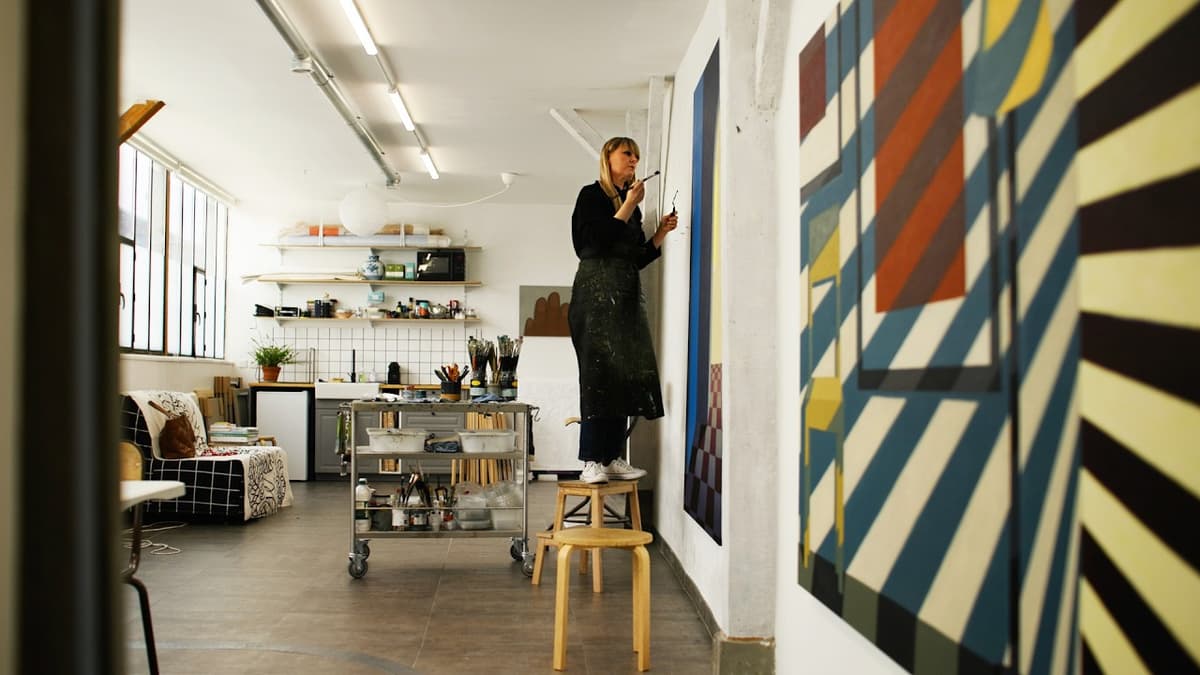
Artist Henni Alftan: So Much More Than What Is There
Henri Alftan, a Finnish‑born painter now based in Paris, recounts how a childhood gift of oil paints ignited a lifelong artistic identity. Her early exposure to her father’s artist friend’s studio set her on a path that led her...
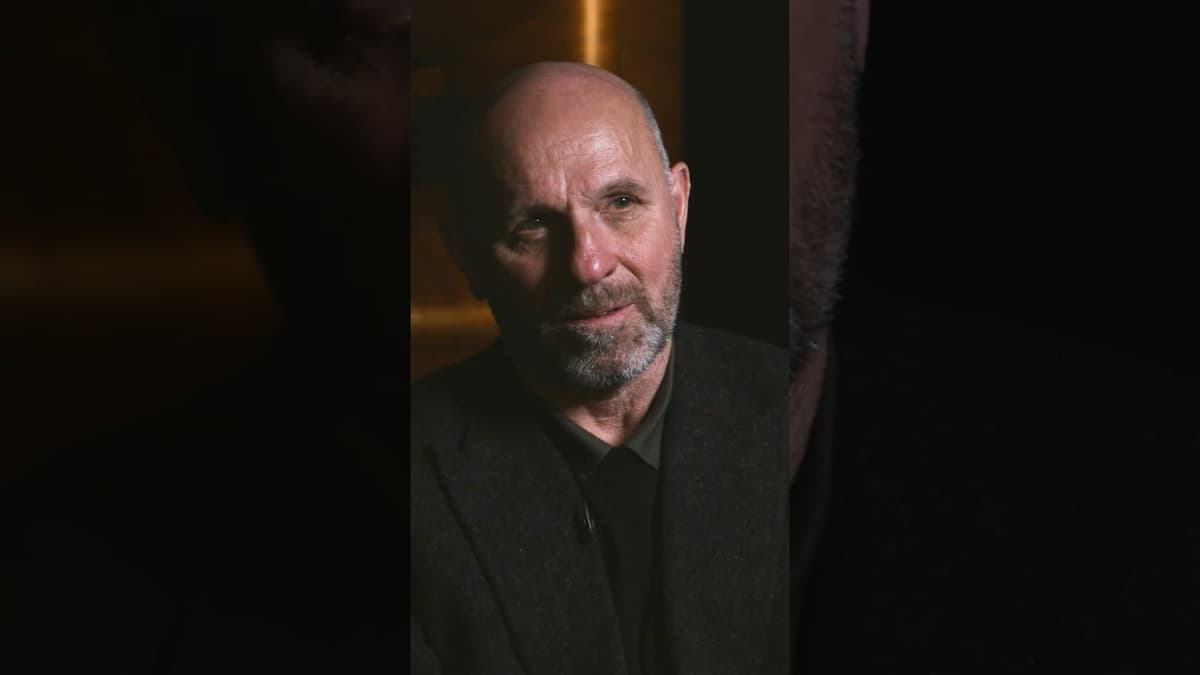
Artist Peter Doig on How Travel, Migration, and Different Cultures Shape His Paintings
The video features a candid interview with acclaimed painter Peter Doig, in which he explores how his extensive travel and personal migrations have become integral to his artistic practice. Doig argues that a painter’s work can serve as a map...

Writer Elif Shafak: ”Sometimes There’s a Nagging Voice Inside that Judges What We Do.”
Writer Elif Shafak reflects on her experiences touring schools across Turkey and the Middle East, noting a striking contrast between the unbridled confidence of young children and the growing self‑doubt of teenagers. She observes that six‑ and seven‑year‑olds, regardless of...
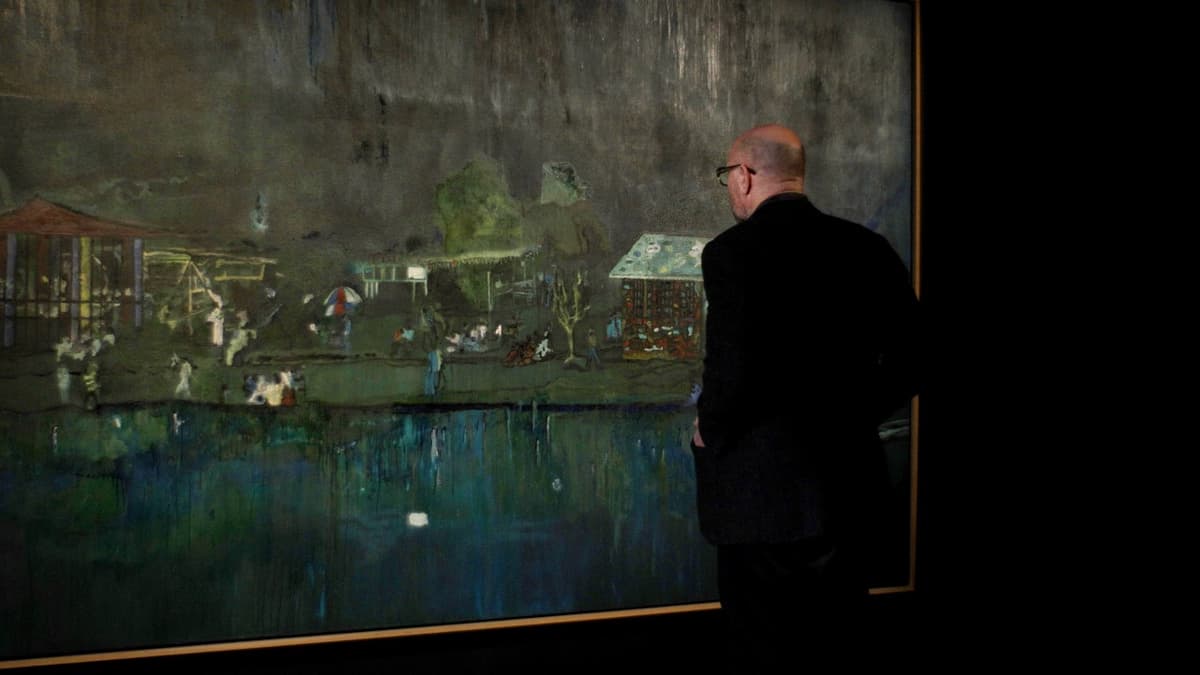
Artist Peter Doig: “I Like the Singleness of Being a Painter.”
Peter Doig discusses why he cherishes the "singleness" of painting, emphasizing the freedom of working alone without external directives. He traces his artistic trajectory from an early fascination with etching—whose quick results sparked his interest—to a full‑time commitment to painting...
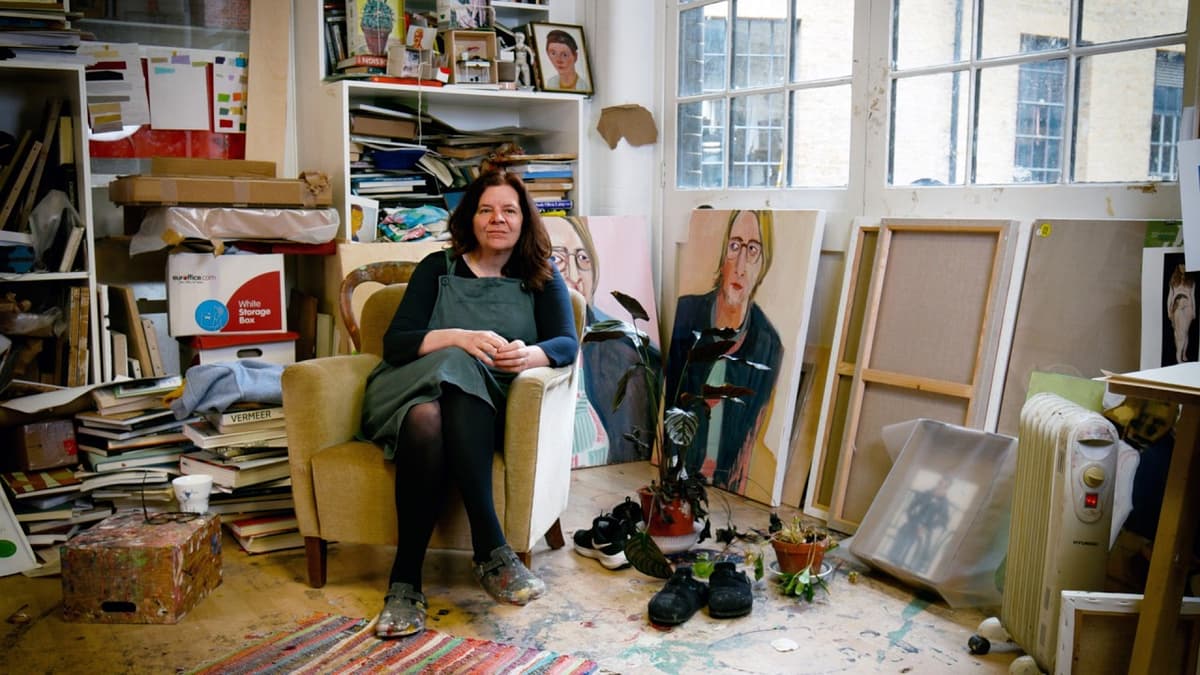
Painter Chantal Joffe Shares Advice with Emerging Artists
Painter Chantal Joffe uses a candid conversation with her daughter to underscore a simple, yet powerful mantra for emerging artists: show up and paint, regardless of mood or perceived inspiration. She frames artistic work as a daily commitment, emphasizing that...
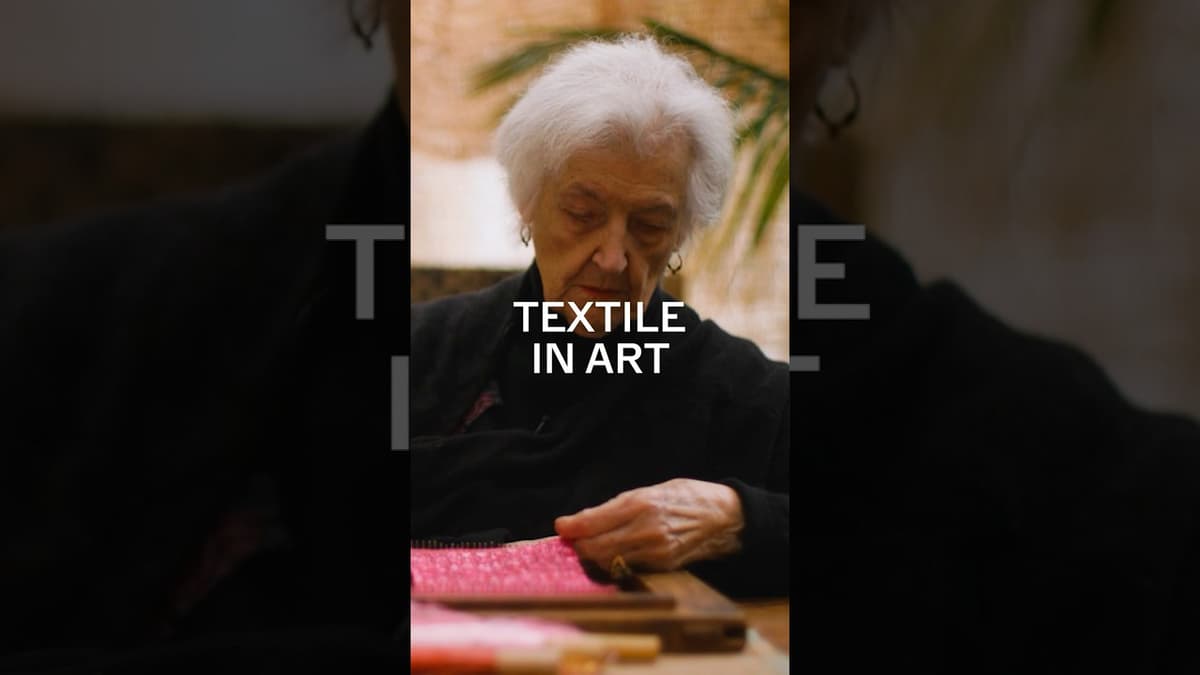
The Use of Textile in Art #contemporaryart #art
The video explores how contemporary artists are turning textile—particularly crochet and reclaimed clothing—into a medium that foregrounds softness in an increasingly hard, industrial world. Artists argue that working with fabric restores “essential” tactile skills and that each knot functions as a...
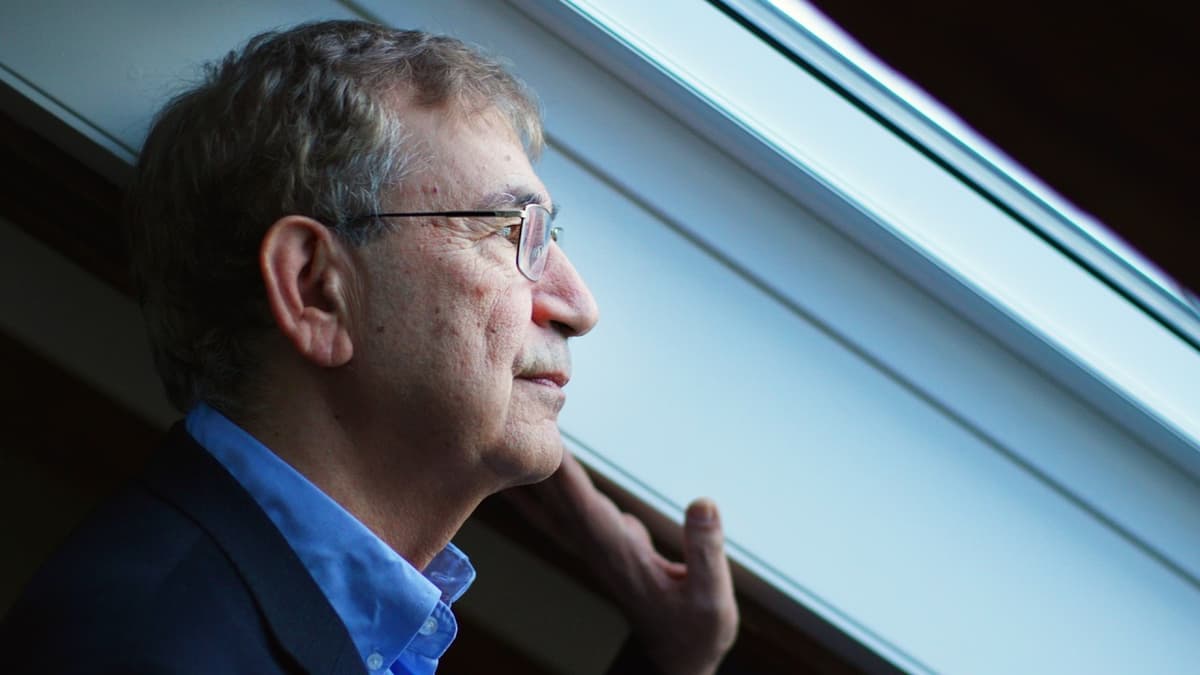
Writer Orhan Pamuk: Museums Are Like Novels
Nobel‑ laureate Orhan Pamuk explains that his 2011 Museum of Innocence is both a novel and a real‑world museum, conceived simultaneously with the book and built to serve as an annotated catalogue of the story. The museum houses 82 vitrines that...
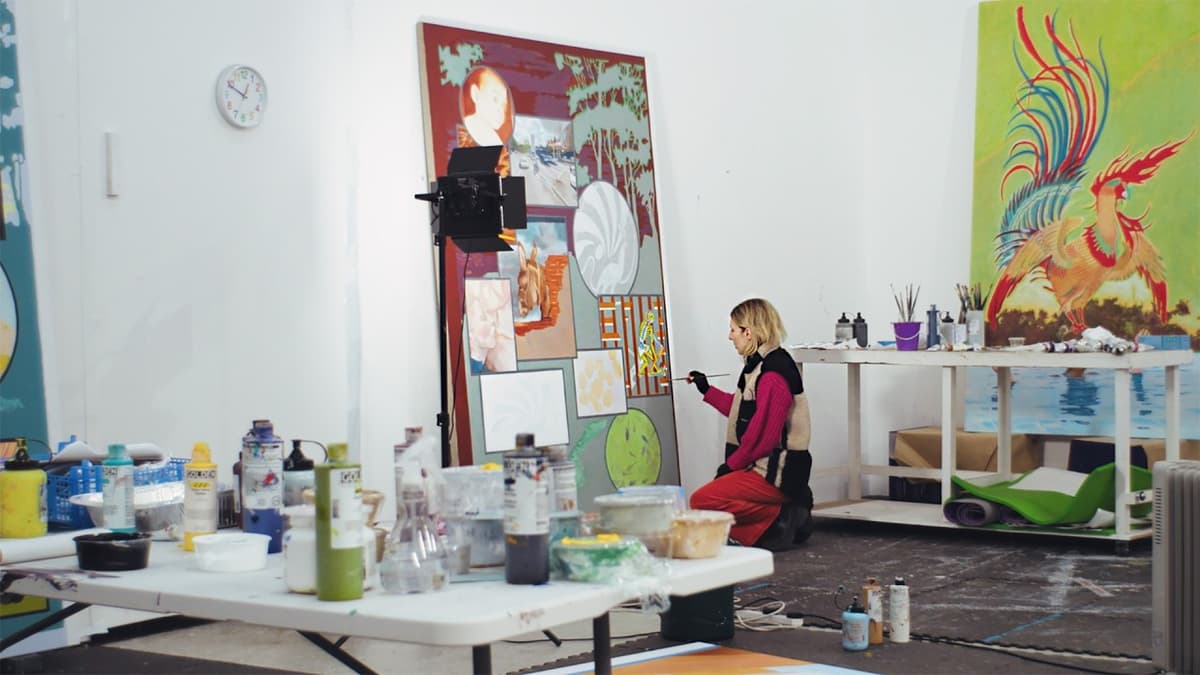
Artist Allison Katz: ”Painting Is Like a River Flowing.”
Allison Katz frames painting as a river‑like practice, a daily decision that balances belief with doubt. She enters the studio aware of resistance, using that tension to keep her work alive and unpredictable. Katz experiments with texture and medium—sand, rice, metallic...
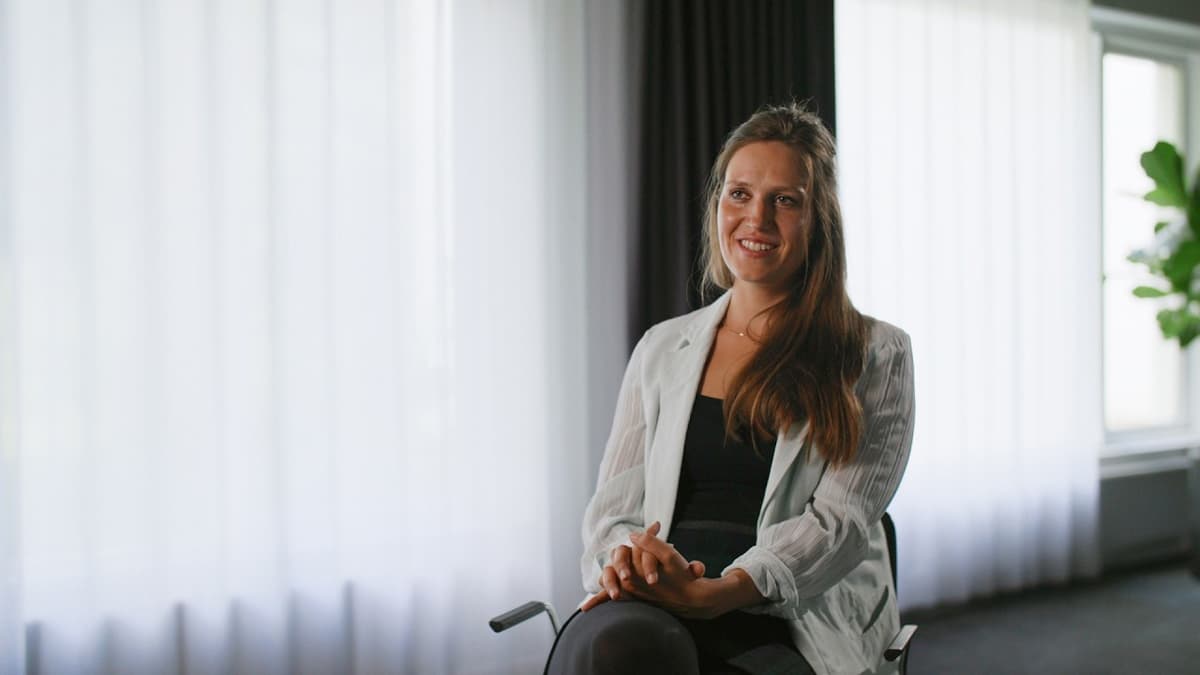
Writer Charlotte Gneuss: Through Fiction I Can Tell the Truth
The video features German author Charlotte Gneuss reflecting on how fiction becomes a vehicle for truth‑telling and personal protection. She traces her early love of reading—from crime novels to her parents’ library—to the moment she began writing, noting that the...
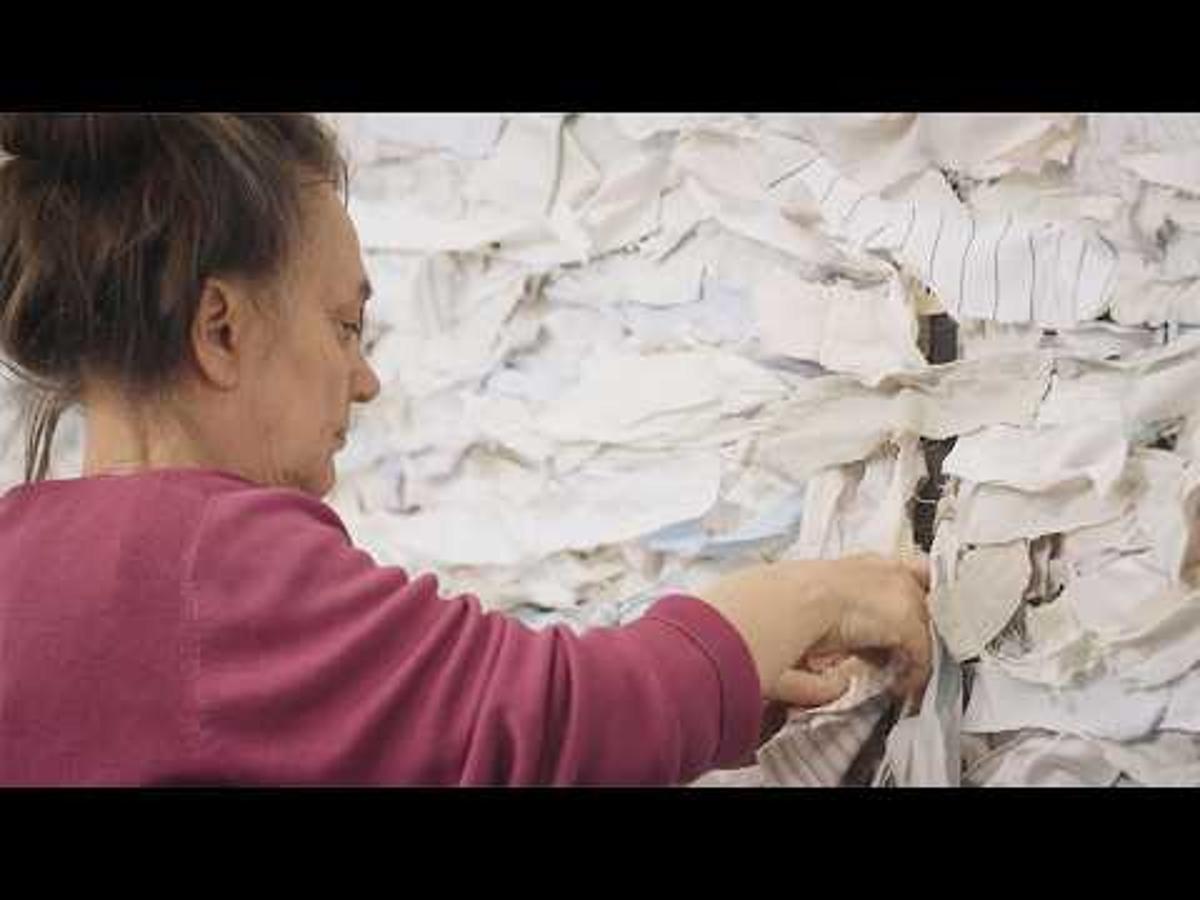
7 Artists on Soft Sculptures: Why Artists Turn to Textile
The video gathers seven contemporary artists who explain why they gravitate toward soft, textile‑based sculpture. They argue that the tactile quality of yarn, fabric, and found materials offers a counterpoint to the dominance of hard media such as metal, stone,...
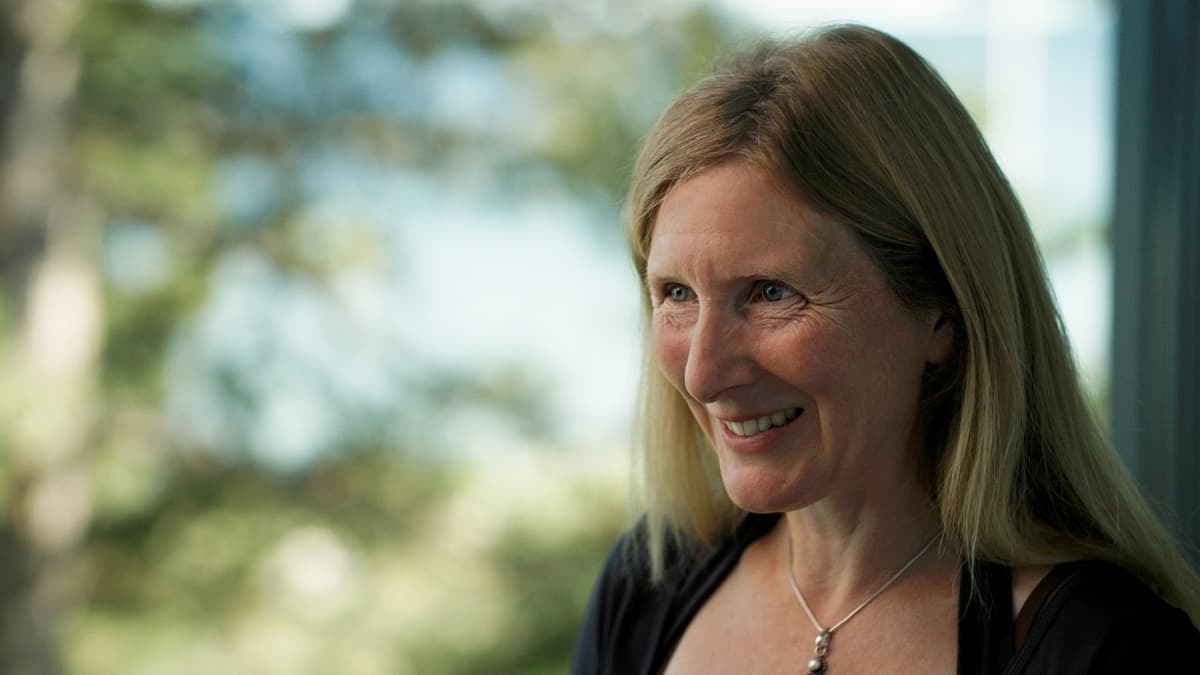
Booker Prize Winner Samantha Harvey on Writing, Time, and the Shape of a Life
Samantha Harvey traces her literary formation to watching her mother ghostwrite and to an early fascination with the passage of time, which she now explores obsessively through novels. Trained in philosophy, she turned to fiction as a more effective way...