
Recent Posts
Video•Mar 1, 2026
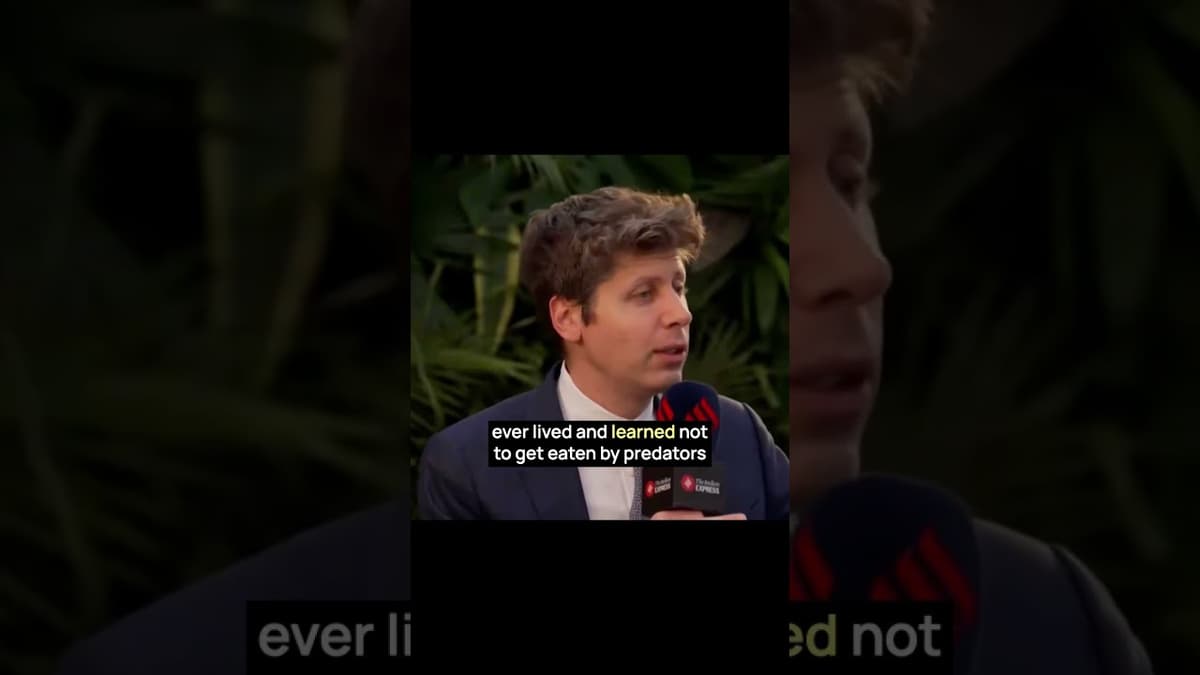
Sam Altman Compares Training AI To Raising Kids
In a viral clip, OpenAI CEO Sam Altman likens the process of training large language models to raising a child, framing AI development as a form of digital parenting. Altman points out that while critics focus on the electricity required to train a model, humans also expend massive energy over decades of growth, nutrition, and education. He argues that once a model is trained, the per‑query energy cost may already match or surpass human efficiency. He illustrates his point with a vivid analogy: “It takes twenty years of life and all the food you eat before you get smart,” and reminds viewers that humanity’s collective evolution—hundreds of billions of ancestors—underlies our intelligence, a cost AI sidesteps. If AI indeed achieves comparable energy efficiency, businesses could see lower operational expenses and faster scaling, while policymakers must grapple with the environmental and ethical implications of accelerating AI deployment.
By Matt Wolfe
Video•Feb 28, 2026
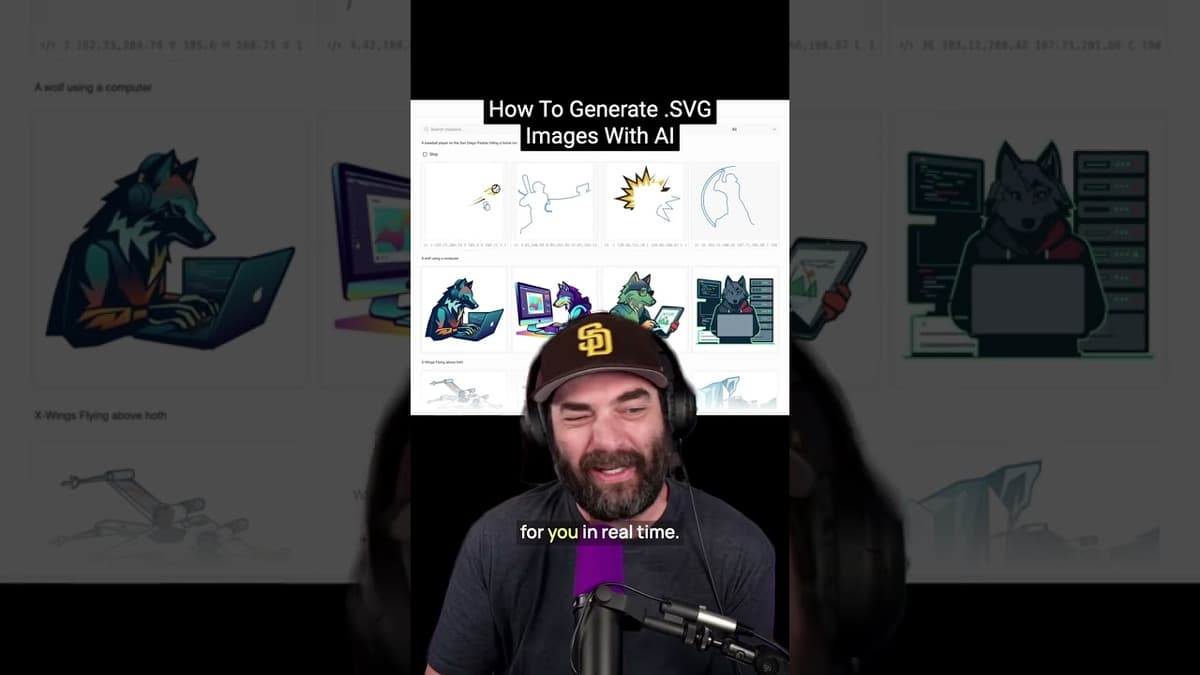
How To Generate .SVG Images With AI
Quiver AI, a new generative‑AI tool, converts natural‑language prompts into Scalable Vector Graphics (SVG) in real time. The system renders full vector paths within seconds, allowing developers to see editable code as the image is created. This capability removes the...
By Matt Wolfe

Video•Feb 27, 2026
How To Access Nano Banana 2
Google has launched Nano Banana 2, also known as Gemini 3.1 Flash Image, promising professional‑grade image creation at near‑instantaneous speeds. The new model can be accessed through several Google channels, expanding its reach beyond early‑access programs. A YouTube comparison pits Nano Banana 2...
By Matt Wolfe

Video•Feb 24, 2026
The Easiest Way To Host OpenClaw #Sponsored
The video promotes a sponsored solution for safely deploying OpenClaw, an open‑source AI agent that has attracted attention for its capabilities but also raises security concerns when run locally. By hosting the agent on a Hostinger virtual private server, users...
By Matt Wolfe
Video•Feb 22, 2026
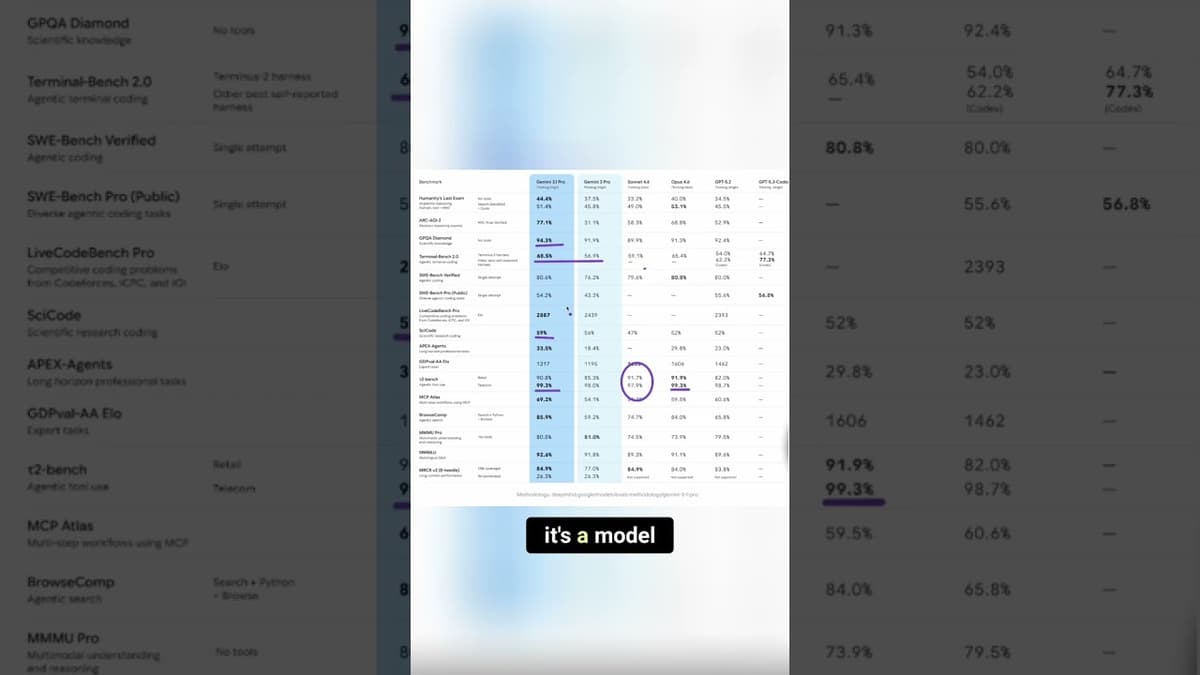
Testing The New Gemini 3.1 Pro Model
The video showcases a hands‑on test of Google’s Gemini 3.1 Pro model, focusing on its ability to generate an animated SVG of a grey wolf playing basketball and render it in a browser. The demonstration highlights the model’s speed—producing a...
By Matt Wolfe

Video•Feb 20, 2026
Hollywood Pushes Back On Seedance IP Usage
Hollywood’s major studios and talent unions have launched a coordinated assault on BiteDance’s Seed Dance 2.0, an AI video model that can synthesize realistic footage of actors and copyrighted characters. SAG‑AFTRA and the Screen Actors Guild issued a joint...
By Matt Wolfe

Video•Feb 19, 2026
6 AI Tools That Save Me Time And Money
The video showcases six AI‑powered applications the creator relies on daily to streamline work and cut costs. Perplexity serves as a Google replacement, handling ad‑hoc queries, while Claude.ai is the preferred chatbot for brainstorming and drafting video scripts, edging out ChatGPT....
By Matt Wolfe
Video•Feb 17, 2026
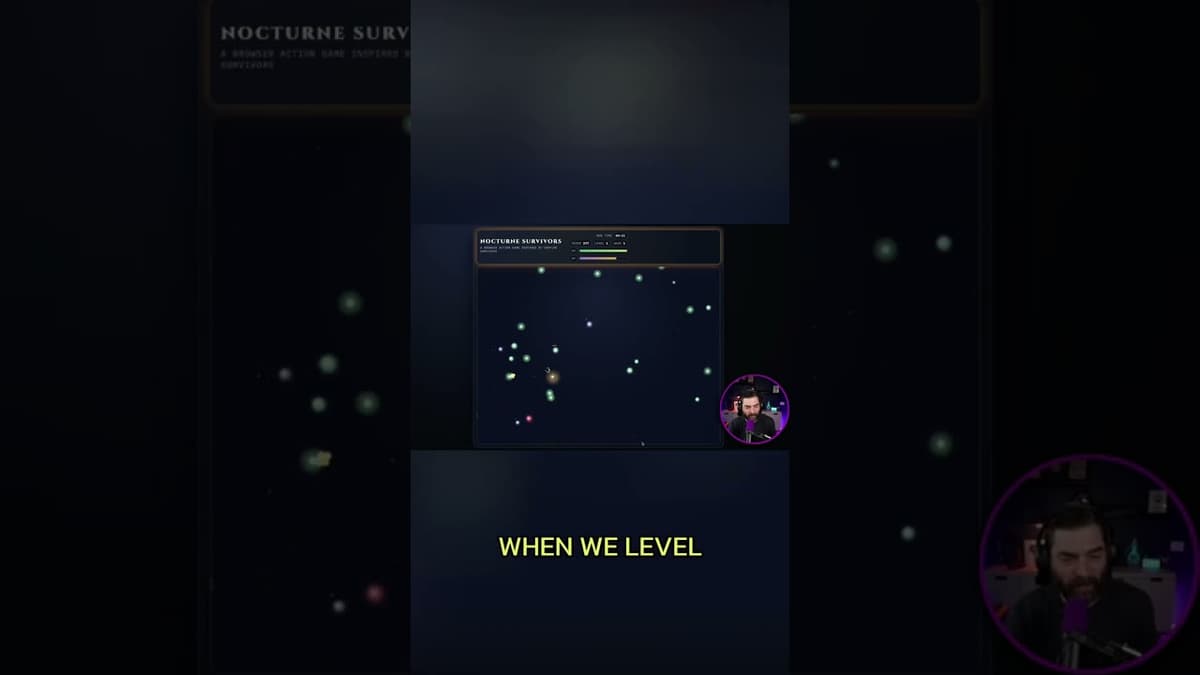
Is The New OpenAI Model Actually THAT Fast?
OpenAI unveiled GPT‑5.3 Codeex Spark, a new model built on proprietary Cerebrus chips that promise dramatically faster inference than prior releases. The company positioned the model as a code‑generation engine, highlighting its ability to produce complete, runnable applications in near‑real...
By Matt Wolfe

Video•Feb 14, 2026
Seedance 2.0 Doesn't Care About IP
The video spotlights ByteDance’s new generative model, SeedDance 2.0, which can synthesize high‑fidelity user‑generated content (UGC) videos from scraped product data. A creator on X, “Chat Cut,” claims the system uses an open‑source “claw” agent to crawl webpages, extract images...
By Matt Wolfe