
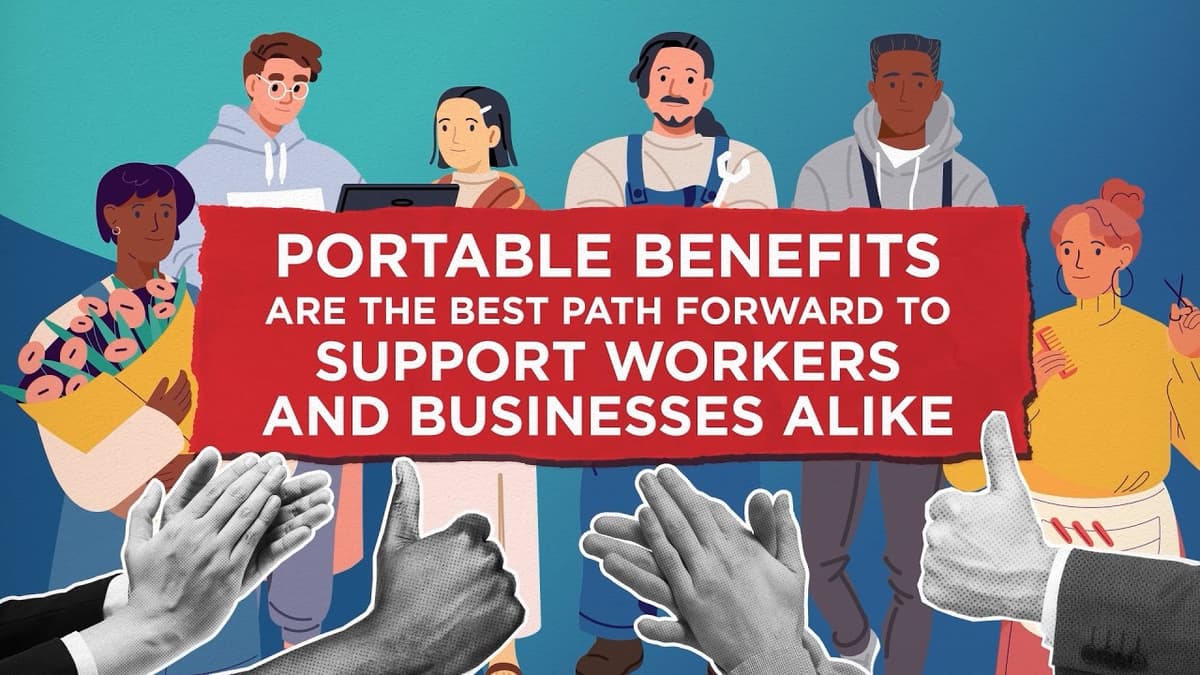
What's So Beneficial About Portable Benefits?
The video explains portable benefits—a proposed solution that lets freelancers, gig workers and other independent contractors receive tax‑advantaged health, retirement and childcare coverage without being classified as employees. It contrasts the current system, where employers fund benefits for W‑2 staff, with the fragmented, after‑tax approach independent workers must manage on their own. Data points highlight the mismatch: more than 80% of independent workers value their freedom, yet 81% say they would use a portable‑benefits account not tied to a single employer. Because contributions from clients can trigger misclassification penalties, many states prohibit such arrangements, forcing workers to shoulder higher taxes and administrative costs. The video walks through a typical portable‑benefits model: a central account receives small contributions from each client, automatically pays health, retirement and other programs, and can draw from the worker’s bank if short. Pilot programs in several states already test this framework, and pending federal bills seek to clarify that employer contributions to these accounts do not create employee status. If enacted, portable benefits could lower compliance costs for businesses, expand coverage for the growing gig economy, and restore the tax advantages traditionally reserved for salaried staff. The shift promises a more flexible labor market while preserving essential social safety nets.

Arvind Subramanian and Devesh Kapur on India's Precocious Development Odyssey
Arvind Subramanian and Devesh Kapur discuss their new book, *A Sixth of Humanity*, which chronicles India’s rapid yet uneven development since independence. The conversation highlights how India’s redistributive democracy has produced starkly different outcomes across states, driven by variations in...
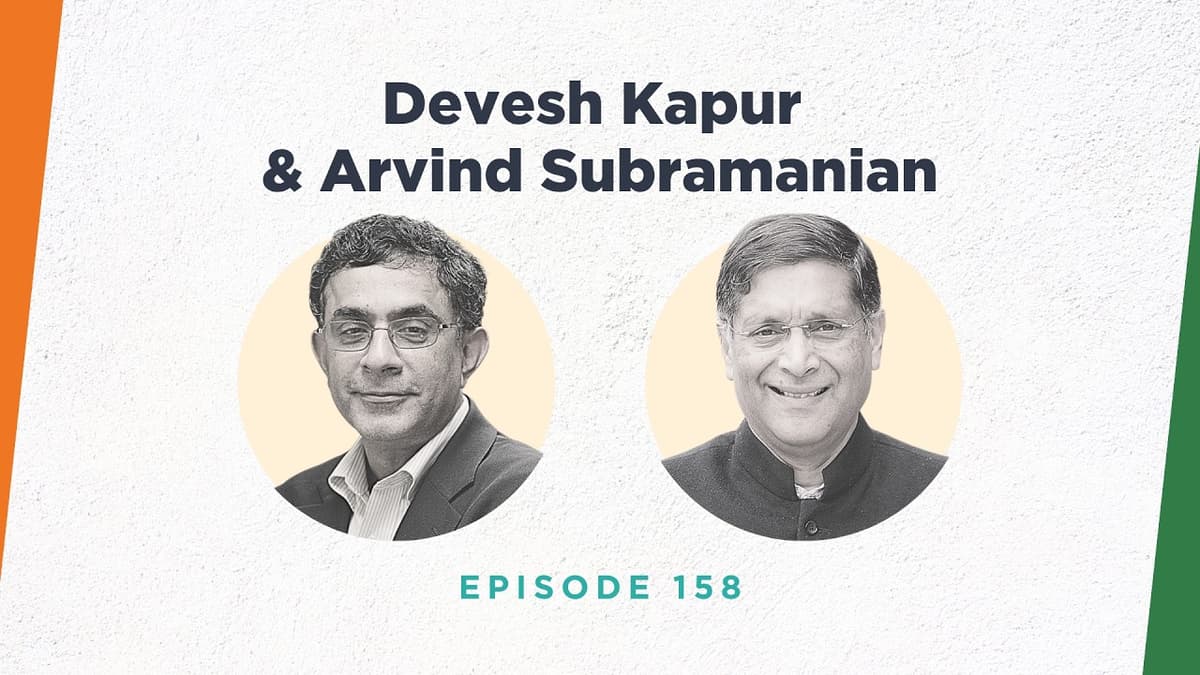
Arvind Subramanian and Devesh Kapur on India’s Precocious Development Odyssey
The conversation centers on Arvind Subramanian and Devesh Kapur’s new book, *Sixth of Humanity: Independent India’s Development Odyssey*. The authors trace India’s 75‑year journey, emphasizing how the nation’s decision to adopt universal adult franchise at independence set a uniquely precocious...

V. Anantha Nageswaran on Surveying the Growth and Financialization of the Indian Economy
V. Anantha Nageswaran joins the podcast to reassess India’s growth trajectory, focusing on the evolving role of industrial policy and the financialization of the economy. He contrasts his 2016 Carnegie paper, which warned against state‑led import substitution, with the latest...

Ornit Shani and Rohit De on Assembling India's Constitution
In this episode of Ideas of India, hosts discuss the newly released book *Assembling India’s Constitution* by historians Ornit Shani and Rohit De. The authors argue that the Indian Constitution should be understood not merely as the product of an...
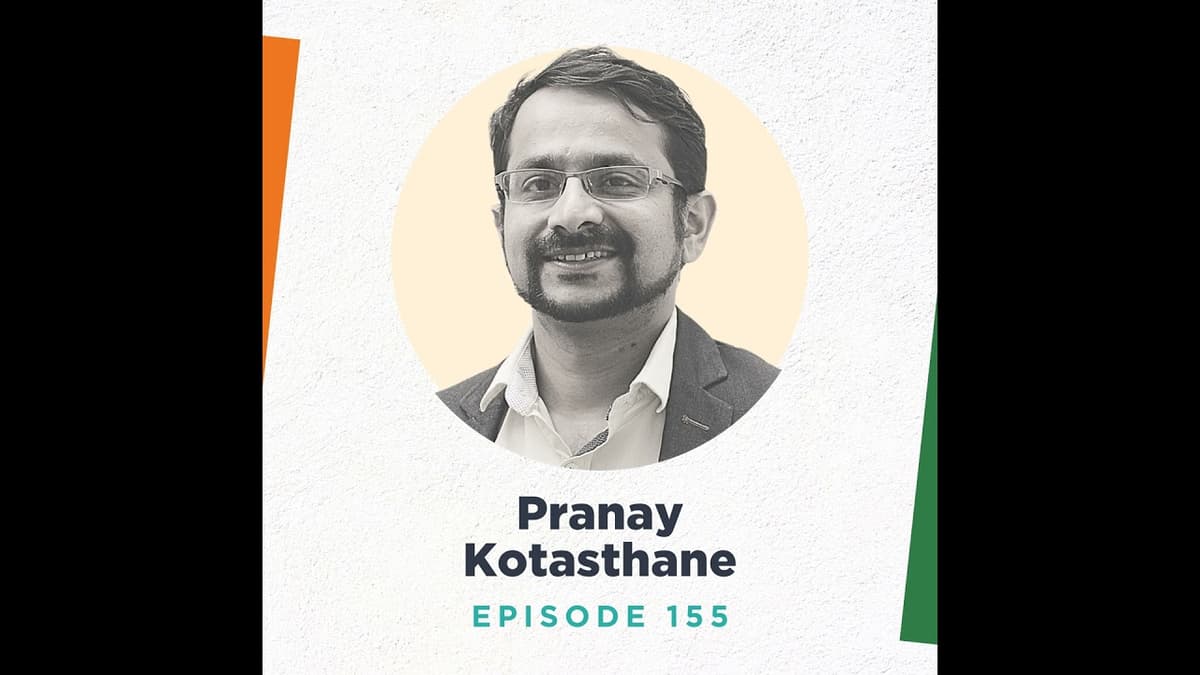
Pranay Kotasthane on the Political Economy of Rare Earths and Critical Minerals
In a February 2 2026 interview, Takshashila deputy director Pranay Kotasthane dissected the political economy of rare earths and critical minerals, highlighting China’s overwhelming production dominance and India’s strategic ambitions. He explained the distinction between rare earths and broader critical minerals, noting...
Is Bayesian Forecasting Just a Fad or Here to Stay? | Macro Musings
The Macro Musings episode debates whether Bayesian forecasting is a passing fad or a lasting paradigm shift in macroeconomics. Panelists note that Bayesian econometrics, popular in the U.S., lets analysts embed prior beliefs, which is especially valuable when data are scarce....