

Rethinking One‑Teacher Classrooms to Boost Collaboration and Quality
For more than a century, we’ve organized schools around a simple assumption: one teacher, one classroom. But as Ashley Williams and @BryanHassel of @PublicImpact explained in my recent conversation with them, this organizing principle opens schools up to wide variability in instructional quality and robs teachers of opportunities for collaboration and career progression. This is an argument I’ve been making as well, so I was excited to have them on to hear about their progress. Tune into the full conversation, linked in the comments, to hear about their proposed solutions to this challenge.

From Supplemental to Central: AI Redefines School Learning
“Most schools are using AI in a very supplemental way right now—very much the same way they used ed tech.” That’s a quote from @jwdanner founder of @rocketshiped and multiple AI edtech companies talking about the motivation behind his latest venture,...

Program Design Beats Modality: Virtual Tutoring Proven Effective
Much to the chagrin of some here, turns out program design matters more than modality. Exclusive: New Research Strengthens Case for Virtual Tutoring @The74 https://t.co/mH14hkDjeY
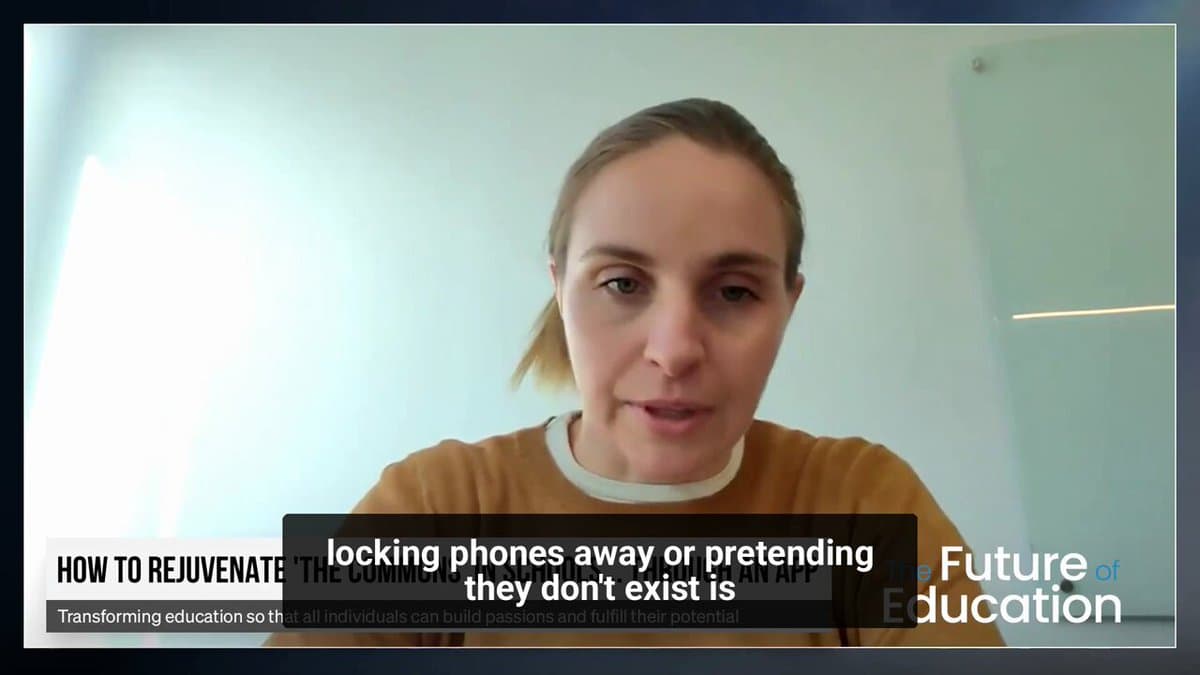
Teach Tools, Not Just “Just Say No,” Says Founders
“Just say no” isn’t the way to go, argue the founders of the Commons App, Shannon Godfrey and Julia Gustafson. When it comes to educating kids on risk factors like substance use and sexual health, we ensure that students have...

Non-Degree Credentials: Popular but Value Remains Uncertain
Non-degree credentials are surging in popularity, but are they adding value for the learners that are earning them? To dig into this question, @JSelingo and I sat down with @mattsigelman , CEO of the Burning Glass Institute, a research organization...