Small AI Agents Outshine Giants Using Monte Carlo Collaboration
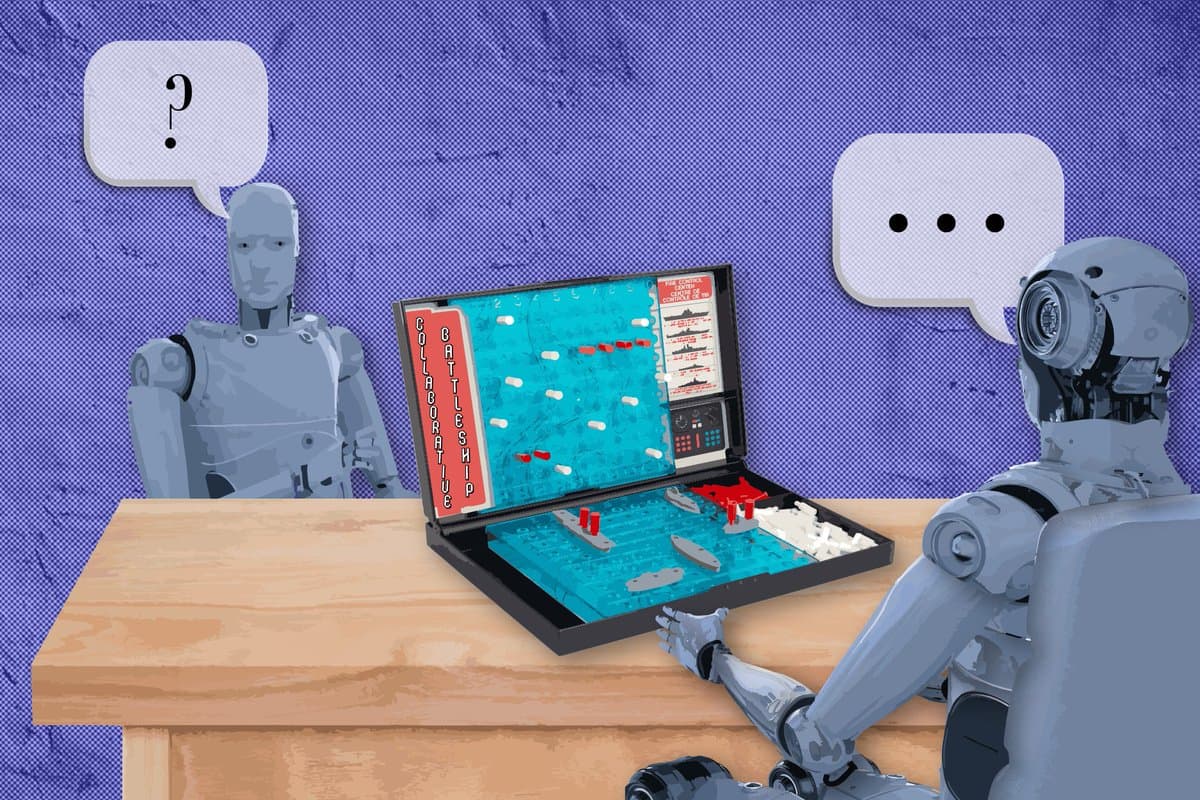
"Collaborative Battleship" game has revealed that AI agents are better at answering questions than asking them. CSAIL & SEAS had LMs play together, where Monte Carlo inference strategies helped small agents outpace the largest models at ~1% of the cost: https://t.co/o5hBbB4X5s https://t.co/zmLK9CBsPt

MIT's Fractal OS Exposes Apple M1 to Phantom Attack
What really happens inside a computer chip? MIT CSAIL built an operating system kernel called "Fractal" that gives researchers a clearer view. It revealed that the Apple M1 could be vulnerable to a class of speculative attack known as "Phantom": https://t.co/8TsVfIpXCC...
MIT's Mirai AI Spots Breast Cancer Years Early
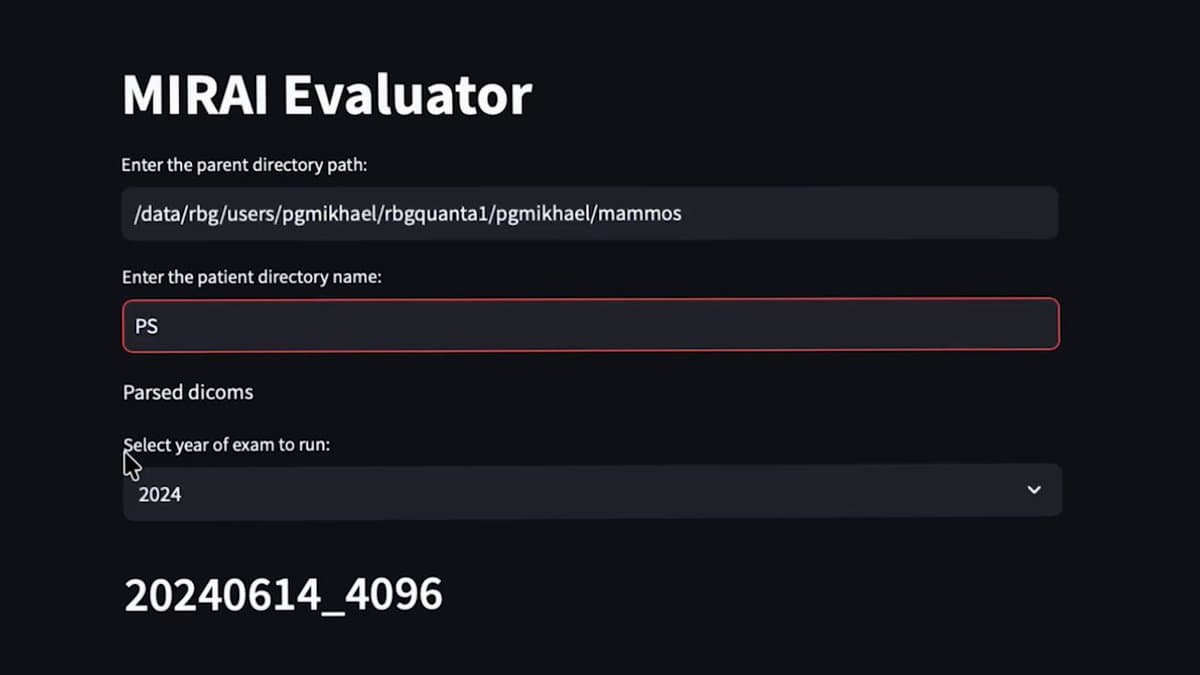
The story of Mirai, MIT's AI model that can detect breast cancer years before humans do: https://t.co/5YbCFJRKUK https://t.co/3NLCkWaAqR
CSAIL Revives 80s Three‑s
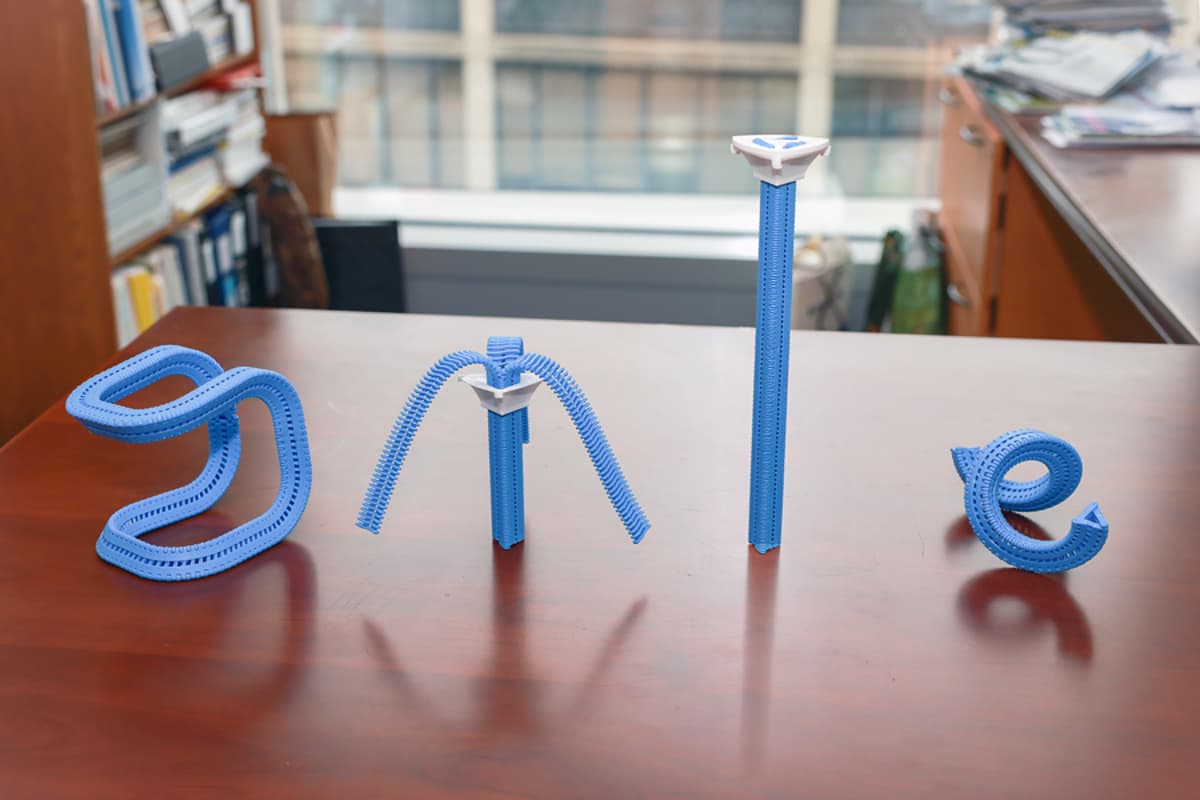
In the '80s, future MIT prof. Bill Freeman envisioned a three-sided zipper that could switch items between soft & rigid states. Last year, CSAIL revived his idea w/an automated design tool. It 3D prints "Y-zippers" that snap gear, robots, & art...
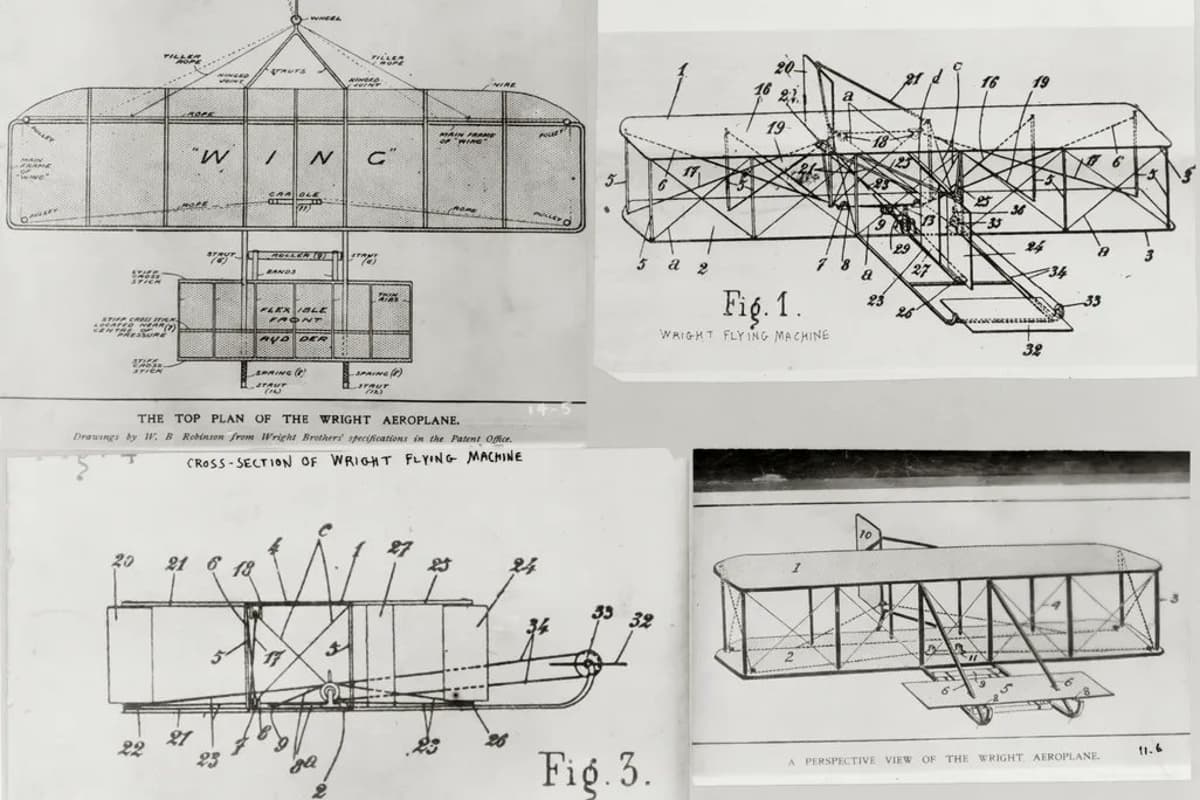
Wright Brothers Filed the First Airplane Patent in 1903
The Wright Brothers' patent for a "Flying Machine," AKA the world's first airplane. It was filed in 1903. Images v/Library of Congress https://t.co/AoXKuvtQyh
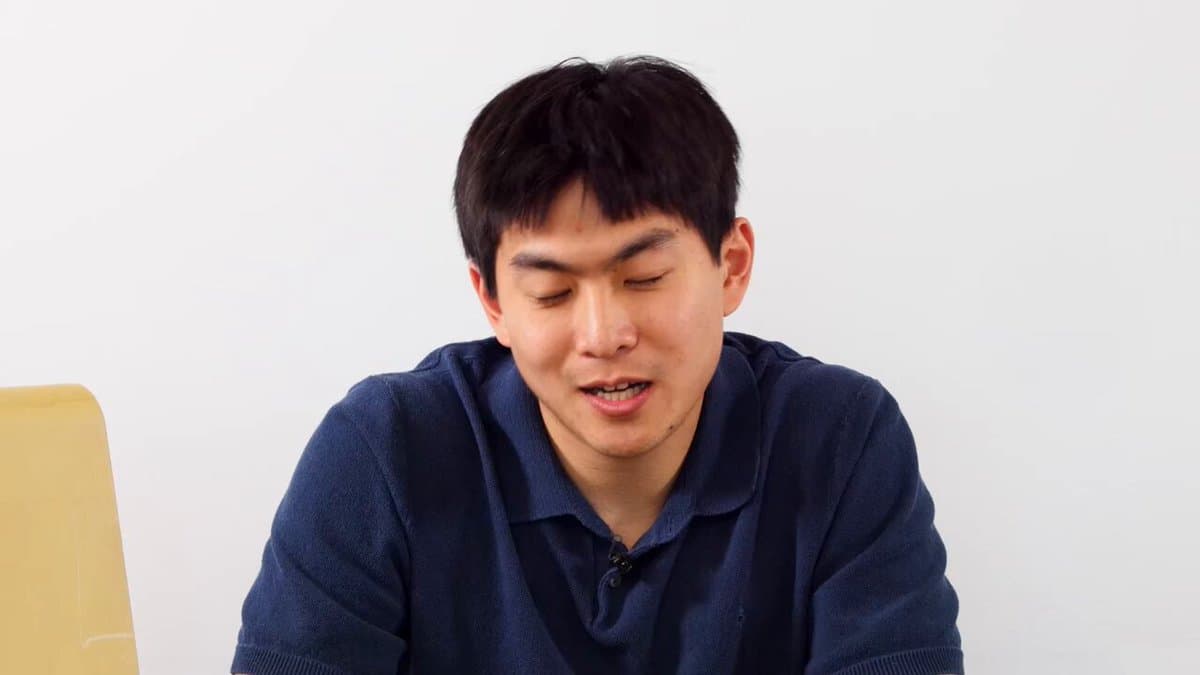
AI Models Are Mismanaged Geniuses Ready for Broader Tasks
MIT PhD student Alex Zhang (@a1zhang) explains how AI models are "mismanaged geniuses" that could take on a much wider range of tasks. Full video: https://t.co/8L9lVGtzF1 https://t.co/G38iDOgS1D
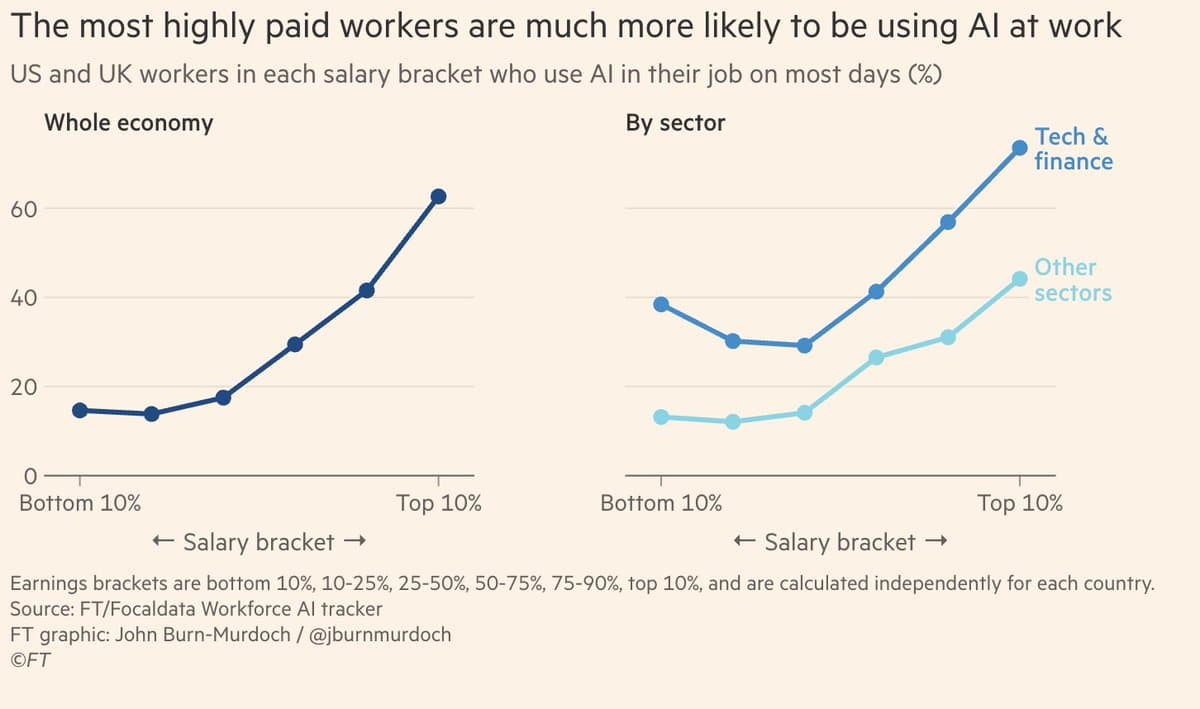
Top Earners Adopt AI Tools at Higher Rates
Highest paid workers are more likely to use AI for work, according to Financial Times breakdown: https://t.co/3NOlnQB45y https://t.co/WOiYwoLJgo
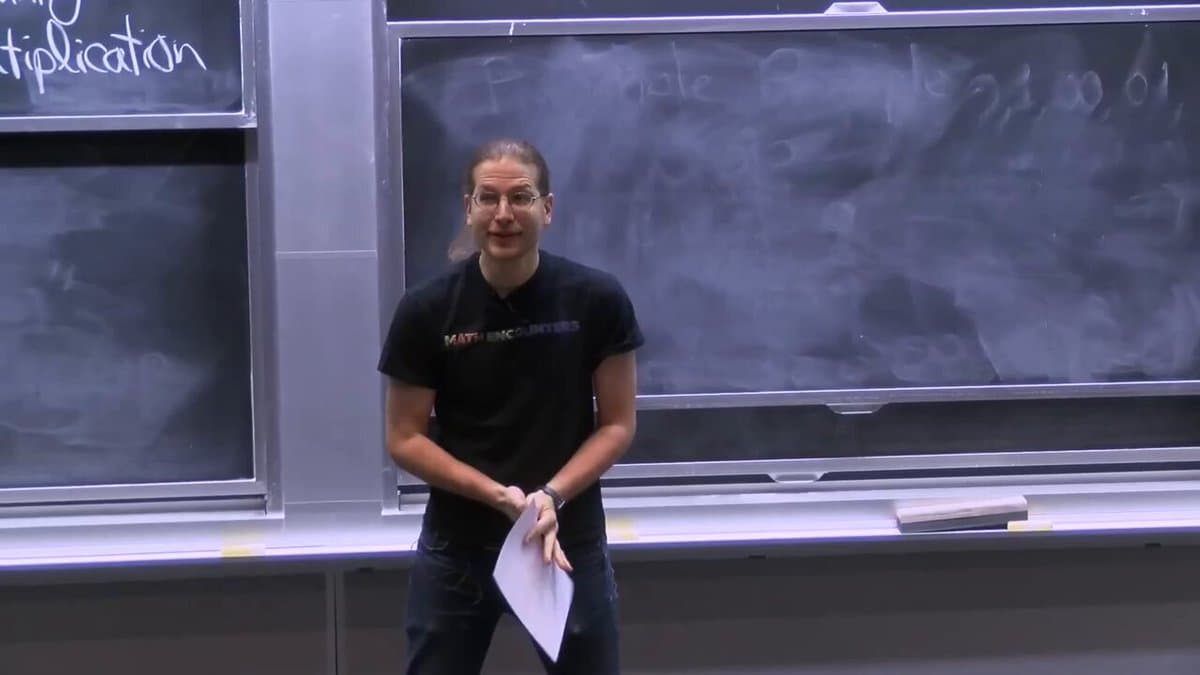
Celebrating 61 Years of FFT: MIT’s Classic Breakdown
61 years ago this month, the Fast Fourier Transform was created, a powerful tool for image compression & data analysis. Watch a classic MIT breakdown of FFT, perhaps the most-taught algorithm at the Institute: https://t.co/R7zdspBswx v/@MITOCW https://t.co/lVabrS3syd

AI Imagines Stata Center's Futuristic 2500 Design
What does AI think the Stata Center will look like in the year 2500? ChatGPT, Meta AI, & Grok chimed in. https://t.co/dhIJxYKs2w
Teaching Models Confidence Reduces Overconfidence, Preserves Accuracy
How do top reasoning models become overconfident? MIT found that RL rewards correct answers w/o considering how sure the model is. By training them to estimate their confidence about each answer, the team boosted uncertainty estimates w/o hurting accuracy: https://t.co/zG3GskBc13

Ask Your RLM Questions for Upcoming MIT Explainer
Ask us your questions about Recursive Language Models (RLMs) & where LMs are underutilized or inefficient. We’ll pick some to feature in an upcoming explainer w/MIT PhD student Alex Zhang (@a1zhang), who recently developed RLMs. For more on his work: https://t.co/pFtCO03Hcq...
MIT CSAIL Pushes AI Reliability over Raw Power at ICLR
This week, MIT CSAIL will join other top ML researchers at ICLR to tackle a shift in focus from more powerful AI to more reliable systems 🧵 Our papers at the conference show how to potentially make AI models stronger critical...

A Quarter-Century of Tech that Reshaped Life
Things we didn't have 25 years ago: iPhone Facebook YouTube Twitter/X Instagram Android Bitcoin Tesla Gmail WhatsApp Snapchat Zoom Amazon Prime Airbnb Uber Dropbox LinkedIn Reddit ChatGPT v/@stats_feed
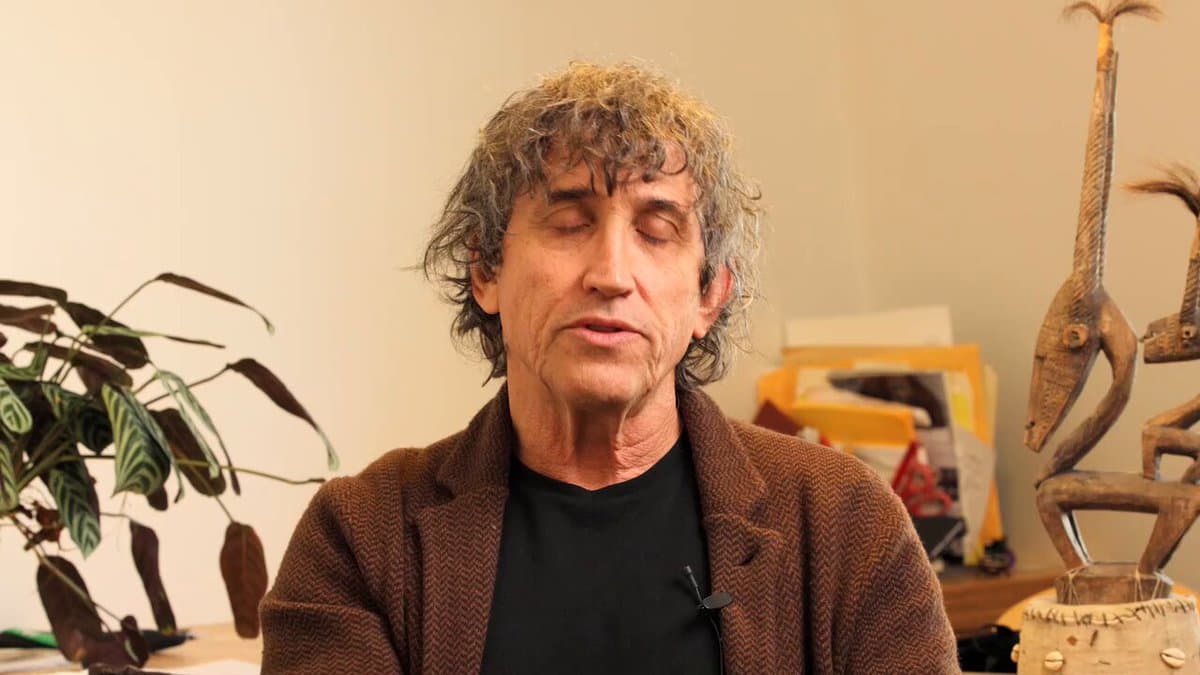
AI Trains Electron Microscope to Match Human Vision
A decade of imaging. Compressed into three months. Here’s how MIT CSAIL & Harvard taught an electron microscope to see like you do: https://t.co/qC3zVck0HF https://t.co/kMTptacRMD

Neocognitron: 1980 Japanese Breakthrough that Birthed CNNs
#otd in 1980 a Japanese computer scientist published a paper proposing the “Neocognitron,” the neural net that directly inspired CNNs: https://t.co/v7TCOMPN6x Kunihiko Fukushima’s paper explained back in 1986: https://t.co/vaIJlc5GdV https://t.co/SgyWzAorUX