
The Easiest Way to Stop Nighttime Reflux (While You Sleep)
The video outlines a straightforward, passive approach to curb nighttime reflux, emphasizing body positioning and short‑term dietary adjustments. By sleeping on the left side and raising the head of the bed six to nine inches, the lower esophageal sphincter (LES) stays above stomach contents, creating a protective air pocket that reduces acid backflow. Key tactics include the left‑side, head‑elevated posture, avoiding tight belts or high‑waist compression that press on the abdomen, and temporarily eliminating foods that relax the LES or irritate the esophagus—such as alcohol, caffeine, citrus, chocolate, and peppermint. The presenter frames this as a "healing phase" where the esophageal lining can repair itself before broader nutritional changes are introduced. A client testimonial underscores the impact: "It revolutionized her GERD and dramatically reduced symptoms," after using a wedge pillow. The speaker also notes that simple tools like a maternity pillow or wedge are readily available on Amazon, making the strategy accessible. These low‑cost, mechanical interventions can lessen inflammation, improve sleep quality, and potentially reduce dependence on medication, offering a practical first line of defense for anyone battling GERD or nighttime heartburn.
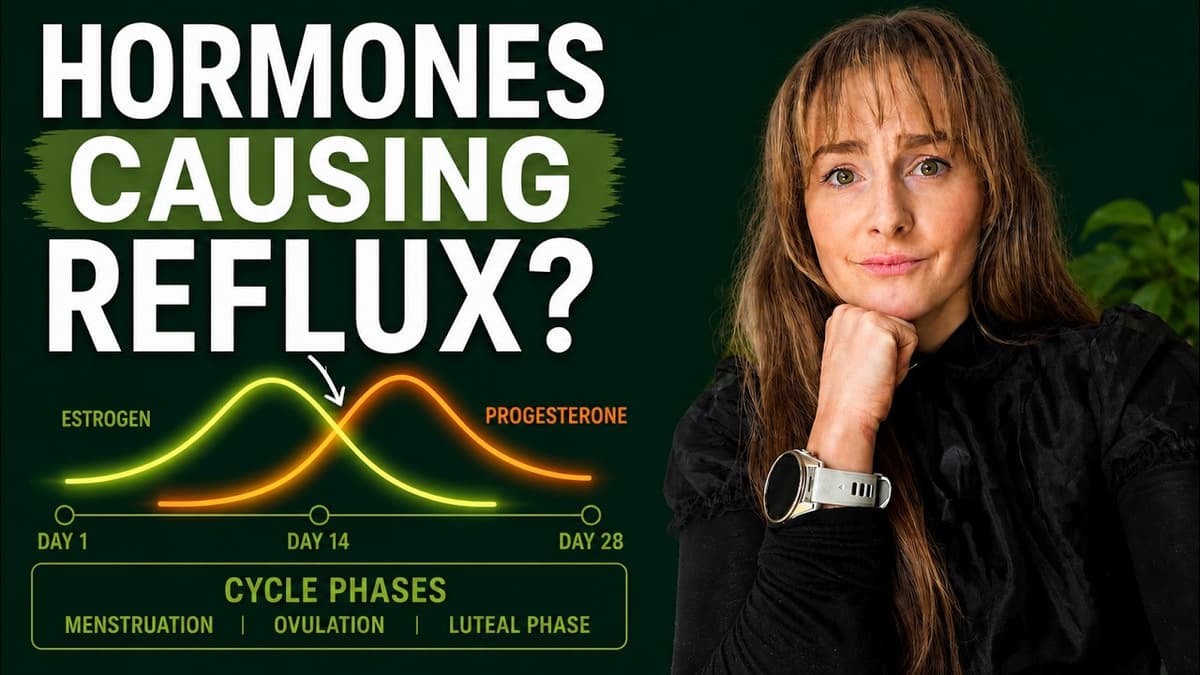
Why Your Reflux Gets Worse Around Your Period, Pregnancy & Menopause
The video explains why many women experience worsening acid reflux during their menstrual cycle, pregnancy, and menopause. Registered dietitian Molly Pelletier links these patterns to hormonal shifts that affect the lower esophageal sphincter (LES), the muscle that keeps stomach acid...
This Comes up in Almost Every Single Client Session. 💚
The video addresses how people with acid reflux can navigate meals with partners, emphasizing timing and communication rather than perceived control. It explains that the stomach needs three to four hours to empty before lying down, and that reflux is influenced...
Stop Focusing on Acid if You Have Acid Reflux. Do This Instead. (Full Instructions👇)
The video challenges the conventional view that acid reflux stems primarily from excess stomach acid, arguing that the core problem is often a dysfunctional lower esophageal sphincter that permits gastric contents to ascend. The presenter explains that a compromised sphincter creates...

My "Healthy" Lunch Was Making My Reflux Worse — and I Had No Idea.
The video chronicles how a seemingly "healthy" lunch routine—large raw kale salad, lemon dressing, and sparkling water—was actually intensifying the creator’s acid reflux. By tracing the full day, she reveals that skipping breakfast, gulping coffee on an empty stomach, and...
Your Reflux Gets Worse at the Same Point Every Month. That's Not a Coincidence — It's a Mechanism.💚
The video explains how monthly hormonal shifts, especially during the luteal phase, can weaken the lower esophageal sphincter (LES) and trigger gastro‑esophageal reflux. It highlights that estrogen and progesterone boost nitric oxide production, which relaxes smooth muscle—including the LES—causing a...

Three Drinks that Trigger Reflux — and How I Still Enjoy All of Them. 💚
The video focuses on three drinks—coffee, alcohol and sparkling water—that typically trigger gastro‑esophageal reflux, and explains how sufferers can still include them in their diet. It explains that caffeine relaxes the lower esophageal sphincter (LES) and irritates an empty stomach, so...
I Gave Myself Erosive GERD. And Then I Reversed It. Here’s How 👇
After years of late‑night meals, chronic stress and frequent antibiotic courses, the creator diagnosed himself with erosive gastro‑esophageal reflux disease (GERD). He attributes the condition to a combination of genetic predisposition and, more critically, lifestyle choices that eroded his esophageal...
Your Acid Reflux Isn’t an Acid Problem. It’s a Barrier Problem. 👇 How to Strengthen Your LES 👇
The video debunks the popular claim that low stomach acid is the main driver of acid reflux, arguing instead that a weakened lower esophageal sphincter (LES) barrier is the core issue. It urges viewers to shift focus from acid‑level myths...
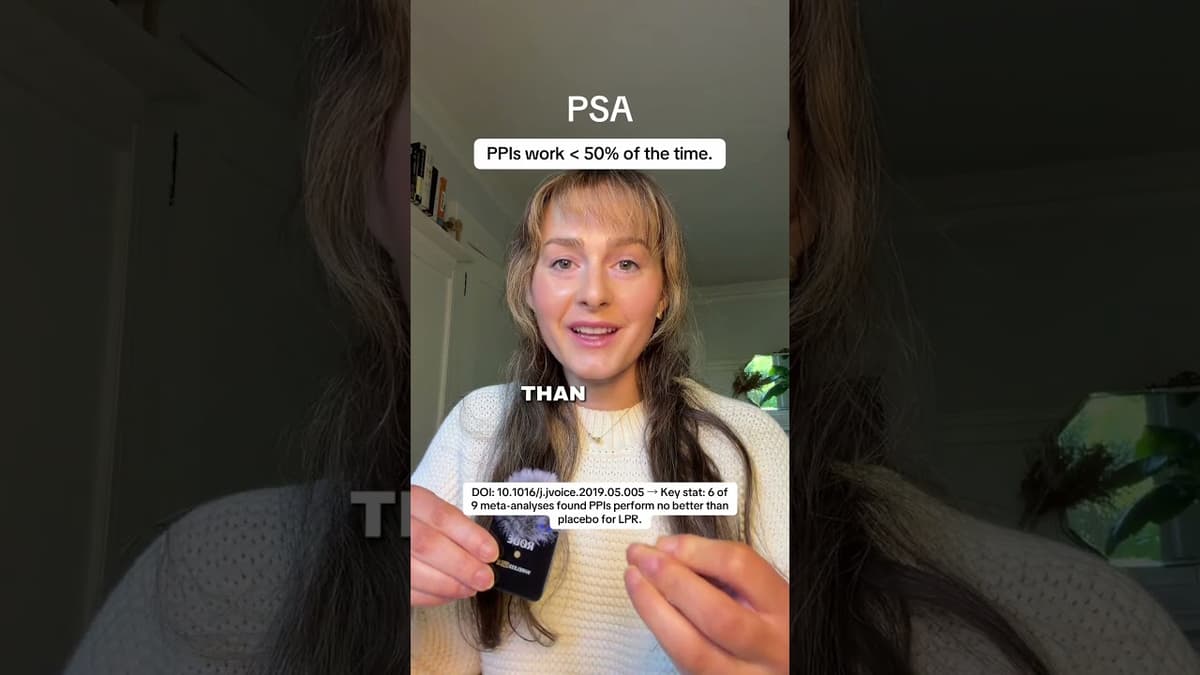
PPIs Work Less than 50% of Time. Even Less for LPR. Here’s What Your Doctor Didn’t Tell You 👇
The video highlights a stark reality: proton‑pump inhibitors (PPIs), the frontline prescription for gastro‑esophageal reflux disease (GERD) and laryngopharyngeal reflux (LPR), work less than half the time. Clinical trials cited show sub‑50% success for GERD, while for LPR the drugs...
Why Restrictive Diets Are Making Your Reflux Worse!
The video tackles a common misconception that stricter dietary restrictions automatically alleviate gastro‑esophageal reflux disease (GERD). The presenter shares a decade‑long personal struggle, describing how constant menu checks, travel avoidance, and mental calculations around food choices isolated his life. He argues...

Ep. 27: 3 LPR & Silent Reflux Breakthroughs Your Doctor Hasn't Mentioned Yet W/ Dr. Inna Husain
The Reflux Revolution podcast’s Episode 27 dives into emerging breakthroughs for laryngopharyngeal reflux (LPR), spotlighting three under‑discussed mechanisms—pepsin‑mediated reflux, laryngeal hypersensitivity, and vagal‑related irritation—through an interview with Dr. Inna Husain, a leading laryngologist. Husain explains that pepsin, a non‑acidic digestive enzyme,...
Same Food. Different Reflux Reaction. Here’s Why.
The video explains why identical meals can trigger acid reflux only on some occasions, emphasizing that reflux is not solely a food‑related issue. Dr. [Speaker] points out that chronic activation of the sympathetic ‘fight‑or‑flight’ response impairs vagal tone, which governs the opening...
Biohack Your Biology to Finically Get Acid Reflux Relief 🧬 Use The LES Lock 🔒
The video introduces a bio‑hack called the “LES lock,” a diaphragmatic breathing routine designed to reinforce the lower esophageal sphincter and curb acid reflux. The creator argues that focusing solely on diet overlooks a physiological lever— the diaphragm— that can...

The 14-Day "Esophagus Vacation" To Stop Acid Reflux & Calm Symptoms
The video introduces a 14‑day "esophagus vacation" designed to reset acid‑reflux symptoms through a structured daily habit stack. It begins with the foundational 3‑2‑1 rule—three balanced meals, no eating two hours before bed, and limiting one reflux trigger per day—setting...