
How AI and Quantum Materials Are Accelerating Scientific Discovery
The video outlines how artificial intelligence, supercomputing and quantum‑material science converge under the DOE’s Genesis mission to speed scientific discovery. By feeding neutron‑scattering, photon‑source and nanoscale probe data into the multimodal AI platform “Magmag,” researchers generate synthetic datasets via digital twins and train models on the Frontier supercomputer, shrinking experimental turnaround from months to days. The presenters highlight that users can interact with an AI agent in plain language—similar to ChatGPT—to design and run experiments, and that the resulting models and datasets will be hosted on the American Science Cloud for open access. This workflow promises rapid development of quantum magnets and other quantum materials, accelerating advances in quantum computing and related technologies while broadening participation across the scientific community.
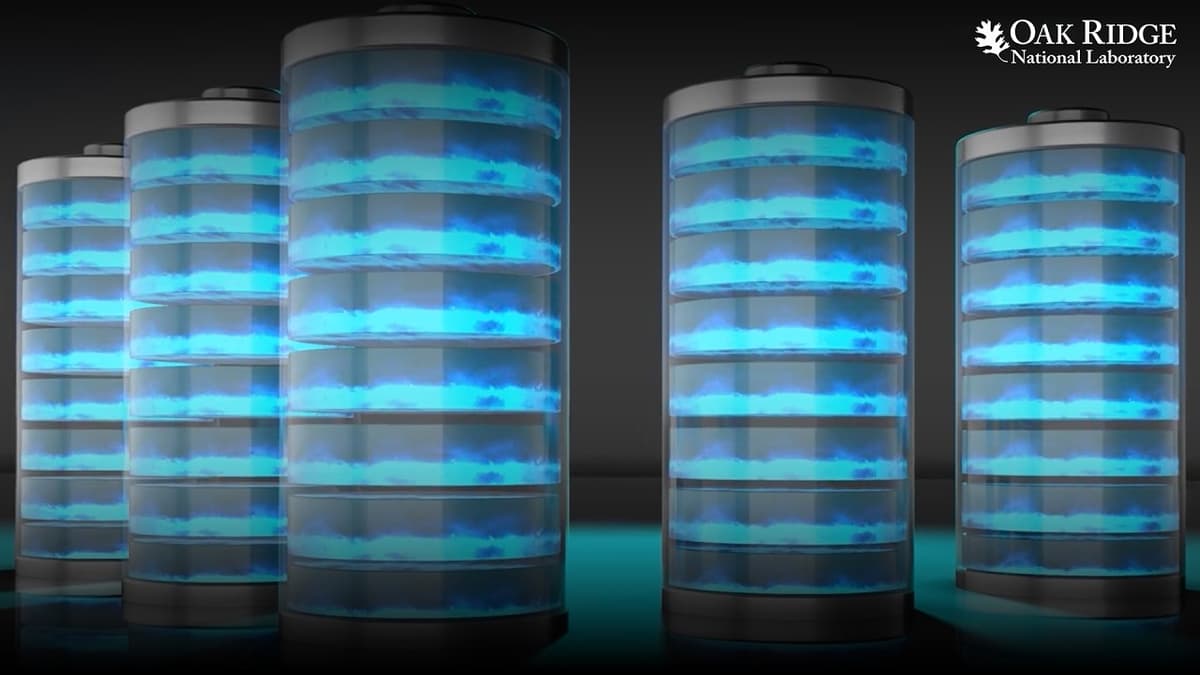
AI for Science: Smarter Predictions for Grid Battery Systems
Oak Ridge National Laboratory’s computational scientist Shriantth Aloo unveiled Qualas, a foundational AI model designed to forecast degradation of grid‑scale lithium‑ion battery systems. Unlike legacy health monitors that extrapolate system performance from isolated cell data, Qualas evaluates each cell’s aging...
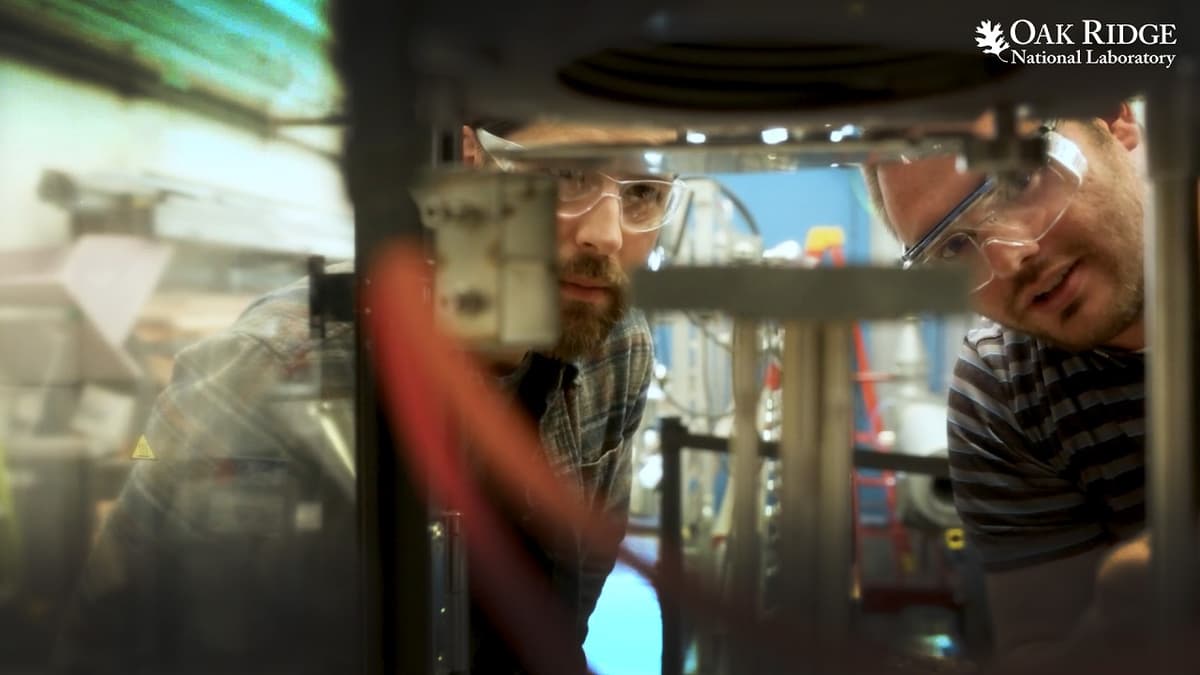
What if Yesterday’s Glass Bottle Could Become Tomorrow’s Building Material?
The video spotlights a new circular‑economy solution: converting discarded glass bottles into high‑value building materials using 3D printing. Vitriform 3D, in partnership with Oak Ridge National Laboratory, crushes post‑consumer glass into sand‑sized particles and then binds them layer‑by‑layer with a binder‑jet...
The American Science Cloud: Powering the DOE Genesis Mission
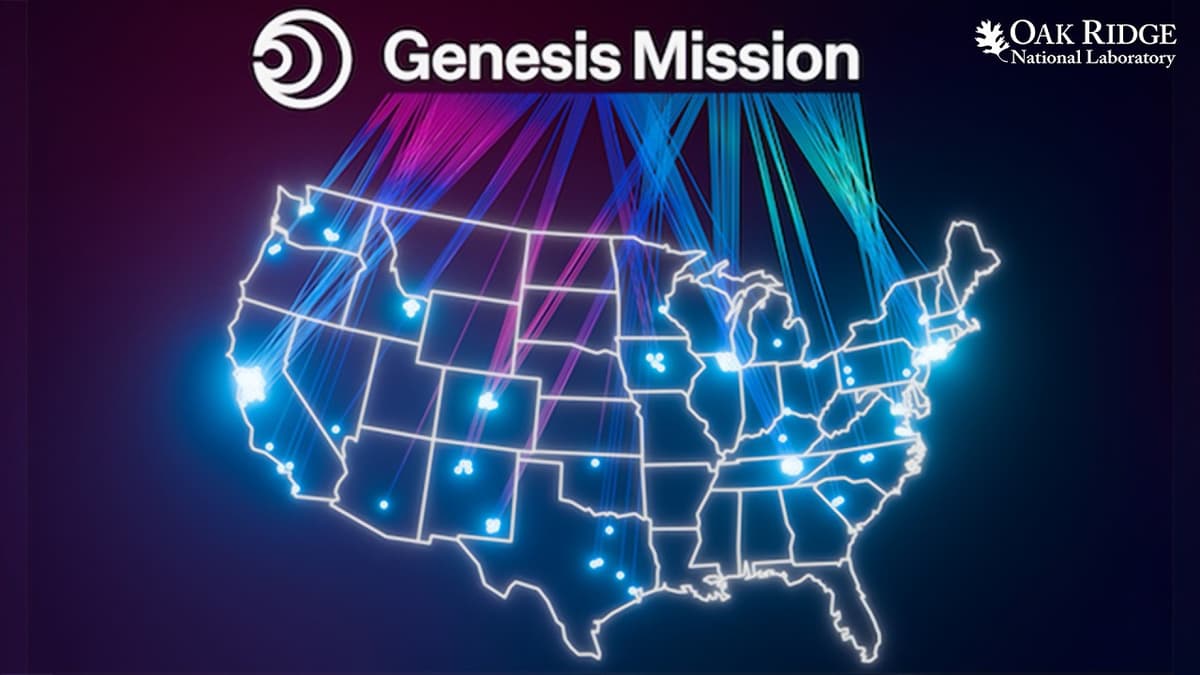
The Department of Energy’s Genesis mission unveiled the American Science Cloud (AMSAC), a unified digital infrastructure designed to interconnect the nation’s 17 DOE national laboratories. AMSAC provides a single federated sign‑on that stitches together flagship supercomputers, experimental facilities, massive data repositories...
Building the American Science Cloud for AI-Driven Discovery
The Department of Energy’s Genesis mission is unveiling the American Science Cloud, a unified digital infrastructure that stitches together the nation’s most advanced supercomputers, artificial‑intelligence systems and massive experimental data sets across all 17 DOE laboratories. At its core, the cloud...
TSAGE
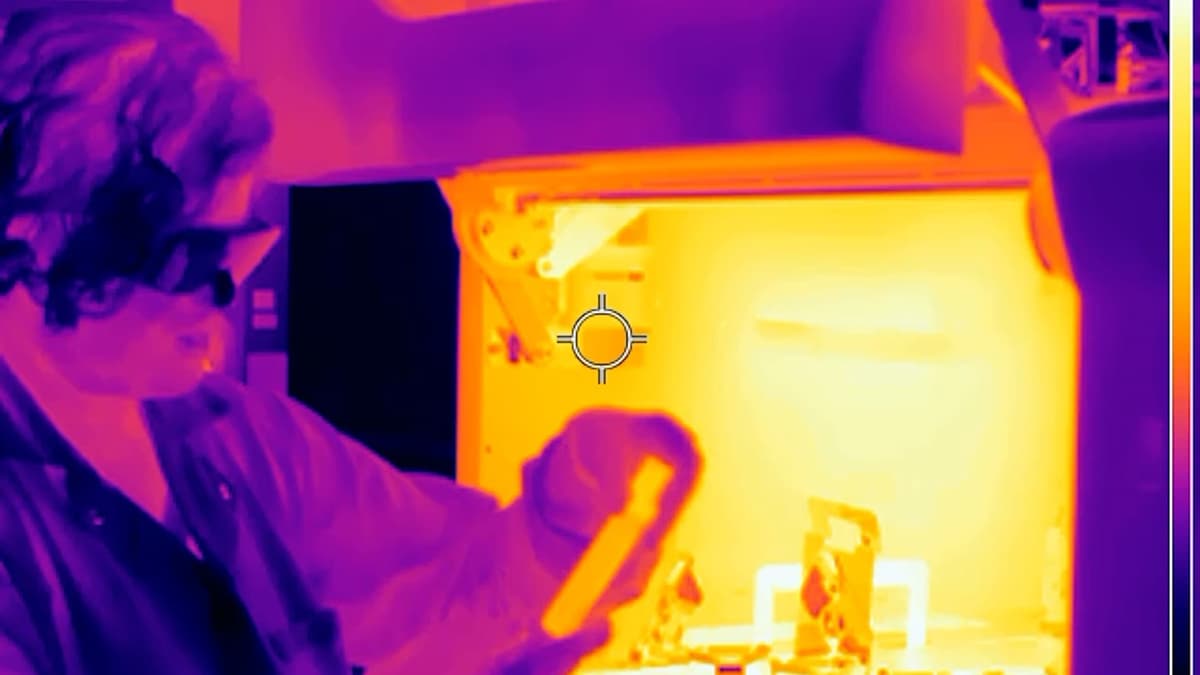
tSAGE is a biotechnological platform that extends Serine recombinase‑Assisted Genome Engineering (SAGE) to organisms thriving at elevated temperatures. By adapting the recombinase system for thermophiles, the tool lets researchers and companies engineer heat‑loving microbes far faster than traditional methods. The core...
Science Never Sleeps
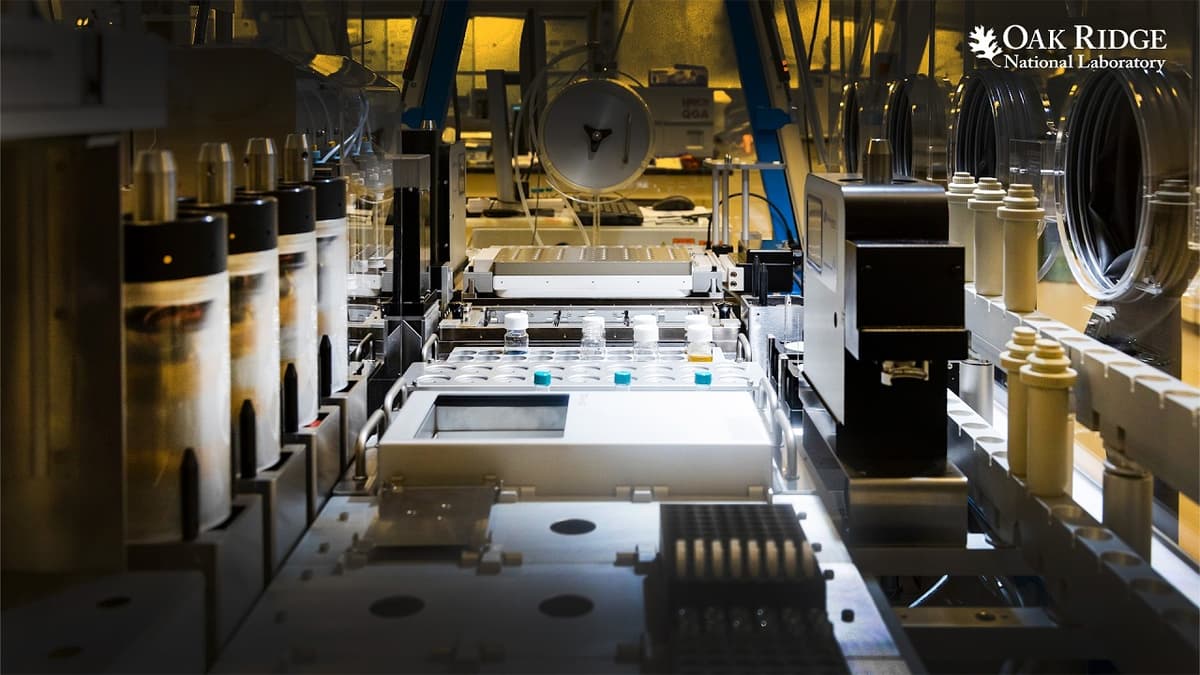
Oak Ridge National Laboratory (ORNL) unveiled an autonomous research ecosystem where artificial intelligence, advanced instrumentation, and high‑performance computing operate continuously without human presence. The self‑driving labs combine robotic synthesis, real‑time testing, and AI‑guided decision‑making to run experiments around the clock,...
Powering the Genesis Mission: How AI and Neutron Scattering Unlock Quantum Material
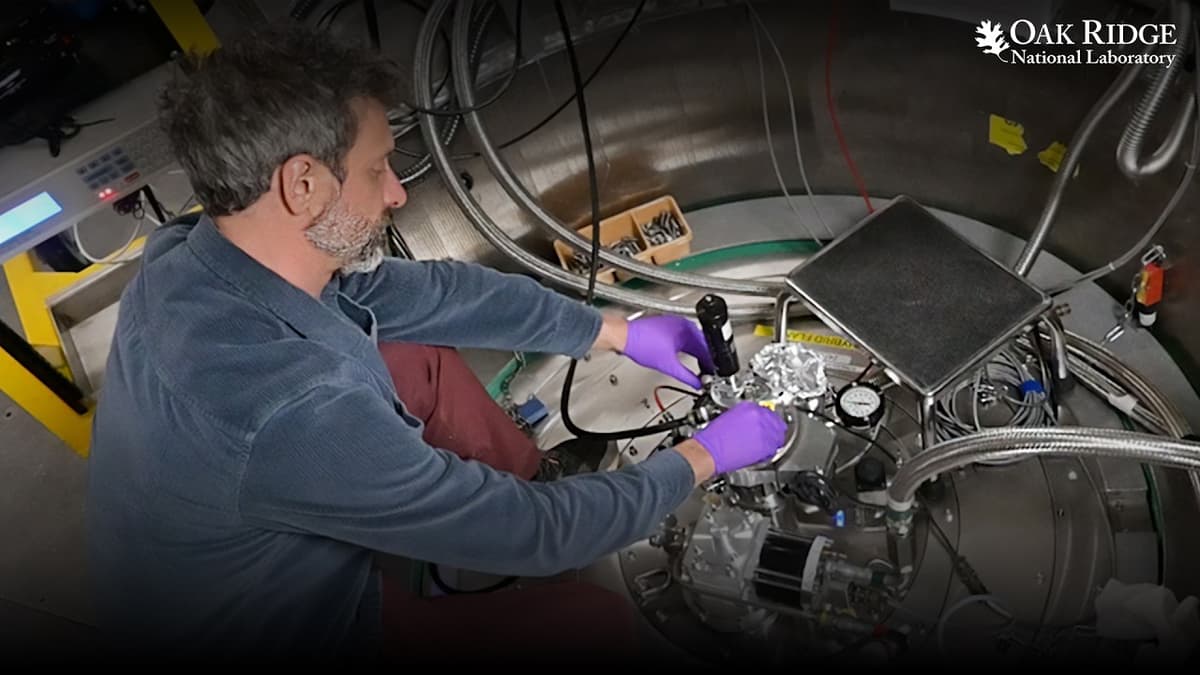
The video features Daniel Padaroski, a neutron‑scattering scientist at Oak Ridge National Laboratory, explaining how neutron scattering combined with artificial intelligence is being used to accelerate research on two‑dimensional quantum magnets under the DOE’s Genesis mission. Neutron scattering provides unparalleled sensitivity...
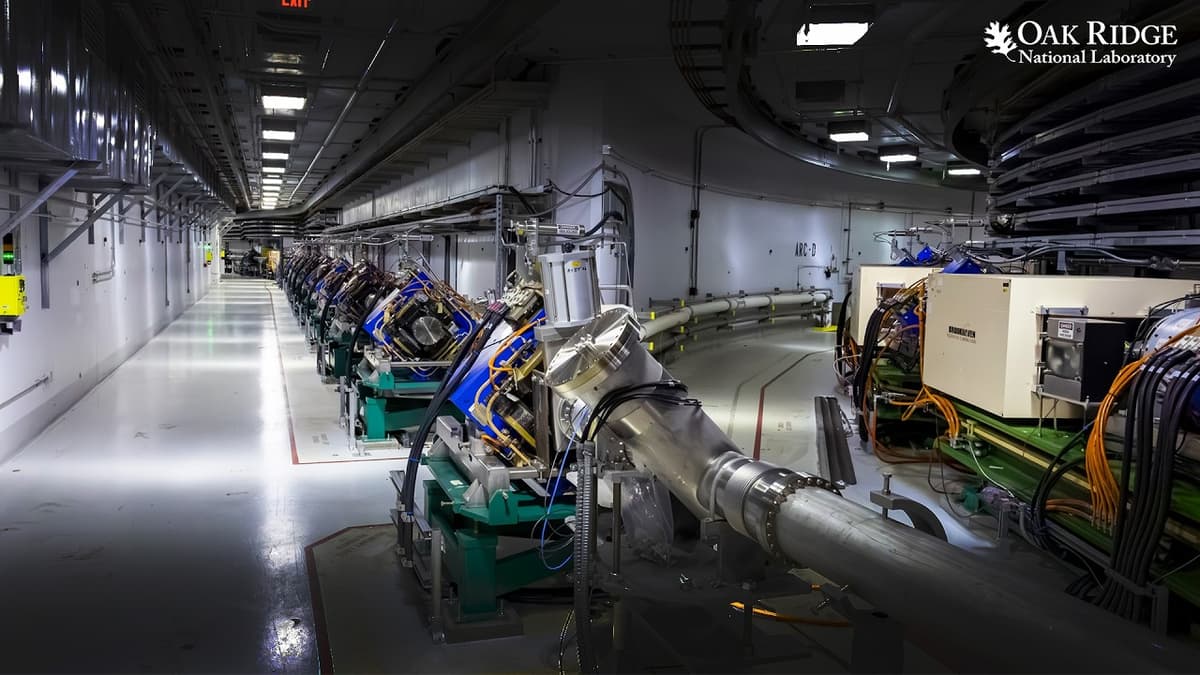
Spallation Neutron Source: Advancing Discovery Science With DOE's Genesis Mission
The video celebrates the Spallation Neutron Source’s 20‑year milestone and outlines the Department of Energy’s Genesis mission, a cross‑lab effort to build the most powerful scientific platform for material discovery, national security and energy innovation. Highlights include the commissioning of VENUS,...
How Can AI Help Unlock the Future of Fusion Energy?
The video introduces Fusion FM, a seed project under the DOE’s Genesis mission that aims to create a large‑scale AI foundation model for fusion energy research. Led by computational scientist Pa Jang at Oak Ridge National Laboratory, the effort brings together...
East Tennessee: Where the Future of Nuclear Energy Is Being Built
The video spotlights East Tennessee as the nation’s premier nuclear innovation hub, anchored by Oak Ridge National Laboratory’s historic legacy and a dense cluster of more than 150 nuclear firms. It underscores how the region’s unique blend of scientific expertise,...
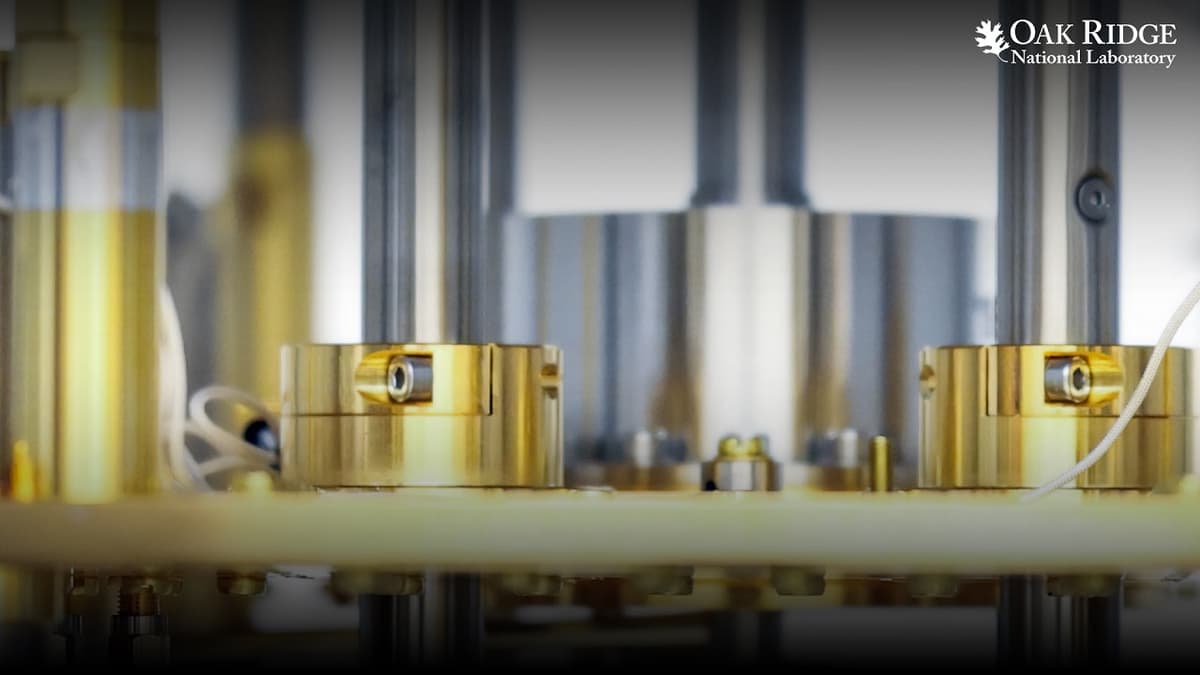
How Quantum Communications Is Connecting the Future
Quantum communications connects quantum computers and sensors using entanglement and superposition, properties that conventional internet cannot preserve. In a discussion with Joseph Chapman, a research scientist at Oak Ridge National Laboratory, the technology’s need for dedicated networking hardware and infrastructure...
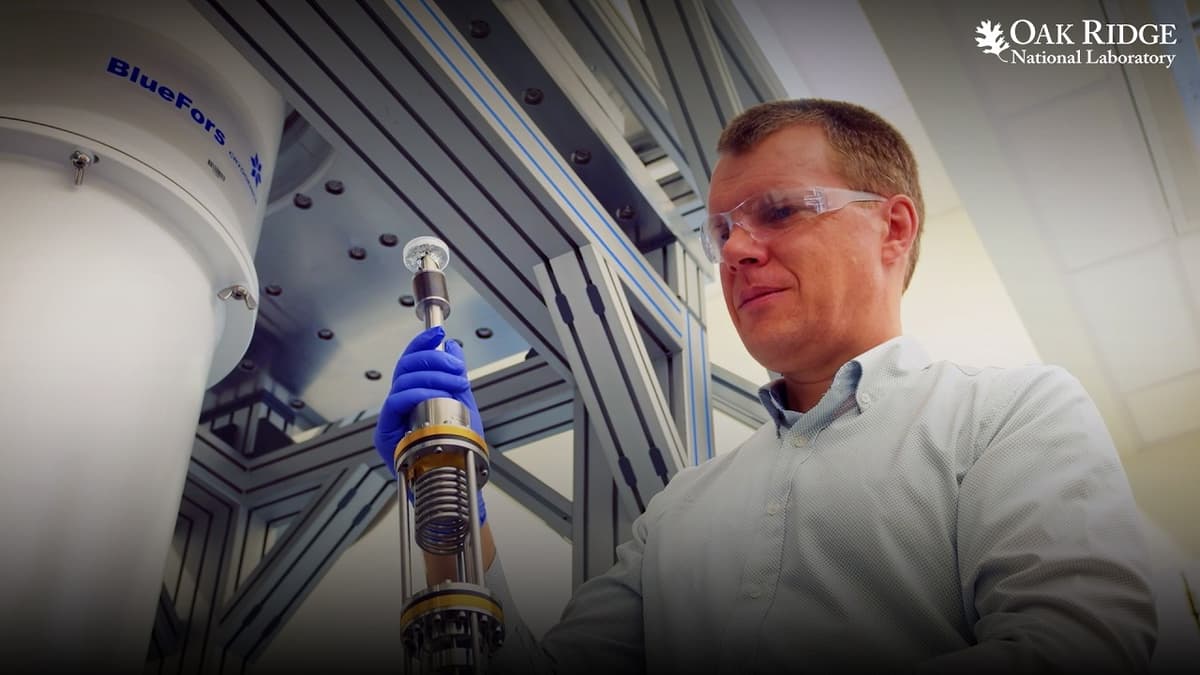
How Quantum Computers Can Help Solve some of the Most Complex Scientific Challenges
The video introduces quantum computational science, a field led by Oak Ridge National Laboratory’s Ryan Binnick, focused on harnessing quantum computers to tackle problems traditional machines cannot. He explains that quantum devices operate on fundamentally different principles and that the...

New ORNL Code Cuts Simulation Time to One Minute
The Oak Ridge National Laboratory (ORNL) team unveiled a breakthrough computational code that leverages the Frontier supercomputer to simulate additive‑manufacturing microstructures in just one minute. By re‑architecting the problem and splitting simulations across time, the researchers transformed a task that...

Advancing the Genesis Mission Through AI-Enabled Biological Discovery
The video introduces the Department of Energy’s Orchestrated Platform for Autonomous Laboratories (Opel), a cross‑lab initiative designed to accelerate AI‑enabled biological discovery and support the broader Genesis mission. Four national laboratories—Oak Ridge, Argonne, Pacific Northwest, and Lawrence Berkeley—are pooling expertise...