
Ollie Whitby | Health Scientist
Doctoral researcher studying aging; posts on longevity science and Alzheimer’s risk factors.
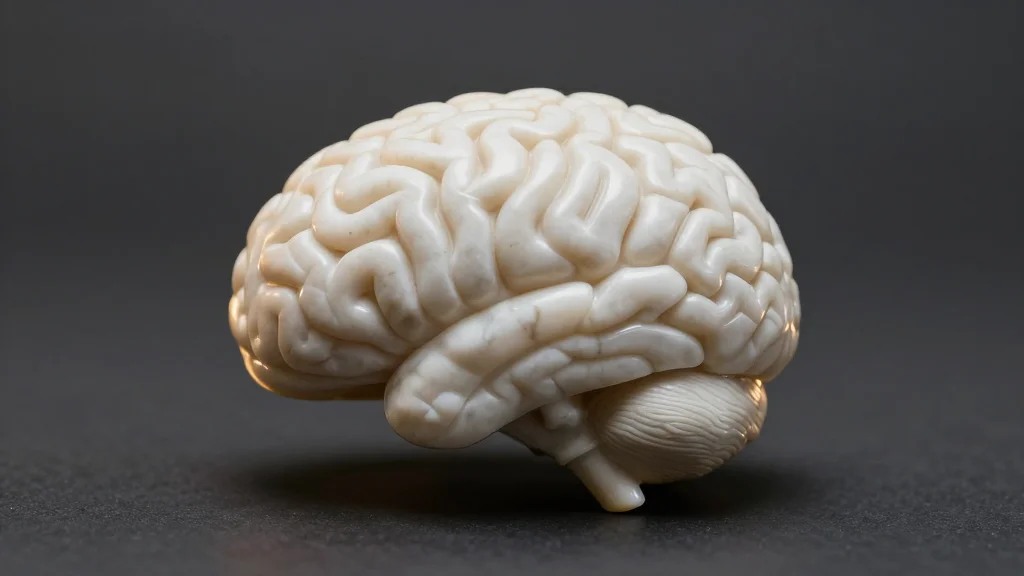
Six Key Habits to Safeguard Your Brain After 40
I’m a bioscientist studying aging & dementia prevention 🧬 If you’re 40+, these 6 habits matter most for protecting your brain 🧠↓

Racket Sports Slash Mortality, Boost Heart and Brain Health
Racket sports are linked with some of the largest reductions in all-cause mortality among common physical activities. The mix of short intense bursts, brief recovery, balance, coordination, and fast reactions is great for heart and brain health. Take this as...
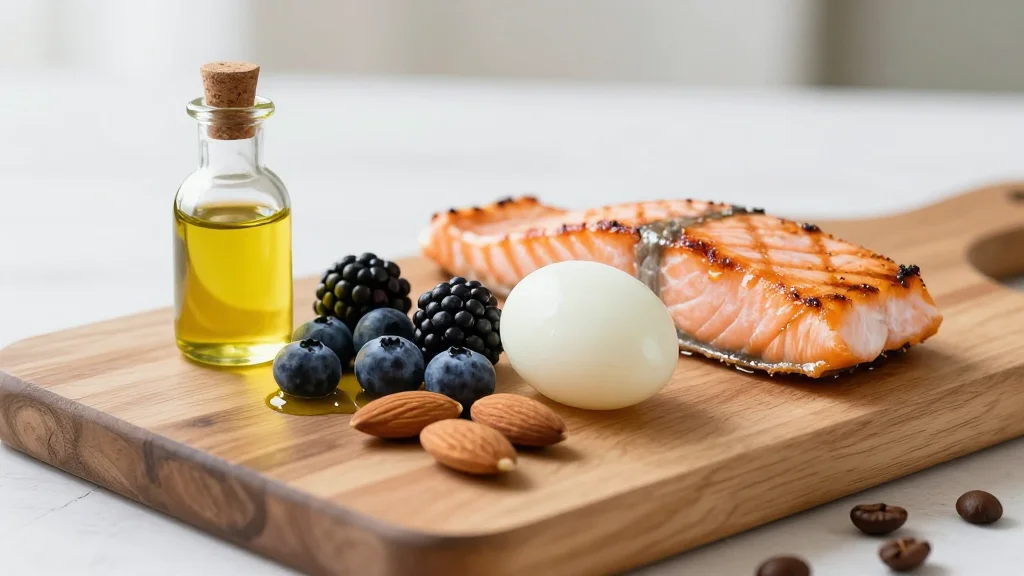
Three Key Nutrients for Brain Longevity, Plus Polyphenols
As a bioscientist studying aging, my top 3 nutrients for brain longevity are: → Omega-3s (fatty fish 2–3x/week) → Vitamin B12 (beef, dairy) → Choline (2 eggs daily) Plus plenty of polyphenol-rich foods: berries, extra virgin olive oil, cocoa, nuts, and coffee.
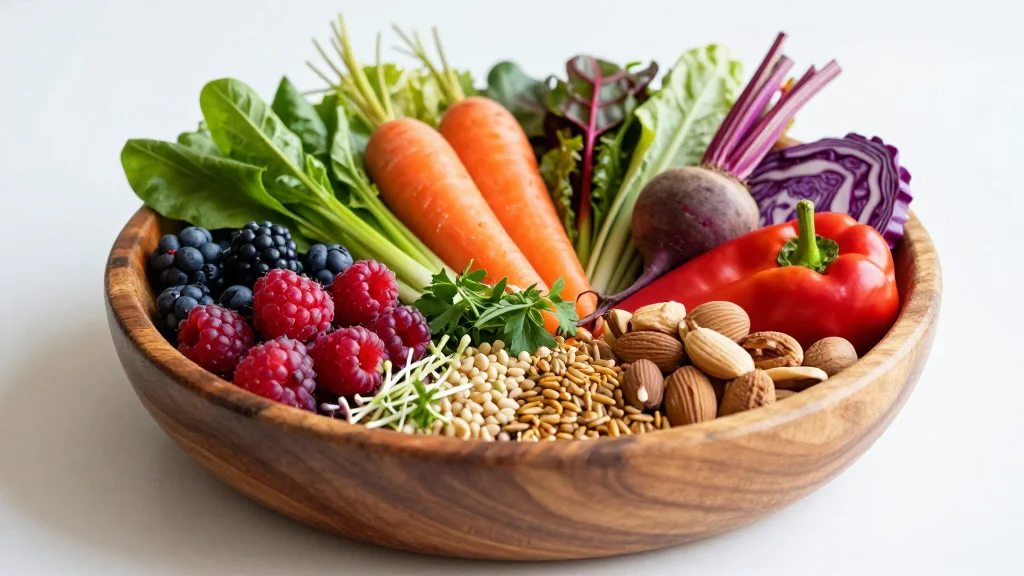
Eat 30 Plant Varieties Weekly for Microbiome Health
As a scientist studying aging, I’m fully behind the “eat 30 different plant foods per week” advice. The research linking microbiome diversity to long-term health is compelling. Fruit, veg, legumes, herbs, nuts, and seeds all count — it’s more achievable than...

Prioritize Healthspan over Chasing Immortality
As a longevity scientist, I’m not interested in helping people live forever. I’m interested in helping people avoid the long period of decline and chronic disease that has become normal in the final 10–20 years of life. Extend healthspan - and a...
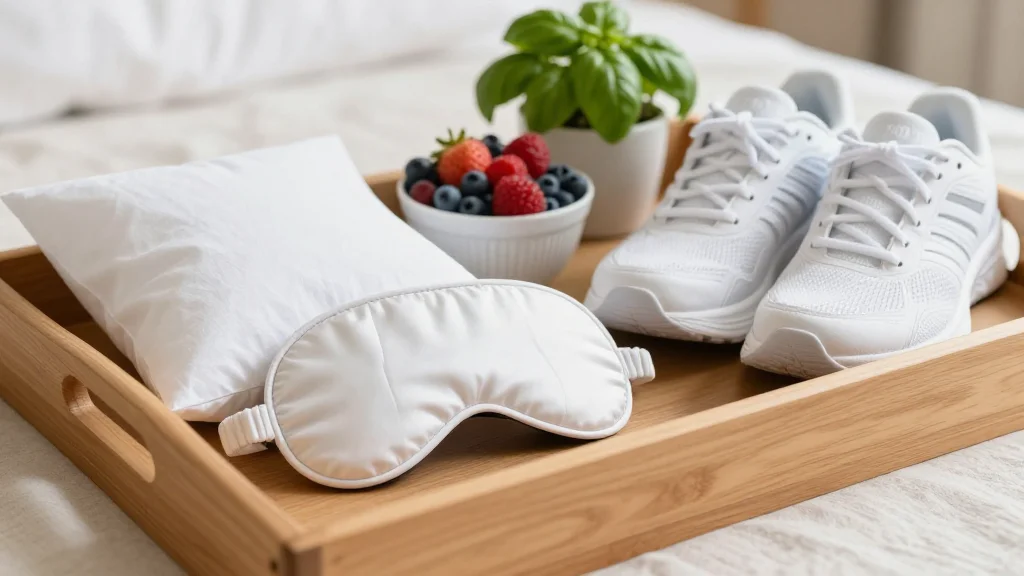
Your 40s‑50s: Crucial Years for Lifelong Health
As a longevity researcher, I can’t stress this enough: Your 40s and 50s are one of the most influential periods for shaping long-term health and age-related disease risk. The key is simply finding your version of the basics you can sustain -...

15 Bioscientist Habits to Tame Silent Inflammation
Chronic inflammation is silent — but it’s a key driver of many age-related diseases. 🧬 Here are 15 habits I prioritise as a bioscientist to keep it in check ↓
Longevity Comes From Simple Daily Habits, Not Extremes
I hate to break it to you, but the world’s longest-living people aren’t doing anything extreme. They move daily, eat mostly whole foods, sleep consistently, and have strong social connections. Boring. Effective. Evidence-based.
Consistency Over Perfection: 80% Is Enough
As a health scientist, I’m giving you permission to stop optimising. “Good enough” is where most of the benefits come from. Get your sleep, diet, and movement routines right 80% of the time. That foundation alone puts you ahead of most people. Consistency beats...
Simple Daily Habits Yield Big Long-Term Health Gains
Simple habits, big return for long-term health: → Morning sunlight (10 mins) → 10-minute walks after meals → Lift twice a week → Consistent sleep timing → 7,000 steps daily Accessible. Evidence-based. Effective.
Basic Sleep, Exercise, Nutrition Trump Extreme Longevity Hacks
After almost a decade studying the biology of aging, I hate to break it to you: Consistency with the basics — sleep, movement, and nutrition — outperforms most extreme protocols when it comes to longevity.
Four Essential Weekly Movements for Longevity
As a bioscientist studying aging, these are 4 types of movement I try to include each week: 👉 Walking 👉 Strength training 👉 Higher-intensity cardio 👉 Mobility work
10 Daily Habits to Dodge Aging, Backed by Science
I’ve spent 8 years studying the biology of aging. 🧬 Here are 10 things I avoid every day ↓

Control Low-Grade Inflammation to Cut Aging Disease Risk
Chronic, low-grade inflammation helps create an internal environment where many of the major diseases of aging are more likely to develop. Manage it well, and you can lower your risk across the board.

Sleep Hacks: 5 Science-Backed Ways to Boost Rest
Diet and exercise get all the attention. But poor sleep can blunt the benefits of both. Here are 5 research-supported habits that transformed my sleep quality ↓

Stop Losing Muscle: Start Resistance Training Now
We start losing muscle from our 30s — and by our 70s, 30–40% can be lost if we don’t actively maintain it. Resistance training is the most effective way to counter this — yet most adults aren’t doing it consistently. I’m on...
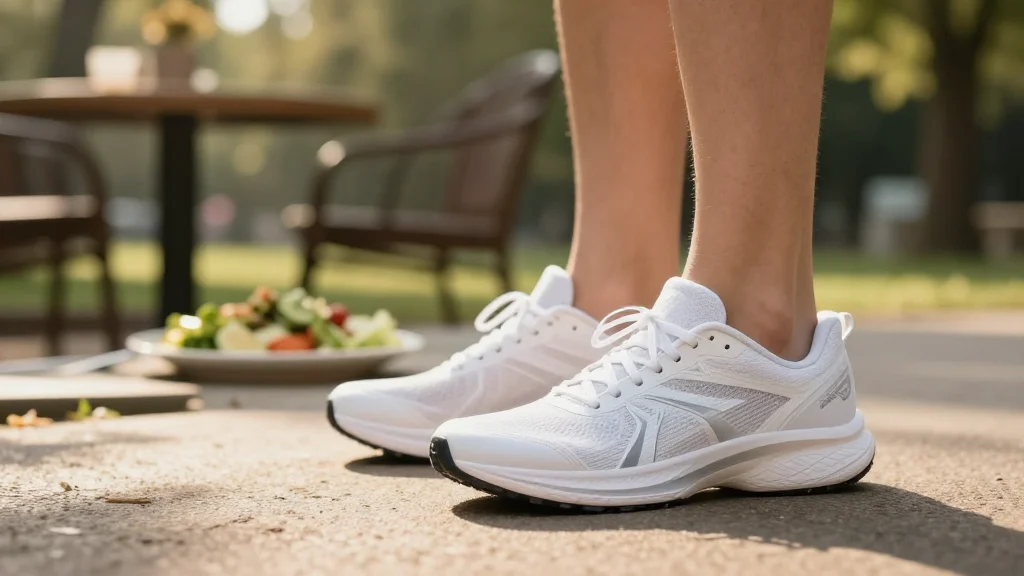
Walk After Meals to Slash Post‑meal Blood Sugar
An underrated habit for longevity? Walking after meals. Blood sugar control is fundamental to healthy aging. Contracting your muscles helps shuttle glucose into them and can reduce the post-meal rise by 20-30%. Just 10-15 minutes is enough. Small habit. Big metabolic return.
Key Aging Factors That Matter After 40
I’m a bioscientist studying aging. 🧬 If you’re 40+, this is what actually matters ↓

Sleep Powers Brain's Waste Removal, Preventing Alzheimer Risk
Human biology fact: during sleep, your brain’s waste clearance system — the glymphatic system — becomes more active. Poor sleep is linked to greater build-up of metabolic waste, including amyloid (associated with Alzheimer’s disease), over time. Sleep isn’t optional. It’s...

Prioritize Sleep, Movement, Nutrition Over Fancy Biohacks
Speaking as a scientist in the longevity space: Too many people “major in the minors” when it comes to health. They obsess over biohacks — cold plunges, supplement stacks, red light panels — and neglect the fundamentals that drive most...
Your 70‑year Health Hinges on 30‑50 Habits
I’m a scientist studying the biology of aging. I focus my research on people in their 30s–50s because this is when lifestyle habits begin to compound and shape long-term health trajectories. Good health at 70 starts decades earlier.

33 Simple
I’ve spent the last decade studying the biology of aging. 🧬 Here are the 33 simple principles for healthy aging that consistently show up in the research ↓
Alzheimer’s Begins in Your 30s, Not Just Old Age
I’m a doctoral researcher studying aging, and I wish more people realised this: Alzheimer’s isn’t a disease of old age. It often begins developing decades earlier — as early as your 30s and 40s — and only manifests later in life.

Longevity Thrives on Simple, Sustainable Habits, Not Extremes
After 8 years in biological research, one thing is clear: The healthiest agers aren’t doing anything extreme. They’ve simply found a version of the basics they can sustain.

Consistent Sleep Schedule Beats Hours for Brain Health
Sleep timing regularity may be just as (if not more) important than total hours. Irregular sleep–wake times (even 1–2 hour shifts) are linked to: → Poorer cognitive performance → Higher inflammation & blood pressure → Increased risk of cardiovascular & neurodegenerative disease Your brain’s “master...