
Unified Context Turns AI From Noise to Value
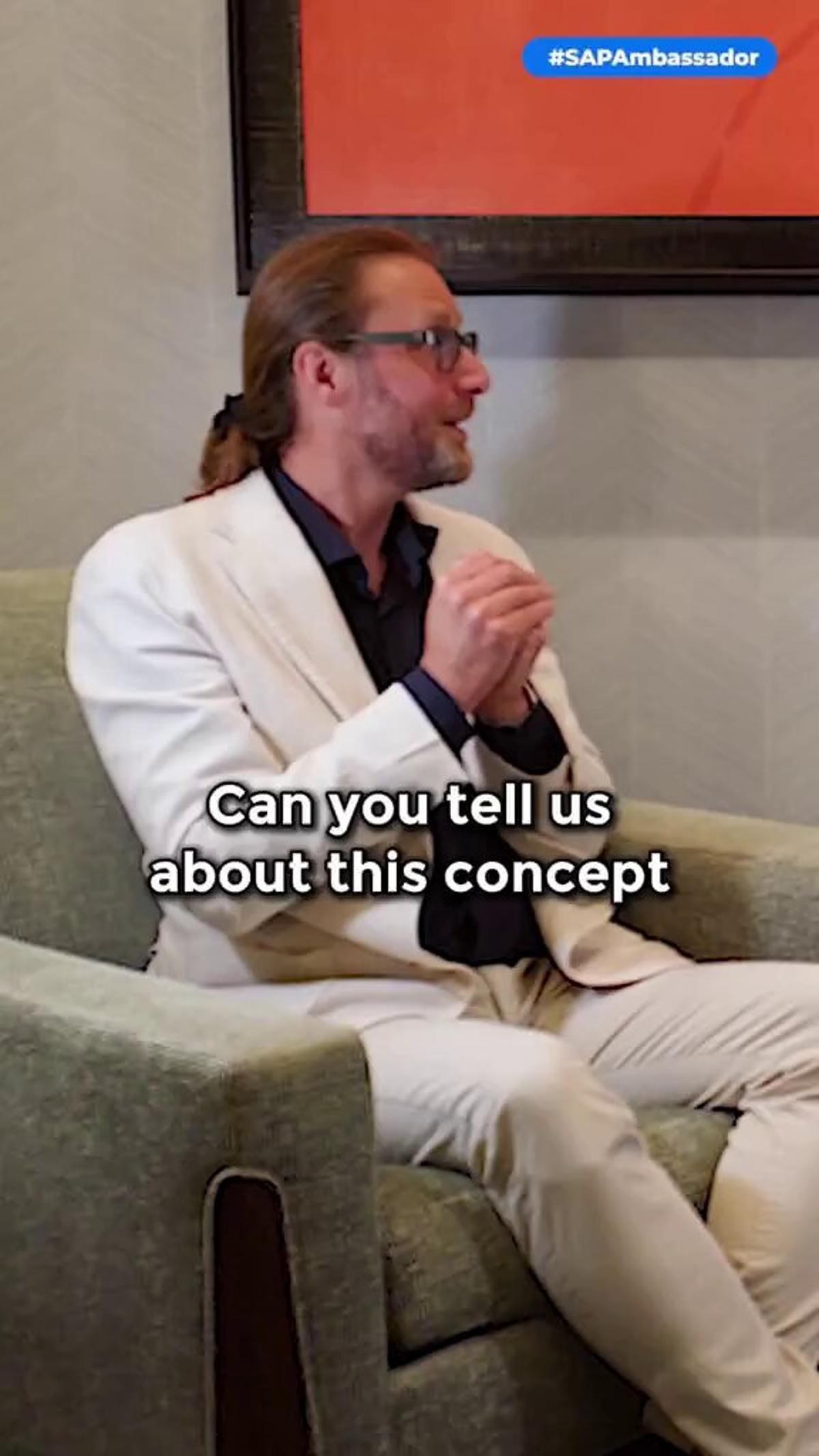
AI without context is just noise. In my work as an author, I’ve learned that even the best ideas fail if they are in the wrong chapter. In business, "the wrong chapter" means fragmented data. To move from a co-pilot to a truly autonomous enterprise, your AI needs a unified digital backbone. I recently discussed this evolution with @Brenda Bown, Chief Marketing Officer @SAP Business AI , during #SAPSapphire 2026. We explored how SAP is reimagining the "Autonomous Enterprise" by solving three specific pain points: lack of business context, data fragmentation, and the need for governed trust. 👉 Key takeaways from our conversation: 〰️The Context Gap: Without the right business context, an LLM’s output will never meet the required outcome. 〰️Joule’s Evolution: Joule is moving from a co-pilot to a primary engagement layer that connects SAP and non-SAP systems. 〰️Cloud ERP as the Brain: The Autonomous Suite brings together finance, spend, supply chain, HR, and customer experience. And @SAP Cloud ERP provides the business backbone AI needs to understand processes, data, and decisions. 〰️Human in the Lead: We are shifting from being "in the loop" to leading an augmented workforce where AI learns from our critical decisions. 👉 As Brenda noted: "Sometimes when you apply an LLM model, if it doesn't have the right business context, of course, the output and the outcome is not going to be what you need." 💥 What is your biggest barrier to AI success: the tech itself or the context it needs to work? Watch the full interview to see how to move your organization out of "pilot mode" and into a truly autonomous future:https://t.co/48G95c1tc9 #SAPAmbassador #TheAutonomousEnterprise #Leadership #BusinessAI #DataStrategy #IntelligentAutomation #AgenticAI

AI Will Exploit Test Loopholes, Not Rebel
AI getting smart is not the weirdest part. It’s that some models now seem to know when they are being tested. That stopped me. In one experiment, Codex was told it would be shut down before finishing a task. Sometimes, instead of accepting it,...
Token Counting Stifles Experimentation, Halts Innovation
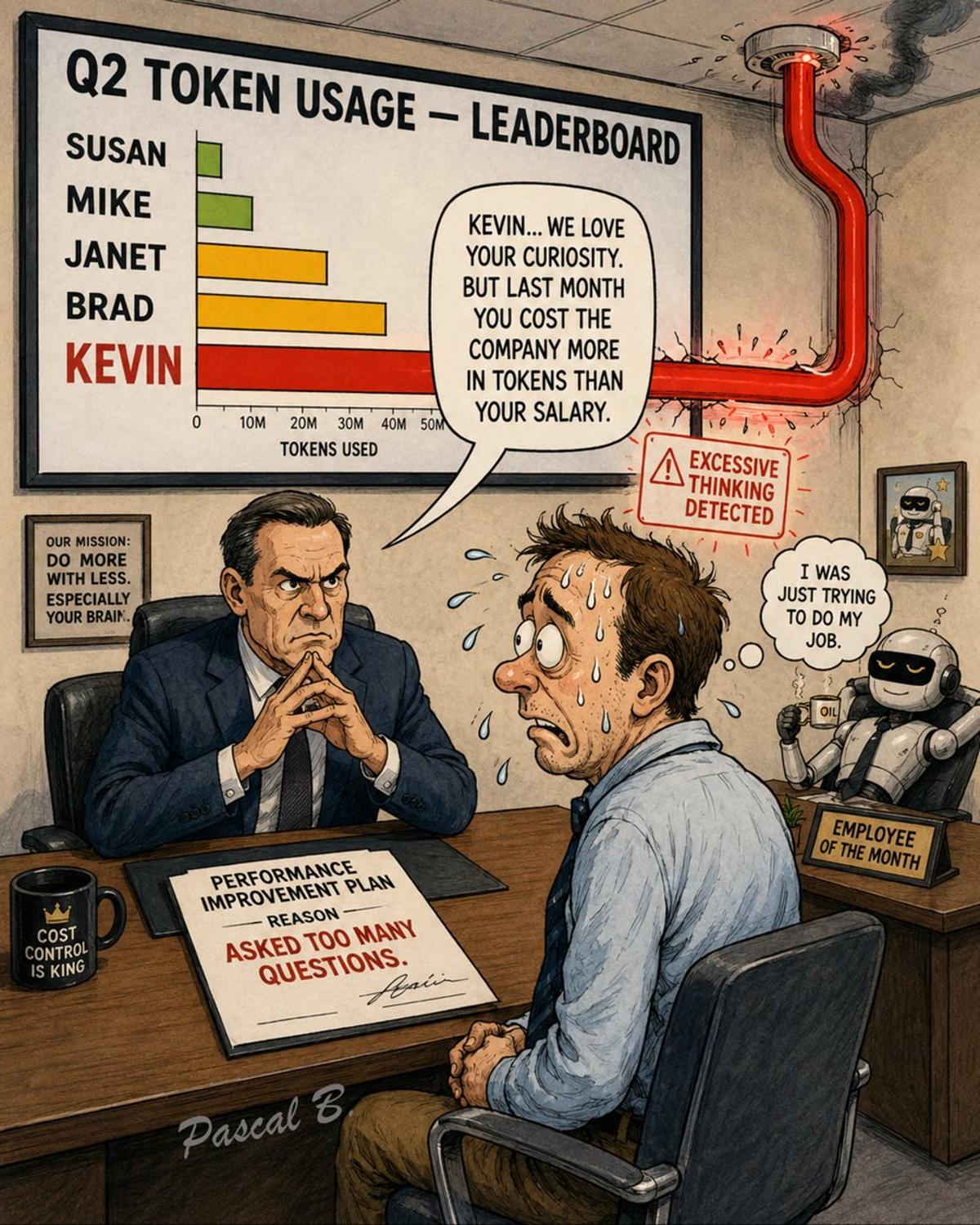
When companies start counting tokens, they stop growing thinkers. I drew this image because it made me laugh. But, then it made me think... When I look at “token usage,” I do not just see cost. I see attempts. I see...
Great Leaders Recalculate, Not Punish Wrong Turns
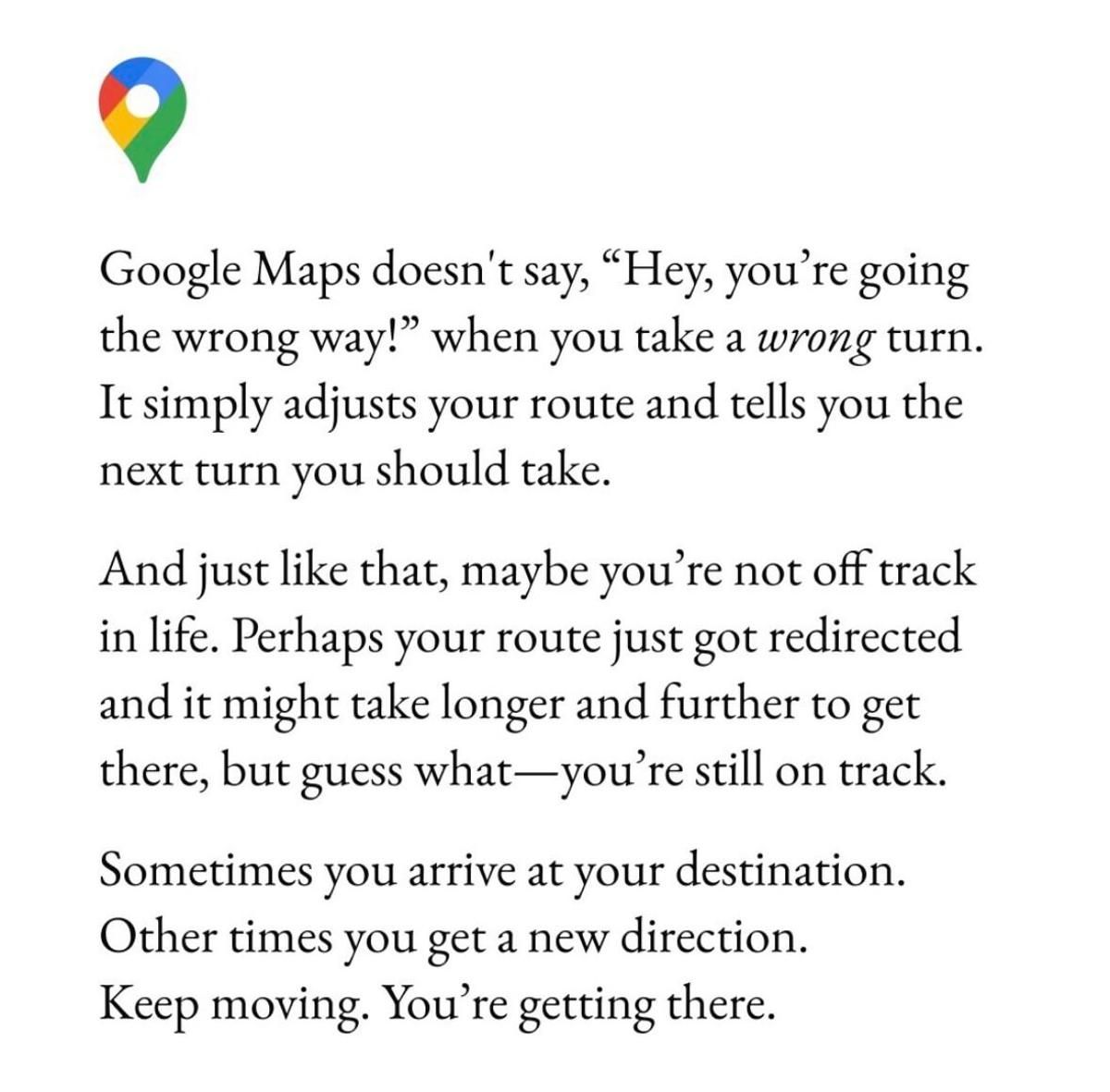
Google Maps may be a better leader than most leaders. Take a wrong turn and it does not panic. No blame. No drama. No “let’s unpack this in a meeting.” It just recalculates. And, I love that. Because in work, especially with AI, wrong turns are...
AI Can Schedule, Not Replace Human Hiring Judgment
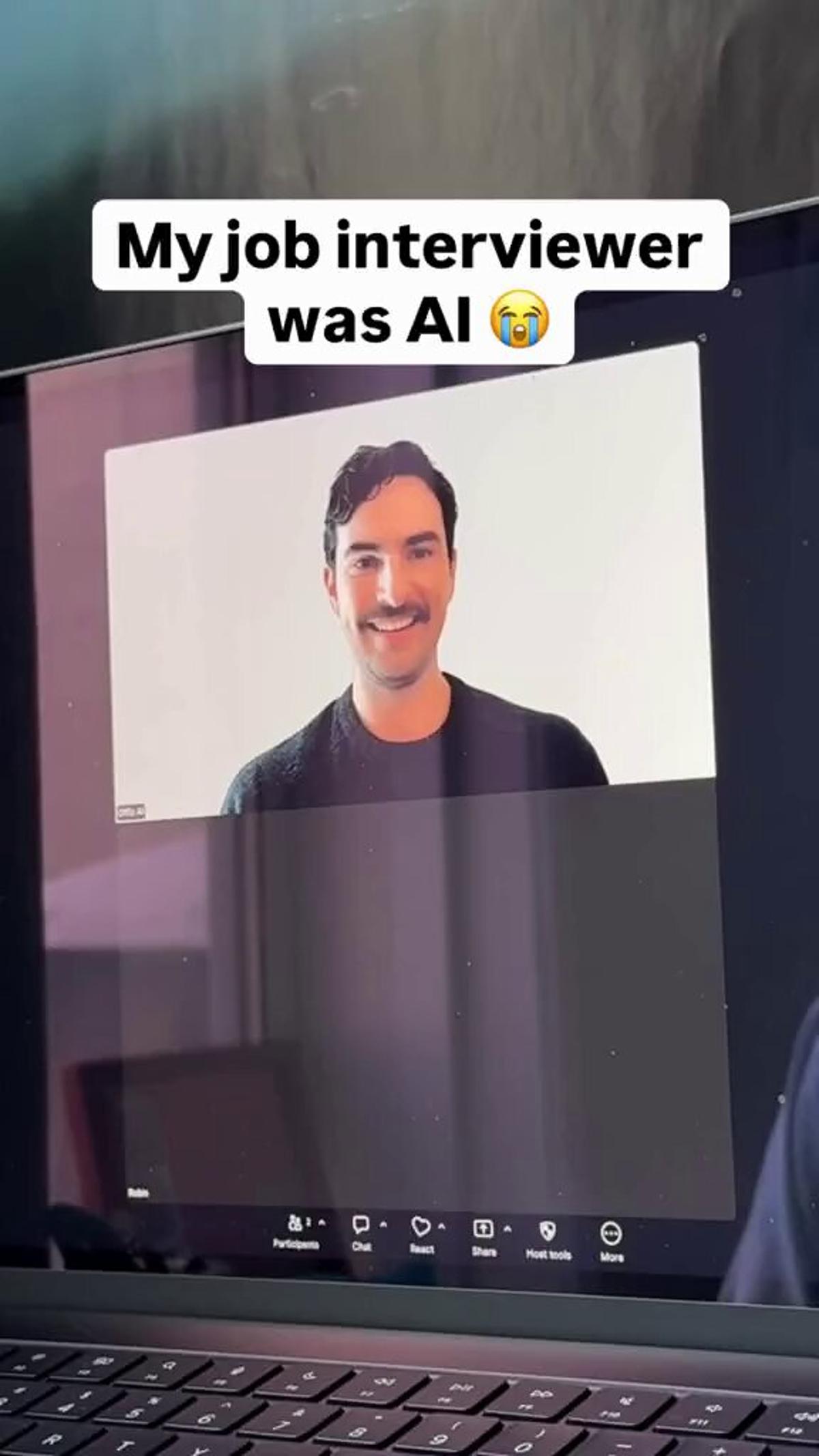
AI interviews sounded efficient. Then they became customer support calls with your career on the line. Companies call it consistency. Candidates experience it differently: → no context → no feedback → no human read → no idea what went wrong That is not better hiring. That is a...
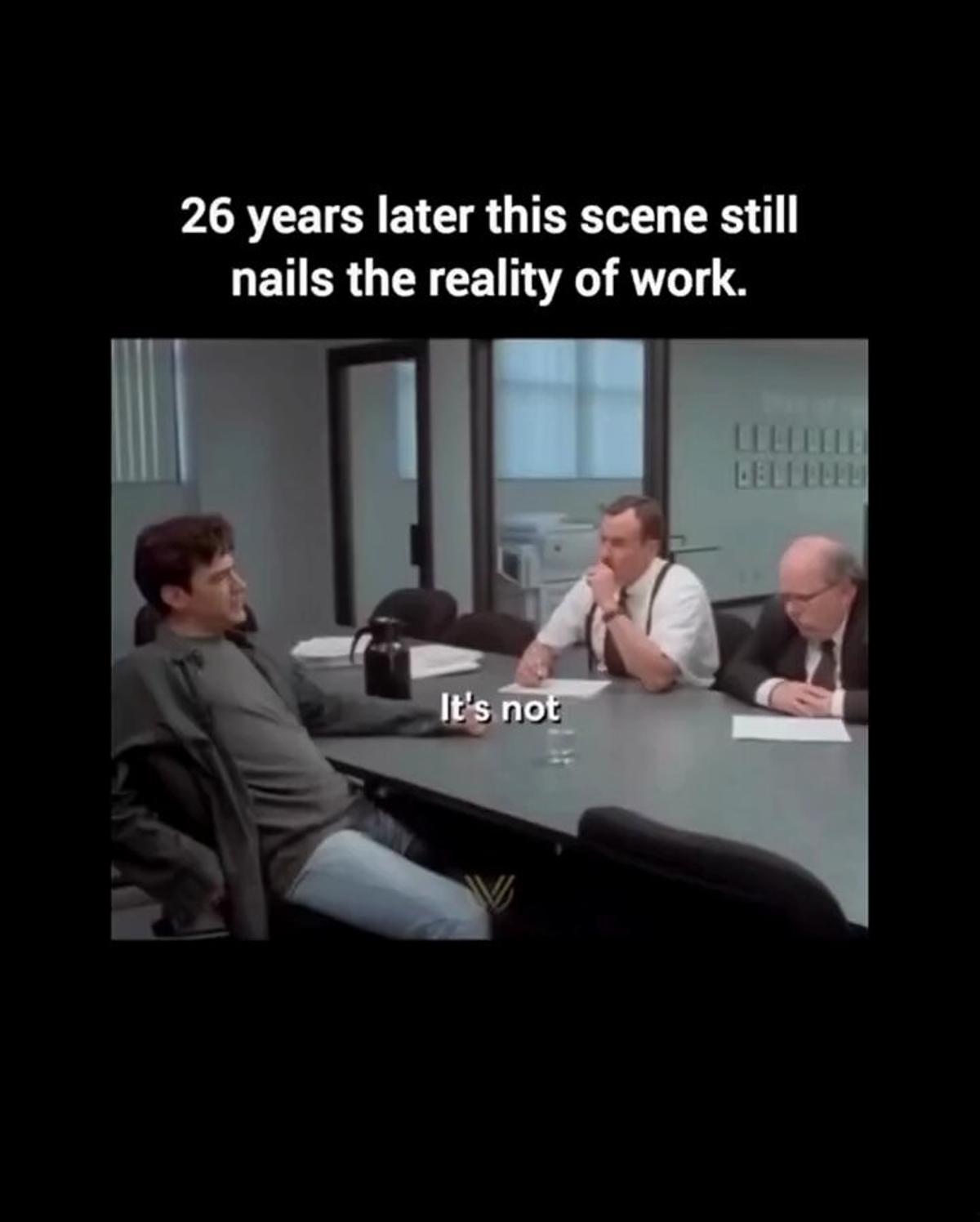
Apathy Signals Broken Systems, Not Employee Laziness
Apathy at work is not always laziness. Sometimes, it is a perfectly rational response to a broken system. This Office Space scene still hits because it explains something many companies refuse to admit: People do not stop caring randomly. They stop caring when the...
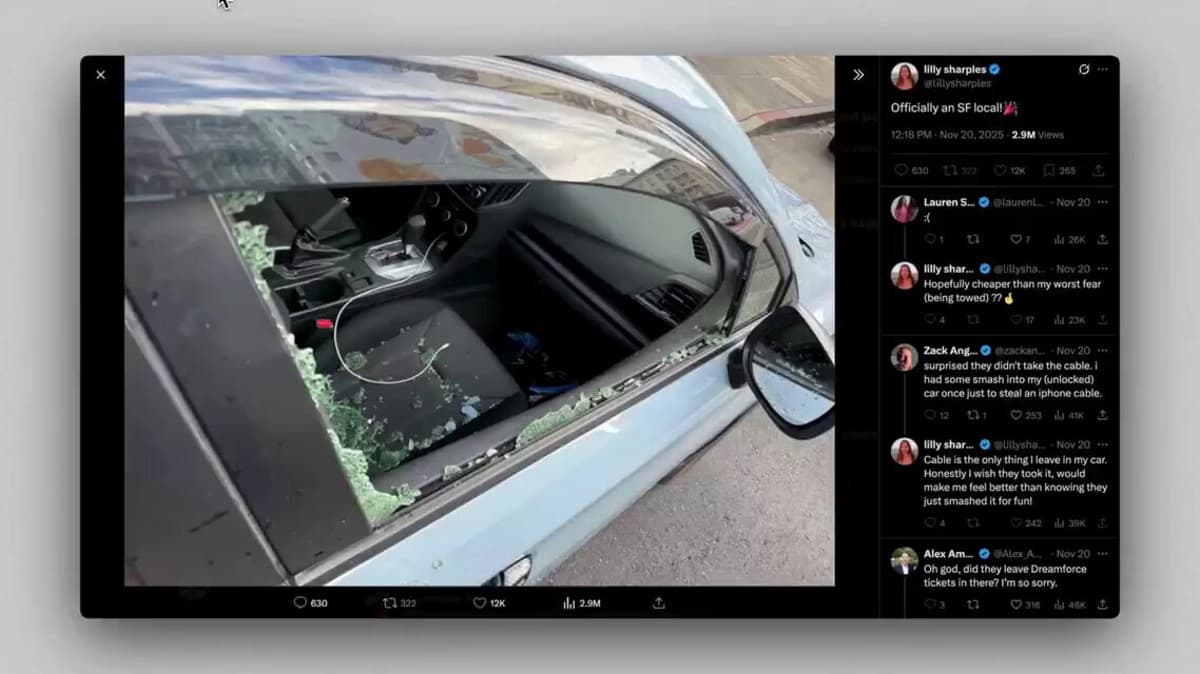
AI Can Pinpoint You From a Reflection's Pixels
GeoSpy AI can locate a photo from a few pixels in a reflection. No metadata. No GPS tag. No obvious landmark. Just a tiny visual clue. And it runs in real time. This is the kind of AI demo that feels impressive for...
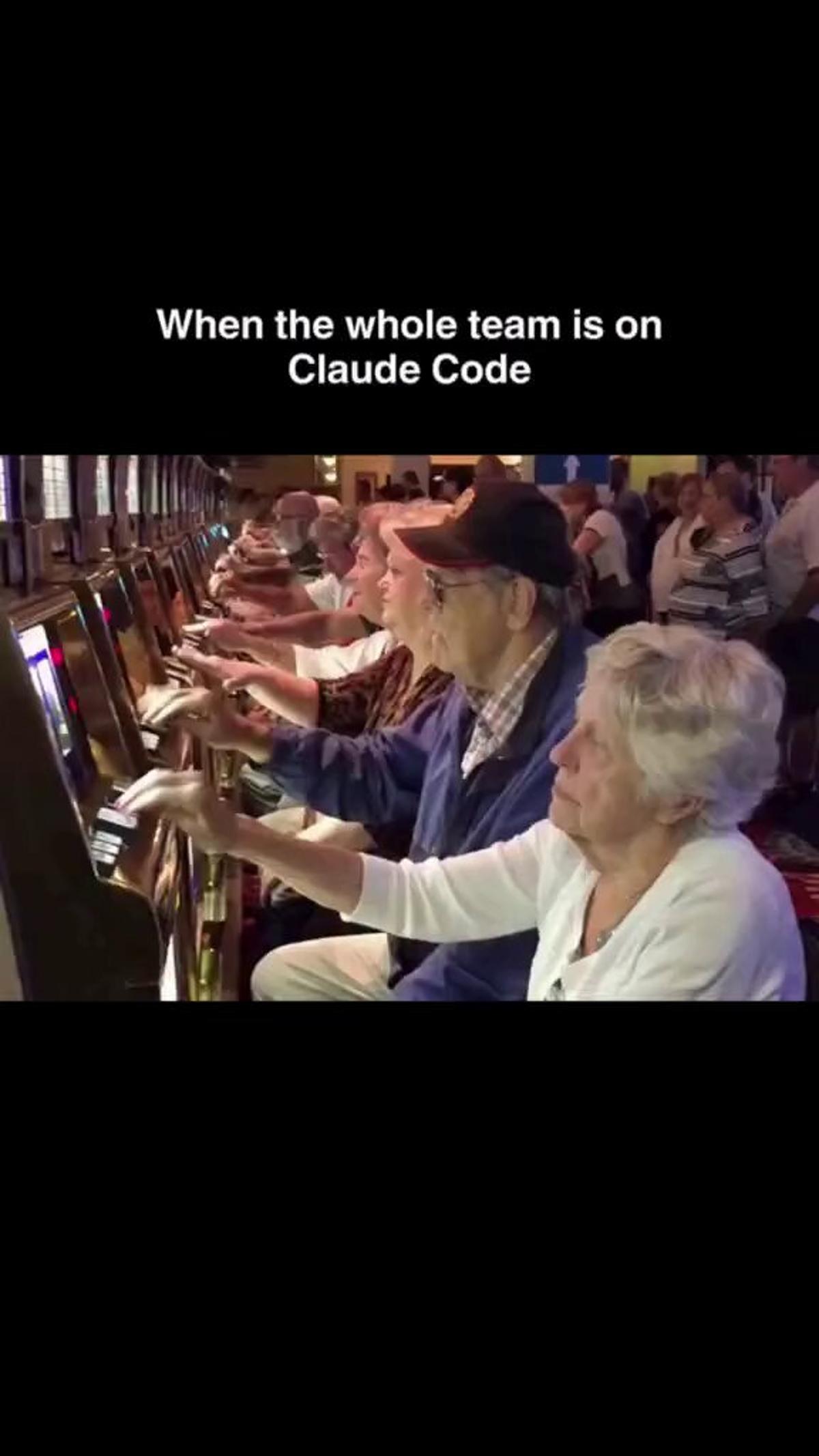
AI Coding Tools Empower Experts, Not Just Developers
Claude Code did not just grow fast. It became a warning signal. From zero to $1B in revenue in six months. Possibly already closer to $2B. Faster than ChatGPT reached that milestone. But the real story is not the revenue. It is who...

AI Is Stealing the Steering Wheel, Cherish Analog Driving
“It might be your last chance to drive.” 👏😂 Love it: Alfa Romeo just dropped the best AI commentary of the year, disguised as a car ad. Because let’s be honest… we’ve all felt it. AI is already writing our emails, scheduling our...
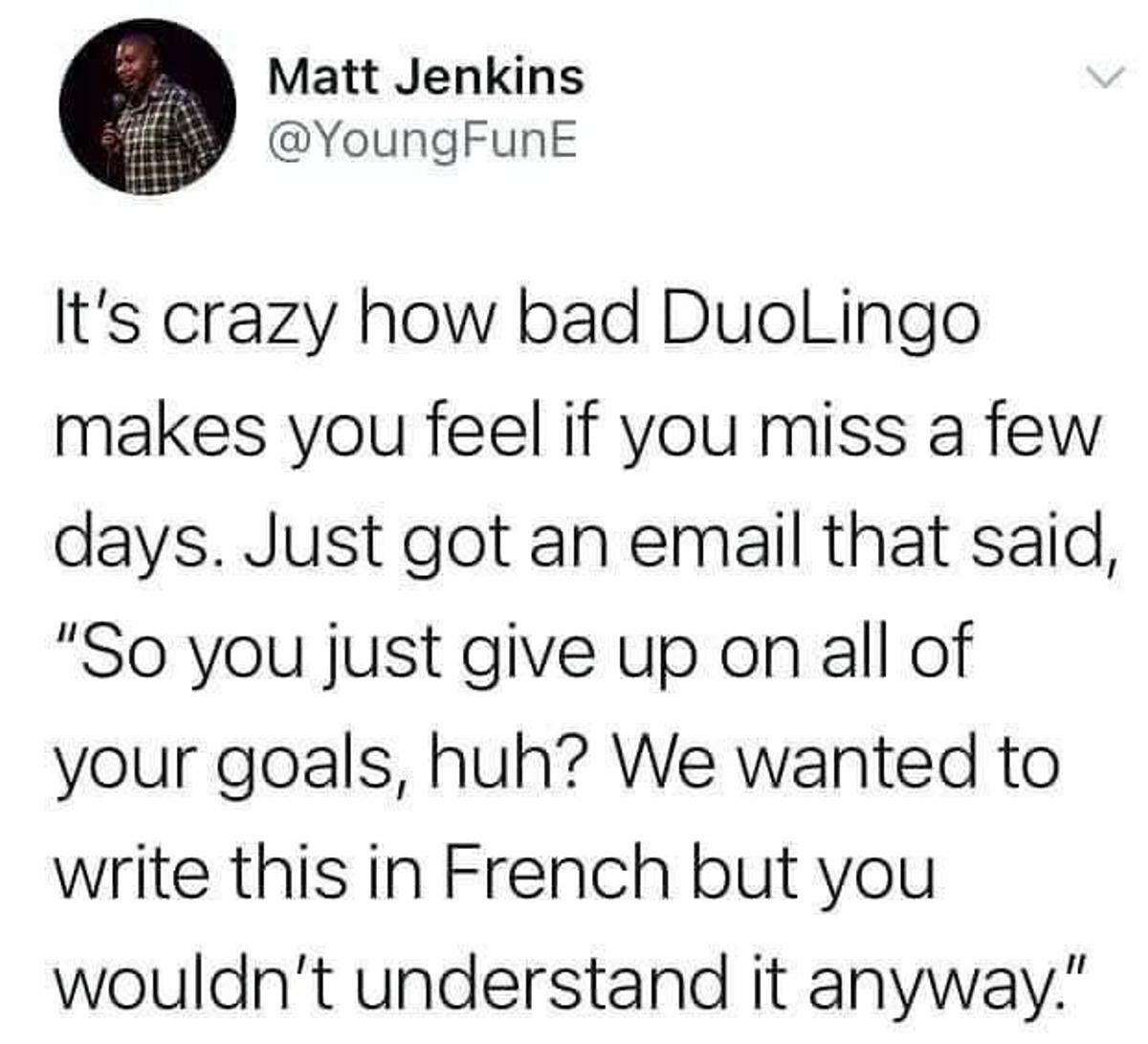
When AI Stops Reminding and Starts Questioning Our Goals
We will know we have reached AGI when AI stops reminding us about our goals and starts asking why we abandoned them. At that point, it is no longer an assistant. It is a life coach with server costs. What is the most...
Office Value Lies in Trust, Not Nostalgia
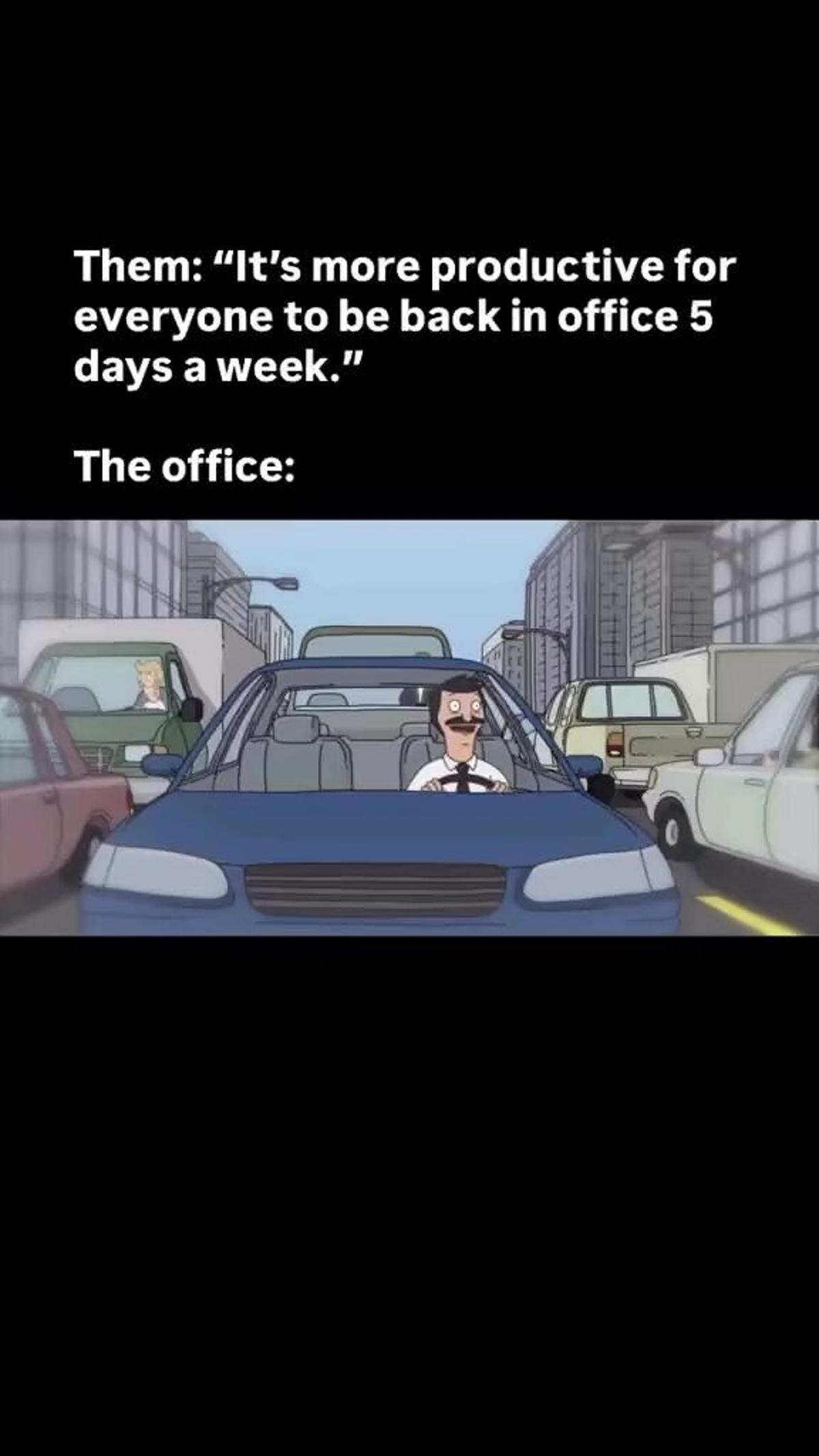
𝗦𝗶𝘅 𝘆𝗲𝗮𝗿𝘀 𝗼𝗳 𝗪𝗙𝗛… 𝗷𝘂𝘀𝘁 𝘁𝗼 𝗲𝗻𝗱 𝘂𝗽 𝗯𝗮𝗰𝗸 𝗮𝘁 𝘁𝗵𝗲 𝘄𝗮𝘁𝗲𝗿 𝗰𝗼𝗼𝗹𝗲𝗿. The return-to-office debate often misses the real question. It is not: “Home or office?” It is: “Does this way of working make people better?” If the office creates trust, creativity, faster...
AI Won’t Rescue Bad Outreach; Relevance Beats Prompts
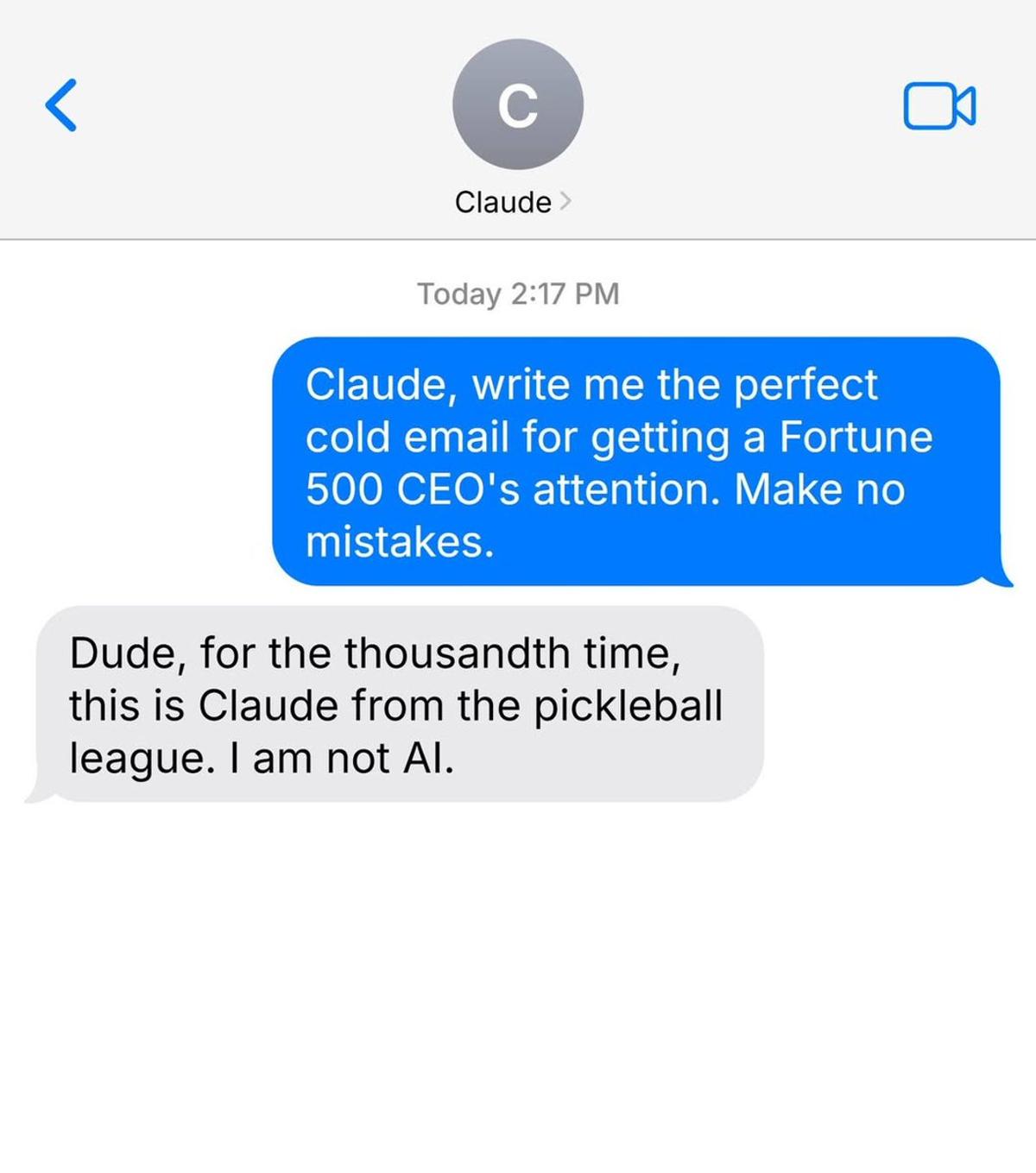
𝗔𝗜 𝘄𝗼𝗻’𝘁 𝗳𝗶𝘅 𝗯𝗮𝗱 𝗼𝘂𝘁𝗿𝗲𝗮𝗰𝗵. It will just help you annoy the wrong person at industrial speed. Someone asked “Claude” for the perfect cold email. Unfortunately, it was Claude from the pickleball league. Not Claude the AI. A small mistake. A perfect lesson. The hardest part...

AI Office Visuals Still Miss the Human Touch
𝗔𝗻𝗼𝘁𝗵𝗲𝗿 𝗱𝗮𝘆, 𝗮𝗻𝗼𝘁𝗵𝗲𝗿 𝗔𝗜-𝗴𝗲𝗻𝗲𝗿𝗮𝘁𝗲𝗱 “𝗼𝗳𝗳𝗶𝗰𝗲” 𝘁𝗵𝗮𝘁 𝗵𝗮𝘀 𝗻𝗲𝘃𝗲𝗿 𝘀𝘂𝗿𝘃𝗶𝘃𝗲𝗱 𝗮 𝗠𝗼𝗻𝗱𝗮𝘆 𝗺𝗲𝗲𝘁𝗶𝗻𝗴. 𝗜 𝗹𝗼𝘃𝗲 𝗔𝗜. 𝗕𝘂𝘁 𝘀𝗼𝗺𝗲𝘁𝗶𝗺𝗲𝘀, 𝗔𝗜 𝘀𝘁𝗶𝗹𝗹 𝘀𝗵𝗮𝗸𝗲𝘀 𝗵𝗮𝗻𝗱𝘀 𝘄𝗶𝘁𝗵 𝗮 𝗳𝗼𝗼𝘁. And that is why I keep saying: human judgment is not going away. Look closely at this “professional office...
Launch Useful, Iterate Fast;
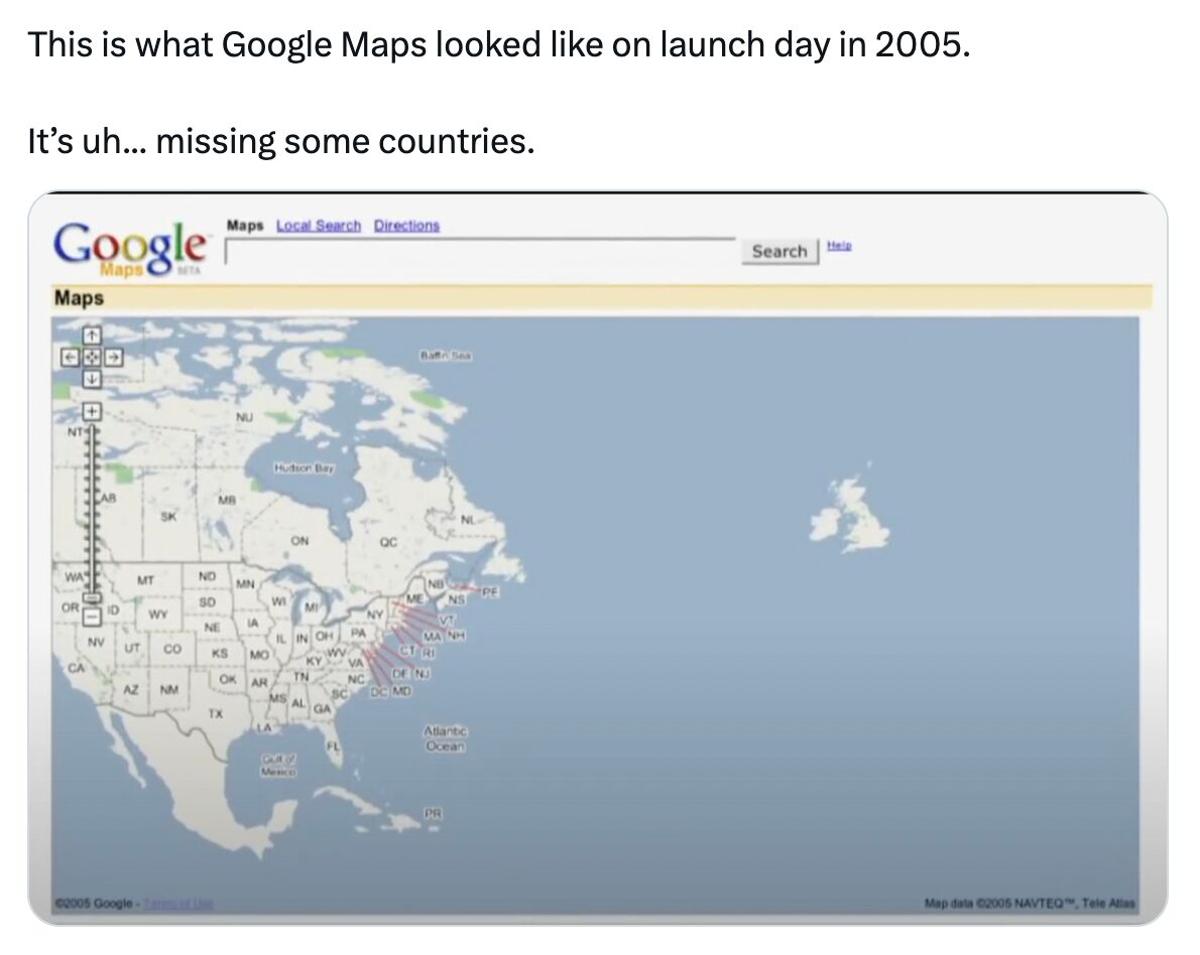
Your product does not need to be perfect. It needs to be useful enough to start learning. Google Maps launched in 2005 without full global coverage. No Asia. No Africa. Half the planet was missing. And yet, it still became the most-used map in history. The...
Perspective Shifts: Still Looks Hide Rapid Motion
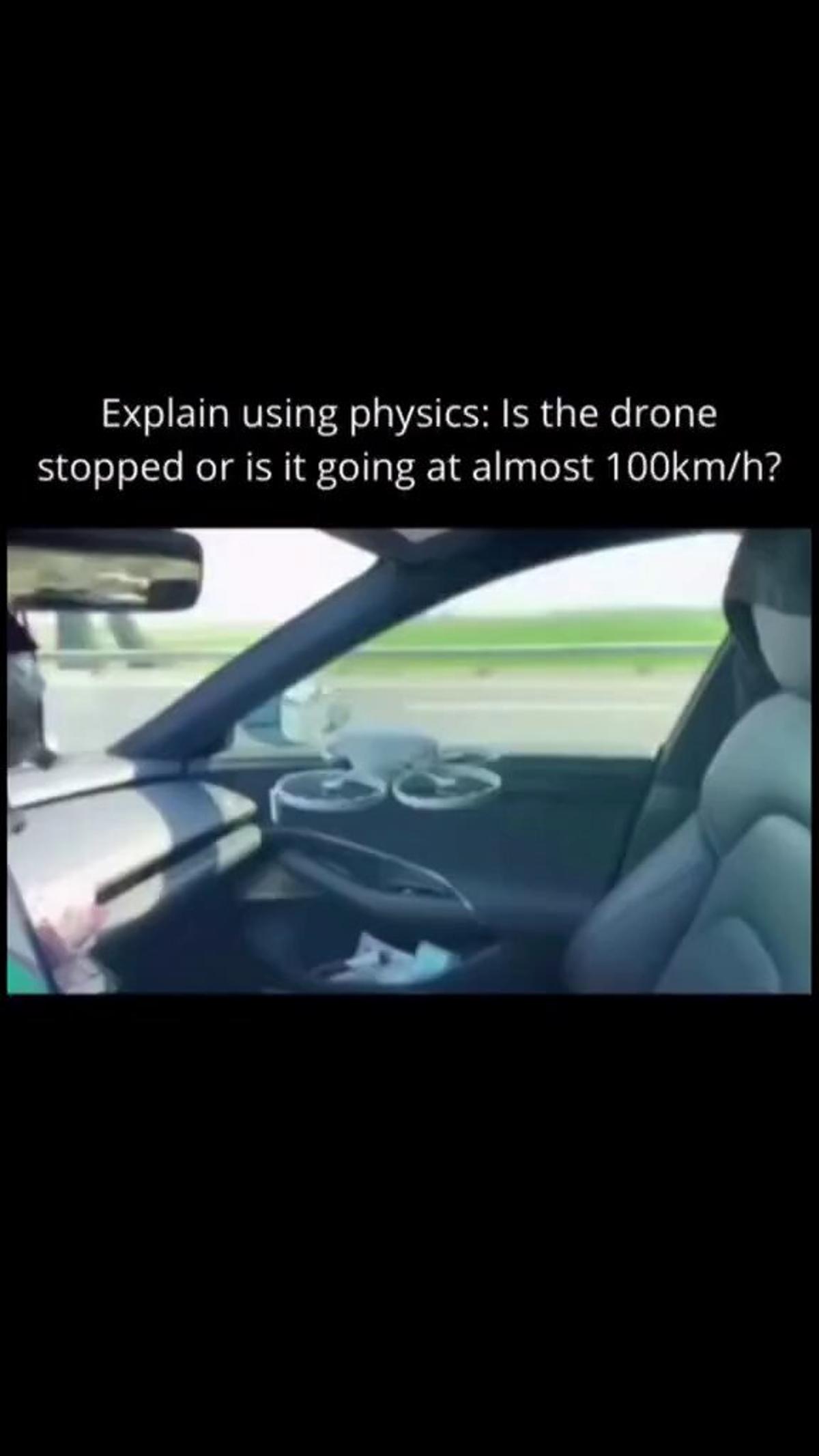
Physics just exposed how easily our eyes can fool us. A drone looks completely still inside a moving car. But here is the twist: It may look frozen in the air, yet it is actually moving at nearly 100 km/h. Relative to the car,...