
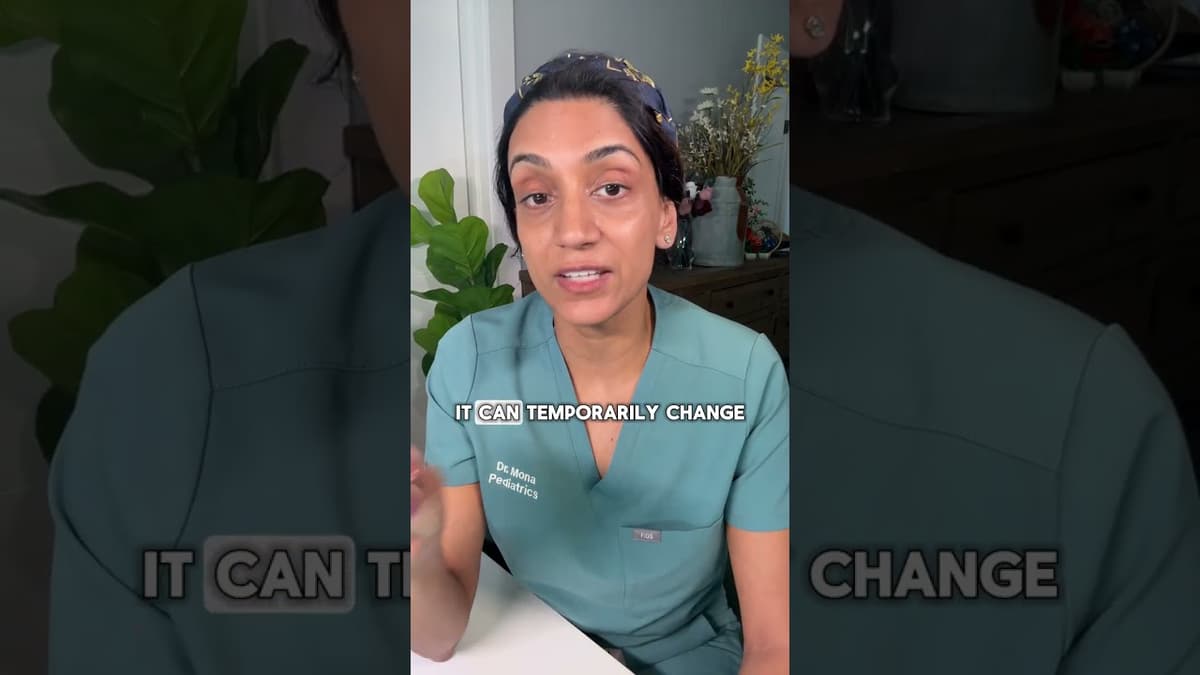
Why Rotavirus Cases Are Surging (And How to Protect Your Baby)
The video explains why some infants experience mild gastrointestinal symptoms after receiving the oral rotavirus vaccine and clarifies that these reactions are not the disease itself. Vaccines work by presenting a weakened version of the virus to the gut‑associated immune system, prompting antibody production and memory cell formation. This brief immune activation can cause low‑grade fever, runny nose, or loose stools for one to two days, which the presenter emphasizes are harmless practice runs compared with the severe watery diarrhea, vomiting, and dehydration caused by wild‑type rotavirus. Dr. Mona notes, “It’s not the disease, it’s the immune system learning,” and cites pre‑vaccine data showing over 500,000 child deaths worldwide each year from rotavirus. She also points out that the vaccine’s oral delivery targets the gut, where most immune activity against rotavirus occurs. Understanding these normal side effects helps parents keep infants on schedule, prevents unnecessary ER visits, and sustains the public‑health gains of dramatically reduced hospitalizations and deaths from rotavirus worldwide.

Why "Showing Them How It Feels" Backfires 🛑
Parents often instinctively pull a toddler’s hair back, thinking it teaches pain. The video explains why that mirroring backfires, emphasizing that toddlers lack the cognitive link between action and consequence. The speaker outlines three steps: first, regulate your own emotions and...
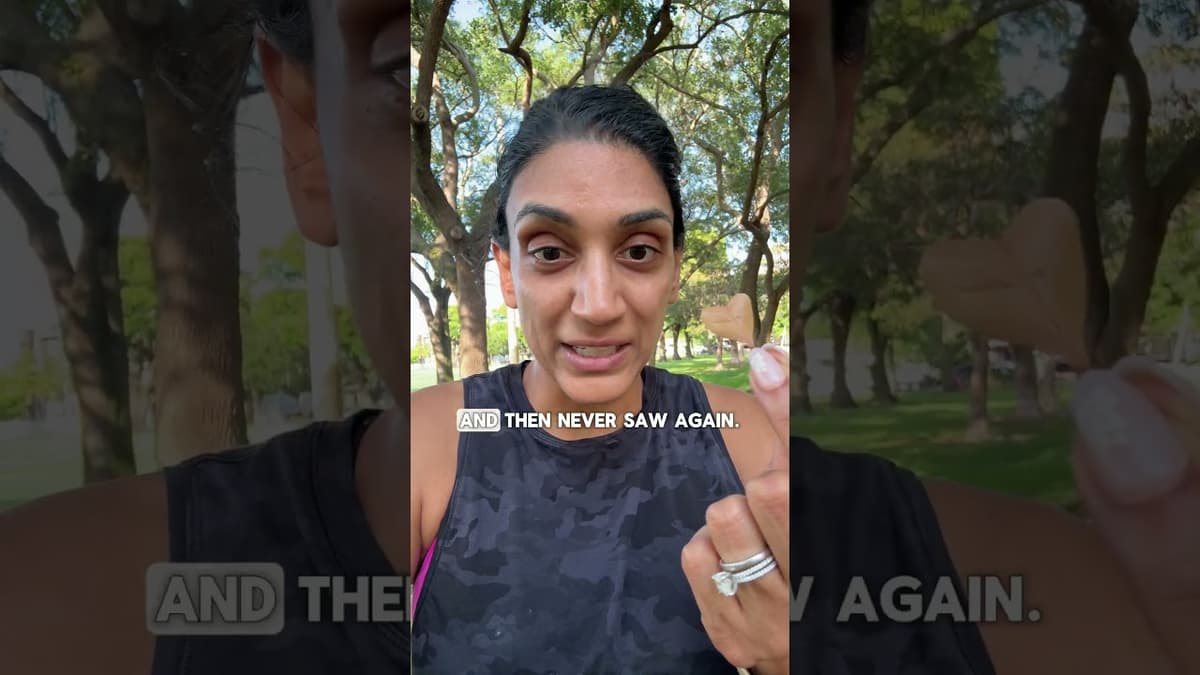
Why "Just Be Positive" Is Terrible Parenting Advice
The video challenges the common parenting mantra “just be positive,” arguing that it oversimplifies emotional complexity. Host uses the recurring visual of a heart—found in coffee foam, a soccer goal, a leaf—to illustrate fleeting moments of joy that remind viewers...
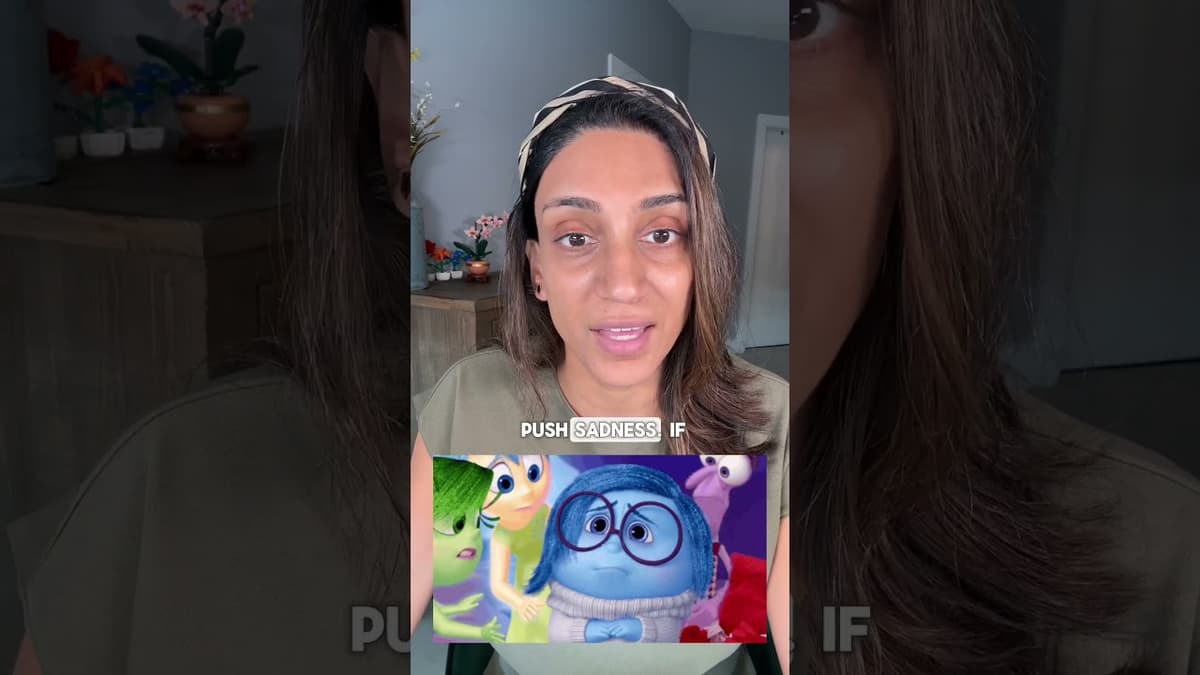
When Your Child Is Left Out... Do THIS. 💔
The video addresses how parents should respond when their child reports being excluded at school, emphasizing the emotional impact and developmental importance of peer relationships for children five and older. It advises against dismissive remarks, urging parents to first validate feelings,...
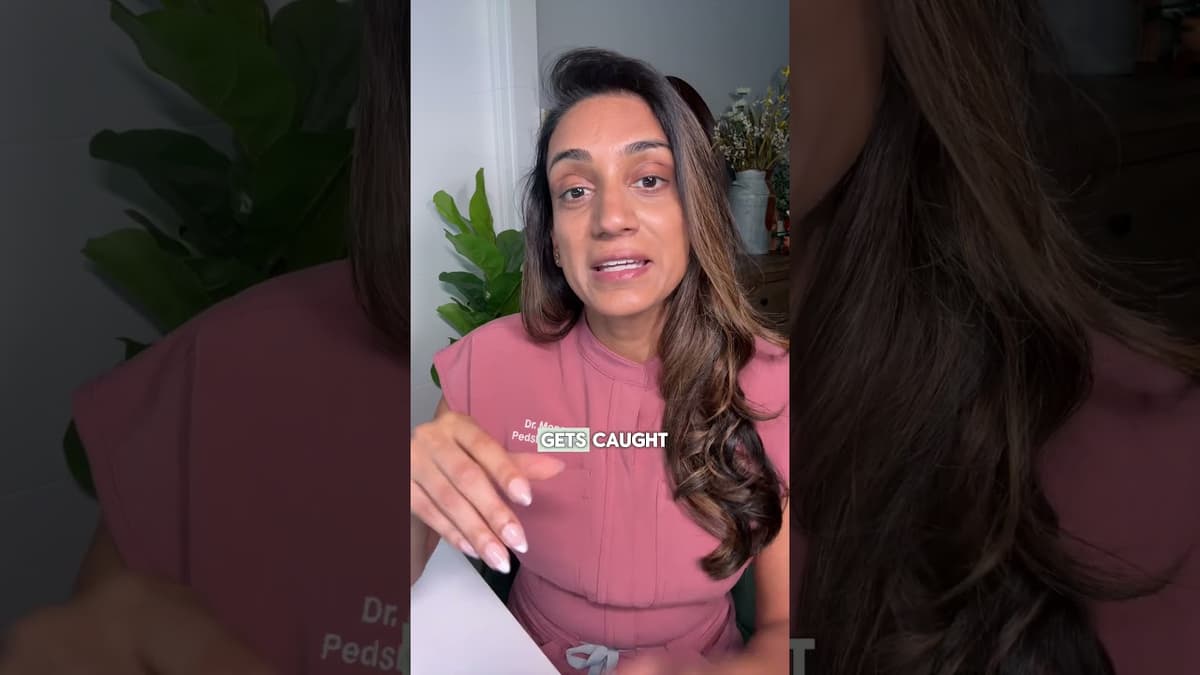
Why You Should NEVER Go Down the Slide With Your Toddler
In a short video released during National Playground Safety Week, pediatrician Dr. Mona explains why parents should never slide down a playground slide with a toddler. She notes that the most common slide‑related injuries involve a child’s leg becoming trapped between...

The "Physically Present, Mentally Absent" Struggle 🧠❤️
The video tackles a common paradox for modern parents: being physically present with their children while their minds remain occupied by endless to‑do lists. The speaker, a mother, recounts receiving a glowing teacher report about her son, only to feel...
Is Daycare Bad for My Relationship with My Baby?
The video tackles the contentious claim that daycare harms the infant‑parent bond, asking whether early childcare is “bad for my relationship with my baby.” It acknowledges that children under three engage mainly in parallel play and that their deepest learning occurs...

Why Toddlers Change Their Minds So Fast
The video explains why toddlers appear to flip preferences in seconds, linking the behavior to a developmental drive for autonomy between ages 18 months and three years. During this window the prefrontal cortex that governs impulse control and flexible thinking is...

Vaccine Side Effects Are Not the Disease
The video, presented by pediatrician Dr. Mona, clarifies that side effects after vaccination are simply the immune system’s normal response, not the disease the vaccine aims to prevent. She explains that mild fever, body aches, fatigue, runny nose, or brief diarrhea—especially...

Kids Learn Screen Habits From Us
The video, presented by a pediatrician‑creator‑mom, warns that parents’ screen habits shape early‑child development, urging curiosity over shame. Citing a recent meta‑analysis in JAMA Pediatrics, the speaker notes that more frequent parental screen use around children under five correlates with modest...
How Parents Can Support LGBTQ Kids
The video underscores that parents are pivotal in shaping the wellbeing of LGBTQ children, urging caregivers to move beyond bias and fear and adopt an intentional, love‑in‑action approach. It outlines three core needs—safety, mutual respect, and connection—arguing that when these are...

Can Diet Cure ADHD?
The video challenges the notion that dietary elimination can cure ADHD, exposing a fabricated Dutch study that allegedly showed 72% remission after removing gluten, dairy, corn, soy, artificial dyes, and sweeteners. The host points out that the cited study does not...

The Parenting Mistake That Creates More Tantrums
The video highlights a common parenting misstep: giving children too many choices and negotiating every request, which inadvertently fuels tantrums. By repeatedly asking, "Do you want to put the soap in or should I?" and offering endless alternatives, parents undermine...

How We Raise Emotionally Healthy Boys
The video argues that emotional health in boys hinges on parenting, not biology, rejecting the “boys will be boys” excuse. It points out that while boys may have higher physical energy, the later gaps in aggression, entitlement, and disrespect stem from...

My Spain Trip Itinerary With My Best Friend
Travel influencer shares a detailed itinerary covering Barcelona, Montserrat, and Valencia during the Fallas festival, highlighting gourmet Iberian ham, cava, and scenic spots. The blog post includes practical tips, recommended eateries, and reflections on celebrating personal milestones with a close...