
Breastfeeding Lowers Estrogen, Making Postpartum Sex Painful
If sex hurts after having a baby, you're not broken. Your body is in a hormonal state that makes it harder. Breastfeeding keeps prolactin high, which suppresses estrogen. Low estrogen means vaginal tissues stay thin, dry, and less elastic. The same state happens during menopause. Postpartum mothers are essentially in a temporary low estrogen state until breastfeeding tapers off. Add to that a pelvic floor that's still healing, possible scar tissue from tearing or a C section, sleep deprivation, and a nervous system on high alert... makes sense that it can be unpleasant. Recovery usually happens with: 1) time 2) pelvic floor rehab and 3) sometimes targeted support like lubricants or low dose vaginal estradiol Work with a provider who understands lactation pharmacology.
Birth Control Masks Acne, Doesn’t Fix Hormonal Root Cause
Doctors prescribe birth control for acne. You go on it, your skin clears up. Most women have no idea why. Acne (especially the kind that flares before your period) is driven by androgens. Your sebaceous glands have androgen receptors, so when...
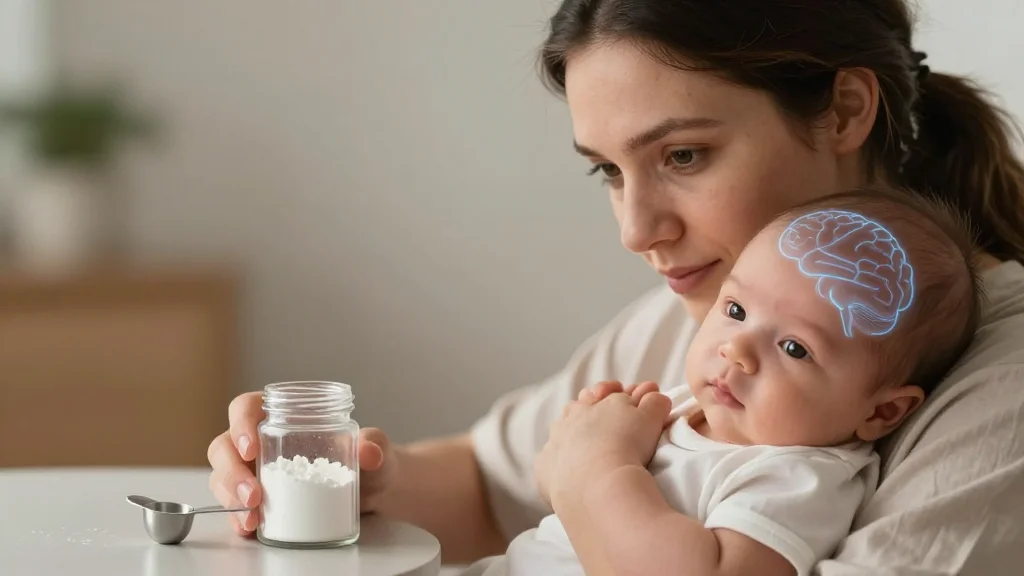
Creatine Boosts Brain Power During Sleep‑Deprived Postpartum
Most people think of creatine as a gym supplement. The strongest research on creatine and cognitive function comes from studies on sleep deprived adults. Postpartum is exactly THAT. I started taking it during this pregnancy and continued postpartum. The cognitive shift...
Women Need Creatine: Hormones, Pregnancy, and Performance
A few facts about creatine for women that most people don't know: - Women have about 70-80% the muscle creatine stores men do. - We eat less red meat so we need more creatine to fill the gap. - Pregnancy uses creatine. The...

Metabolic Health Drives Egg Quality and Fertility Success
At Ferta, the first thing I look at when a woman is struggling with fertility is her metabolism. Almost every other problem begins there. But most women think of metabolism as calories burned. That's the smallest part of it. Metabolism is...

Pregnancy Doubles Iron Needs—Get Full Panel, Not Just Hemoglobin
Pregnancy nearly doubles your iron requirement. Many women never catch back up. The standard hemoglobin test that OBs run misses this. Hemoglobin only drops once iron stores are severely depleted. You need a full iron panel: serum iron, TIBC, transferrin saturation,...

Skin-to-Skin Co‑regulation Stabilizes Newborns' Heart, Breathing, Temperature
A newborn isn't able to regulate its own body right away. For the first few weeks, it relies on YOU. When you hold your baby skin to skin, their heart rate and breathing stabilize, their body temperature regulates from yours,...
Your Future Egg’s Health Depends on the Past 90 Days
The egg you ovulate this month has been in your body since you were a fetus. But what happens in the 90 days before you release it determines whether it can make a healthy pregnancy. The 90-day window is when...

Hospital Births Won’t Save Moms—Antibiotics Did
Hospital birth in America is barely 100 years old. In 1900, about 95% of American babies were born at home. By 1950, nearly 90% were born in hospitals. The shift was sold to women as safer and more modern, but it...

Bidet with Child Mode Boosts Potty Independence
The best potty training hack nobody told me about: a bidet with child mode. There's a window between when your kid is potty trained and when they can wipe themselves properly. It can last anywhere from 1 to 3 years....

Baby's Growing Curiosity Makes Nursing More Distracting
My 5.5 month old started getting distracted at the breast around 4 months. We're 6 weeks in and it has not let up. Every little noise or movement makes him unlatch to see what's happening. I love how observant and...
Colostrum Is Enough; Reject Early Formula Pressure
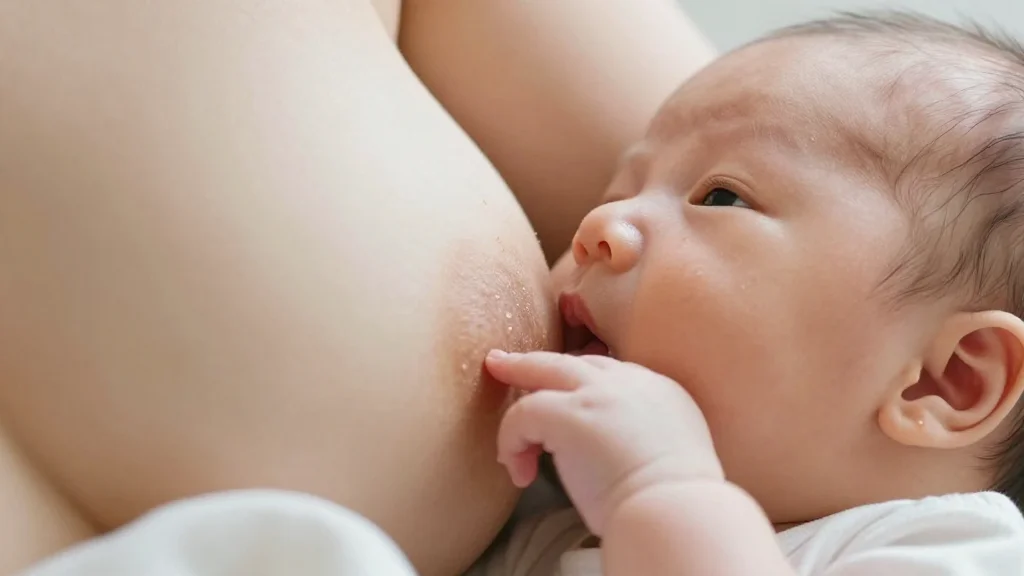
If a nurse pressures you to give your newborn formula in the first few days because your milk hasn't "come in," push back. The yellow, sticky stuff coming out is colostrum and it's exactly what your baby is supposed to be...
Label Pumped Milk by Time for Better Sleep
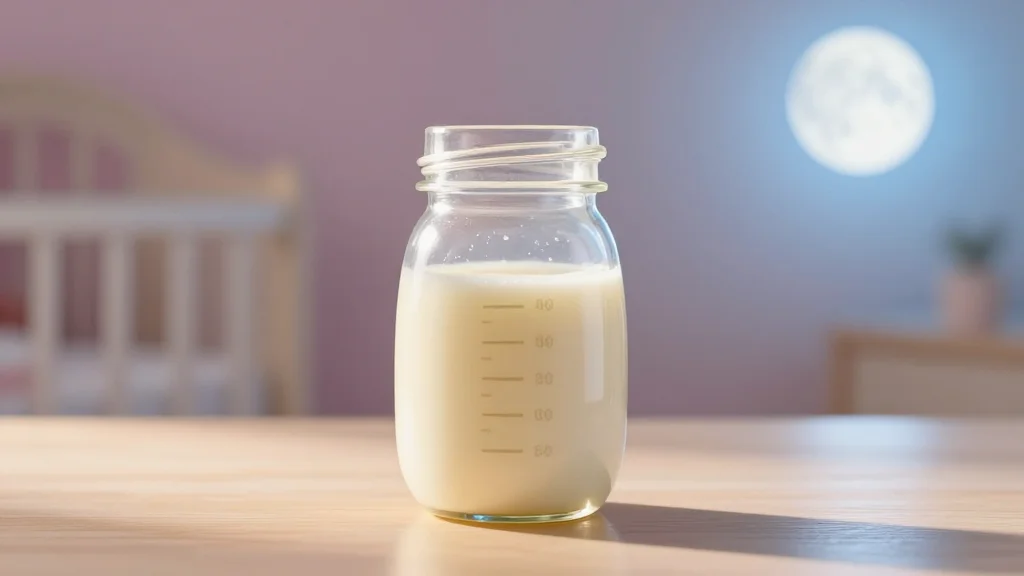
Breastmilk at 3am is different from breastmilk at 3pm. Your body makes milk to match what your baby needs at that time of day. Morning milk has 4x more cortisol than evening milk, which helps wake them up. Evening milk had...

Postpartum Thyroiditis Mimics Depression—Request Full Thyroid Panel
About 5-10% of women develop postpartum thyroiditis after birth. Most get told they have postpartum depression, anxiety, or are just exhausted from new motherhood. It shows up one of three ways: - Hypothyroid alone: fatigue, weight gain, hair loss, cold all the...
Postpartum Recovery Lasts Years, Not Just Six Weeks
Pregnancy gets 9 months of attention. Labor gets a hospital stay. Postpartum gets one 15 minute checkup at 6 weeks. But postpartum is the longest medical event of your life. Your hormones don't return to baseline for at least 6 months...