

Omega‑3, Vitamin D, and Exercise Trim Biological Age
Supplementing with omega-3 fatty acids slows biological aging. Combining omega-3s with vitamin D and exercise has an additive effect, translating to ~3 months of slowed biological aging. These were the results of the 3-year-long DO-HEALTH study, which @prof_horvath believes is one of the strongest pieces of evidence that simple interventions (that also likely correct a deficiency) are powerful ways to slow or reverse the aging process. We discuss this study and more in the latest episode of the FoundMyFitness podcast.

Cycling Cuts Epigenetic Age by Seven Months
Consistent endurance exercise may be one of the most powerful ways to slow down biological aging. Six months of cycling (about 4.5 hours/week) reduced GrimAge by 7 months relative to the expected trajectory of normal aging. GrimAge is an epigenetic clock...

Daily Multivitamin Slows Brain and Biological Aging
A daily multivitamin can reduce brain aging and modestly slow down epigenetic aging clocks. In the COSMOS trial, older adults who took a standard Centrum Silver multivitamin daily for about 4 years performed better on cognitive tests and showed the equivalent...

How To Slow Biological Aging With a Multivitamin, Vegetables, & Omega-3 | Dr. Steve Horvath
The podcast features Dr. Steve Horvath, creator of the Horvath epigenetic clock, explaining how biological age is measured and whether simple interventions—multivitamins, vegetables, omega‑3—can slow or reverse it. Horvath describes the Cosmos multivitamin trial, where participants showed a 2.1‑year reduction in...
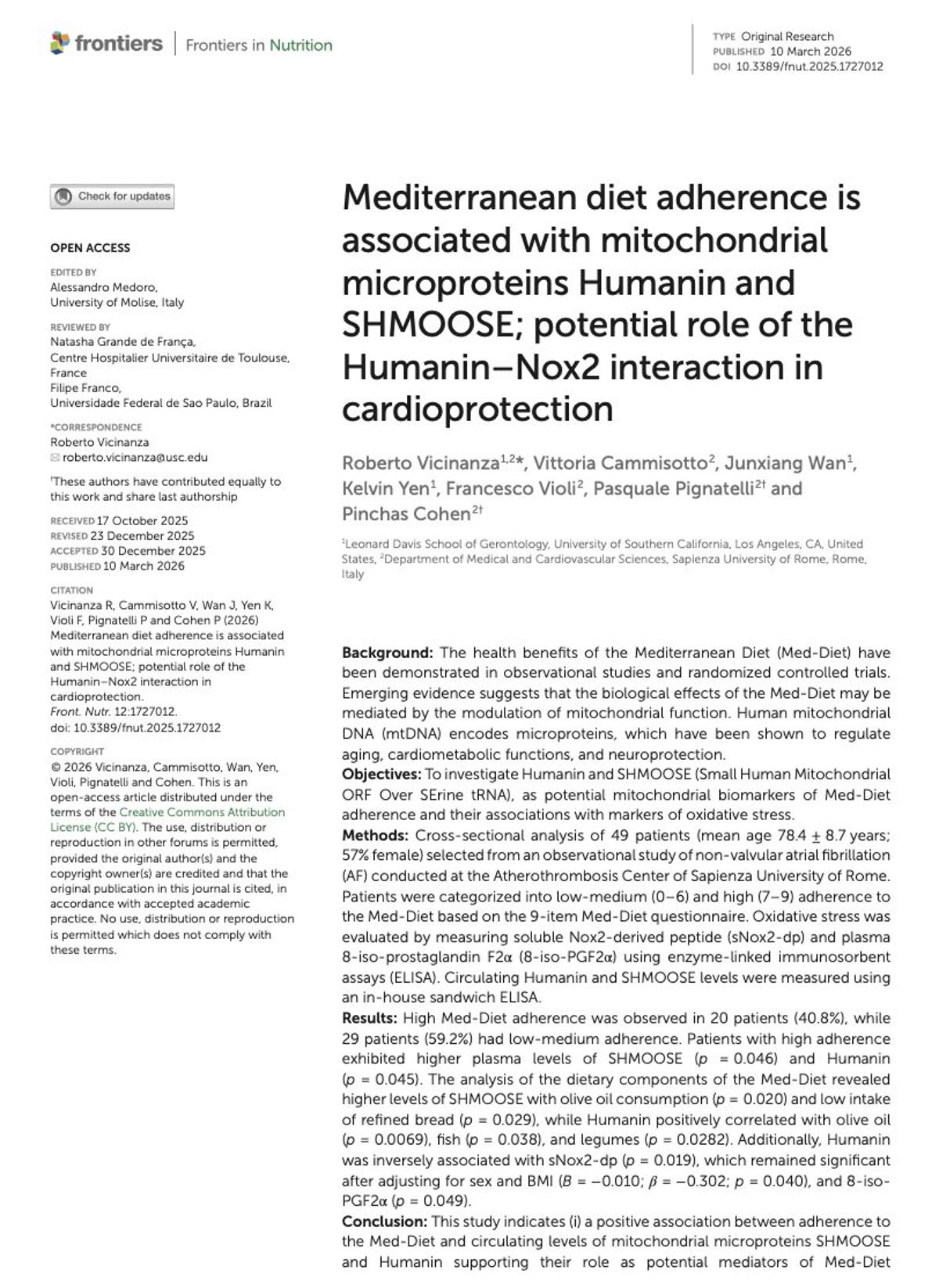
Mediterranean Diet Boosts Mitochondrial Microproteins, Enhancing Aging Resilience
The Mediterranean diet may be doing something really interesting at the mitochondrial level. People with high Mediterranean diet adherence had significantly higher levels of two mitochondrial-derived microproteins known as Humanin and SHMOOSE. These are emerging molecules involved in cell stress resistance,...
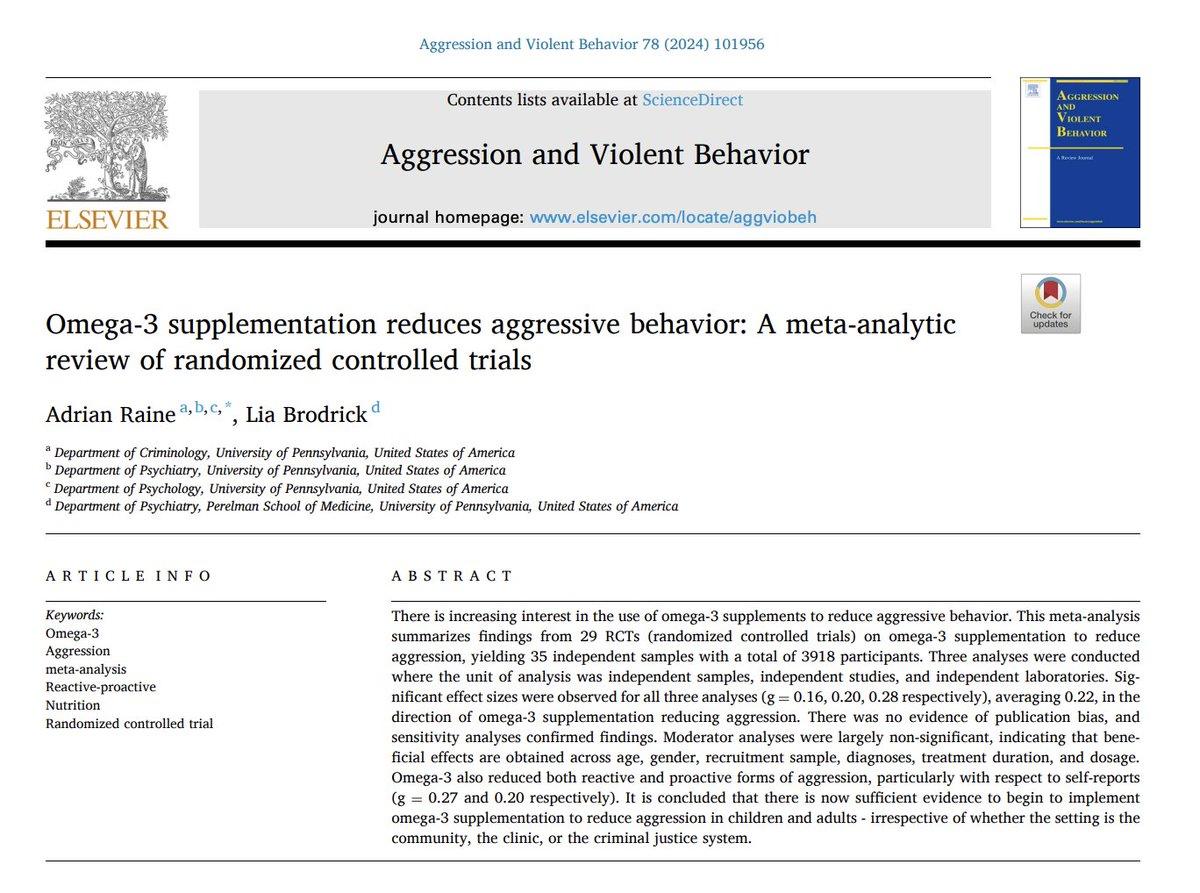
Omega‑3 Supplements Cut Aggression by Up to 28%
This is a big deal. Omega-3s reduce aggressive behavior across randomized controlled trials. A meta-analysis of 29 studies and nearly 4,000 participants found that omega-3 supplementation reduced aggressive behavior by up to 28%. The benefit was broadly consistent across children and...

Omega‑3s Linked to Lower Alzheimer Risk, Not Decline
This is the wrong takeaway from a very limited study. The study doesn’t show that omega-3s cause cognitive decline. It looked at older adults, including people with memory concerns, MCI, and Alzheimer’s dementia (i.e., not a healthy prevention cohort). “Supplement use” was self-reported,...
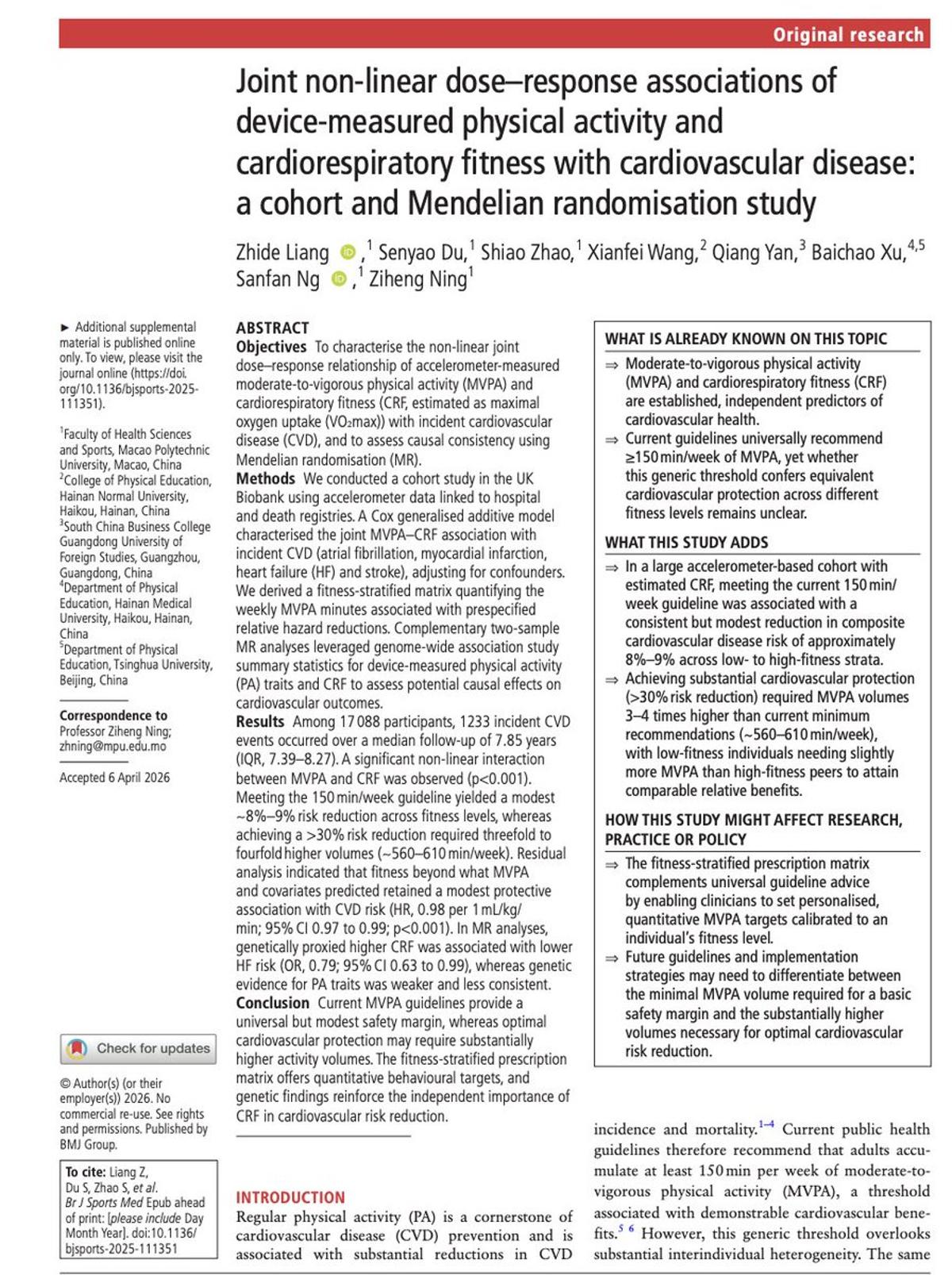
Optimal Heart Health Needs 4× Current Activity Guidelines
The current physical activity guidelines are too low. I've been saying this for a while. And a new study confirms it. Meeting the standard 150 minutes/week was associated with only a modest ~8–9% lower cardiovascular risk. The biggest protection occurred at roughly 560–610...
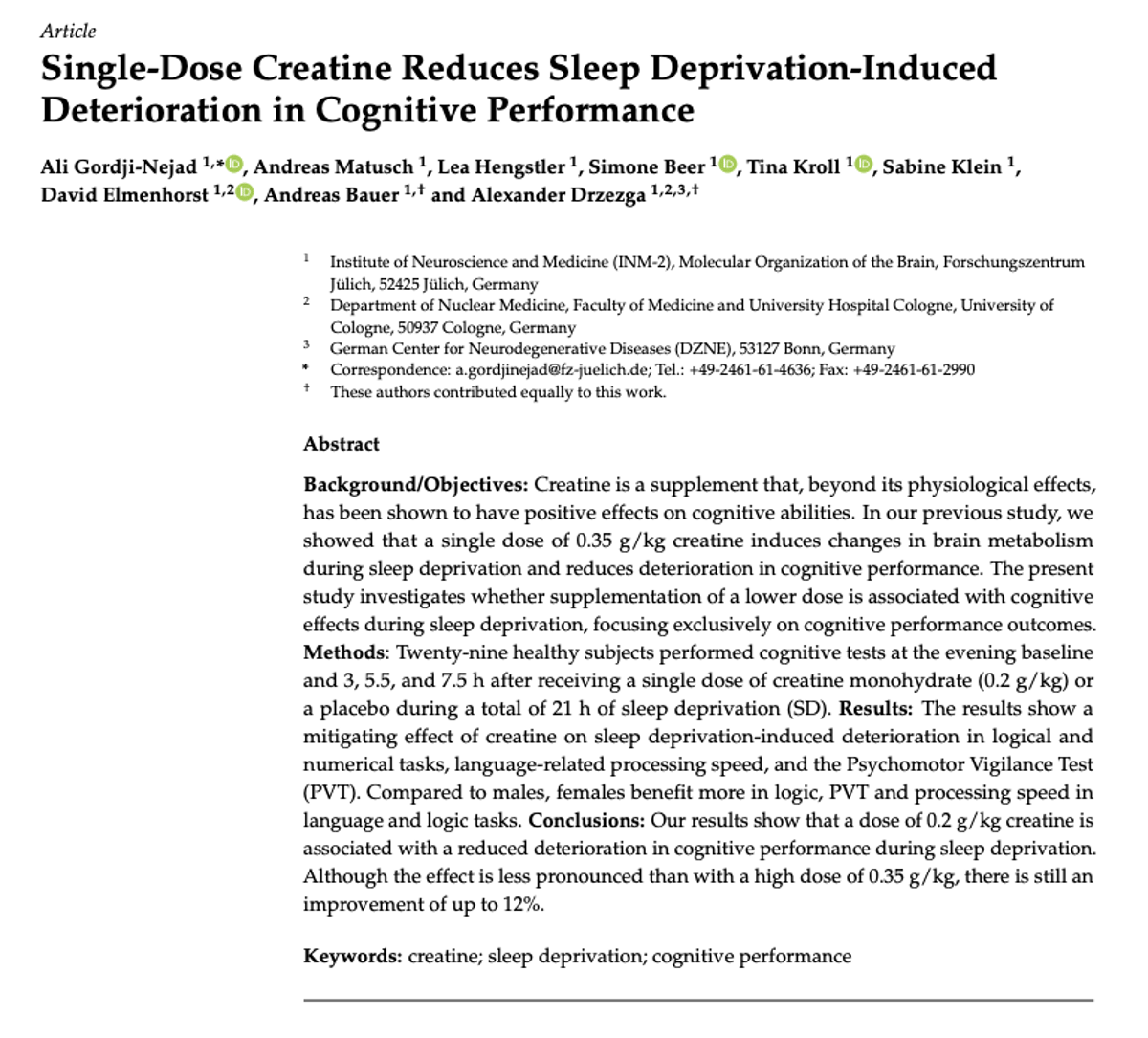
Low‑dose Creatine Shields Cognition During Sleep Loss
A lower single dose of creatine still protects cognitive function during sleep deprivation. A single 0.2 g/kg dose of creatine reduced the decline in logical and numerical reasoning, language-related processing speed, and psychomotor vigilance during 21 hours of sleep deprivation. The...
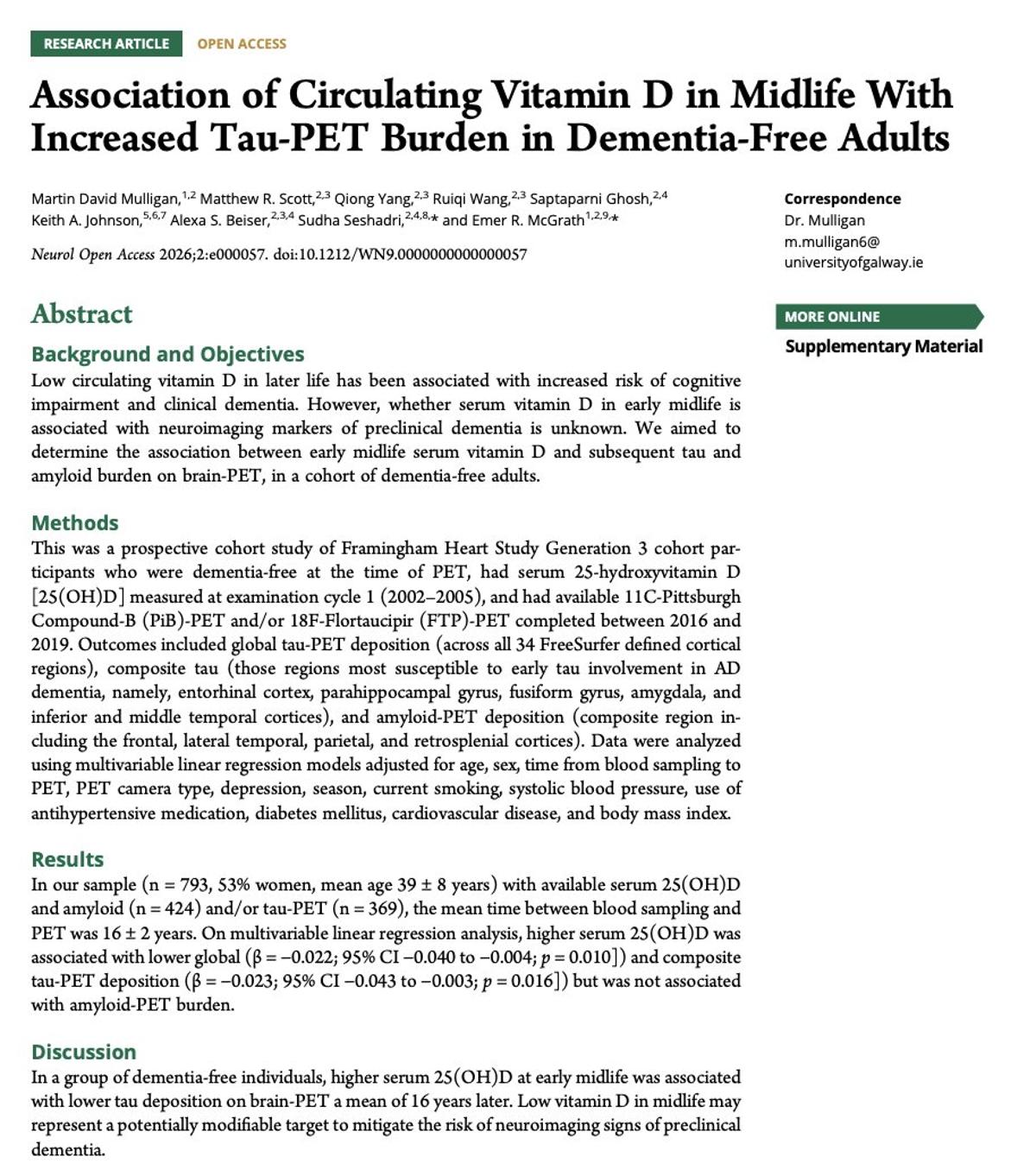
Midlife Vitamin D Linked to Reduced Tau Build‑up
Higher vitamin D levels in middle age are associated with less accumulation of tau, one of the pathological hallmarks of Alzheimer's disease. The strongest protection showed up among those with vitamin D levels at the higher end of the cohort (around...

Produce Packs Most Microplastics & PFAS; Beta‑Glucan May
Fruits & vegetables likely account for a majority of people's dietary microplastic and PFAS intake. What’s frustrating is that this isn’t something you can just rinse off. In many cases, the contamination appears to be taken up into the food itself. Organic...

Turn Your Standing Desk Into a Dynamic Movement Station
I am totally committed to getting a standing desk. This conversation with Kelly Starrett convinced me. Sitting isn't necessarily bad. Standing (and more movement in general) is good. But desks give you almost no movement options. So how can we create more...

Ground Sitting Boosts Lifelong Mobility and Joint Health
Sitting on the ground more is one of the simplest things you can do for long-term mobility. It sounds almost too basic, but getting down to the floor and back up is a real marker of independence. If you lose that...
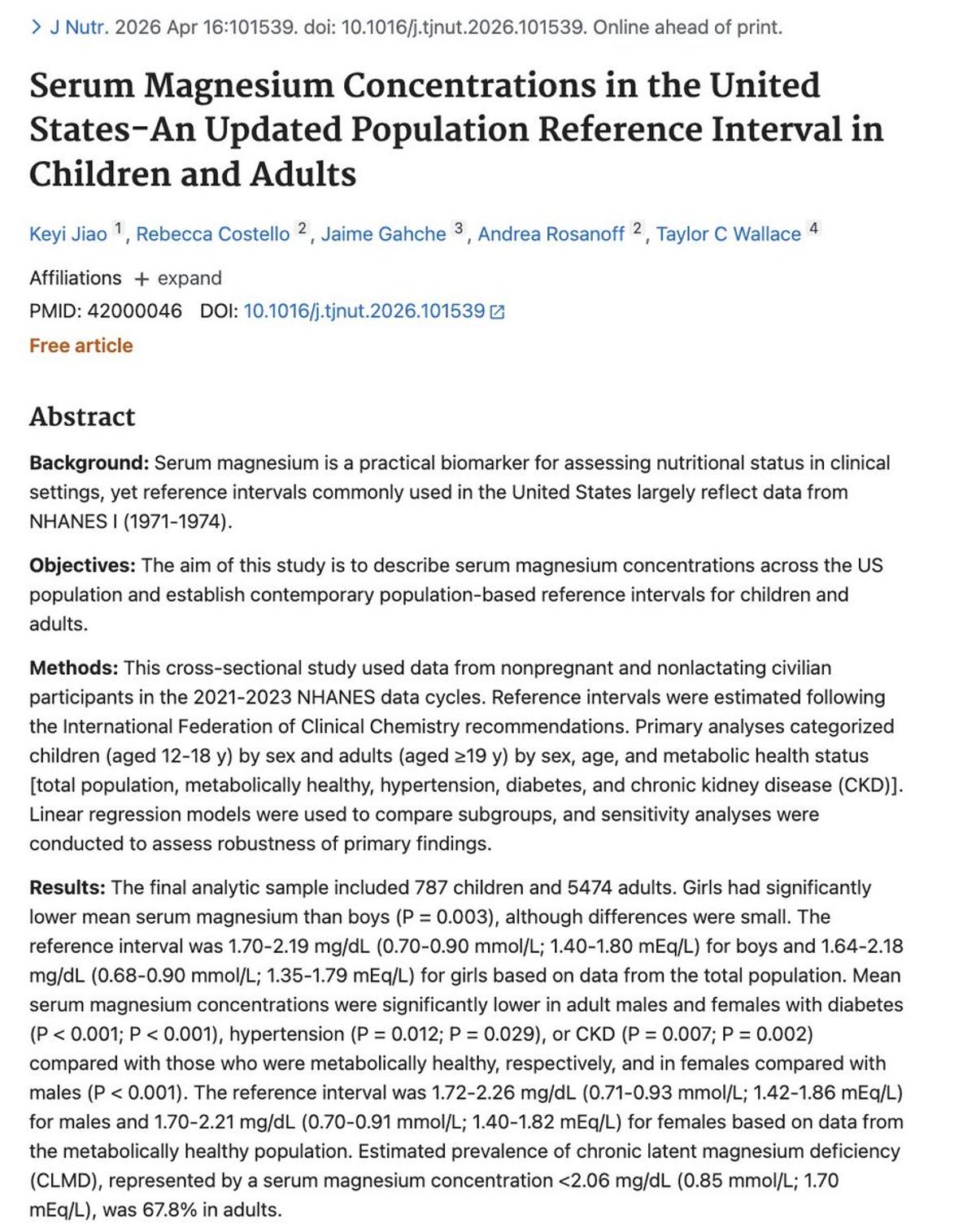
Two‑Thirds of Americans Suffer Chronic Magnesium Deficiency
More than two-thirds of U.S. adults are deficient in magnesium, according to the most recent data. ~66% of men and ~70% of women have serum magnesium levels below 2.06 mg/dL (known as chronic latent magnesium deficiency). Importantly, magnesium levels are lower in...

Hip Mobility Scores Predict Lifespan, Assess With Simple Moves
Hip mobility is essential for healthy and pain-free movement. And it might even predict how long you'll live. What does that look like? According to Dr. Kelly Starrett (@thereadystate), you should be able to squat with your hip crease below your knee,...