
Robert Lufkin, MD
Academic physician; covers prevention/longevity, population health, and health‑innovation trends.
Two Decades Show Lifestyle Outperforms Drugs for Longevity
New Health Longevity Brief is out: Lifestyle Beats the Drug -- 20 Years of Proof. (1/5)
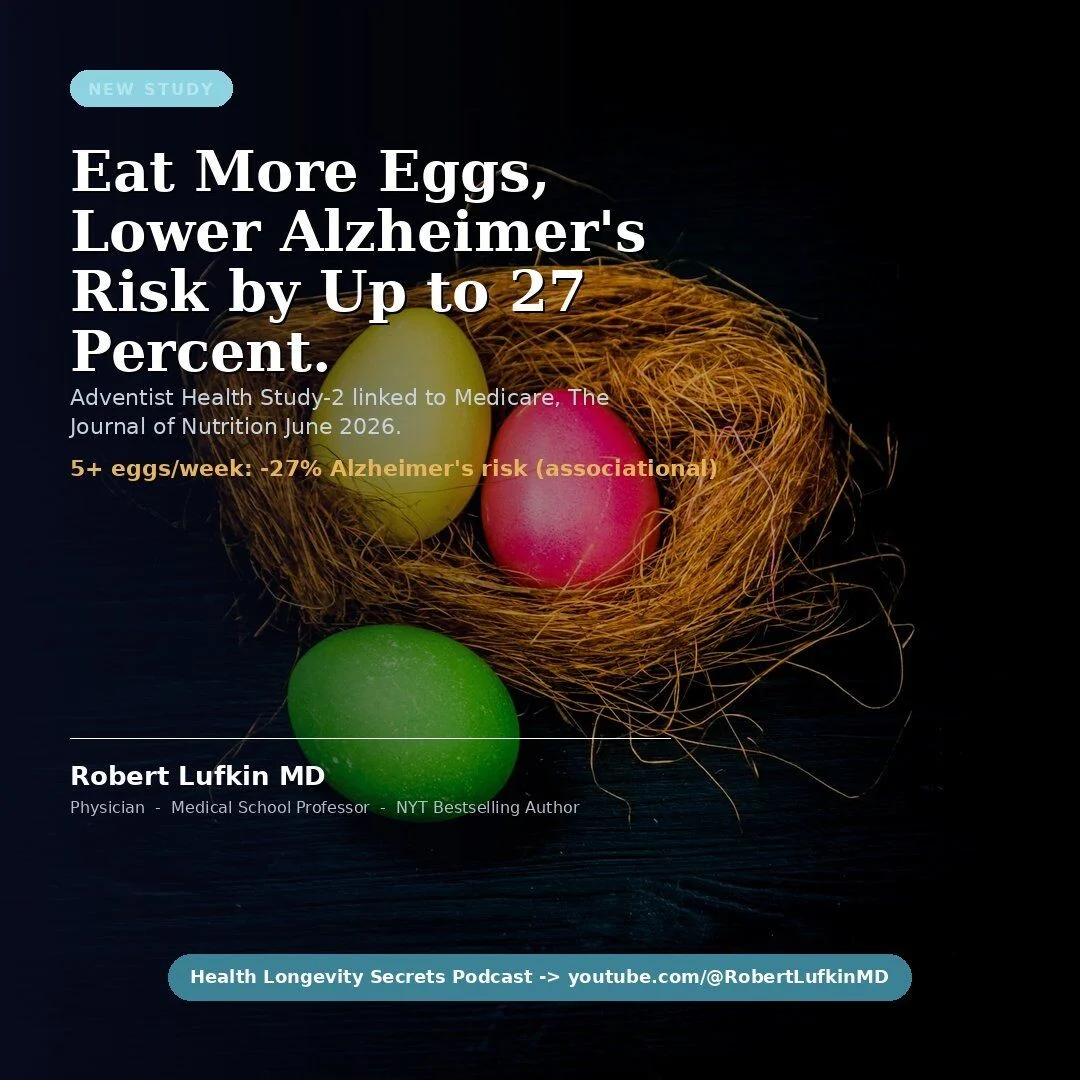
Eating Eggs Frequently Cuts Alzheimer’s Risk by Up to 27%
New in The Journal of Nutrition: in the Adventist Health Study-2 linked to Medicare records, adults eating eggs 5+ times per week had a 27% lower risk of incident Alzheimer's compared with people who never or rarely ate them. Eating...
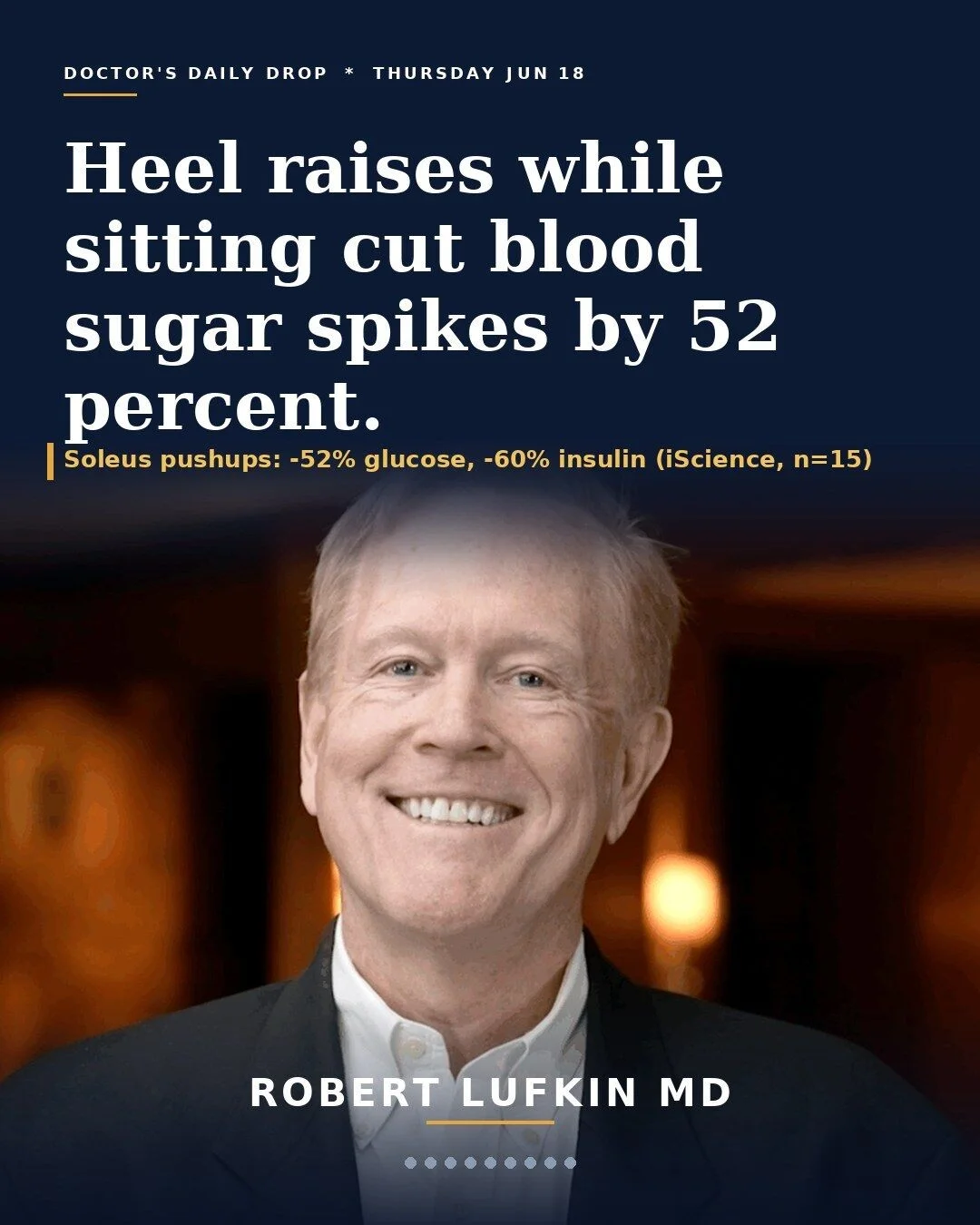
Mini Calf Exercise Slashes Post‑meal Glucose and Insulin
New in iScience: a tiny calf movement you can do while sitting cut post-meal blood sugar spikes by ~52% and post-meal insulin by ~60%. (1/5)
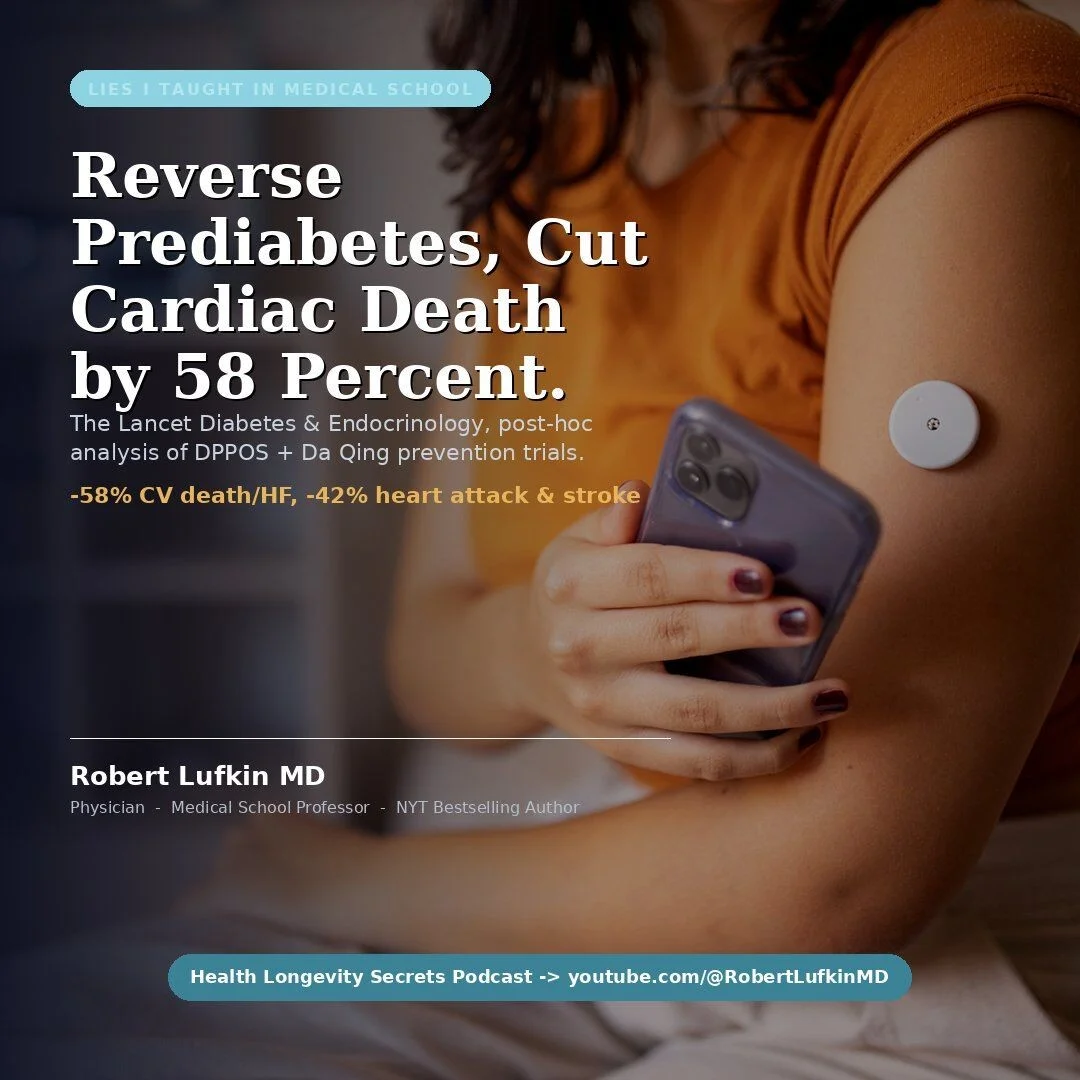
Reversing Prediabetes Cuts Cardiovascular Death Risk By
New in The Lancet Diabetes & Endocrinology: people who reversed prediabetes -- pushing blood sugar back to normal -- had a 58% lower risk of cardiovascular death or heart failure hospitalization, and 42% lower risk of heart attack and stroke....

Glucosamine: Brain Health Determines Longevity Benefit
Glucosamine -- taken by millions for creaky knees -- looked like a longevity drug for years, with a 15% lower risk of death in the UK Biobank. But a new 2026 study flipped that story: the same pill, same dose,...
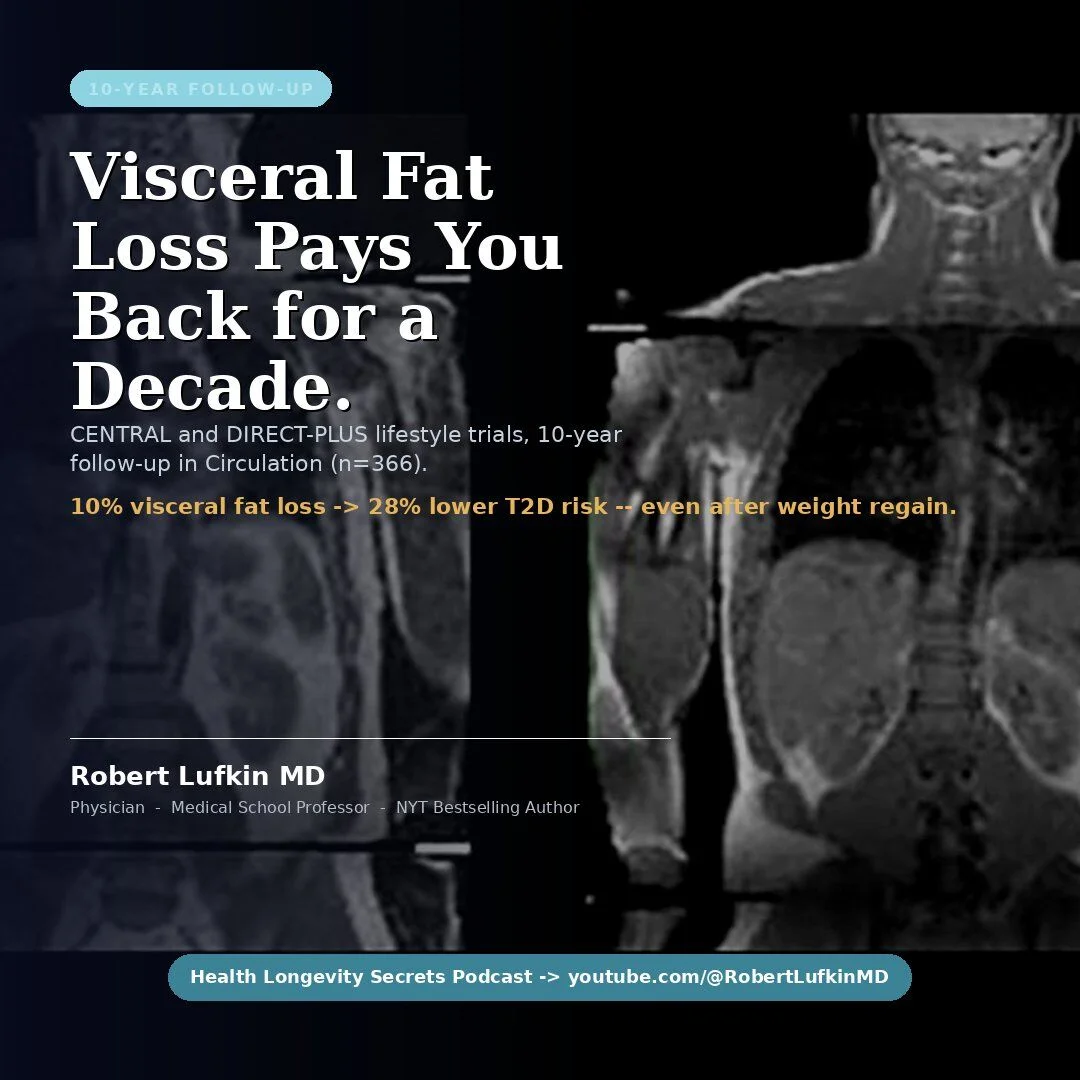
10% Visceral Fat Loss Cuts Diabetes Risk 28%
A 10-year follow-up of the CENTRAL and DIRECT-PLUS lifestyle trials (n=366) in Circulation: despite participants regaining the weight, every 10% reduction in visceral fat during the original intervention was independently associated with a 28% lower long-term risk of type 2...
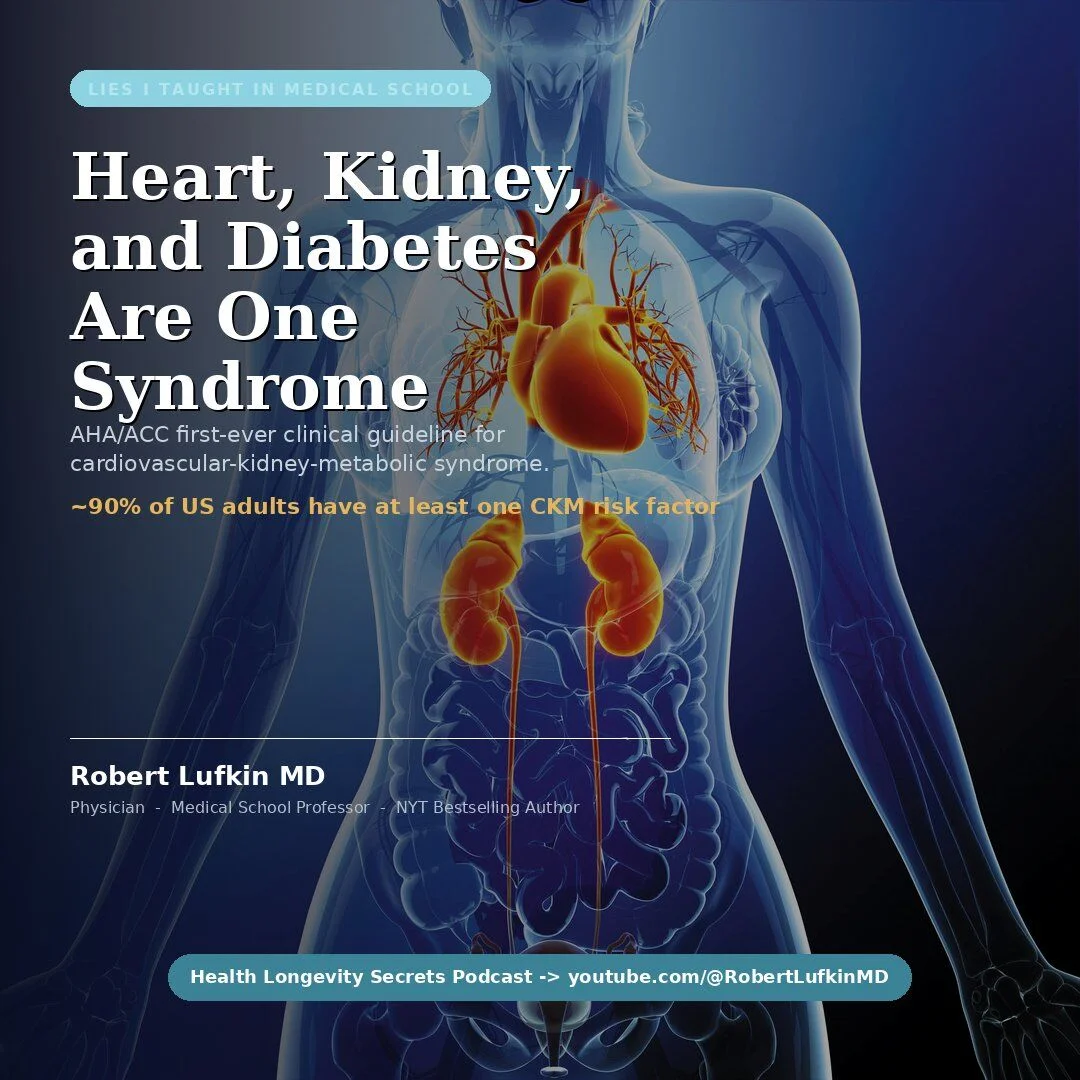
Heart, Kidney, Diabetes Form Single Syndrome Driven by Belly Fat
The lie I taught in medical school: cardiology, nephrology, and endocrinology treat separate diseases. This week the AHA and ACC published the first-ever clinical guideline for cardiovascular-kidney-metabolic syndrome (CKM). The premise: heart disease, kidney disease, and type 2 diabetes are one...
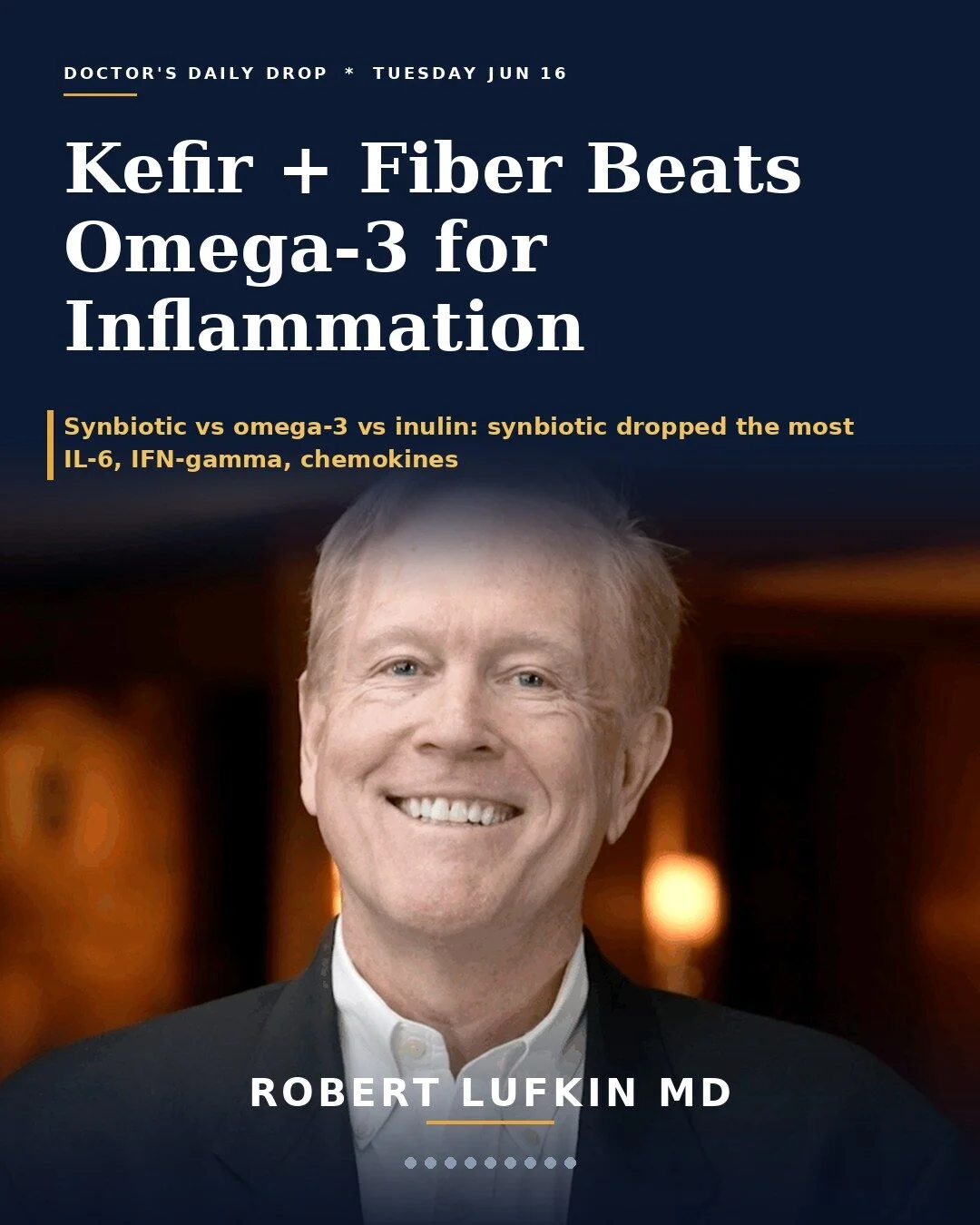
Head‑to‑Head Trial Compares Omega‑3,
New in the Journal of Translational Medicine: a six-week RCT from Nottingham pitted omega-3, inulin fiber, and a kefir-plus-prebiotic-fiber synbiotic against each other. (1/4)

Your Pee's Sound Can Reveal Early Prostate Issues
The sound of your pee may diagnose your prostate. Sonouroflowmetry analyzes the acoustic signature of urination to flag early prostate enlargement and urinary obstruction — no catheter, no clinic visit. A microphone in the bowl picks up flow patterns a urologist...
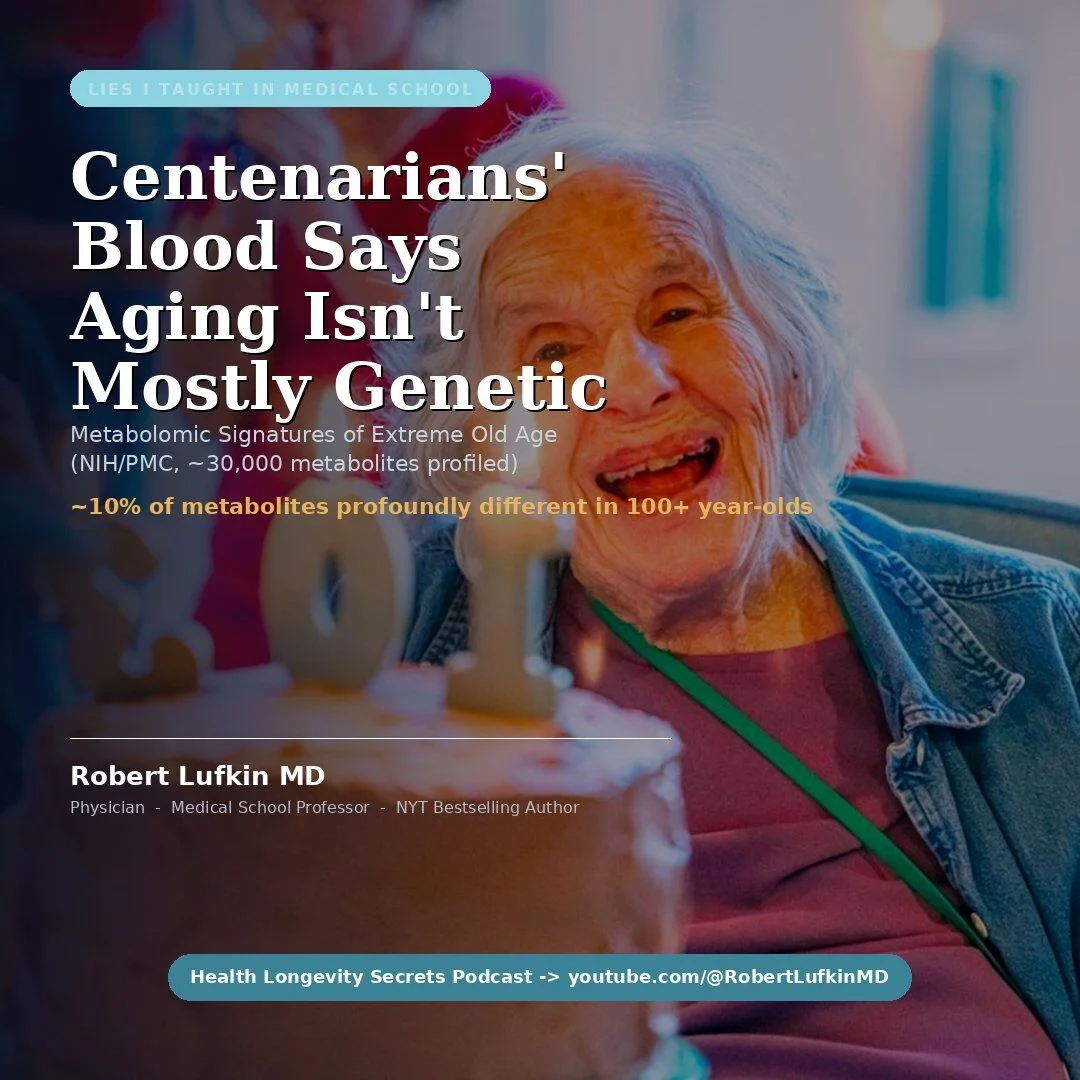
Centenarians’ Blood Shows Mitochondrial Efficiency Over Genetics
The lie I taught in medical school: "Living to 100 is mostly a roll of the genetic dice." A new metabolomics study analyzed roughly 30,000 small molecules in the blood of centenarians and matched controls. About 10% of those metabolites looked...
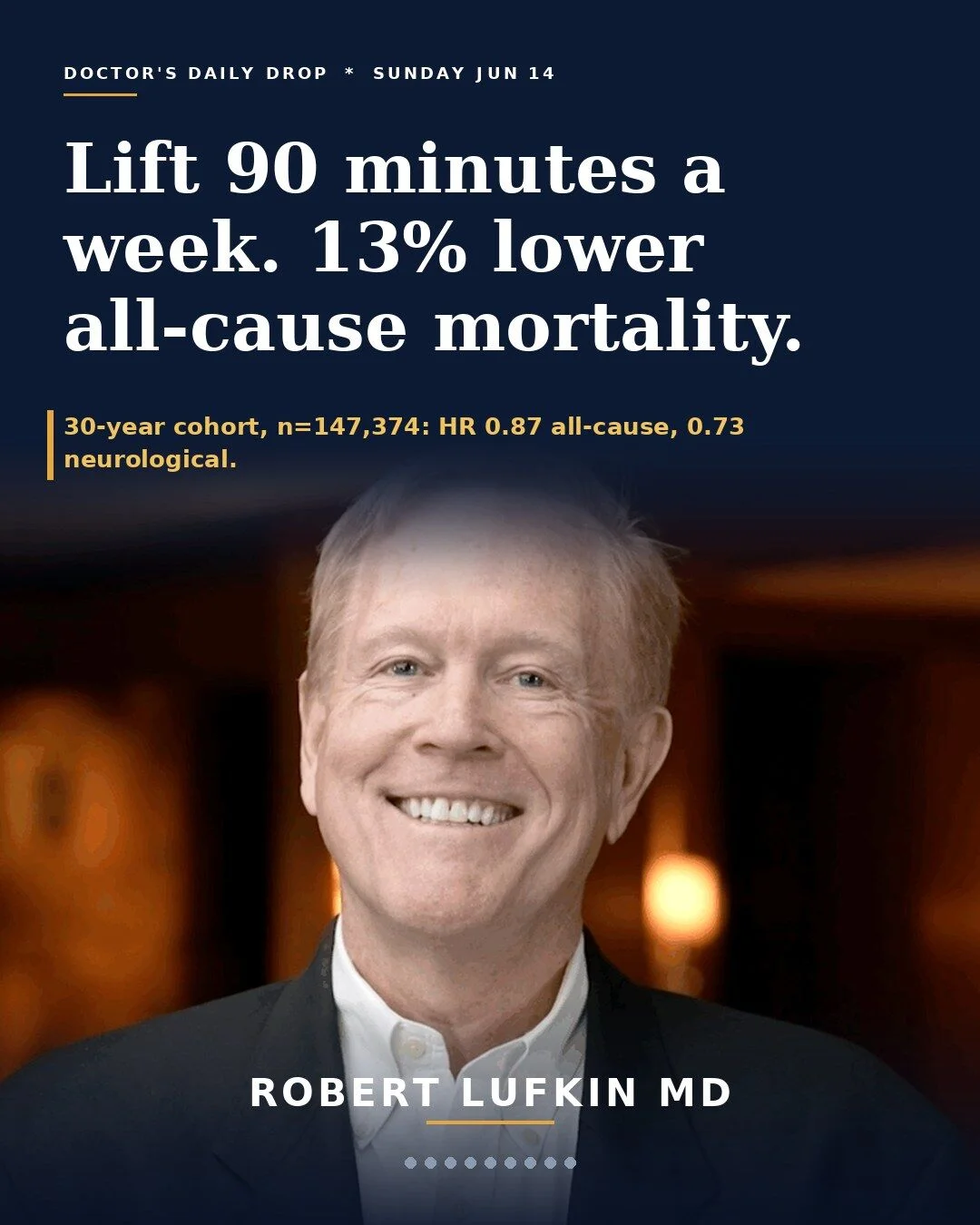
90‑119 Min Weekly Resistance Training Cuts Mortality Risks
New in the British Journal of Sports Medicine: 90-119 minutes a week of resistance training is associated with a 13% lower risk of dying from any cause -- and 27% lower neurological disease mortality. (1/4)
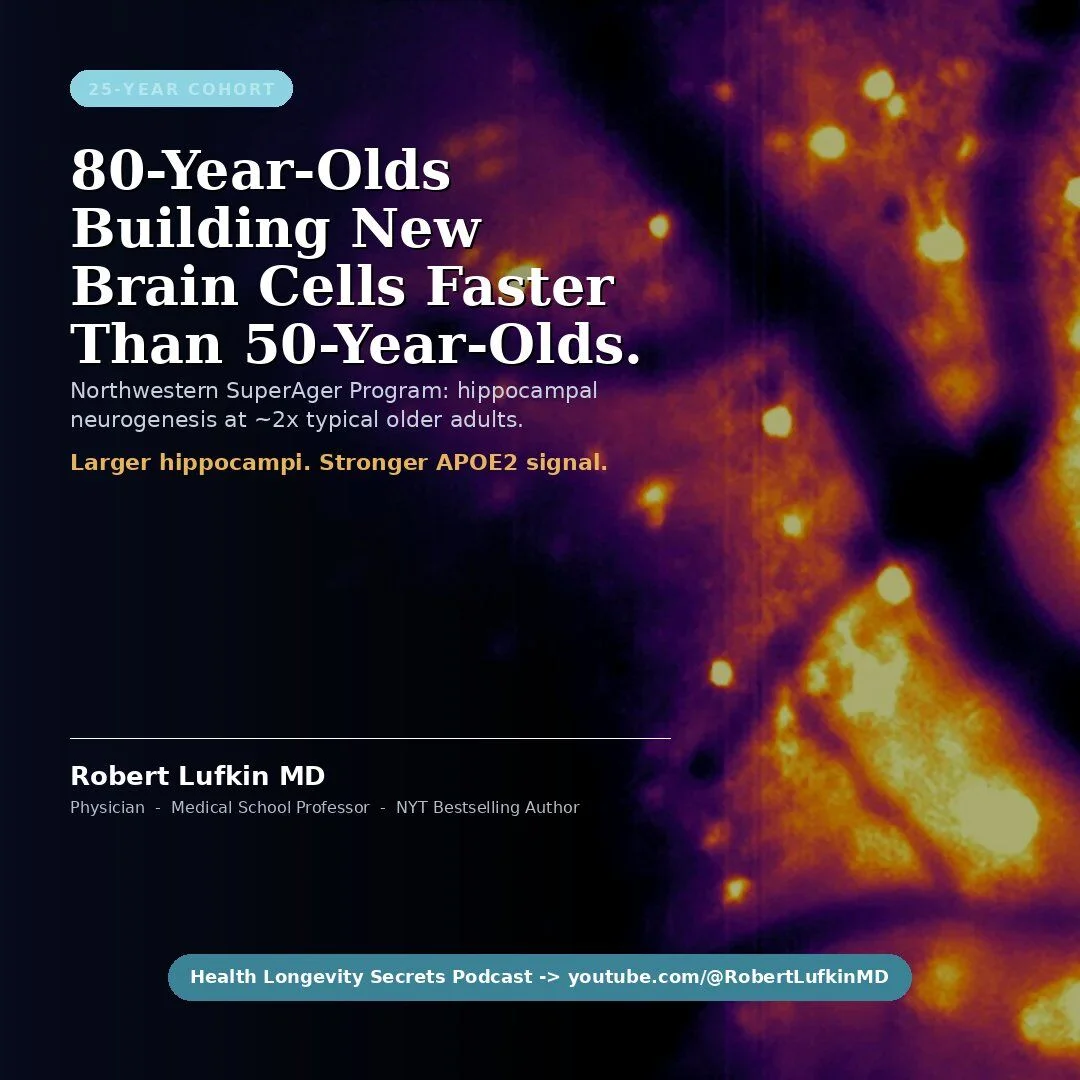
SuperAgers' Brains Generate Twice as Many New Neurons
Twenty-five years of Northwestern's SuperAger Program produced one of the most counterintuitive findings in modern neuroscience. SuperAgers, adults over 80 with the memory of people three decades younger, generate new hippocampal neurons at roughly twice the rate of typical older adults....
Avoid Liquid Calories, Late Meals, and Skip Strength Training
Three things I'd never do after reviewing thousands of metabolic labs — plus one you'll argue with me about. 1. I'd never drink my calories — liquid sugar spikes insulin without making you full. 2. I'd never eat my biggest meal right...
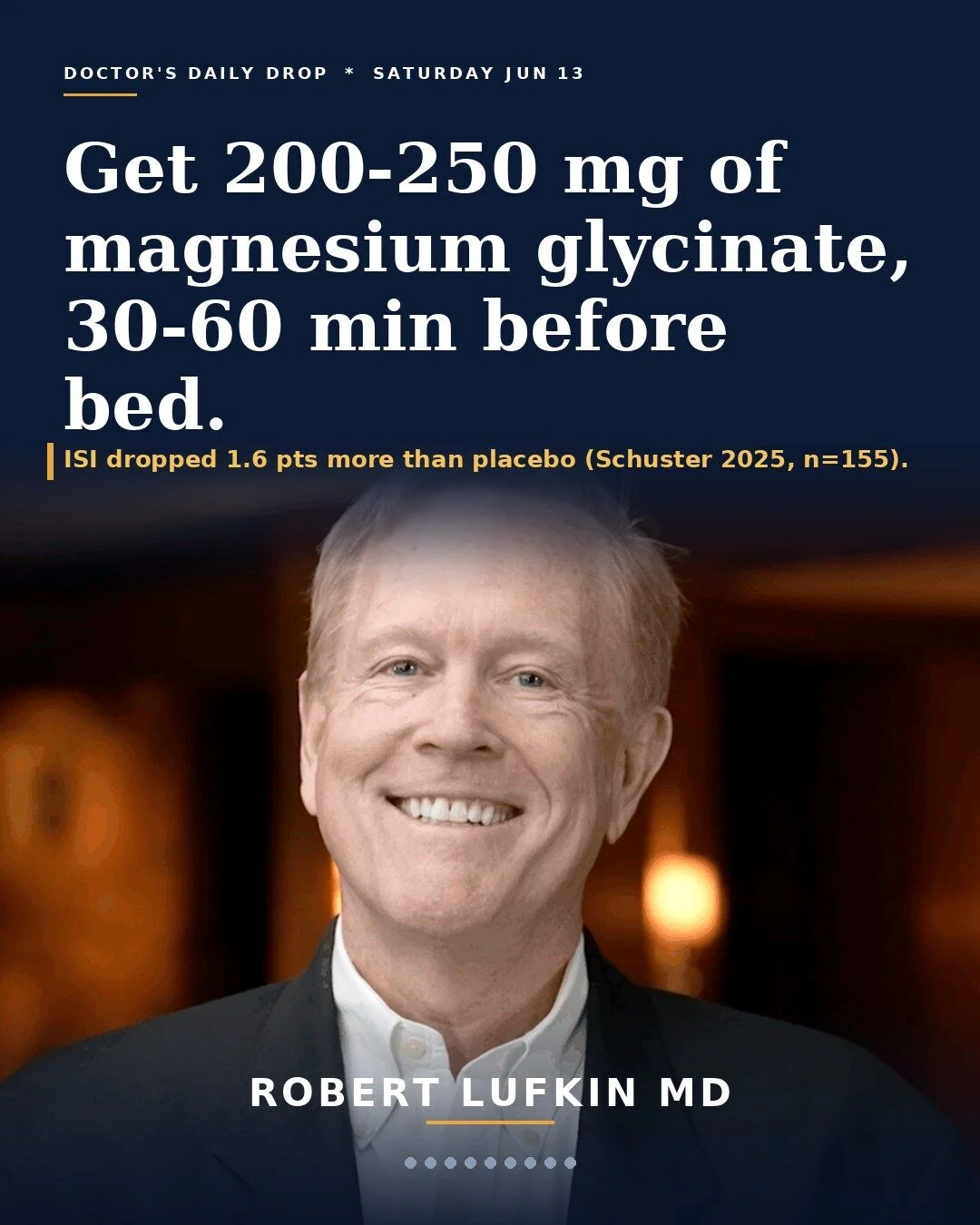
Magnesium Modestly Improves Insomnia, Benefits Those Most in Need
Can a cheap mineral capsule really move insomnia? The largest RCT to date says: a little -- and most in people who need it. Schuster et al. (Nature and Science of Sleep, 2025) ran a double-blind, placebo-controlled trial: 155 adults with...
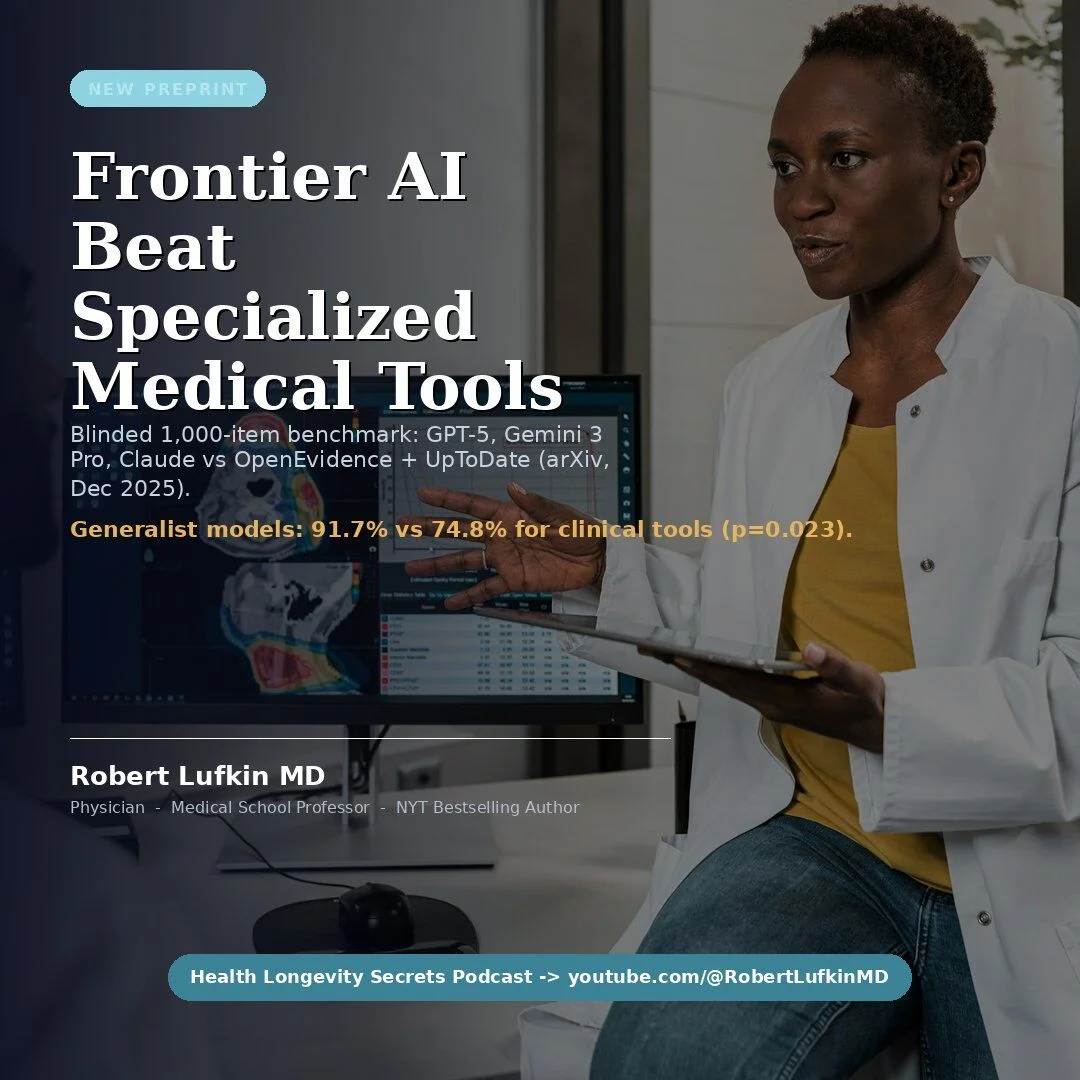
General AI Beats Specialized Medical Tools, Study Finds
The conventional wisdom said specialized medical AI tools -- trained only on peer-reviewed literature, marketed for clinical decision support -- would beat general AI on medical questions. A new preprint says the opposite. (1/5)