Fiber Footprint Drives Wireless Gains for AT&T, Verizon
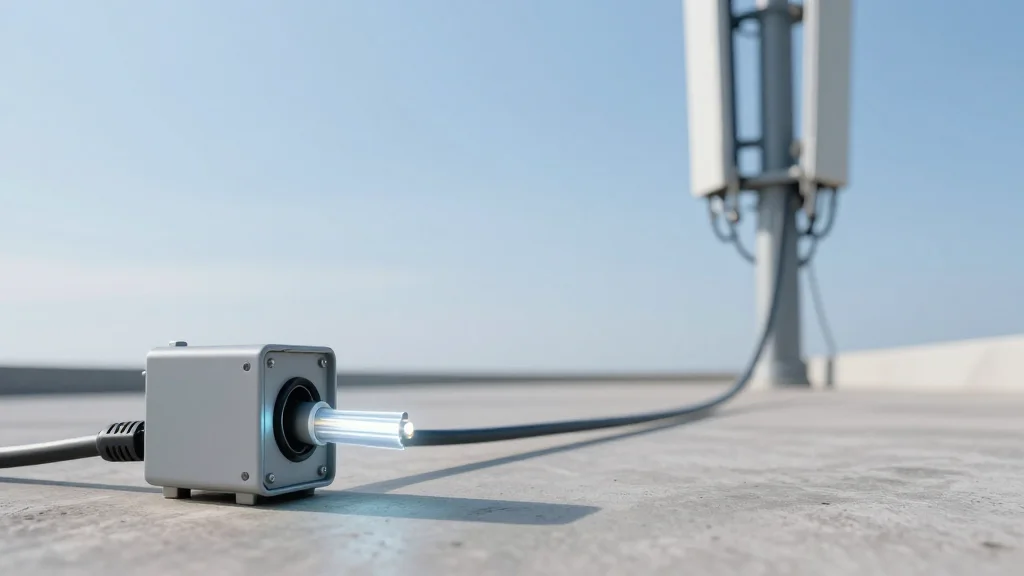
.@ATT and @Verizon are gaining wireless customers inside their fiber footprints and losing them everywhere else. Fiber footprint is now the gating variable. Craig Moffett and I discuss the implications and fiber buildout economics.🧵
Fiber Economics Fail in Low‑Density, Low‑ARPU Markets
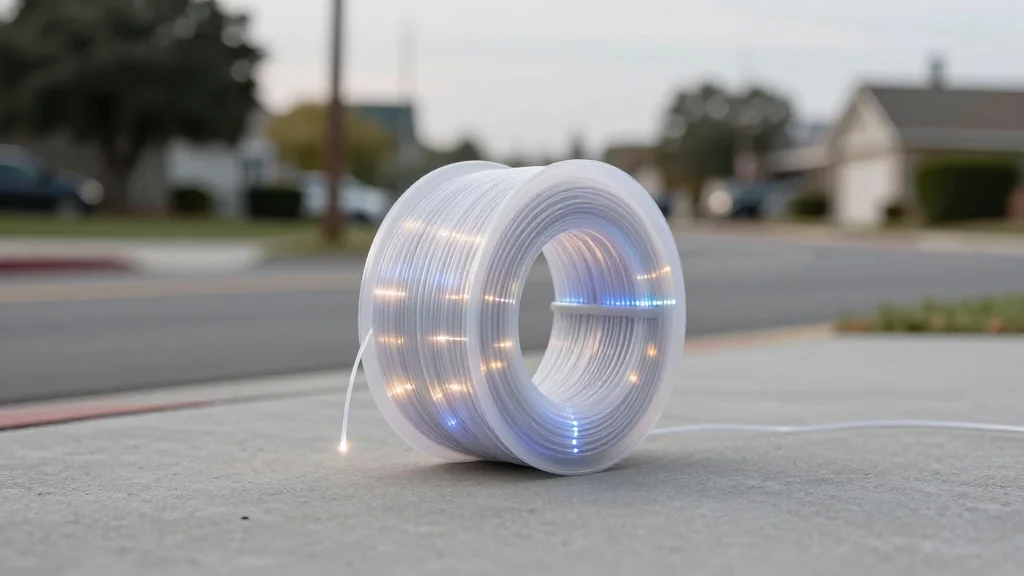
The fiber build plan only works at high density and decent ARPU. We’re pushing into lower density just as broadband pricing compresses. That combination breaks a lot of IRR models. Craig Moffett from @moffettnathanson and I discuss.🧵 #Telecom #Fiber
Verizon Taps Ex‑Telekom Exec to Drive Open RAN, AI
.@Verizon naming Abdu Mudasir to lead its network operations marks the latest move in a growing talent pipeline from @Telekom to the US carriers. Mudasir replaces Joe Russo and brings a global perspective on Open RAN and AI automation that...

Verizon Taps European Talent, Fueling US Telecom Leadership Pipeline
.@Verizon just made a smart network leadership hire, and the real story is the new exec pipeline from Europe into US telecom. 🧵 #Telecom #Wireless
AI Boom Drives Fiber Shortage, Spikes Resin Prices
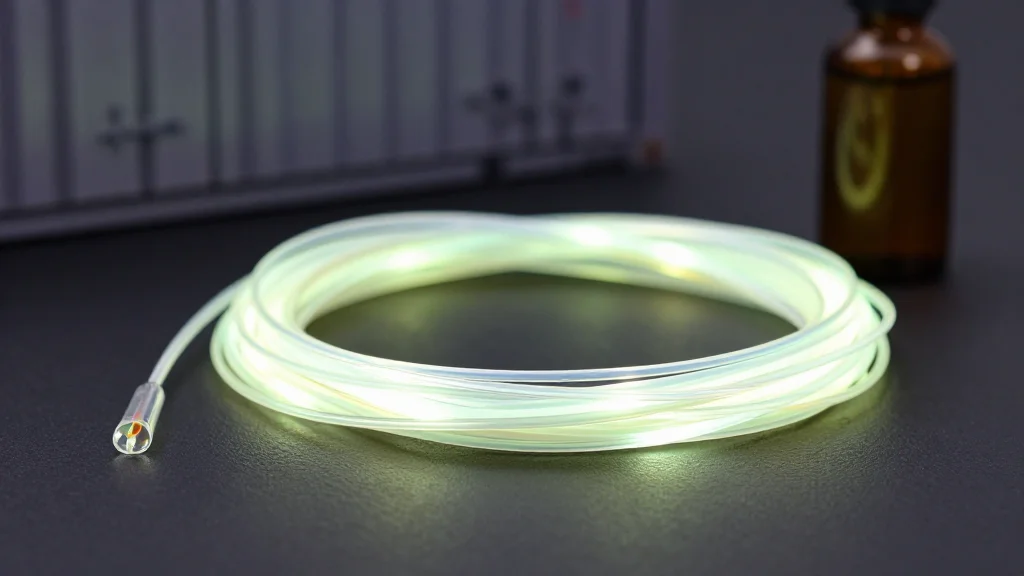
AI infrastructure demand is reshaping fiber economics. Data centers running 400G to 800G connections are buying everything in sight. Glass shortages because Corning is securing all available supply. Resin prices climbing from Middle East constraints. Marginal broadband deployments are being...
Satellites Turn Coverage Backstop, Not Differentiator
.@ATT, .@Verizon, and .@TMobile want to cooperate in the sky while they keep competing on the ground. If they execute, direct-to-device becomes a coverage backstop, not a carrier differentiator. 🧵 #Telecom #Wireless

Price Locks Shift Inflation Burden to Carriers, Not Consumers
Carrier price locks exist because providers raised prices and consumers rejected the unpredictability. Four of the five major carriers now offer locks. The structural differences in what actually receives protection dictate who pays for inflation. 🧵
Price Locks Signal Failed Re‑Rating, Not Bill Savings
Price locks are a warning sign. If you see “price lock” in wireless or broadband, somebody re-rated the base and it didn’t go well. The details matter, because most “locks” don’t lock the bill. 🧵 #Telecom #Pricing
Rising Churn Forces Price‑lock Offers in Telecom
.@Verizon’s churn didn’t drift up by accident. When postpaid churn moves from ~0.89% to ~1.1%-1.2%, you don’t “explain it away”, you change the offer, and price locks are the industry’s answer. 🧵 #Telecom #Wireless
Bundling Still Dominates: Refusers Are a Tiny Segment
The "bundling is dead" narrative is completely false. My latest research reveals the segment of customers refusing to bundle is shockingly tiny, proving convergence is the only game in town. 🧵📉
AT&T Gains 500k Inside Fiber, Loses Outside
.@ATT 's convergence strategy works inside their fiber footprint. The data reveals a half million subscriber gain inside the fiber zone while bleeding customers outside of it. The market completely misunderstands this competitive reality. 📈🏢 #Telecom #Fiber #Broadband
Fiber Footprints, Not Fixed Wireless, Win Broadband Profits
Fixed wireless is not the broadband endgame. Fiber footprints decide winners, and the earnings math proves it. 🧵📊 #Telecom #Broadband
Fiber, Not Convergence, Drives Telecom Share Growth
The telecom “convergence” story is real, but the industry is ignoring the only part that actually moves share: fiber. 🧵📊

Fiber Ownership Trumps Brand, Price, Quality for Wireless Share
Across nearly 1.4 million survey responses, one variable predicts wireless market share better than brand, price or network quality: whether the carrier owns the fiber under the street. https://t.co/ybf3rm6h5z @Light_Reading https://t.co/ybf3rm6h5z
Fiber Boosts Market Share by 15%, Yet Underpriced
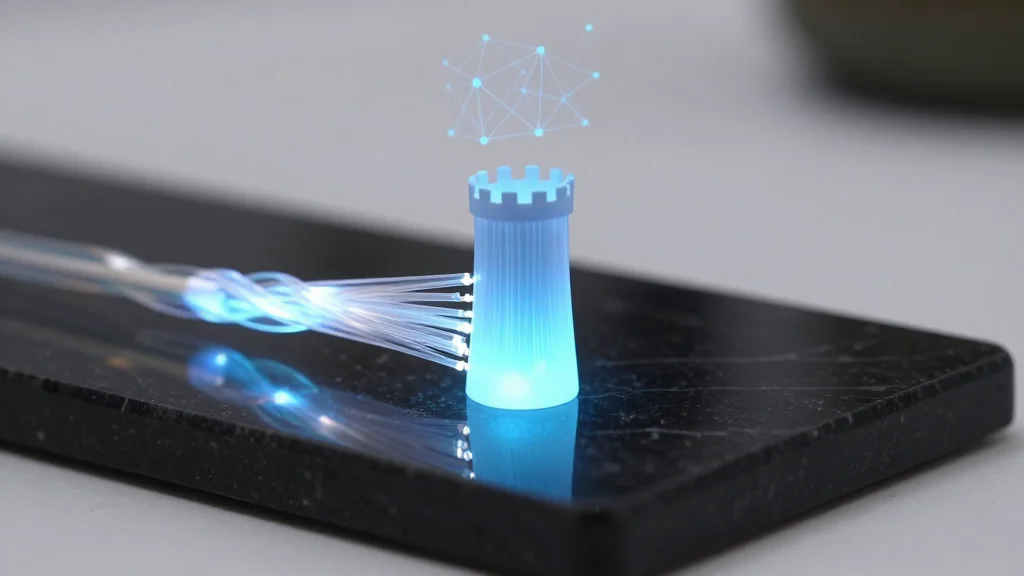
The "fiber castle" effect is real and it's reshaping telecom. Our data shows fiber gives a 15% market share lift, and it doesn't matter if you're @ATT or @Verizon. The market is massively underpricing this structural advantage. 🧵📊