
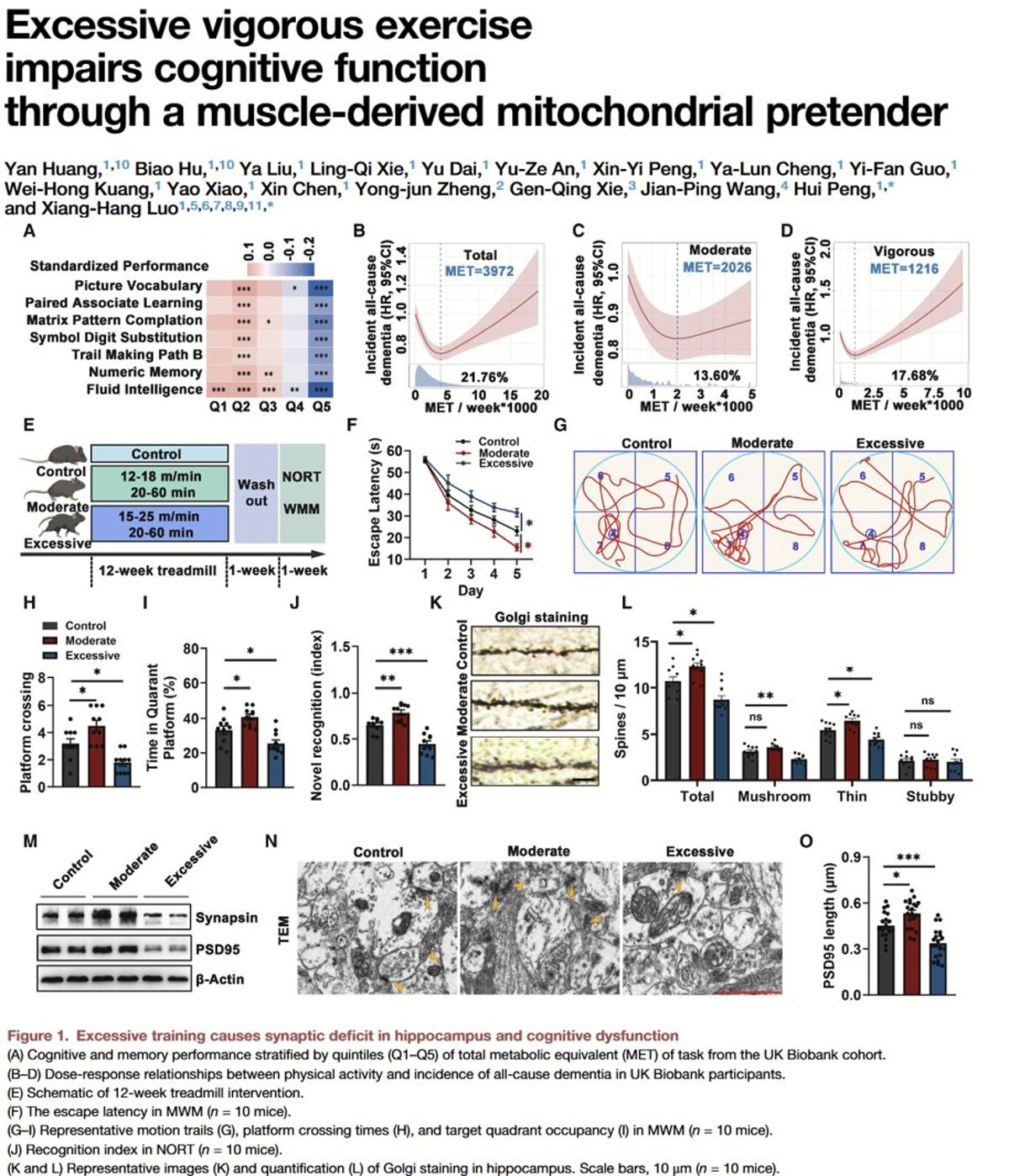
Overtraining Sends Muscle Vesicles to Brain, Impairing Memory
Can too much exercise harm the brain? This study suggests that excessive vigorous exercise triggers muscle-derived mitochondrial vesicles that travel to the hippocampus, disrupt synaptic energy supply, and impair cognition. The findings reveal a surprising muscle-to-brain pathway linking overtraining to memory and cognitive decline—and suggest that more exercise isn't always better. #Overtraining #Mitochondria #Cognition @WuTsaiAlliance https://t.co/u6wnOCDT5g
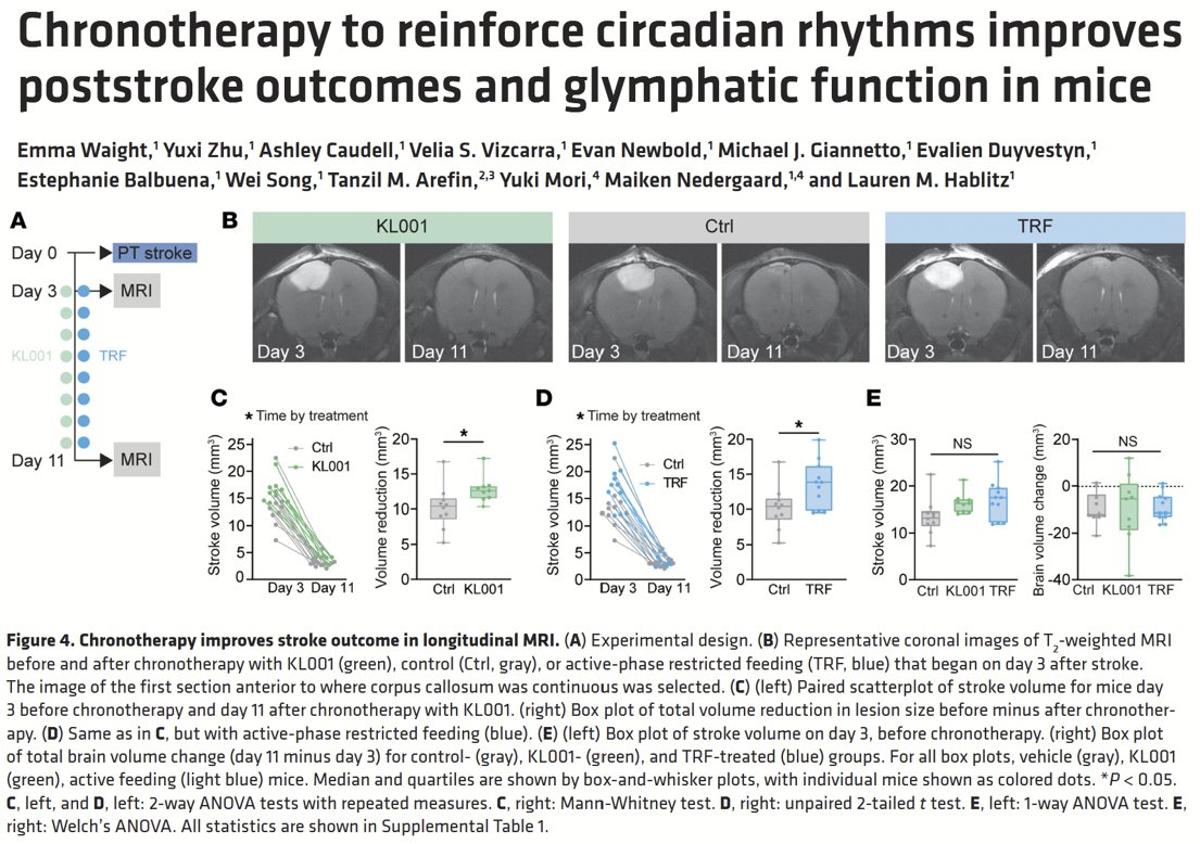
Clock‑targeting Drug or Timed Eating Boosts Stroke Recovery
Sustaining a strong circadian rhythm through Time restricted feeding or a clock drug can accelerate recovery from stroke. 🧠⏰ In mice, boosting circadian rhythms with a clock-targeting drug (KL001), or time-restricted feeding enhanced glymphatic brain clearance and improved recovery after stroke....
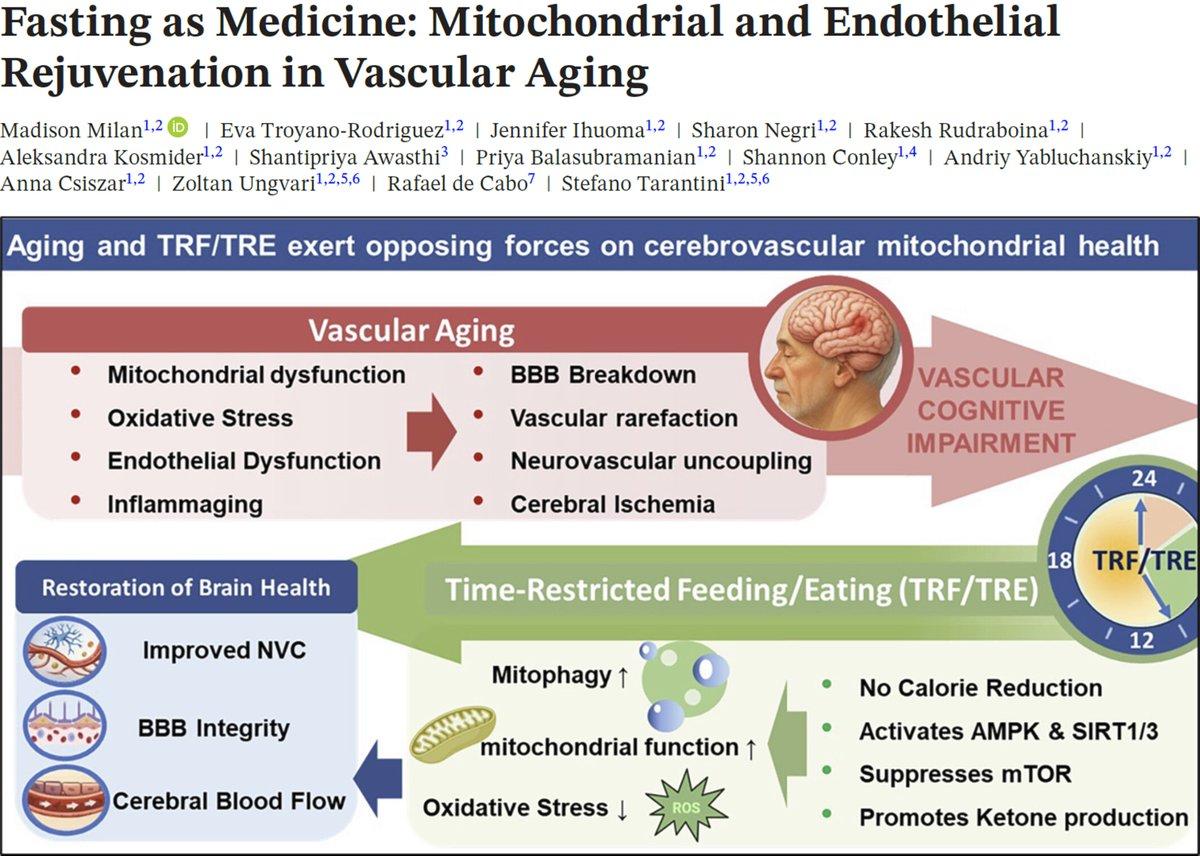
Fasting May Preserve Vascular Health as We Age
As we age, our blood vessels age too—and that may drive many age-related diseases. This review discusses how #IntermittentFasting and #TRE could help keep blood vessels healthier for longer. https://t.co/RqERn5QXud https://t.co/WkhHxlRikl
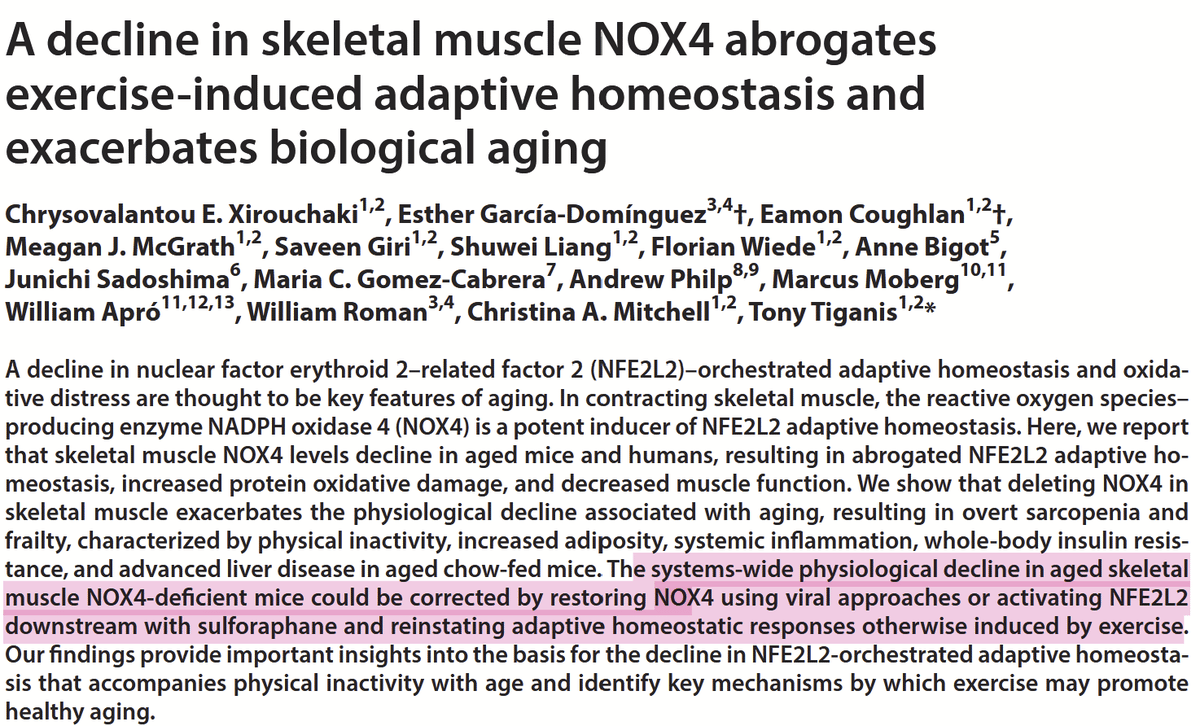
Restoring NOX4/NFE2L2 Pathway
Aging muscles lose more than strength—they lose a key stress-response pathway. This paper found that declining NOX4 levels impair NFE2L2-driven adaptive homeostasis, accelerating sarcopenia, frailty, insulin resistance, and inflammation. Restoring this pathway with exercise-mimicking interventions or sulforaphane reversed many age-related...
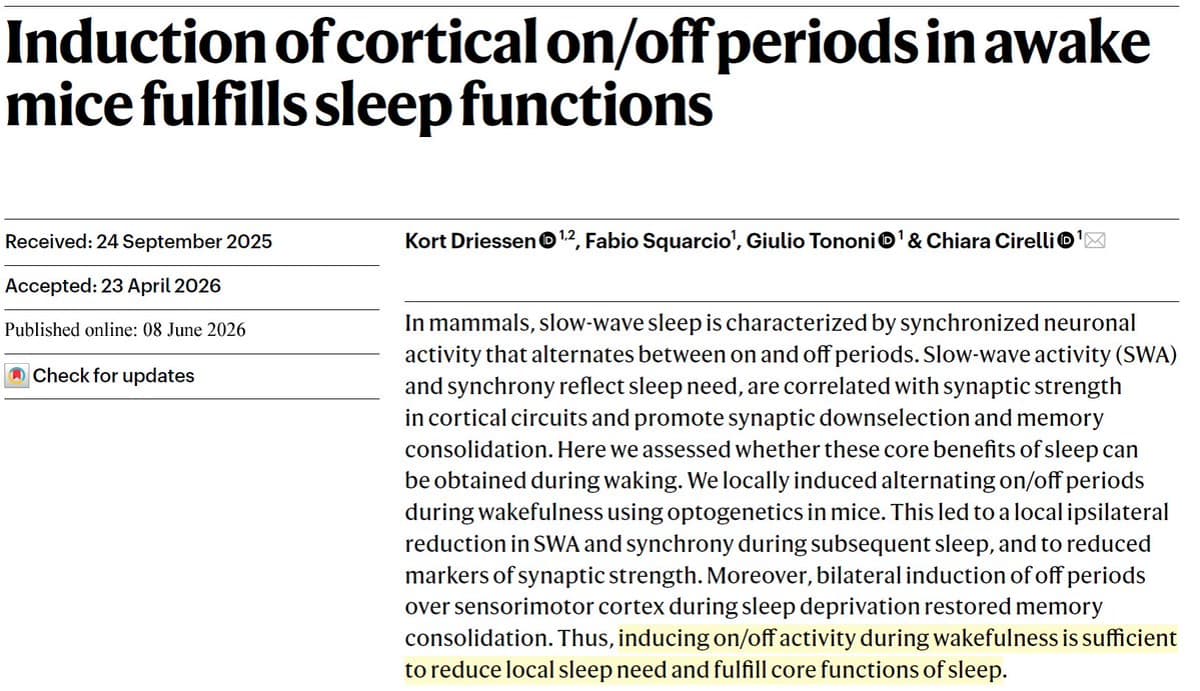
Wakeful “Off Periods” Replicate Sleep’s Memory Benefits
Can sleep’s core benefits be delivered without actually sleeping? Scientists induced sleep-like neuronal “off periods” during wakefulness in mice, reducing local sleep pressure, weakening synaptic strength, and even restoring memory consolidation during sleep deprivation. The findings suggest key functions of sleep...

Elite Sports Research Fuels Health and Longevity Breakthroughs
This World Cup Highlights the potential of science and technology in elite sports. https://t.co/5hAZybS1eM Biomedical breakthroughs often come from studying disease. But understanding how elite athletes optimize physical, cognitive, and emotional performance, and recover from injury may unlock strategies to improve health,...
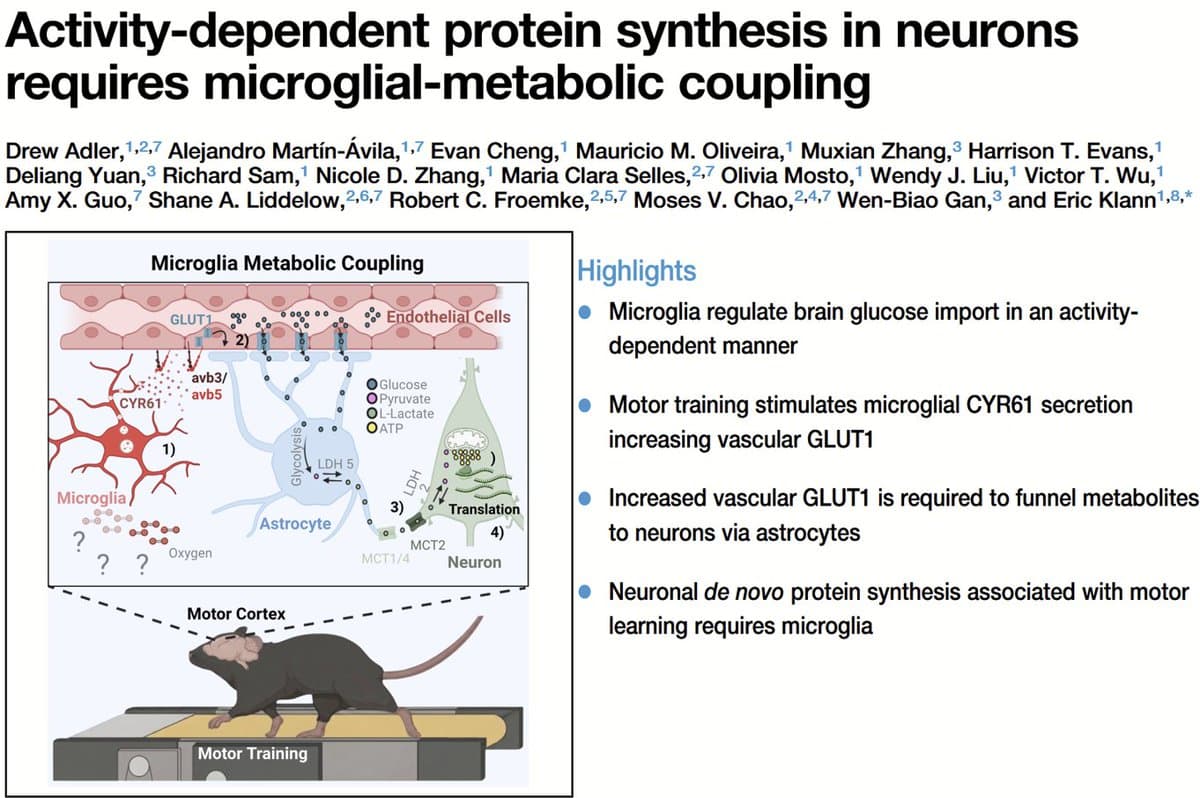
Microglia Fuel Learning by Boosting Brain Glucose Transport
Building memories is energetically expensive. New research reveals that microglia help meet this demand by orchestrating a neuroimmune metabolic circuit that boosts glucose transport to active brain regions, fueling neuronal protein synthesis required for learning. During motor learning, microglia release CYR61,...
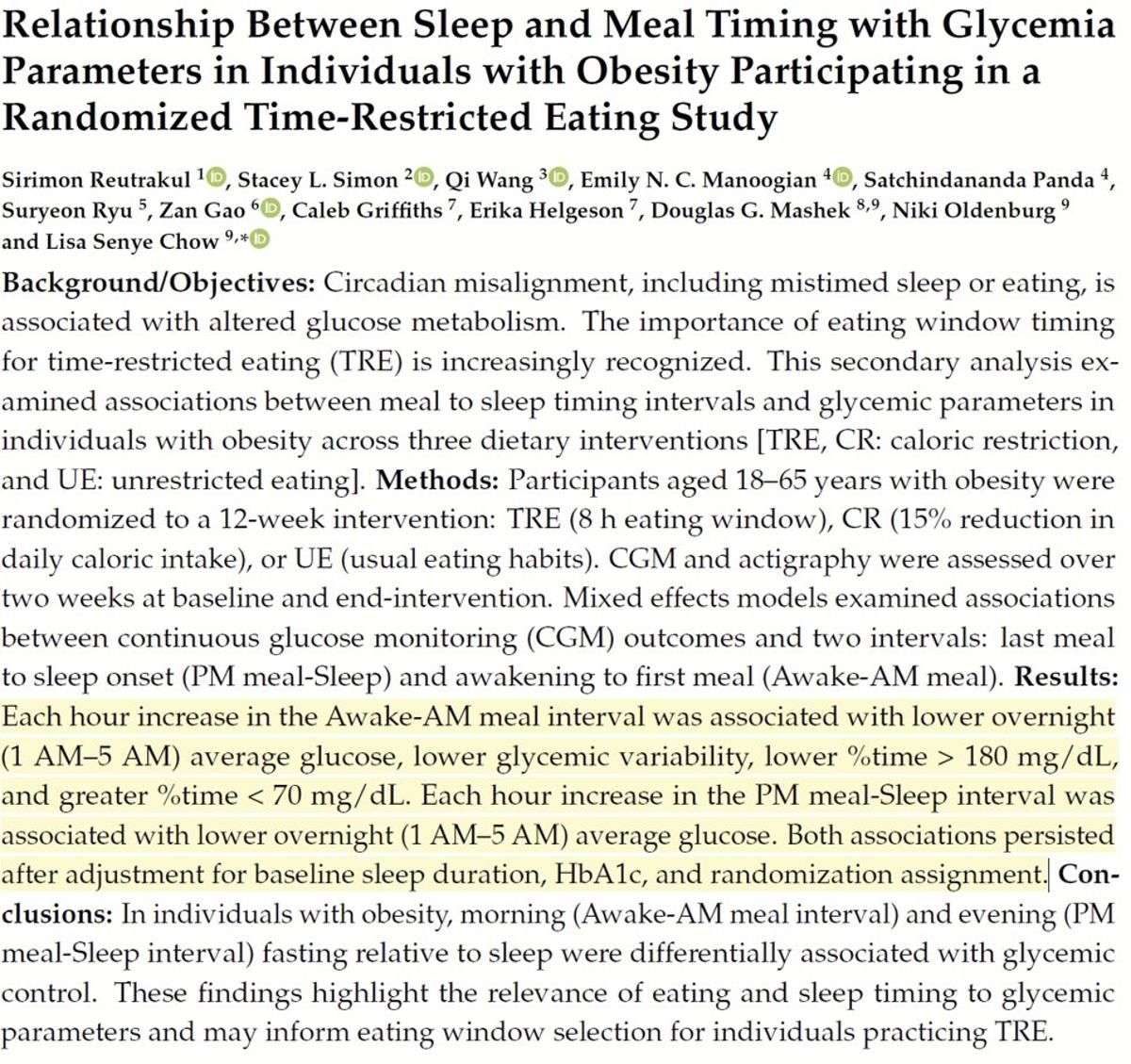
Longer Meal Gaps Boost Overnight Glucose Control
How to choose your time restricted eating window for better glucose control? In adults with obesity, longer gaps between the last meal and sleep—and between waking and the first meal—were linked to lower overnight glucose levels and improved glycemic control. Aligning...
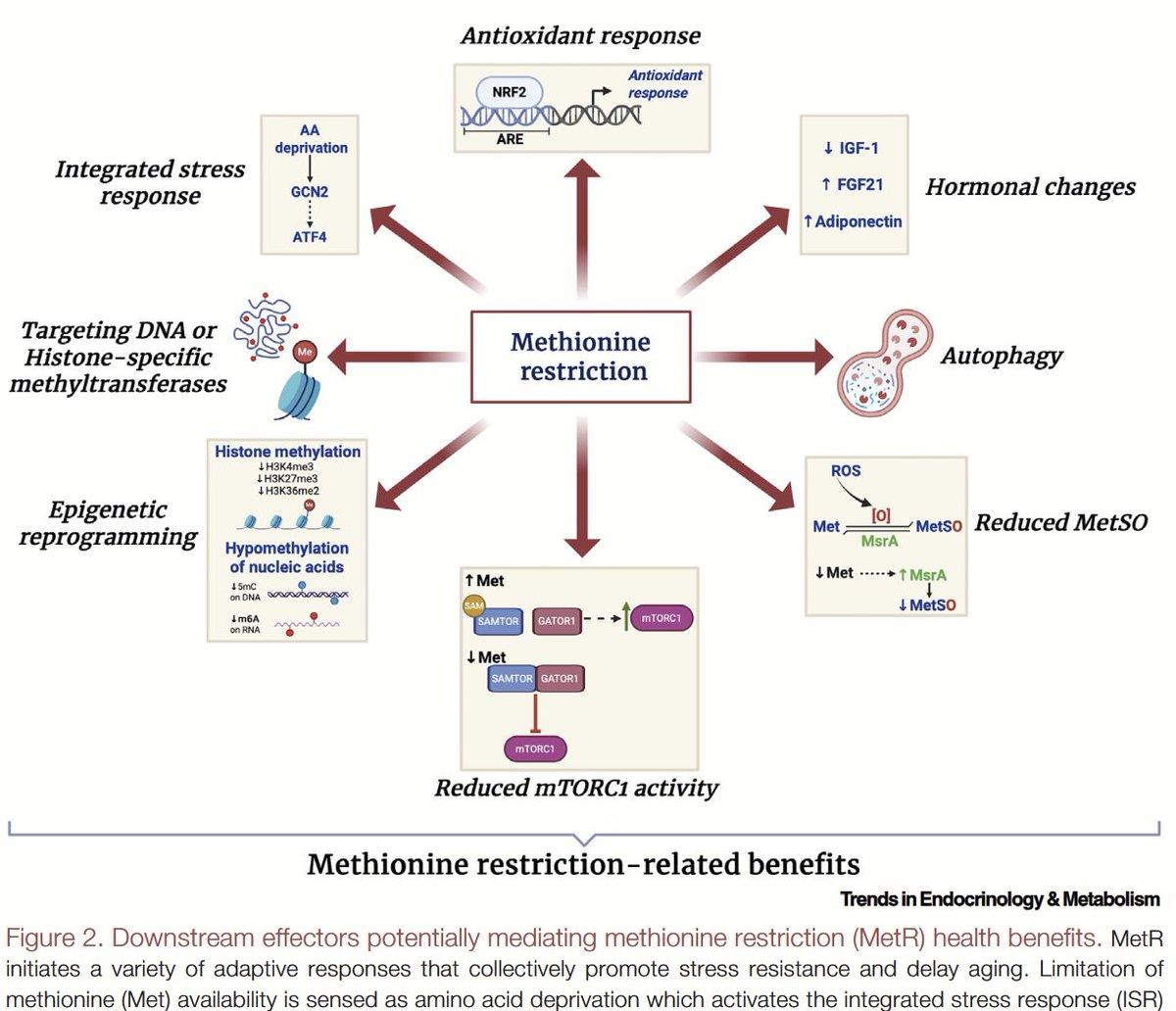
Mimicking Methionine Restriction: New Therapies Target Longevity
Methionine restriction (MetR) extends lifespan and improves metabolic health across multiple species. Yet translating these benefits to humans remains challenging due to dietary adherence, side effects, and biological workarounds such as microbiota-derived methionine and cysteine compensation. New approaches—including small molecules,...
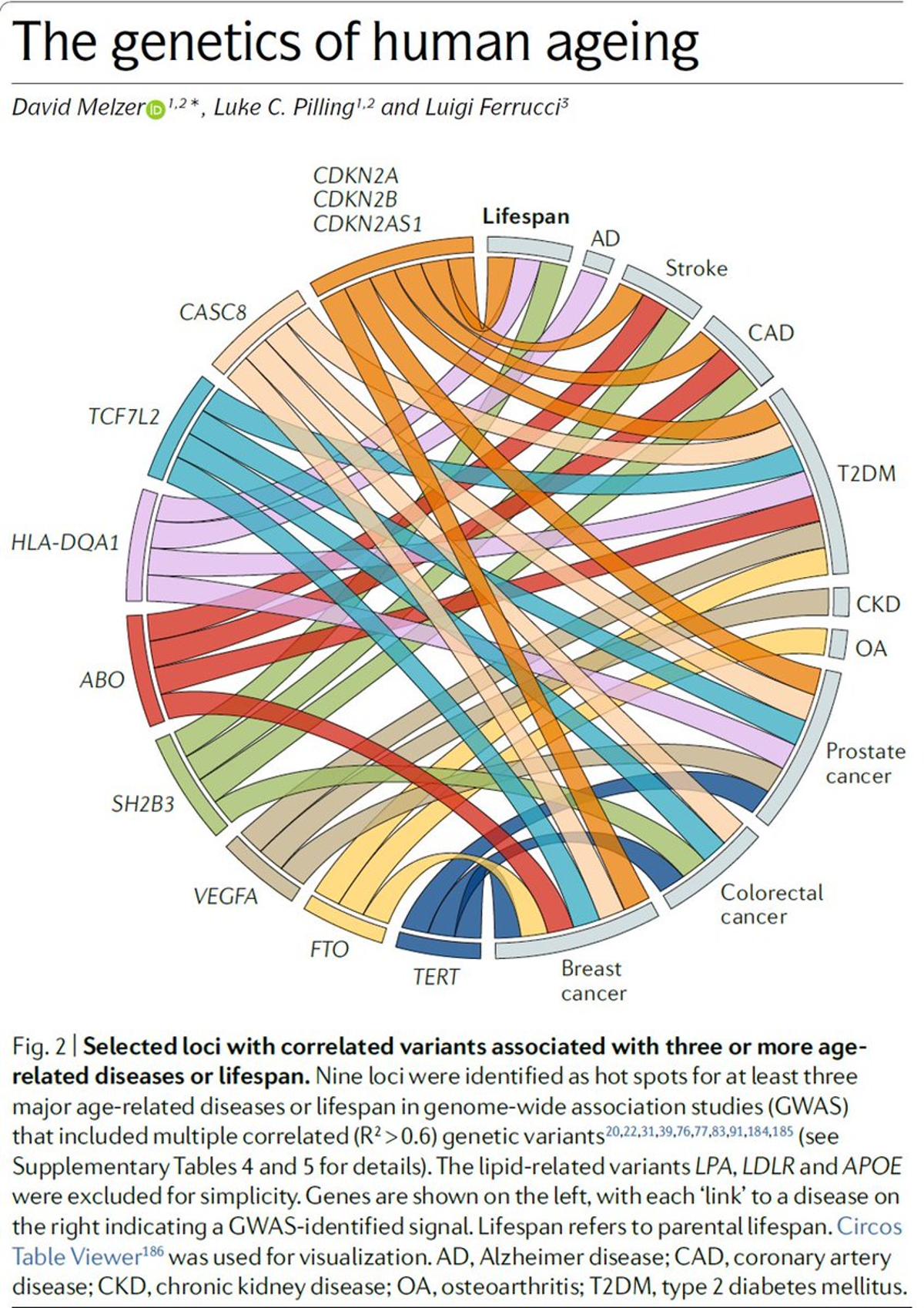
Eleven Genes Link Mutations to Multiple Chronic Diseases
Disease causing mutations in each of these 11 genes are implicated in at least three different chronic diseases or lifespan in humans. #Aging #Longevity #Genetics https://t.co/FszNqf5Y8z https://t.co/15cirHIKze
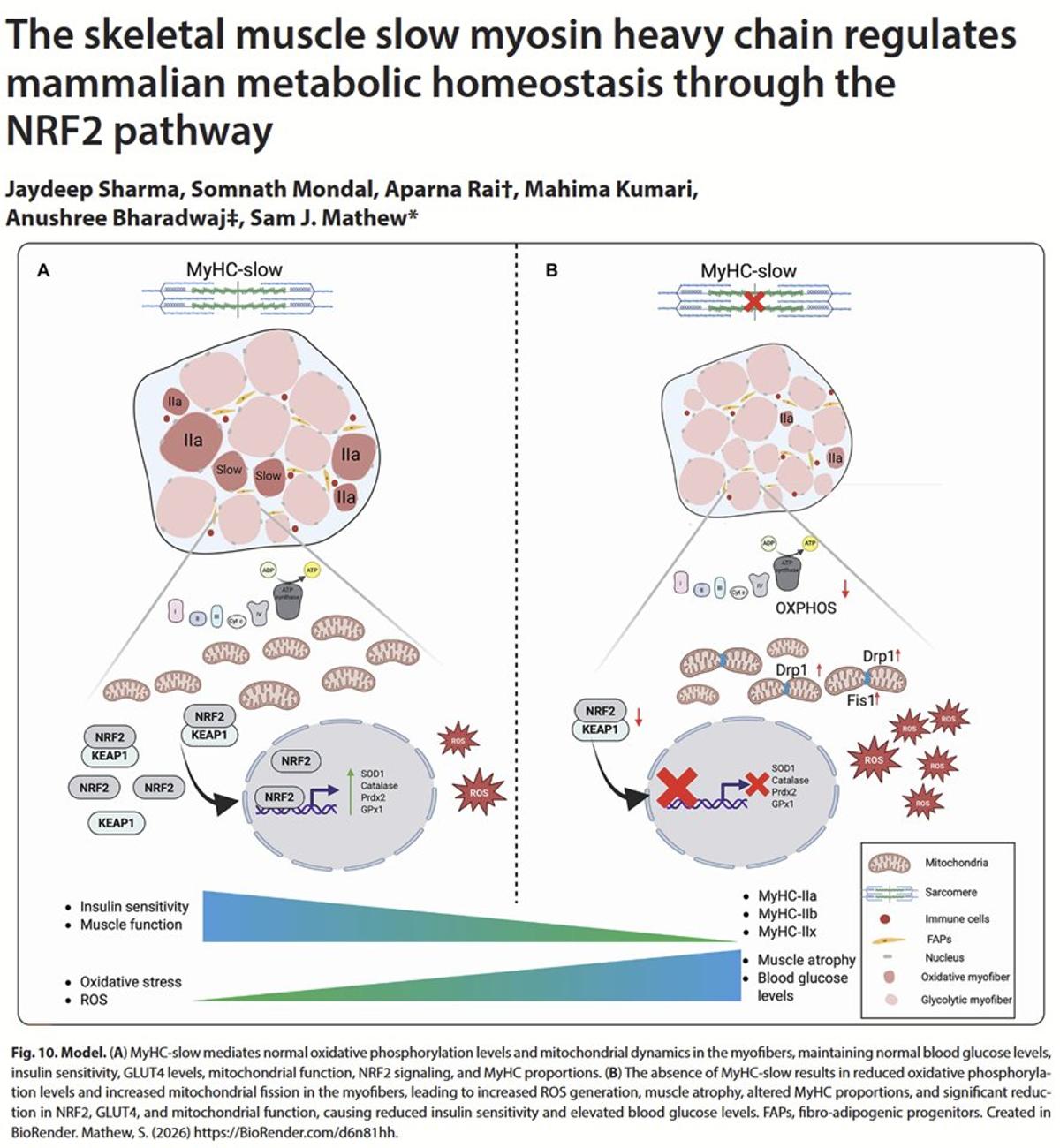
MyHC‑slow Loss Drives Insulin Resistance; Sulforaphane Rescues
Muscle contraction and metabolism are more connected than we thought. Loss of the slow-twitch motor protein MyHC-slow (Myh7) triggers muscle dysfunction, insulin resistance, and impaired glucose uptake via disrupted NRF2 signaling and mitochondrial health. Sulforaphane reversed many of these effects,...
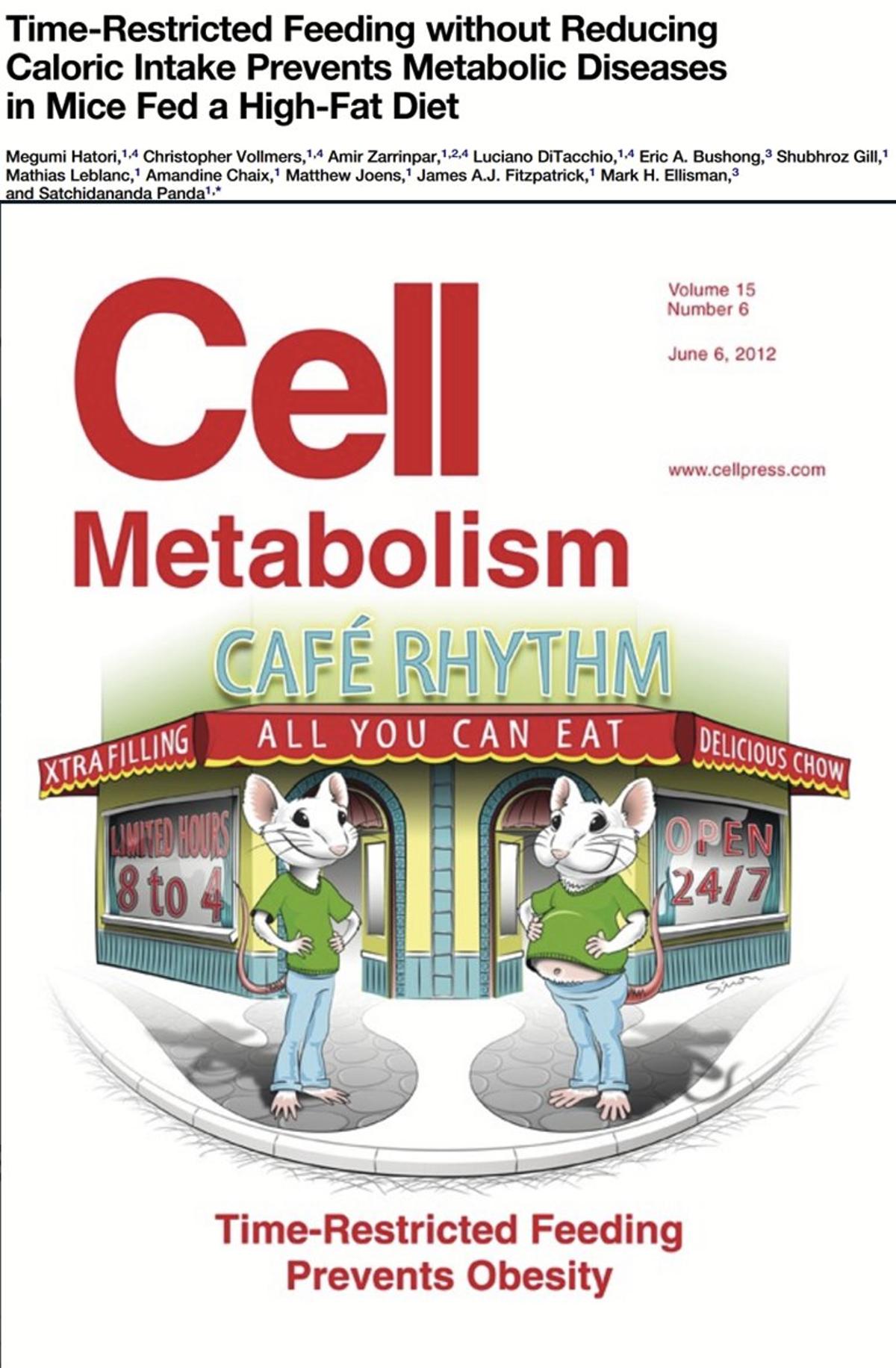
Time‑Restricted Eating Boosts Health, Sparks Intermittent Fasting Era
Fourteen years ago today, our lab published the first definitive evidence that simply restricting when mice eat—without changing the amount or quality of food—can deliver profound health benefits. That discovery helped launch a new era of circadian nutrition research and...
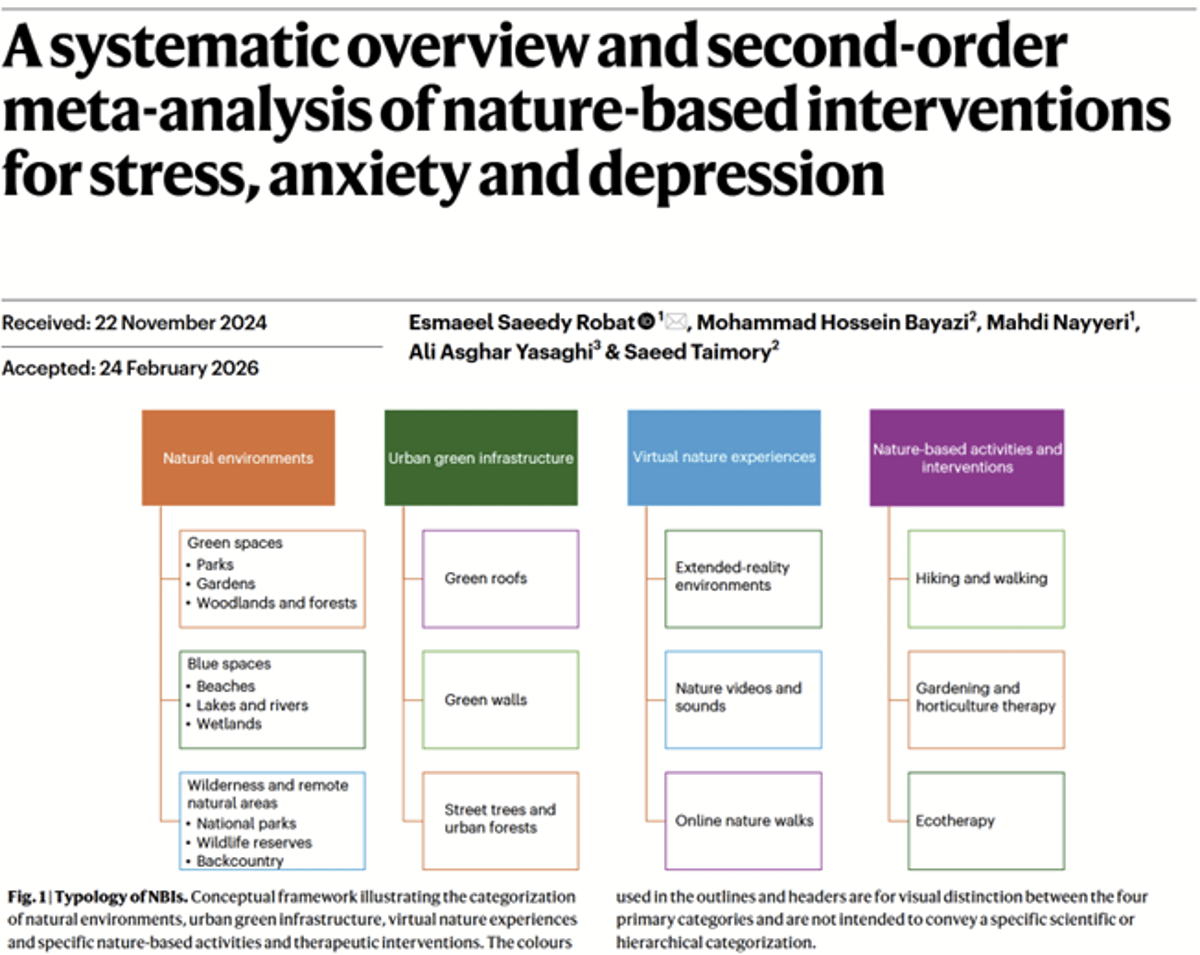
Nature Interventions Slash Anxiety, Boost Mood, Proven by Massive Meta‑Analysis
Spending time in nature (even virtual nature) is more than a pleasant escape. A meta-analysis spanning 3,870 studies and >10 million participants found that nature-based interventions reduce anxiety, depression, stress, and heart rate while boosting positive mood and relaxation. 🌿...
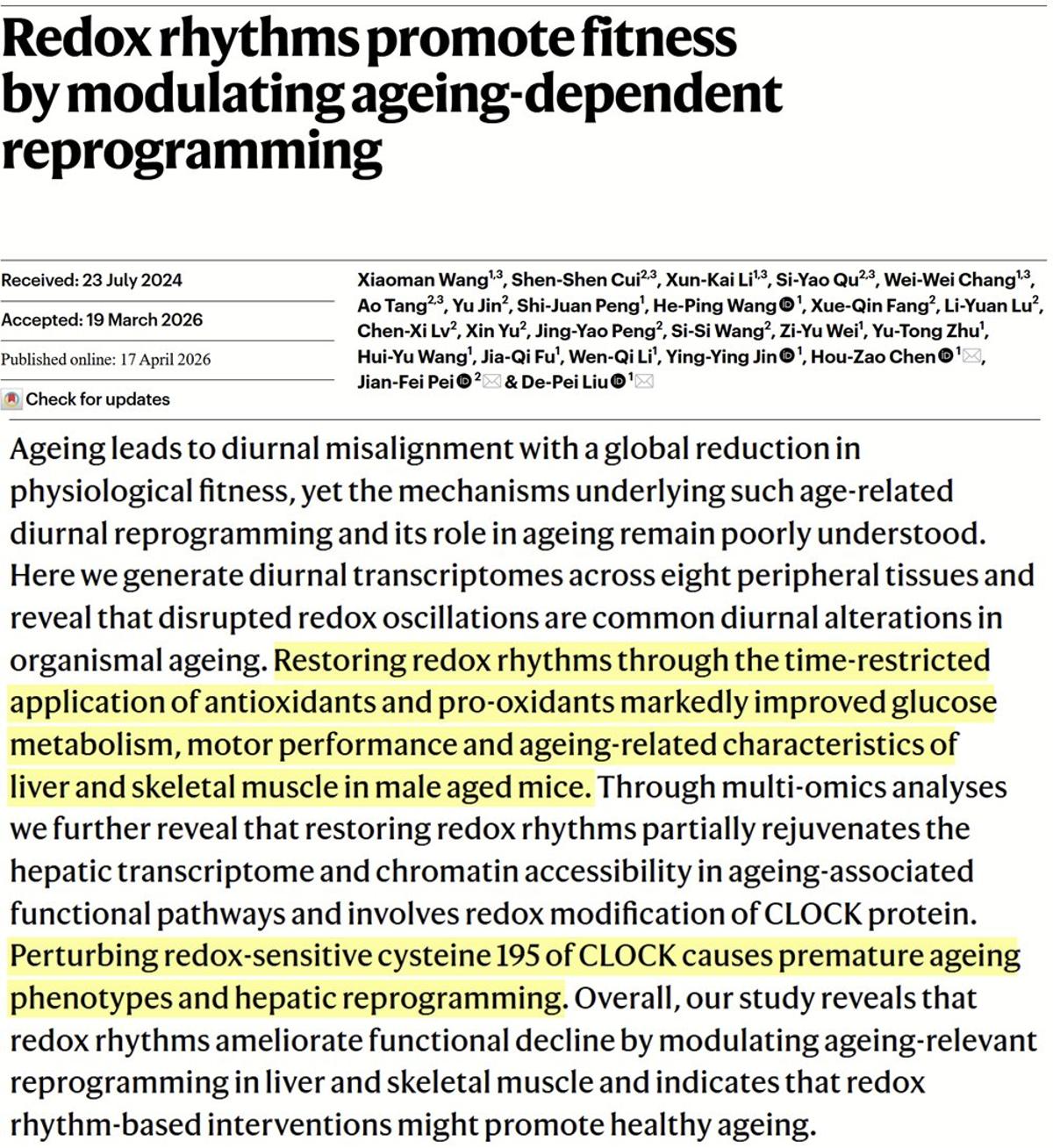
Timed Antioxidants Restore Redox Rhythms, Rejuvenate Aged Mice
Aging disrupts daily redox rhythms across tissues, contributing to metabolic and functional decline. In aged mice, timed antioxidant/pro-oxidant interventions restored redox oscillations, improved glucose metabolism and motor performance, and partially rejuvenated liver and muscle programs. #Aging #CircadianBiology #Longevity https://t.co/s5qZVYxvWq
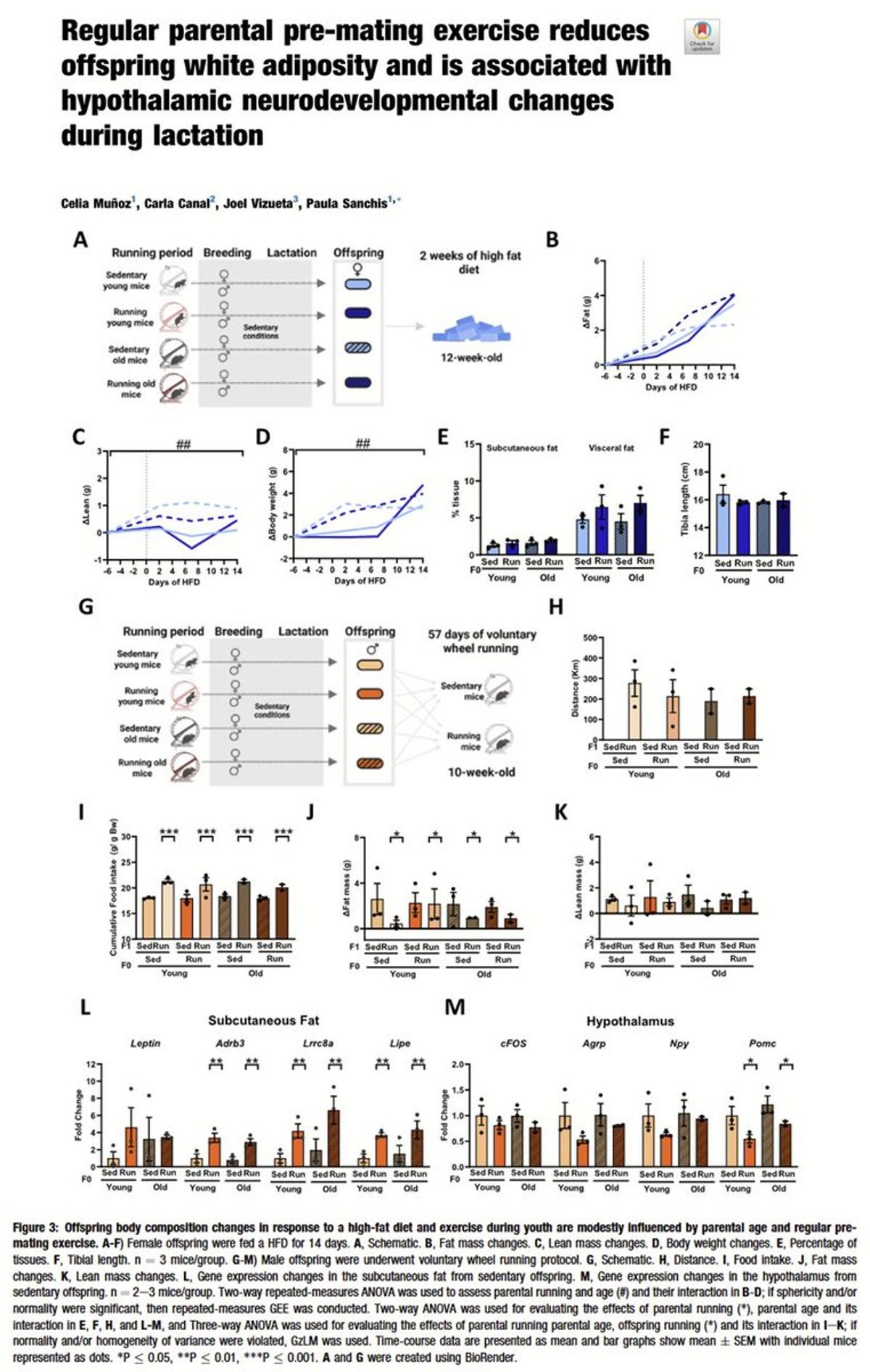
Parental Exercise Pre‑Conception Programs Offspring Metabolism
Exercise benefits may begin before conception. In mice, parental physical activity before mating shaped offspring body composition, hypothalamic gene expression, and early-life metabolic programming—with effects influenced by parental age and potentially mediated through changes in breastmilk composition. #ExerciseScience #Epigenetics #MetabolicHealth...