
Recent Posts
Social•Feb 20, 2026
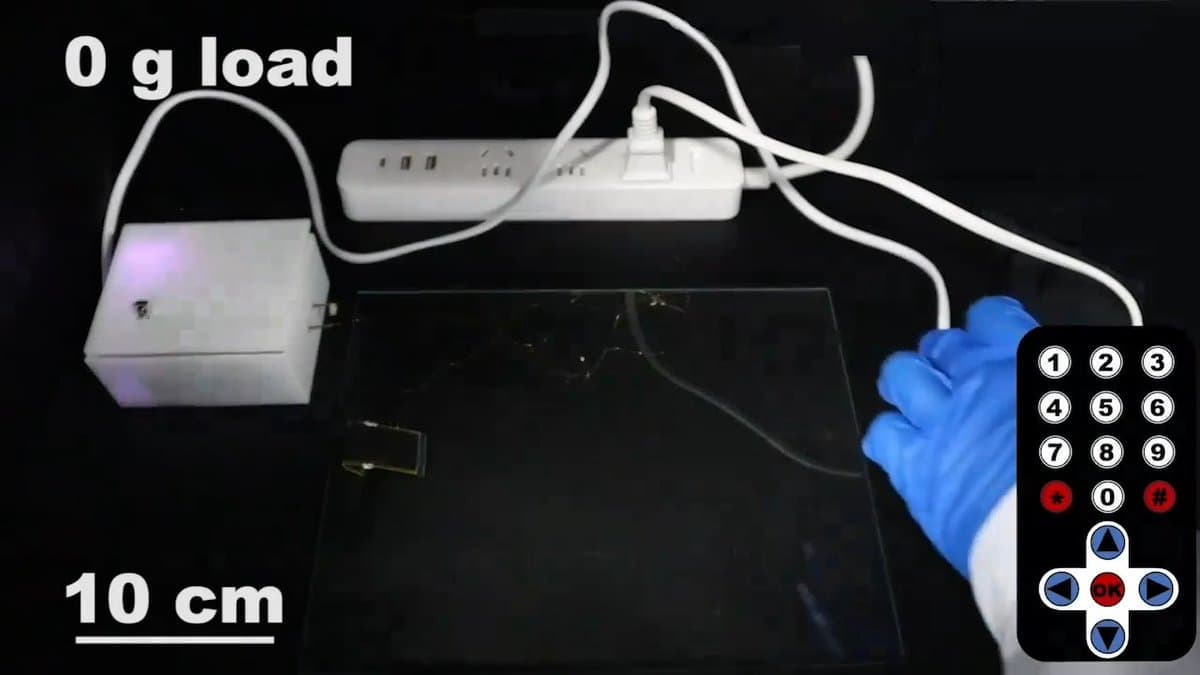
Dielectric Elastomer Powers Wearable Fluidics at Household Voltage
A new Science #Robotics study highlights a high-performance #dielectric #elastomer that can operate at household voltages and drive wearable fluidic circuits and untethered soft robotic crawlers. https://t.co/zAb0uHec2c https://t.co/rXz1K9J9G1
By Science Robotics
Social•Feb 19, 2026
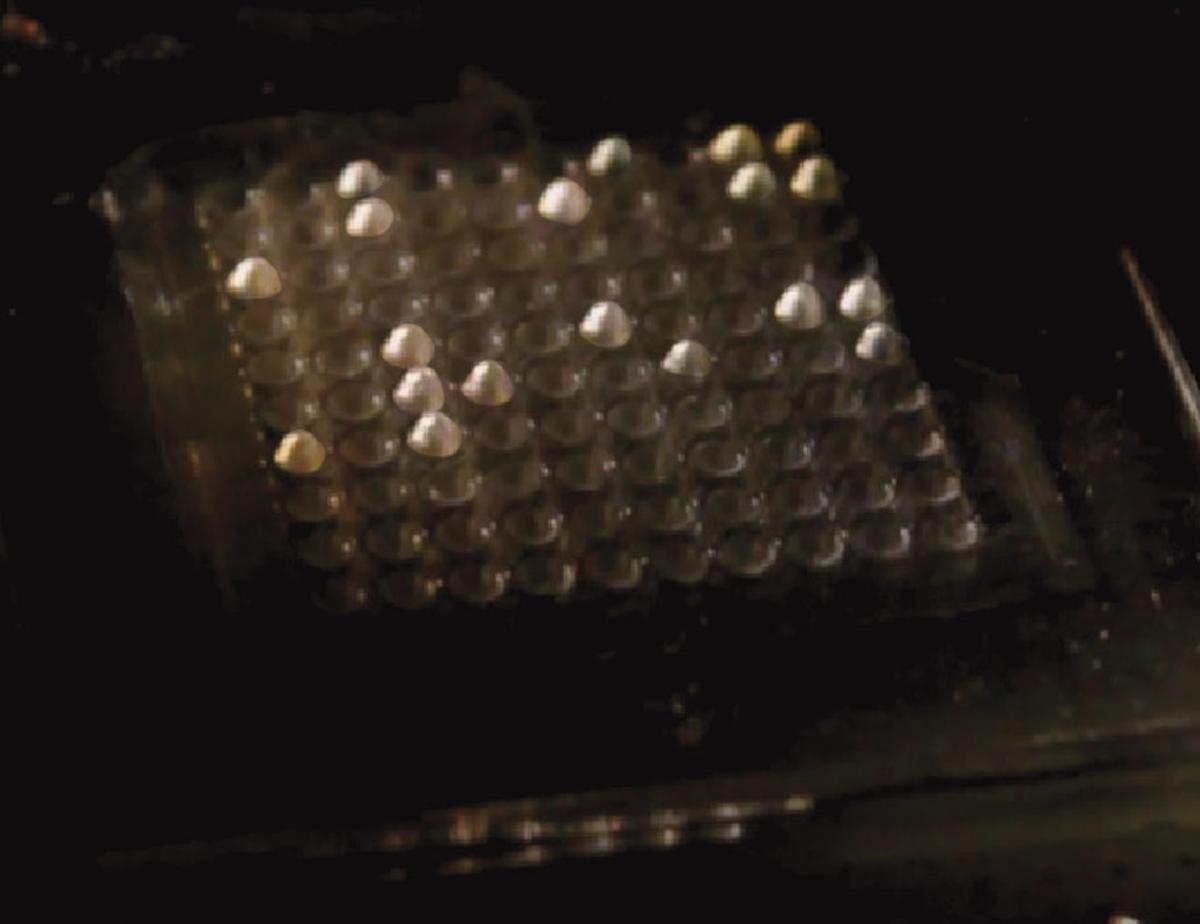
Soft Robotics and Assistive Tech: Merging for Societal Benefit
A new Science #Robotics Focus article discusses how soft robotics and assistive technologies are intertwined and explores how innovations in these fields could benefit society at large. https://t.co/2CVjJj480Z https://t.co/xaUpYivsJg
By Science Robotics
Social•Feb 18, 2026
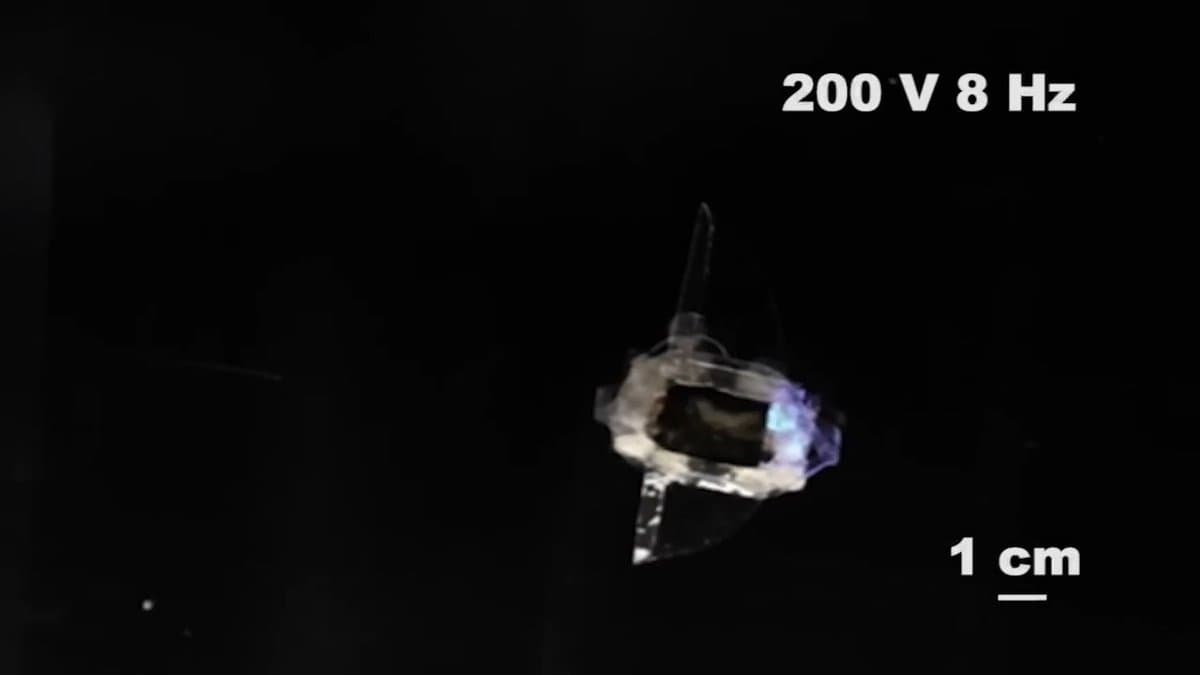
Low‑Voltage Artificial Muscles Power Untethered Soft Robotic Fish
Scientists have developed #dielectric elastomer actuators, or artificial “muscles”, that can operate at low voltages while still producing high output to drive #untethered, soft robotic fish movements. Learn more in Science #Robotics: https://t.co/zAb0uHec2c https://t.co/NbGduWdDoh
By Science Robotics
Social•Feb 17, 2026
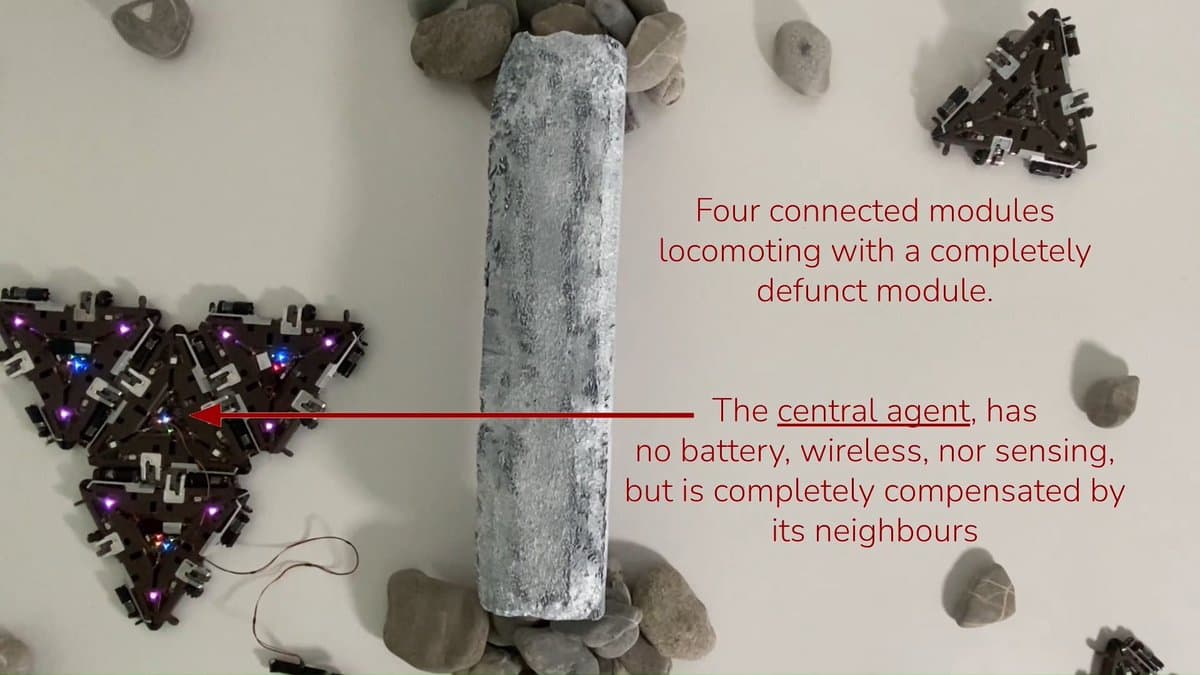
Mori3 Robots Keep Walking via Local Resource Sharing
Scientists have developed a method that promotes local resource sharing between individual Mori3 modules, enabling the robot to “walk” even when one agent loses power, communication, and sensing. Learn more in Science #Robotics: https://t.co/NRPlam3xZS https://t.co/9g6atd7U0e
By Science Robotics
Social•Feb 16, 2026
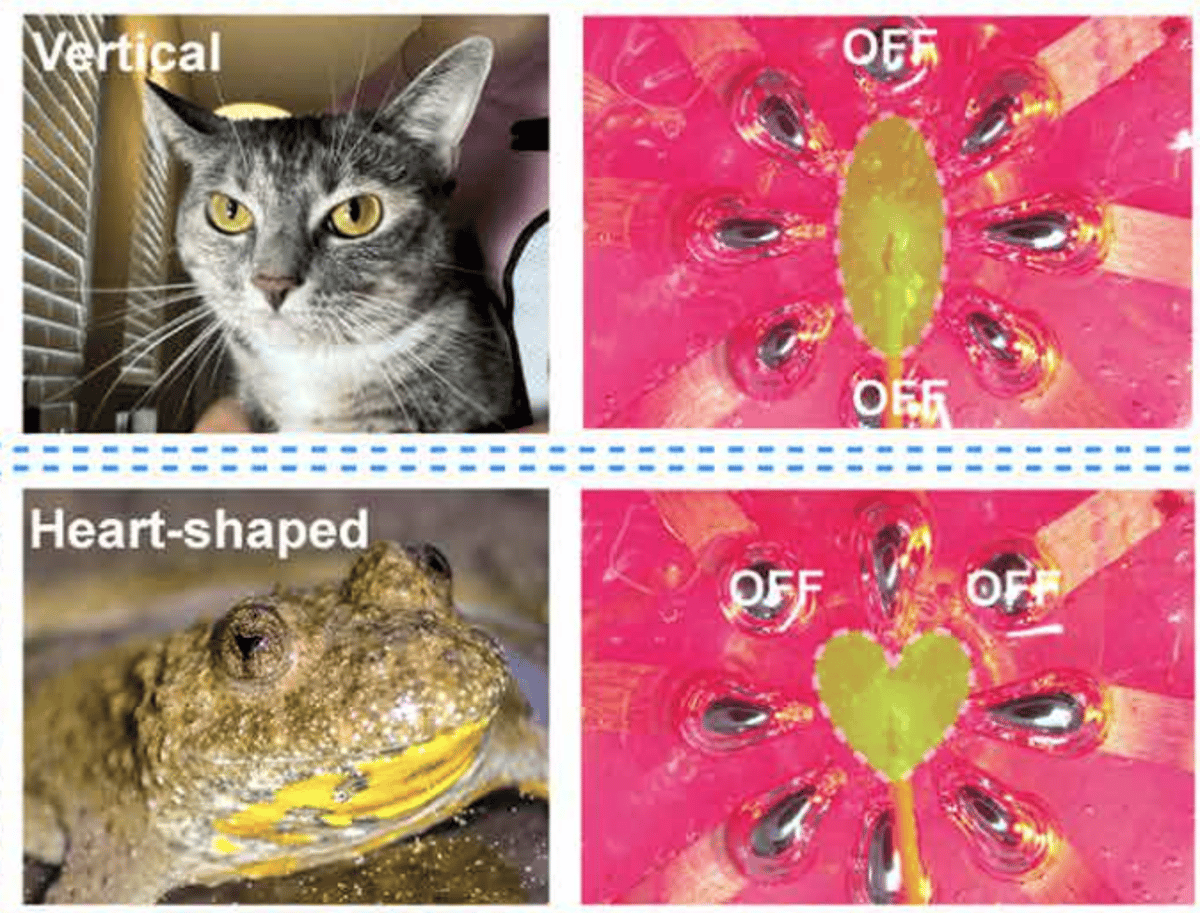
Bionic Eye Mimics Animal Pupils for Sharper Focus
A new Science #Robotics study describes a #bionic eye that can simulate irregular pupils such as a cat’s vertical pupil for precise focus while hunting and a toad's heart-shaped pupil for improved depth perception. https://t.co/p1uZy6rbky https://t.co/X4pzdrnoIi
By Science Robotics
Social•Feb 13, 2026
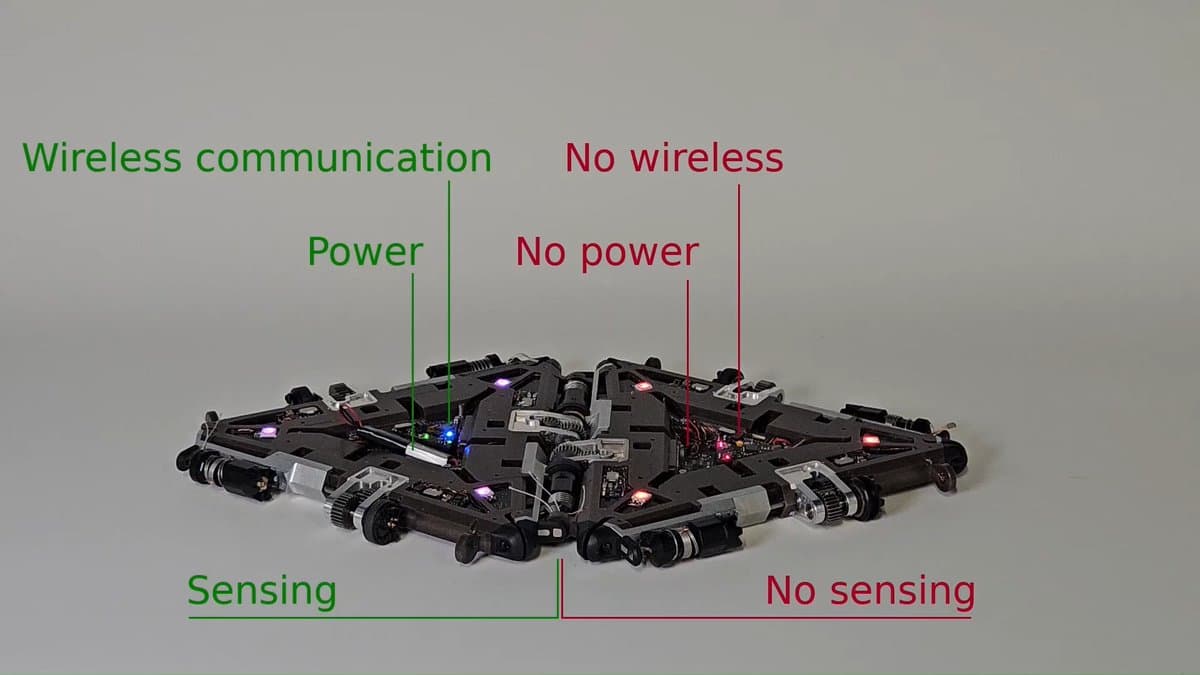
Robots Share Power to Rescue Failed Neighbors
A new Science #Robotics study describes a method that enables robotic modules to share their resources with a “dead” neighbor, overcoming failure to ensure the reliability of robot collectives. @robotician @RRL_EPFL https://t.co/NRPlam3xZS https://t.co/pNiqhfqVwD
By Science Robotics
Social•Feb 12, 2026
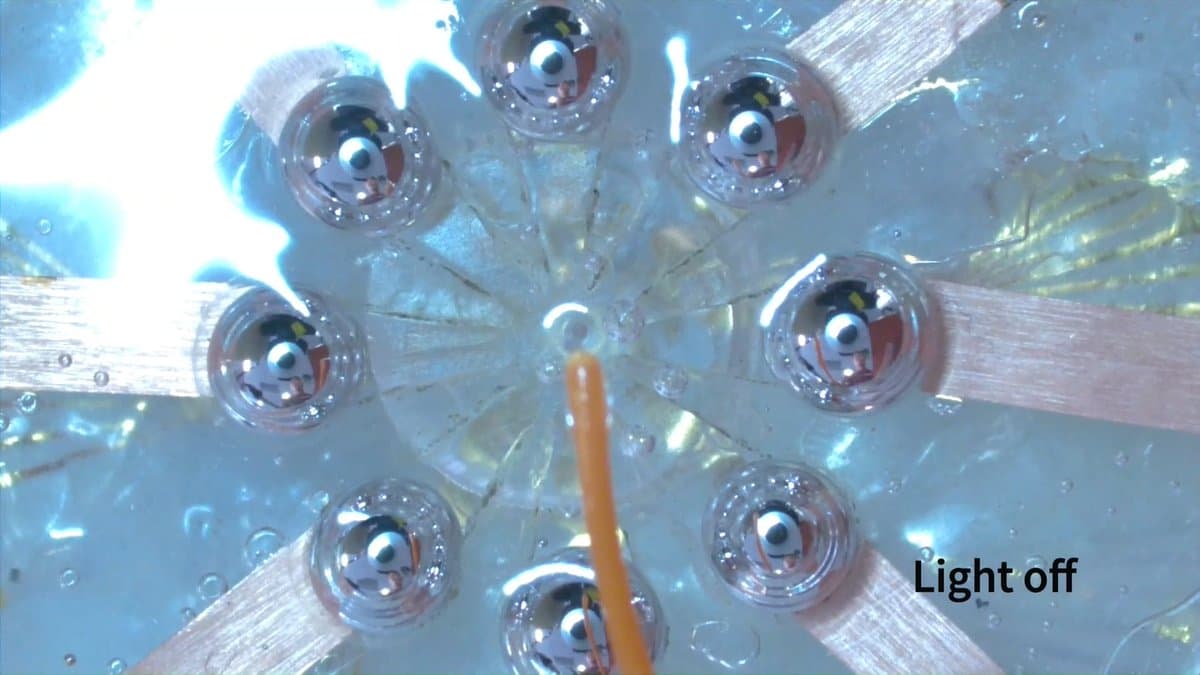
Bioinspired Eye Mimics Human Pupil for Better Vision
A #bioinspired eye can reflexively constrict or dilate its pupil in response to varying light levels like a human eye, which could improve image detection and find applications in autonomous driving. @baiwubin Learn more in Science #Robotics: https://t.co/p1uZy6rbky https://t.co/9TwSpPBNds
By Science Robotics
Social•Feb 6, 2026
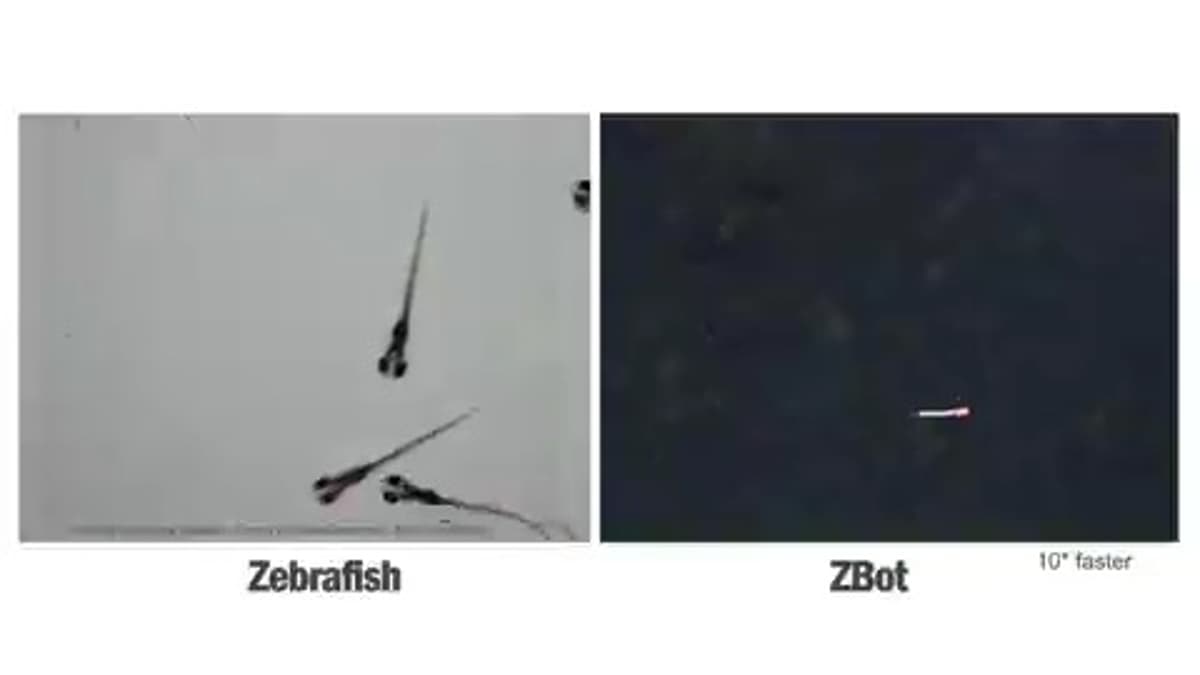
Bout-and-Glide Swimming Proven More Energy Efficient
A recent Science #Robotics study uses a #bioinspired robot to demonstrate that “bout-and-glide" swimming, seen in aquatic animals such as zebrafish and humpback whales, is more energy efficient than continuous swimming. https://t.co/8EWURPmuCh https://t.co/bUXSw19YsT
By Science Robotics
Social•Feb 5, 2026
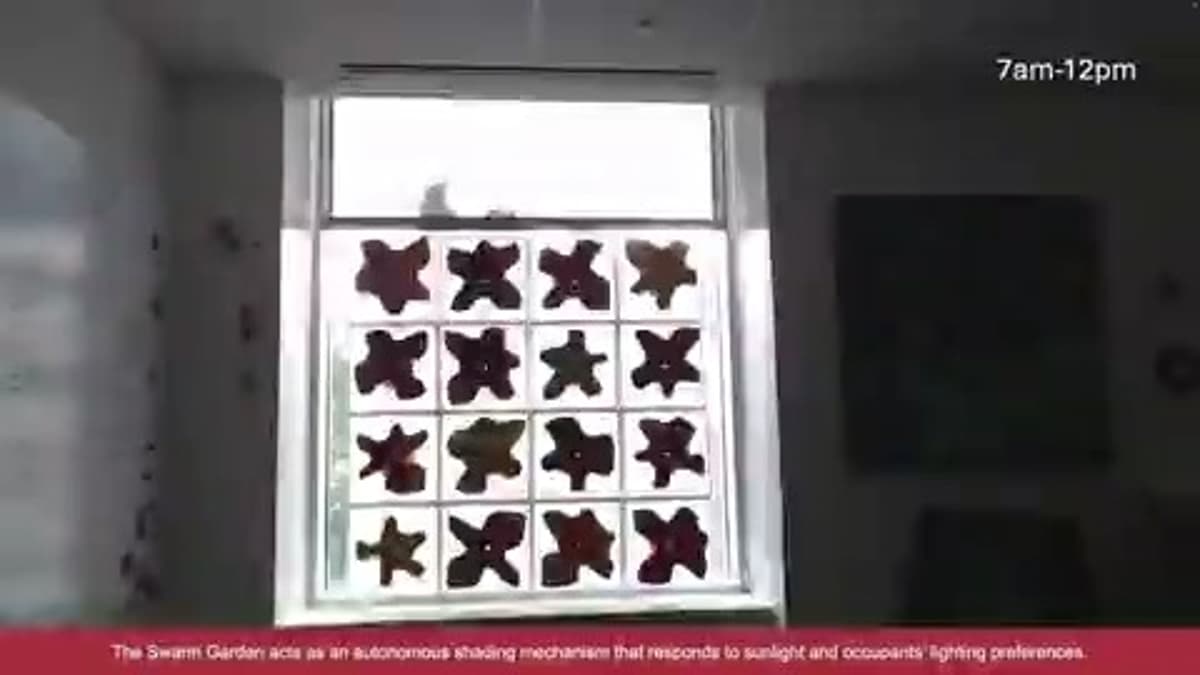
Robotic Modules Bloom Like Flowers to Auto‑shade Rooms
Scientists have developed rearrangeable robotic modules that can “bloom” like flowers to shade a sunlit room by sensing light levels and adapting collectively. Learn more in Science #Robotics: https://t.co/0zas9GijHE https://t.co/eodfL5SNiU
By Science Robotics
Social•Feb 4, 2026
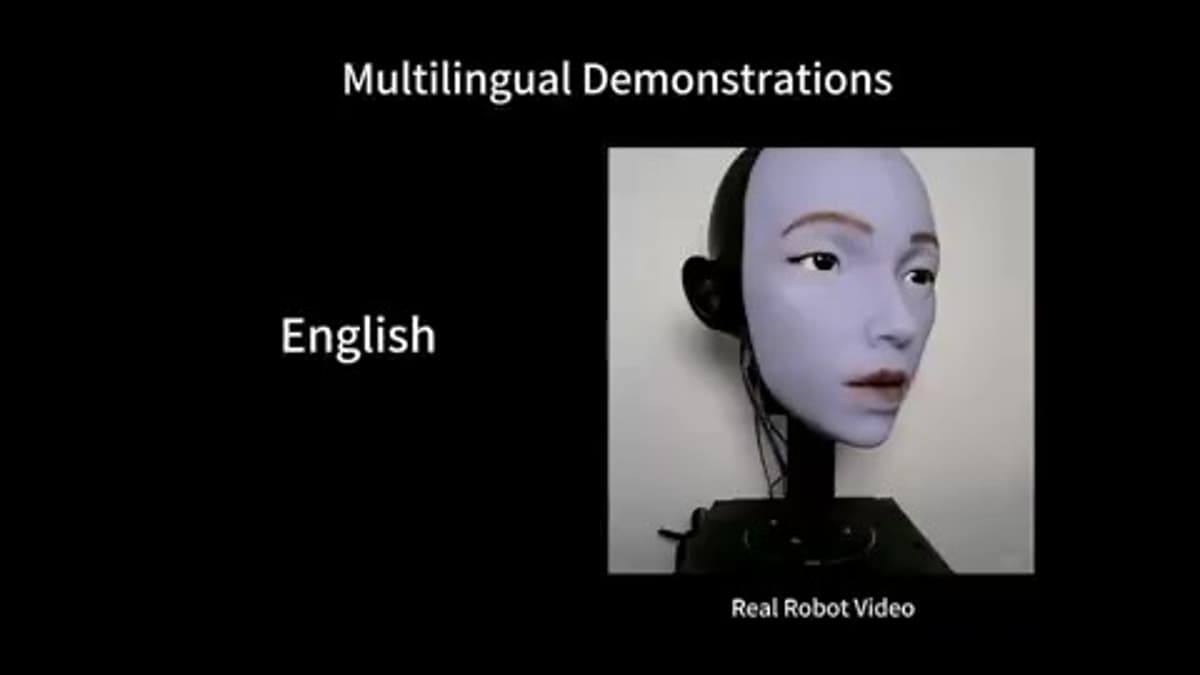
Robot Faces Now Sync Lips Across 12 Languages
Scientists have designed a framework that enables a humanoid robot face to produce realistic lip-audio synchronization across 12 different languages, including English, Russian, Korean, and Arabic. Learn more in Science #Robotics: https://t.co/Sk4UElC3o8 https://t.co/geXyInLY89
By Science Robotics
Social•Feb 3, 2026
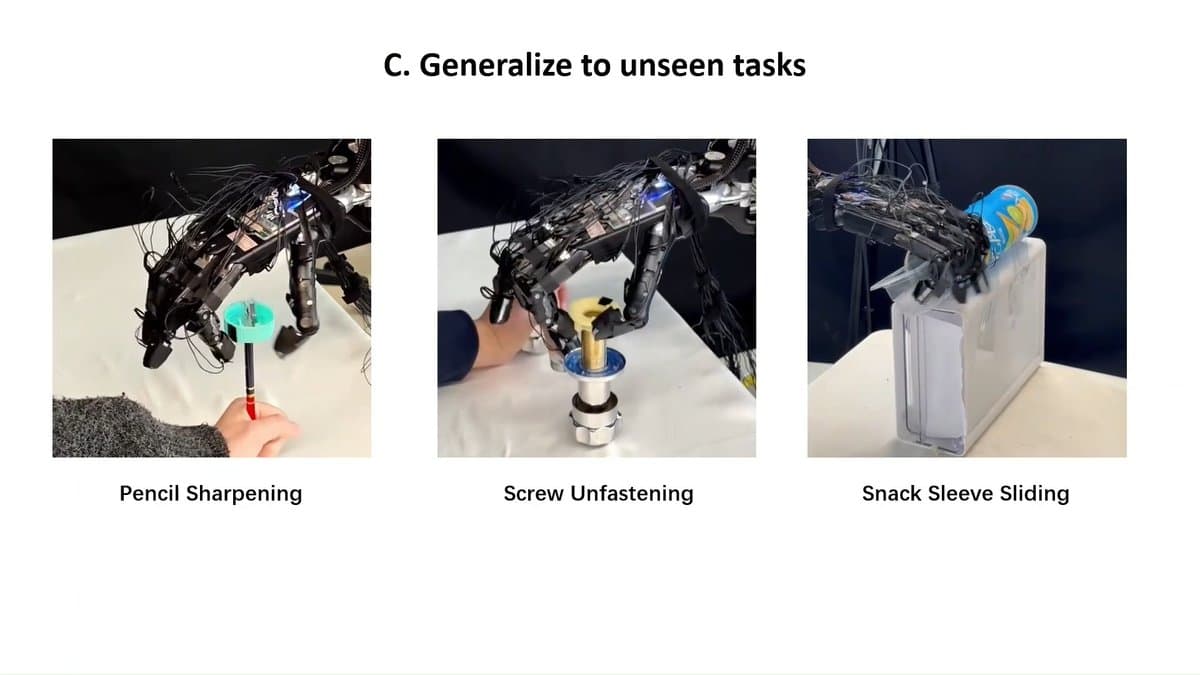
Robotic Hand Achieves Humanlike Dexterity via Multitask Policy
A new Science #Robotics study highlights a multitask policy that enables a robotic hand to manipulate objects with humanlike dexterity, such as turning a bottle cap or sliding a snack sleeve out of a box. https://t.co/MUene2lPpC https://t.co/J8Bz5scShY
By Science Robotics
Social•Jan 30, 2026
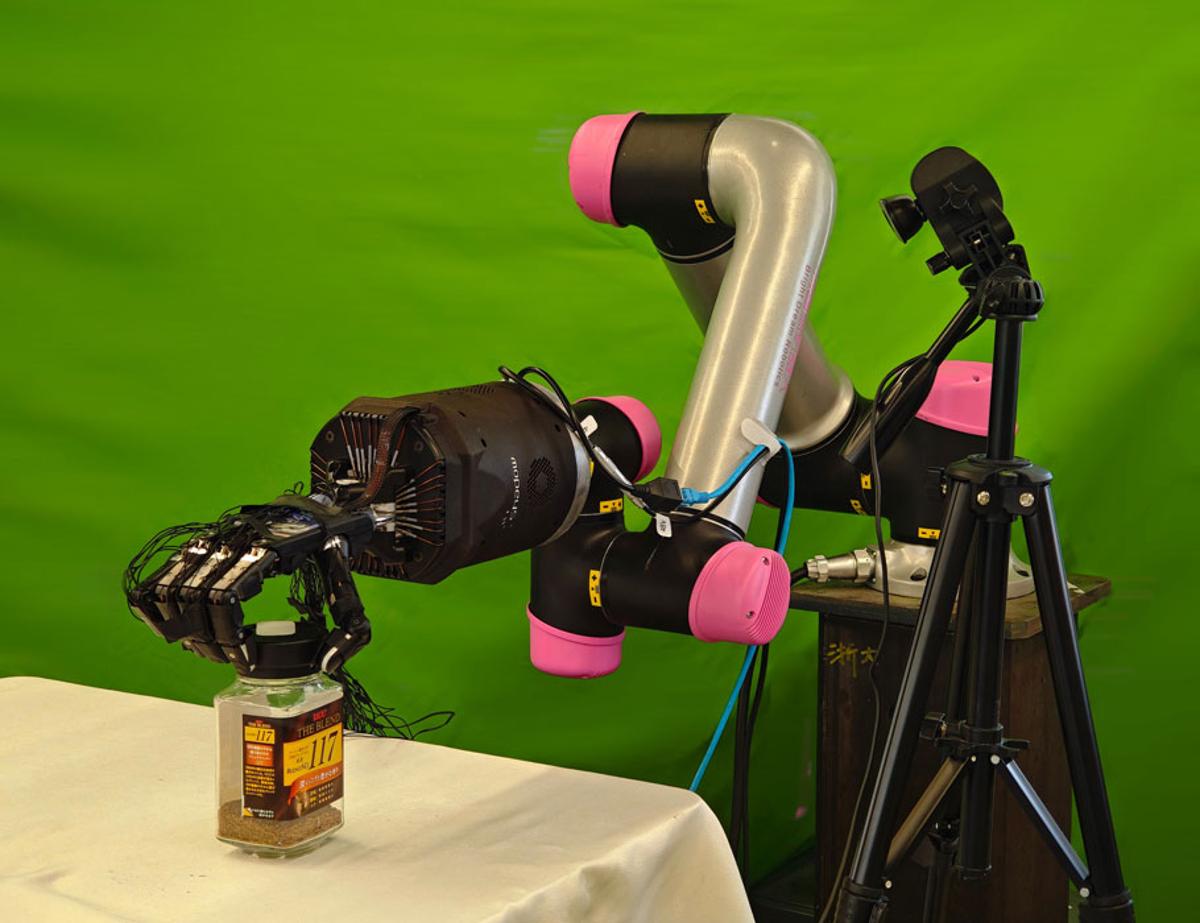
Policy Boosts Dexterous Robots, Paving Way for Child‑like Learning
A new Science #Robotics Focus article highlights the merits of a new policy that enables dexterous robotic manipulation and speculates on how future research may enable robots to learn from humans the way a child learns from watching its parents....
By Science Robotics
Social•Jan 29, 2026
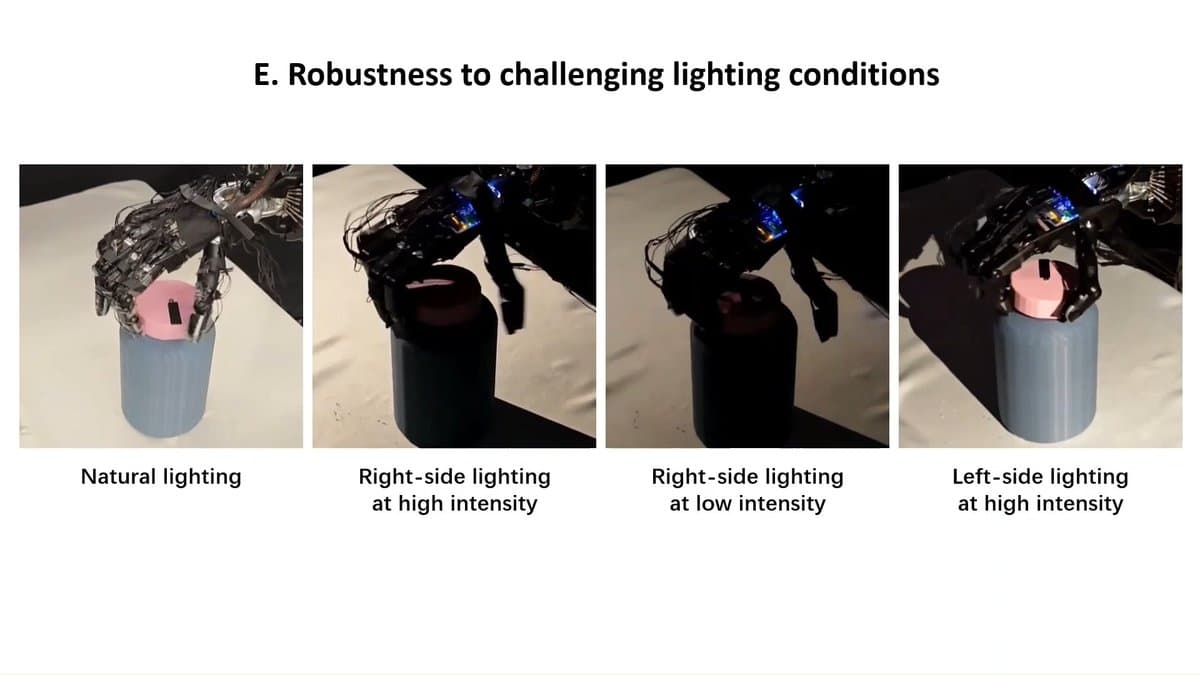
Bioinspired Policy Lets Robot Fuse Sight, Touch in Dark
Scientists have developed a #bioinspired policy that enables a multifingered robot to combine visual and tactile cues, like humans, to perform learned and new #manipulation tasks even under poor lighting conditions. Learn more in Science #Robotics: https://t.co/MUene2lPpC https://t.co/o4w77e6jPl
By Science Robotics
Social•Jan 28, 2026
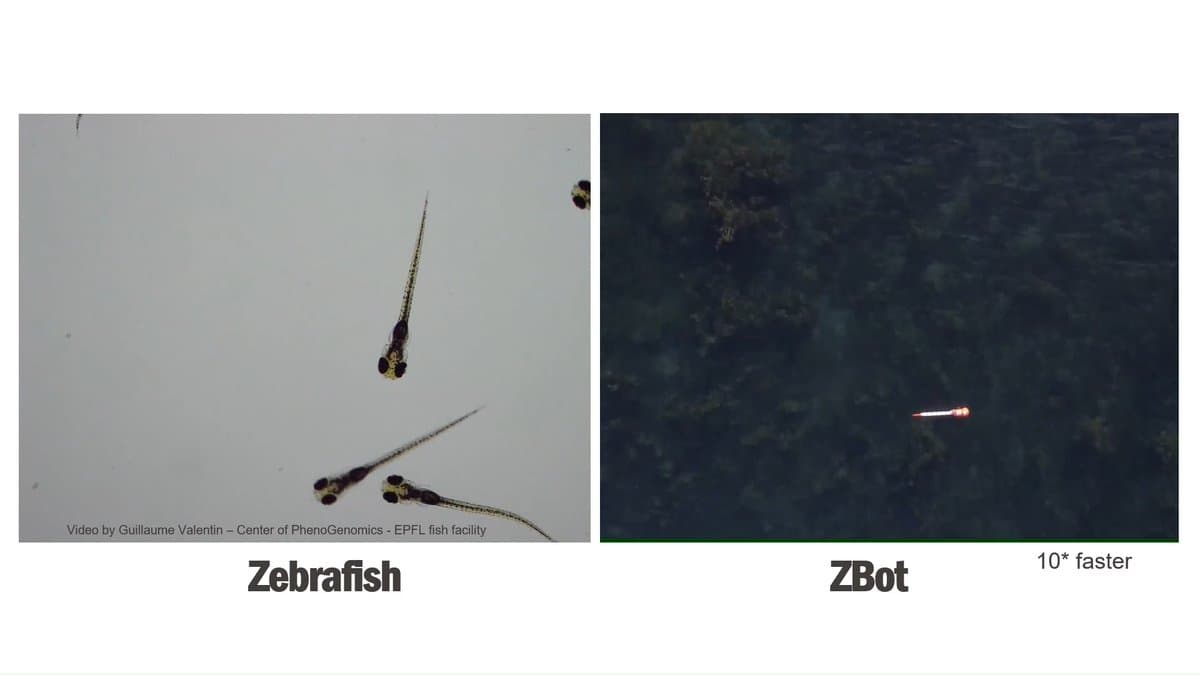
Bout-and-Glide Swimming Proves More Energy Efficient
A new Science #Robotics study uses a #bioinspired robot to demonstrate that “bout-and-glide" swimming, seen in aquatic animals such as zebrafish and humpback whales, is more energy efficient than continuous swimming. https://t.co/8EWURPmuCh https://t.co/UJWVkzvaRk
By Science Robotics