
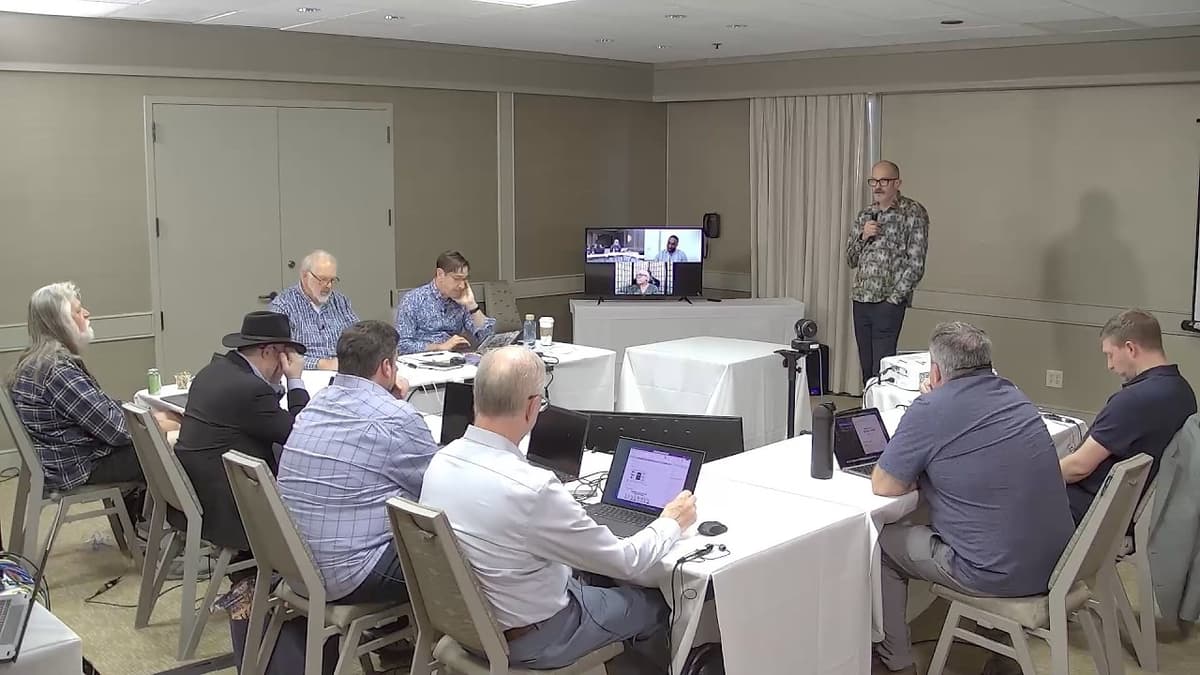
Delegate Roundtable at AI Infrastructure Field Day 5
Delegates at AI Infrastructure Field Day 5 examined how AI infrastructure conversations are moving from training‑centric hardware to inference‑centric efficiency. The panel highlighted that revenue now comes from inference workloads, prompting vendors to showcase utilization, cost‑per‑inference, and real‑world business impact. Participants noted growing complexity in choosing components, with supply‑chain constraints and a shift toward S3‑style storage, RDMA, and memory‑centric designs. Multiple speakers emphasized that GPUs often run idle, and that optimal performance requires mapping tasks to the right CPUs and GPUs, as demonstrated in MinIO and SolidFire sessions. Fred observed the surprise of increasing system complexity, while Gina likened the current AI stack to early virtualization, stressing the need for management layers that deliver performance out‑of‑the‑box. Andy pointed out that storage vendors now focus on data services rather than raw devices, and security concerns were raised about AI‑generated inference data leaking despite file‑level permissions. The discussion signals that enterprises must prioritize inference efficiency, developer‑friendly tooling, and robust security as AI matures. Building strong ecosystem partnerships and integrating memory‑aware architectures will be essential to unlock business value and avoid the “wild west” of rapidly emerging models.
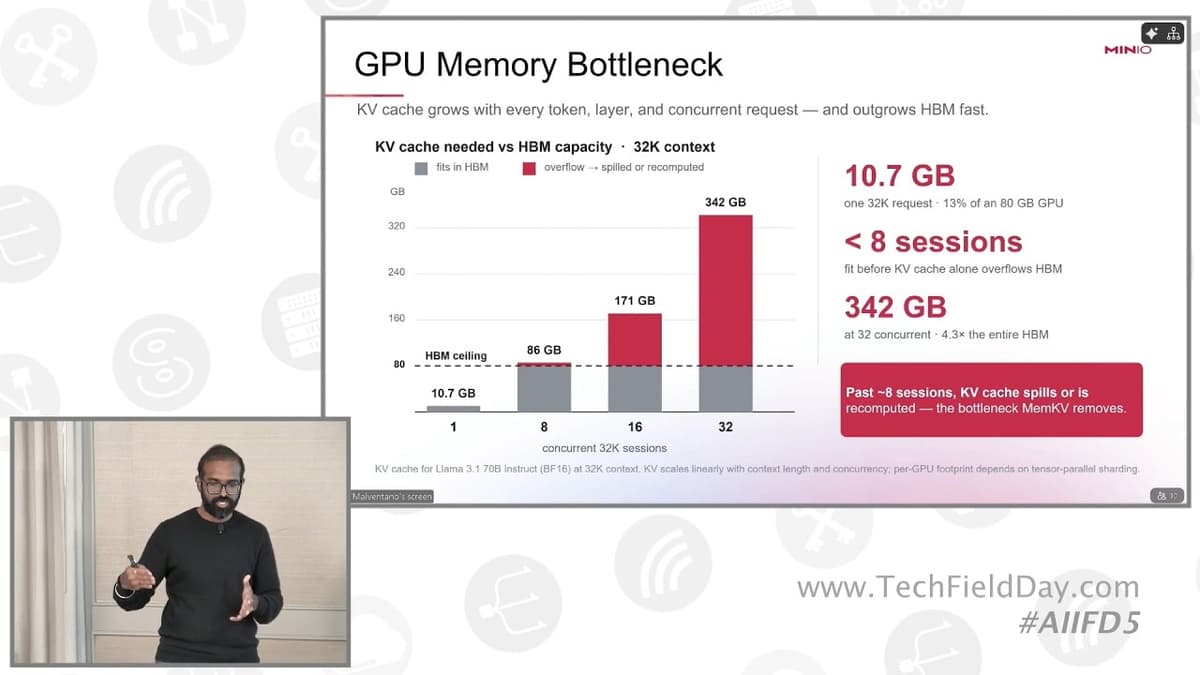
MemKV Provides Distributed Shared Context Memory with MinIO
The video introduces MemKV, a distributed shared context memory layer built on MinIO, designed to alleviate GPU memory constraints during large‑scale inference workloads. By offloading the KV cache to a high‑speed NVMe‑backed service, MemKV lets every GPU in a cluster...
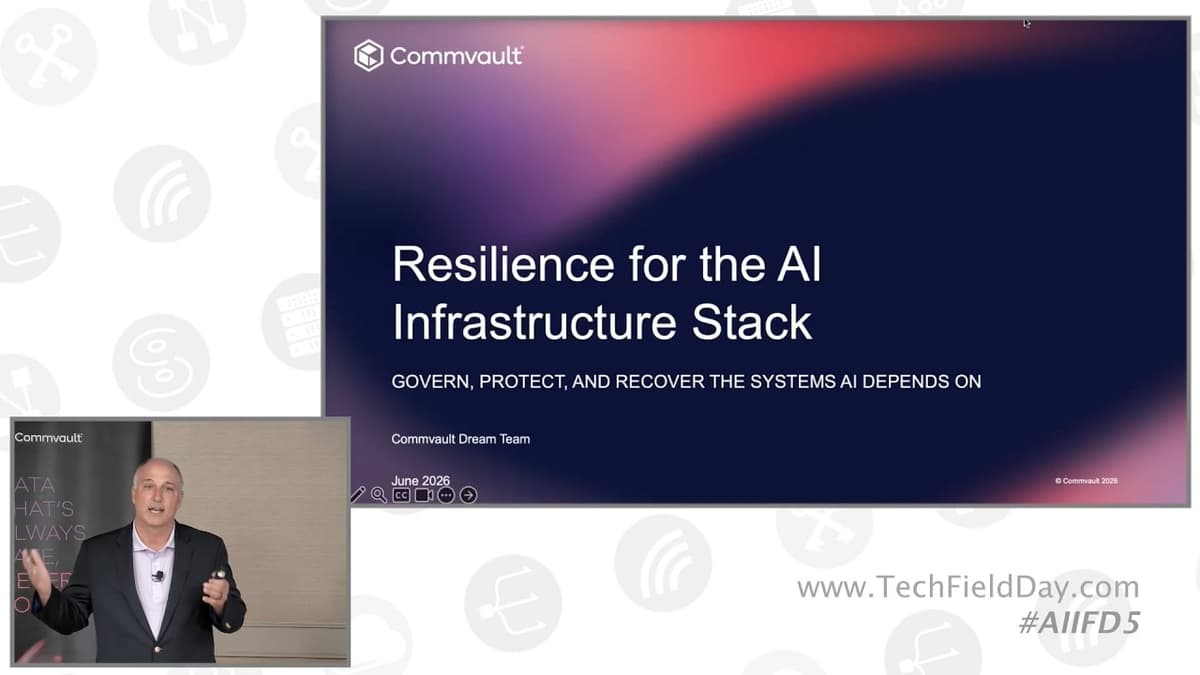
Building AI Resilience From a CISO's Lens with Commvault
The session, hosted by former CISO Chris Beville and sponsored by Commvault, framed AI resilience through a security‑first lens. It emphasized that safeguarding AI workloads is no longer the sole remit of IT or security teams; instead, it demands coordinated...
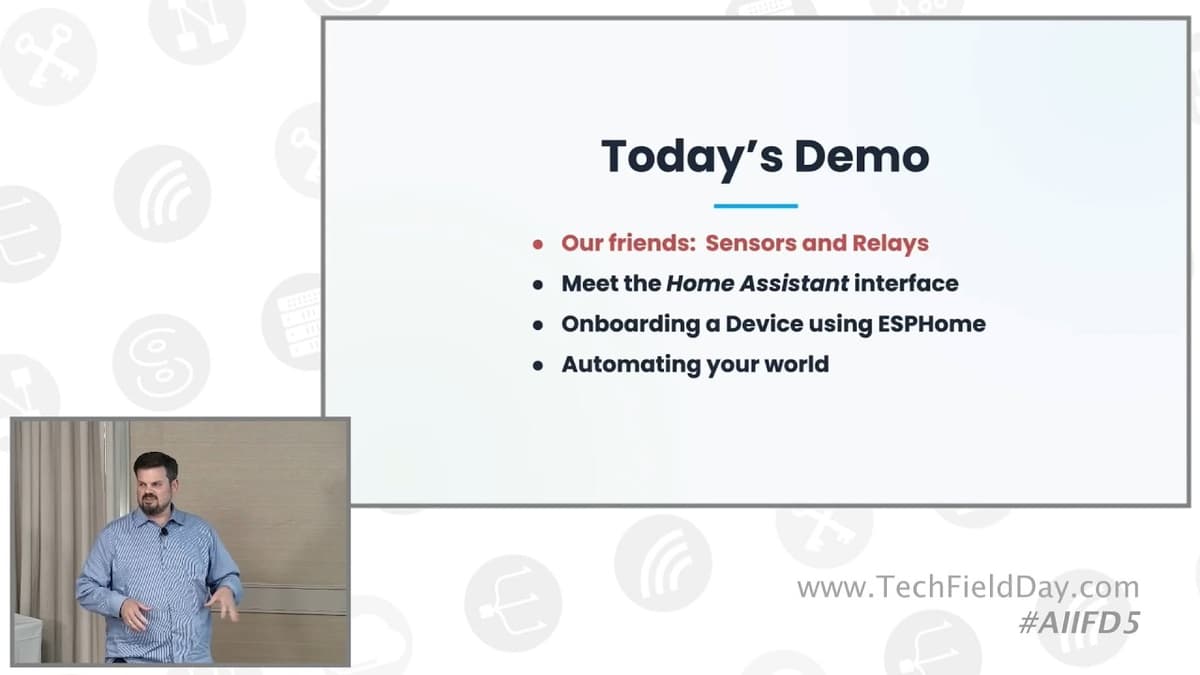
Home Assistant and ESPHome. Tech Field Day Delegate Demonstration
Alistair Koko and Ron Pagani Jr. demonstrated Home Assistant, an on‑premises home‑automation hub, and its ESPHome add‑on at a Tech Field Day delegate session. They contrasted Home Assistant with ad‑hoc Raspberry Pi setups, emphasizing local control, no mandatory cloud, and a...
The File System as an Agentic Coordination Layer with CTERA
In a recent webcast, CTERA CTO Aaron Brand argued that the enterprise file system should become the primary coordination layer for the next generation of AI agents. He framed the discussion around the rapid proliferation of AI agents in 2026...
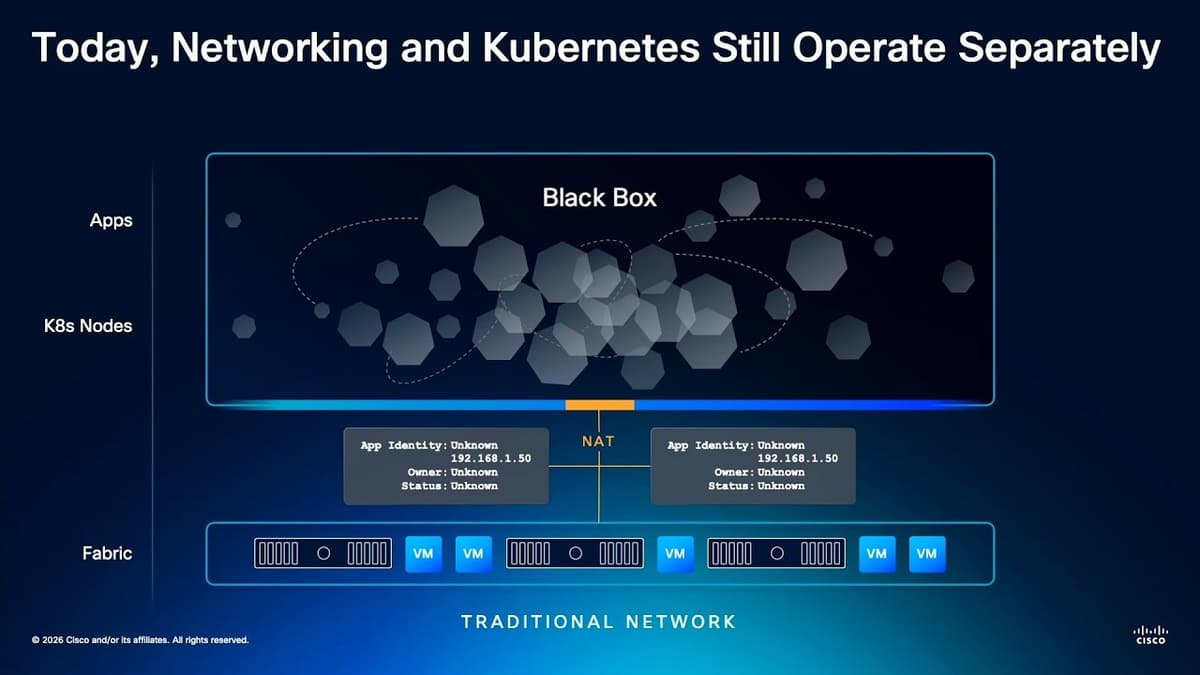
Cisco Secure Al Networking: From Fabric To Kubernetes to Operations
Cisco senior director Vimila Veran outlined Cisco's AI‑ready networking strategy, focusing on Nexus One architecture that unifies silicon, optics, software, and operating models to support fragmented AI workloads across on‑prem, cloud, and edge. The announcement highlighted new hardware—G300 ASIC (1.6 Tbps,...
The Technology that Powers the AI Revolution at AI Infrastructure Field Day 5 #AIIFD5 #TFDLive
The AI Infrastructure Field Day 5 event, taking place June 10‑11, will be streamed live on LinkedIn, YouTube and the Tech Field Day sites. It brings together vendors and experts to showcase the technologies powering today’s AI boom. Key sessions include...
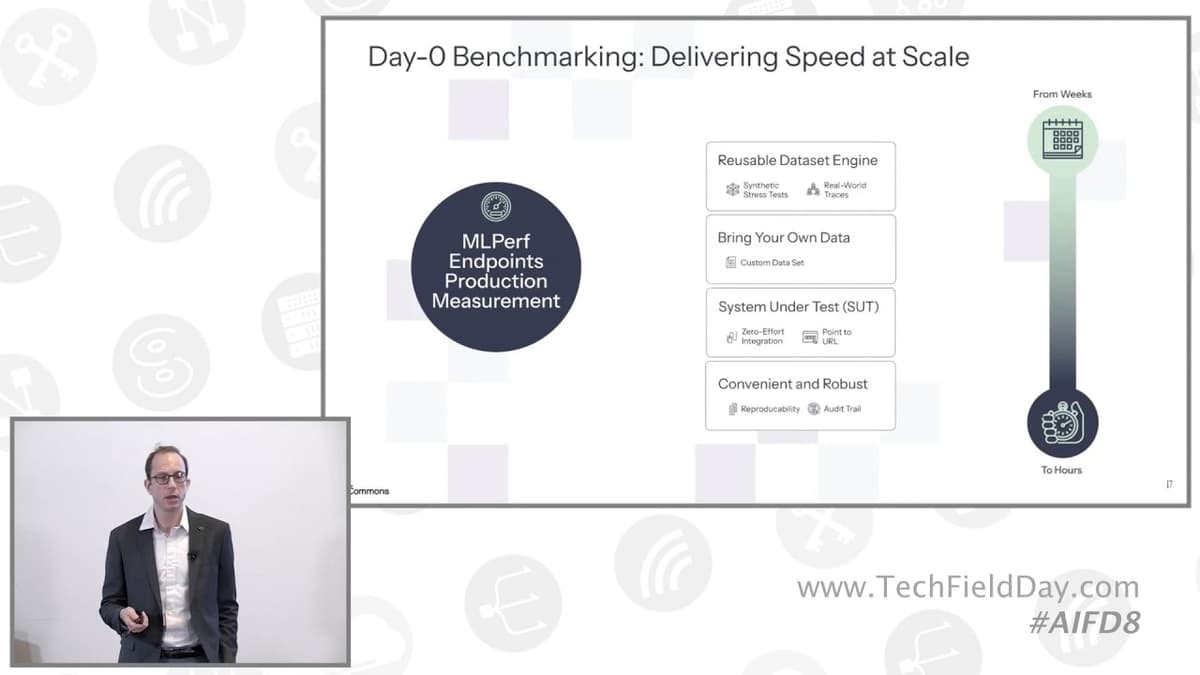
Standardizing Gen Al Service Evaluation, An API-Centric Benchmarking Approach with David Kanter
The presentation announced a major overhaul of MLPerf’s inference benchmark, shifting from a legacy spreadsheet‑based, C++ load‑generator model to a modern, API‑centric framework that mirrors how generative AI is delivered today. By adopting a decoupled architecture that communicates with systems...
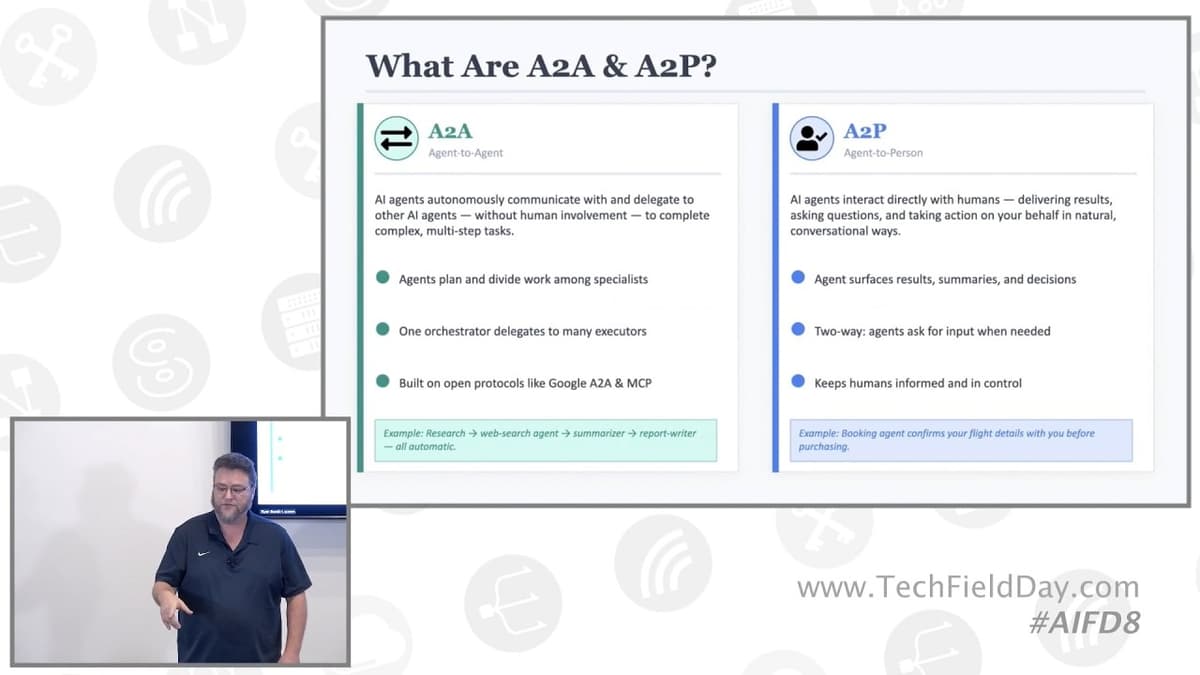
Agent-to-Agent and Agent-to-Payment Exploration with Ryan Booth
Ryan Booth’s presentation dives into the emerging Agent‑to‑Agent (A2A) and Agent‑to‑Payment (A2P) protocols, illustrating how they can reshape knowledge sharing and transactional workflows. He outlines a personal, open‑source portfolio built on Cloudflare’s RAG services that lets users query his skill...
Fixing AI Hallucinations in Network Operations with Arista Ava | Ken Duda
The video discusses how Arista’s AI assistant, Ava, tackles the persistent problem of large‑language‑model hallucinations in network‑operations contexts. By grounding the model in actual documentation rather than allowing it to answer from memory, Arista aims to make AI outputs reliable...
How Wyebot Utilizes MCP Servers to Protect Corporate AI Data Privacy
Wyebot introduced a Managed Compute Platform (MCP) server solution that lets enterprises run large language models without exposing their proprietary data to cloud‑based AI services. The offering requires customers to supply their own API tokens and keys, while Wyebot supplies...

Ubiquiti $79 Travel Router: Secure Public Wi-Fi & WireGuard VPN Deployment
Ubiquiti Networks has rolled out a $79.99 travel router that is quickly becoming a staple at trade shows and among frequent flyers. The compact device is marketed as a plug‑and‑play solution for connecting multiple personal devices to public Wi‑Fi without...
Celona Private 5G: Building Your Own AI Network Agents (BYOA)
Celona, a private 5G network provider, announced Build Your Own Agent (BYOA) platform, letting enterprises craft AI-driven network agents. The initiative hinges on two pillars: the Model Contest Protocol (MCP) service that opens up a rich data feed—APIs, config databases, time‑series,...
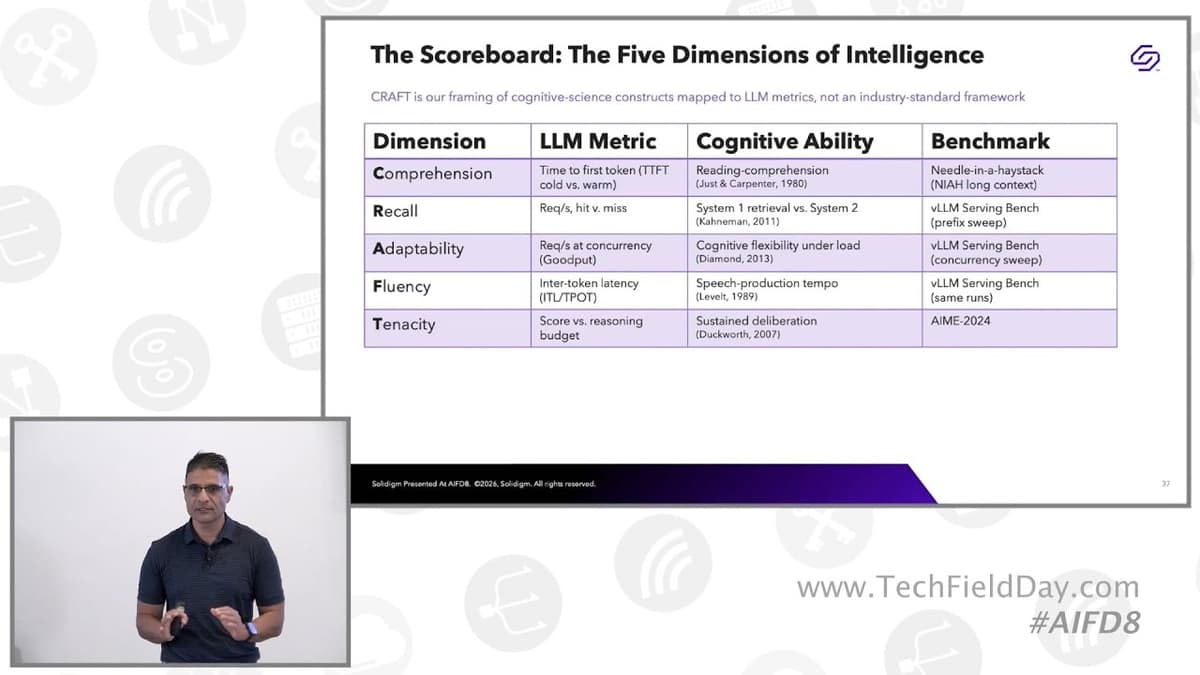
Scaling Intelligence Through the Memory Hierarchy with Solidigm
Kapil Kirkra, senior principal engineer at Solidigm, argued that scaling AI intelligence requires a third, often overlooked axis: memory capacity. While larger models and more compute dominate headlines, the talk demonstrated how the memory hierarchy—from high‑bandwidth HBM to NVMe SSD...
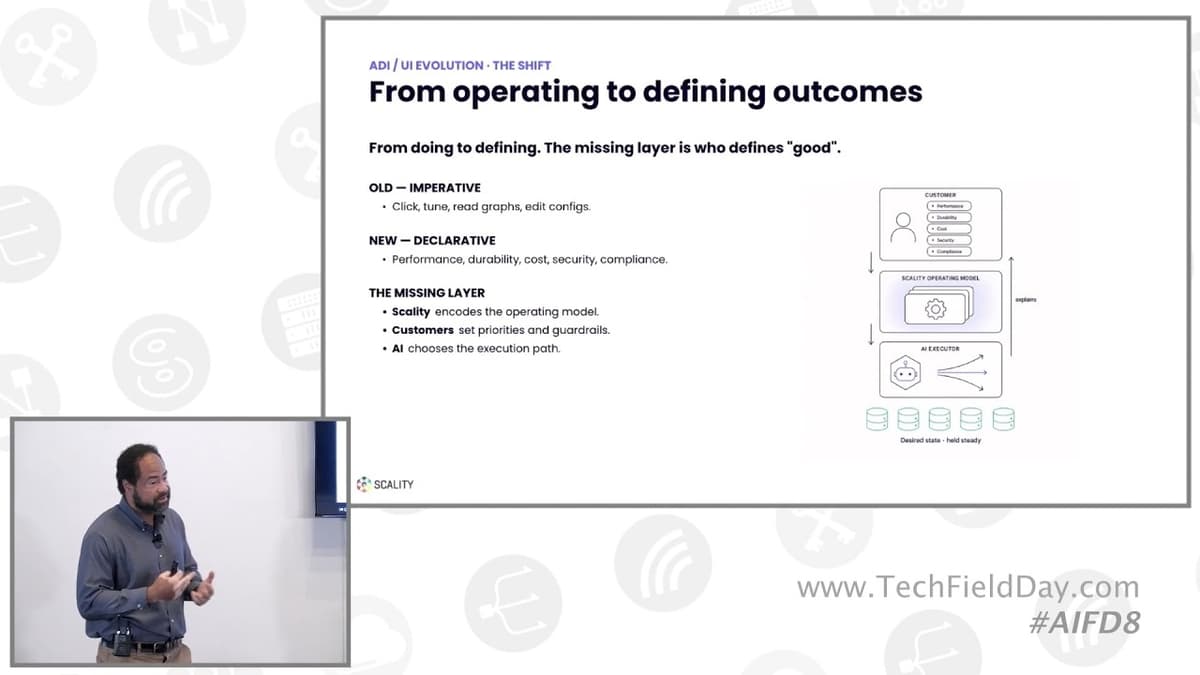
How Do You Build a UI for an Exabyte-Scale Distributed Storage System with Scality
Scality’s CTO George Reni walks through the evolution of the management interface for an exabyte‑scale distributed storage platform, describing how early customers demanded granular manual controls and how that mindset shaped the first UI. He outlines four development phases: a control‑heavy...