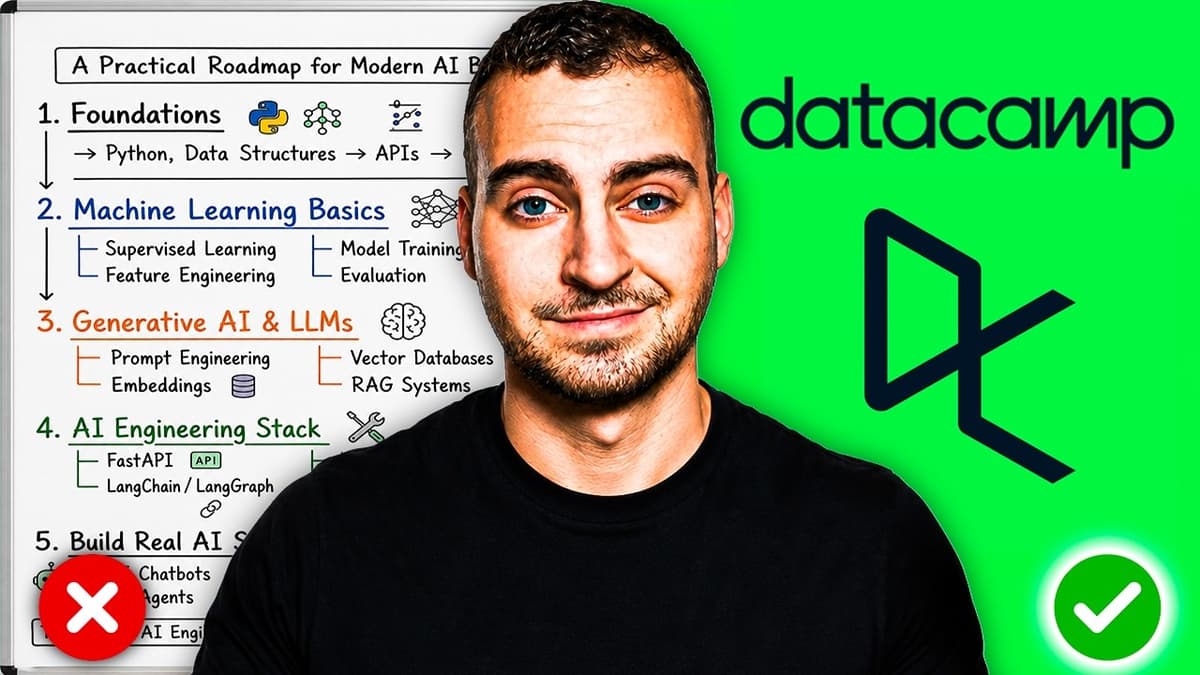
Do THIS Instead of Watching Endless AI Engineer Roadmaps (DataCamp Review)
The video reviews DataCamp’s paid “Associate AI Engineer for Developers” track, positioning it as a streamlined alternative to the myriad free AI‑engineering roadmaps that flood the internet. The curriculum bundles nine short courses into roughly 26 hours of instruction, covering the OpenAI API, prompt engineering, Hugging Face model integration, LLM‑ops concepts, embeddings, vector databases, and LangChain‑based agent development. Three hands‑on projects reinforce API calls, retrieval‑augmented generation, and advanced LLM pipelines. Pricing is a $13‑per‑month premium subscription (or free tier for limited modules) with a 25 % discount link provided. The presenter emphasizes that AI engineering today is implementation‑heavy, requiring little mathematics and focusing on pre‑trained models; he notes entry‑level salaries exceeding $150,000. He also highlights DataCamp’s interactive, bite‑sized video‑exercise format, which keeps learners coding 80 % of the time. For developers with basic Python knowledge, the track promises a rapid, cost‑effective path to market‑ready skills, reducing months of trial‑and‑error and aligning with the sector’s hiring surge. Graduates can leverage the certification to pursue higher‑paying roles or branch into more advanced MLOps and deployment topics.
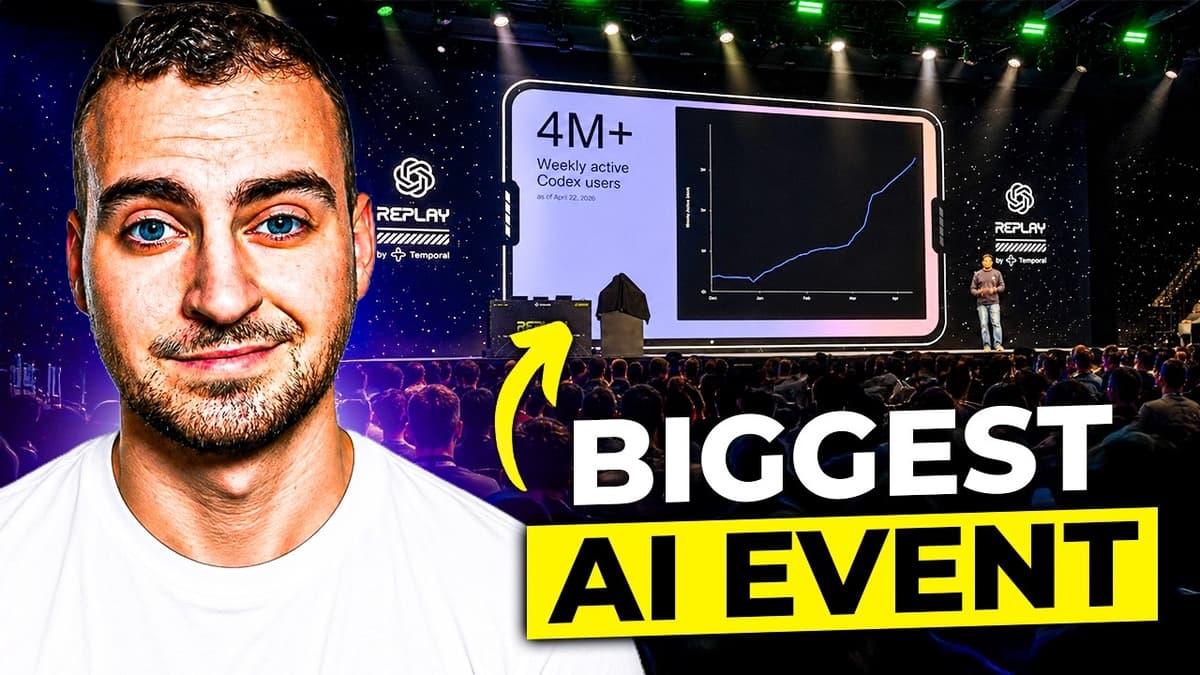
I Went to the Biggest AI Infrastructure Conference
The video recaps the three‑day Temporal Replay conference in San Francisco, where the spotlight was on making AI agents production‑ready. Organizers argued that most agents are simple Python loops that crumble under real‑world constraints—timeouts, rate limits, and state loss—unless developers...

AI-Native Development: Full Course for Beginners
The video introduces AI‑native development, a workflow that leverages AI‑aware tools—Cursor IDE and the INS Forge backend platform—to build full‑stack applications without writing traditional code. It explains how these tools let developers command an AI agent to provision authentication, databases,...
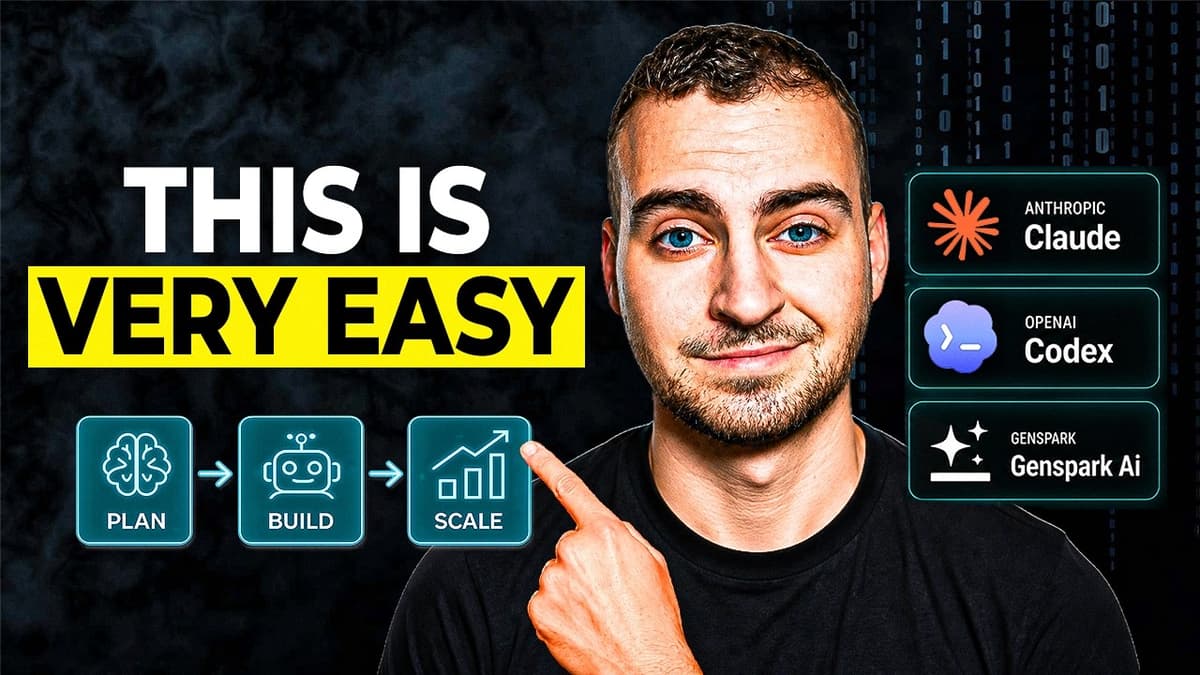
The Complete Guide to AI Agents in 2026 (And How to Actually Use Them)
The video presents a four‑tier framework for leveraging AI in 2026, ranging from basic chat interactions to fully autonomous agents. It uses Gen Spark as a showcase platform that bundles every tier—chat, tool generation, workflow automation, and goal‑driven agents—into a...

Devin AI Is the Future of Coding… Full Tutorial
The video walks viewers through Devin AI, Cognition’s newly expanded coding ecosystem that includes a cloud‑based software engineer, a terminal‑based CLI agent, and an AI‑powered GitHub review tool. After Cognition’s $250 million acquisition of Windsurf, Devin now offers a full suite—from...
AI Web Scraping Is Insanely Good | Browserbase Full Tutorial
The video introduces Browserbase, a platform that gives AI agents access to remote or local browser sessions via a simple API. It positions the service as a fix for the pain points of traditional web automation—fragile selector code, lack of...
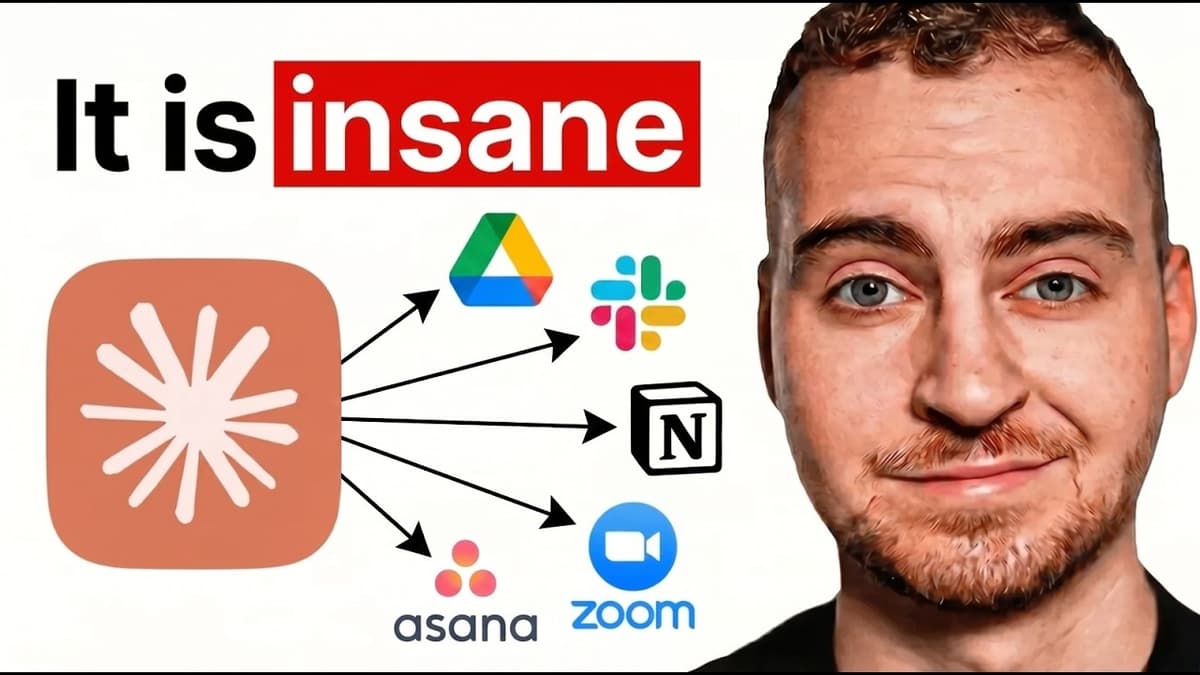
Connect Claude to ANY Tool | Full Tutorial
The video walks viewers through connecting Claude, Codex, or any generative AI agent to external SaaS applications using Composer.io, a web‑based connector hub. By routing all tool integrations through a single Composer endpoint, users can attach up to a thousand...

One AI Agent Isn't Enough Anymore
The video explains how to replace a single, generic AI coding assistant with a suite of purpose‑built agents that run from the terminal, using the Mistral Vibe CLI as a demonstration platform. Mistral Vibe ships with the open‑source Devstral 2 model, which...
I Gave Claude Its Own Database, Here's What Happened
The video demonstrates how to give Claude a dedicated, AI‑native database using the free Ghost.build platform, installed with a single command and connected through an MCP server. This setup lets developers spin up, fork, and delete databases entirely within AI...
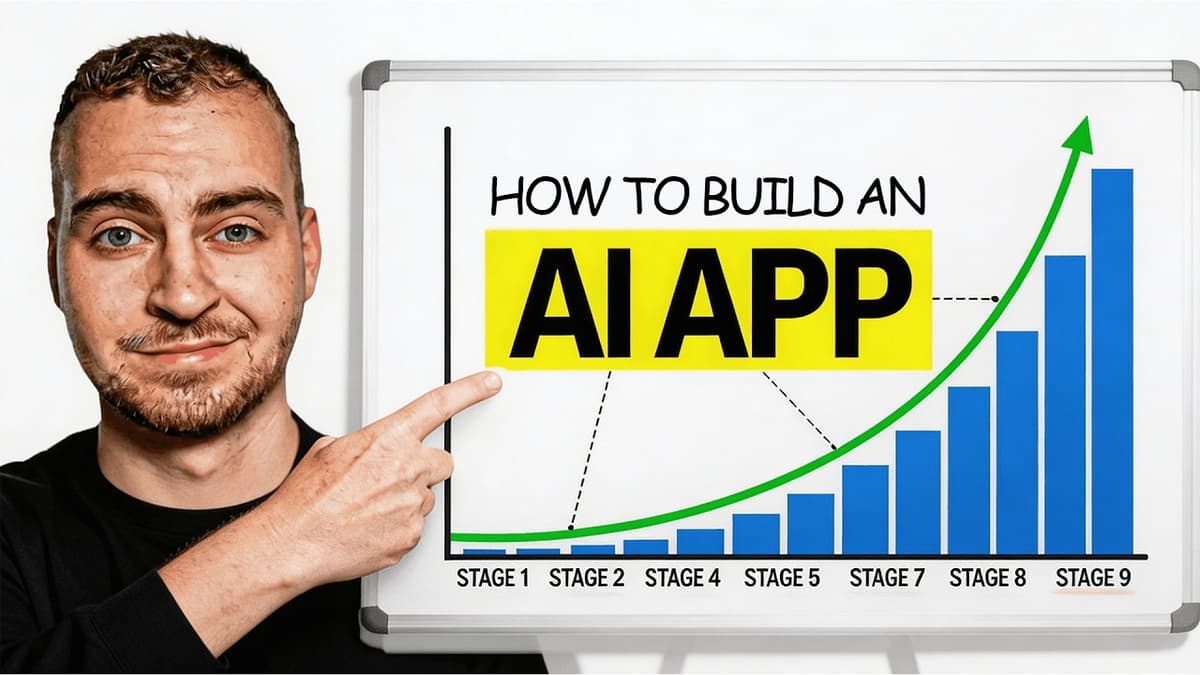
How to Make an App With AI - 9 Steps
The video presents a nine‑stage roadmap for building an AI‑powered application in 2026, emphasizing that success hinges on a disciplined process rather than ad‑hoc coding. It begins by urging creators to answer three foundational questions—what problem the app solves, who...
Do THIS Instead of Watching Endless Tutorials — How to Learn Python for AI
The video tackles the common “tutorial hell” that aspiring AI developers fall into, arguing that endless watching of Python tutorials delays real progress. It stresses that Python is the lingua franca of AI and that mastering it efficiently can open...
Local Models Got a HUGE Upgrade - Full Guide (Ollama/OpenClaw)
Local large language models have received a significant performance boost, with several new releases in the past two months that run efficiently on consumer‑grade hardware. The video walks viewers through installing Ollama, selecting a model, and linking it to OpenClaw,...

Codex Built a Game and Then Played It With Me
The video showcases a new Codex update that goes beyond code generation, allowing the AI to operate graphical user interfaces, launch applications, and even play games with a human partner. By writing the code, spinning up a server, and opening...
Hermes Agent Full Tutorial for Beginners | Setup Guide
The video walks viewers through installing and configuring Hermes Agent, a new AI‑orchestration platform that distinguishes itself with a built‑in learning loop that continuously refines its skills. The presenter contrasts it with OpenClaw, emphasizing Hermes’ self‑improving memory and single‑agent focus,...
I Built an AI Agent in 20 Minutes - Here's How
The video walks viewers through creating an AI assistant with MaxClaw, MiniMax’s hosted version of the OpenClaw orchestration framework, showing how a non‑technical user can have a fully functional agent up and running in about twenty minutes. Key insights include MaxClaw’s...