

America’s Debt Just Crossed a Historic Threshold
The Wall Street Journal video highlights that, as of March 31, the United States’ publicly held debt hit $31.265 trillion – essentially 100 percent of the nation’s gross domestic product. This marks the first time the debt‑to‑GDP ratio has reached parity, a historic threshold that many analysts consider a psychological benchmark for fiscal sustainability. The commentary points out that despite the alarming headline, the market has not reacted with a crisis because Treasury securities remain the backbone of the global financial system. Investors worldwide rely on U.S. Treasuries as the safest liquid asset, which cushions the impact of rising debt levels. The video also notes that past deficit‑related predictions have consistently missed, suggesting that the focus on headline numbers may be overblown. A memorable quote from Steve Eisman is featured: “The deficit is Wall Street’s version of virtue signaling,” underscoring the view that many critics use debt rhetoric more to signal moral superiority than to propose viable solutions. The discussion emphasizes that without a credible alternative to Treasuries, the current system will continue to absorb higher debt without triggering immediate financial turmoil. The implication for businesses and investors is clear: while the debt ceiling breach raises political risk, the entrenched role of U.S. government bonds means short‑term market stability is likely to persist. However, long‑term fiscal pressures could eventually force a re‑evaluation of risk premiums, influencing borrowing costs and capital allocation decisions across sectors.
Quitting Instagram
The video follows a man who decides to quit Instagram, using a physical lock‑box to keep his phone out of reach while he’s with his children. He explains that the habit of scrolling Instagram first thing in the morning has...
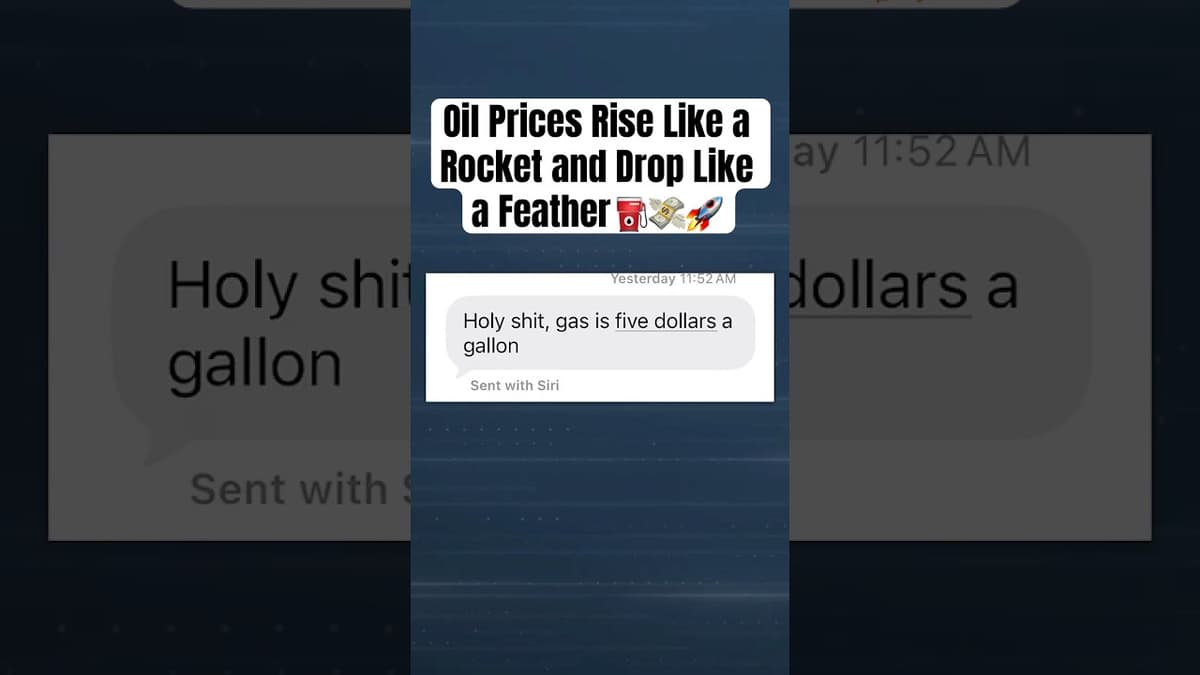
Oil Prices Rise Like a Rocket and Drop Like a Feather
The video captures a casual conversation about the recent surge in gasoline prices, noting that the average U.S. pump price has climbed to $5 per gallon and could approach $6, prompting personal frustration and jokes about round numbers. Participants observe that...

Why Nvidia Is Going to 10 Trillion Dollars | TCAF 239
The TCAF 239 episode uses Nvidia’s potential $10‑trillion valuation as a springboard to dissect the broader software sector’s health. Hosts Adam Parker and Rob Sichin argue that many software names are deeply oversold, urging investors to cherry‑pick high‑margin, defensively positioned...

What Does It Take to Retire at 55?
The episode opens by posing a classic early‑retirement scenario: a mid‑40s professional with $1 million wants to stop working at 55. The hosts outline the core calculation—how much capital is needed to sustain a 30‑year post‑work horizon, using the 4 % safe‑withdrawal...
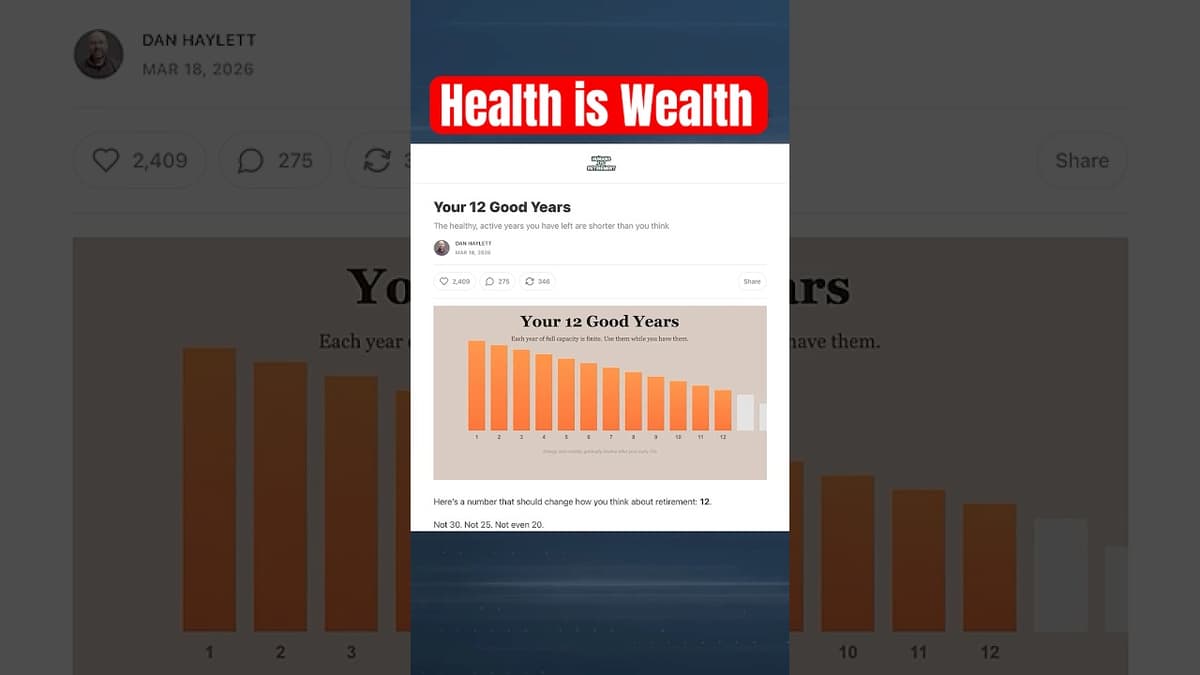
Health Is Wealth
The video titled “Health is Wealth” argues that longevity statistics mask the limited window of good health in retirement, urging a rethink of financial planning. Dan Hlet cites UK data: a 60‑year‑old male lives to ~84, female to ~87, but health...

How Do You Protect Against a Bear Market?
The episode tackles a core retirement‑planning question: can a traditional 60/40 stock‑bond portfolio survive a 20% equity bear market and rising inflation? Host Duncan Hill breaks down historical data, showing that bonds have historically provided a modest positive return when...

Will Social Security Be Around in 2060?
The episode of “Ask the Compound” pivots from a playful intro to a deep dive on the future of tax preparation and emerging investment vehicles. Hosts Duncan and Bill discuss why, despite advances in artificial intelligence, filing a complete tax...

$1 Million Is the Worst Amount of Money | Animal Spirits 459
The episode opens with a look at rising global defense spending and WisdomTree’s new suite of geopolitical ETFs, positioning investors to capture the long‑term shift toward security‑related industries. Hosts Michael and Ben dissect recent market moves: the MAG7 giants erased roughly...

Would Gen Z Like the 1980s?
The video is a tongue‑in‑cheek pitch for a film that merges body‑swap and time‑travel tropes to explore generational differences. It outlines the premise: a baby boomer swaps bodies with a Gen‑Z renter; the Gen‑Z is sent back to 1980 when...

Which Beaten Down Stocks Are Worth a Closer Look?
The episode examines why the U.S. equity market can post a 15% gain while a sizable slice of individual stocks languish in double‑digit losses. Host Duncan and guests dissect the recent sell‑off in the so‑called MAG7 mega‑caps—Apple, Microsoft, Alphabet, Amazon,...

Why You Never Sell New Highs
The video centers on a portfolio manager’s steadfast policy: never sell energy stocks when they reach new highs. He stresses that clients rarely request profit‑taking, reinforcing his belief that exposure should remain at least index‑weight, typically 4‑5% of a portfolio,...

How Much Money Should You Save?
The Ask the Compound episode tackled the perennial question of how much money one should save for retirement, while also probing the cultural perception of wealth in high‑cost cities like New York. Host Duncan and co‑host Ben fielded listener queries...

What’s the Worst Asset Class for the Next 5 Years?
The Ask the Compound episode tackled a provocative question: which asset class will deliver the worst returns over the next five years—private markets or U.S. residential real estate? Host Duncan and guest Nick Mulli dissected recent capital inflows, the housing...

The Perfect Price of Oil | Animal Spirits 456
On Animal Spirits, hosts Michael and Ben discuss current oil-market dynamics, debating whether the shock is a replay of February 2020 panic or a “liberation day” moment of manageable disruption. They highlight a clip from Taylor Sheridan’s Land Man that...