
Are You Okay With Nuclear Warfare? | Frankly 146
The video tackles the unsettling resurgence of nuclear rhetoric following the Iran‑U.S. cease‑fire memorandum, using President Trump’s Truth Social post as a catalyst. The host frames the discussion around thirteen uncomfortable questions about nuclear deterrence, tactical nuclear options, and the broader implications for global non‑proliferation. Key insights include the public hint that the United States may resort to a tactical nuclear strike to force Iran’s compliance, corroborated by Seymour Hersh’s reporting of internal discussions. Historical parallels—Libya’s disarmament followed by regime change versus North Korea’s persistent arsenal—illustrate how nuclear coercion can erode the long‑standing taboo and potentially spark a new wave of proliferation among mid‑sized states. Notable quotes such as “If it doesn’t, we have the ultimate alternative, hopefully never to be used again” underscore the gravity of the threat. The host also invokes evolutionary concepts of spite, the Dune analogy of “family atomics,” and the fading collective memory of Cold‑War terror, questioning whether the nuclear taboo rests on policy or generational fear. The implications are profound: breaking the nuclear taboo could trigger a cascade of escalations, destabilize existing deterrence frameworks, and reshape international law regarding coerced agreements. It also raises urgent questions about the role of civil society, the rationality of world leaders, and the future stability of a world where nuclear weapons become a bargaining chip rather than a deterrent.
Non-Duality and Our Living World | Frankly 144
The episode centers on the host’s ongoing struggle to articulate non‑duality, ultimately concluding that the very act of definition may be the obstacle. He reflects on how Western linguistic habits—subject‑verb‑object constructions—instantly carve the world into "watcher" and "watched," erecting a...
Does Mindfulness Matter When the World Is Breaking Down?
The speaker reflects on a personal lapse of presence and uses it to launch a discussion about how chronic mental simulation—driven by the brain’s default mode network (DMN)—saps our ability to live in the now, especially for those who spend...
Navigating Dread and Carrying the Weight of Tomorrow | Frankly 142
The episode tackles the pervasive sense of dread that many feel as geopolitical tensions, climate collapse and energy decline loom, framing it as a mental and physiological burden that threatens daily functioning. Berman explains that the amygdala’s ancient fight‑or‑flight circuitry fires...
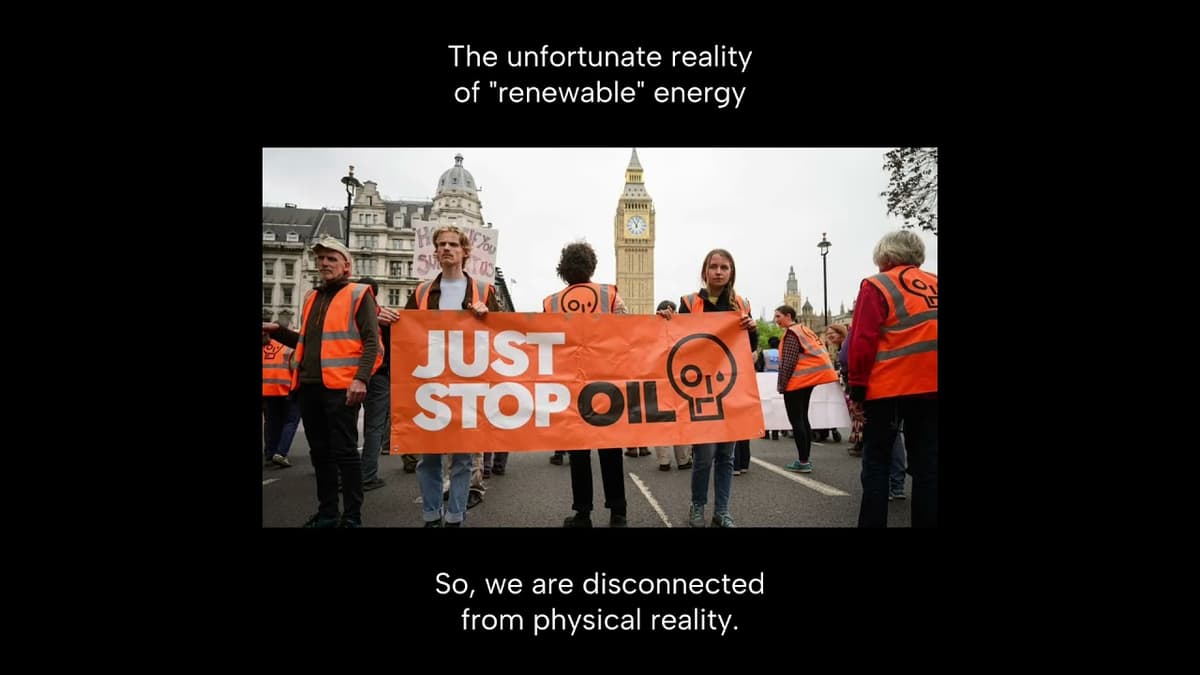
Every Energy Transition Has Been Additive, and the Current Push for Renewables Is No Exception.
The video contends that every major shift in the world’s energy mix has been additive—new sources are layered on top of existing ones rather than replacing them outright. It focuses on the current push for renewables, arguing that the transition...
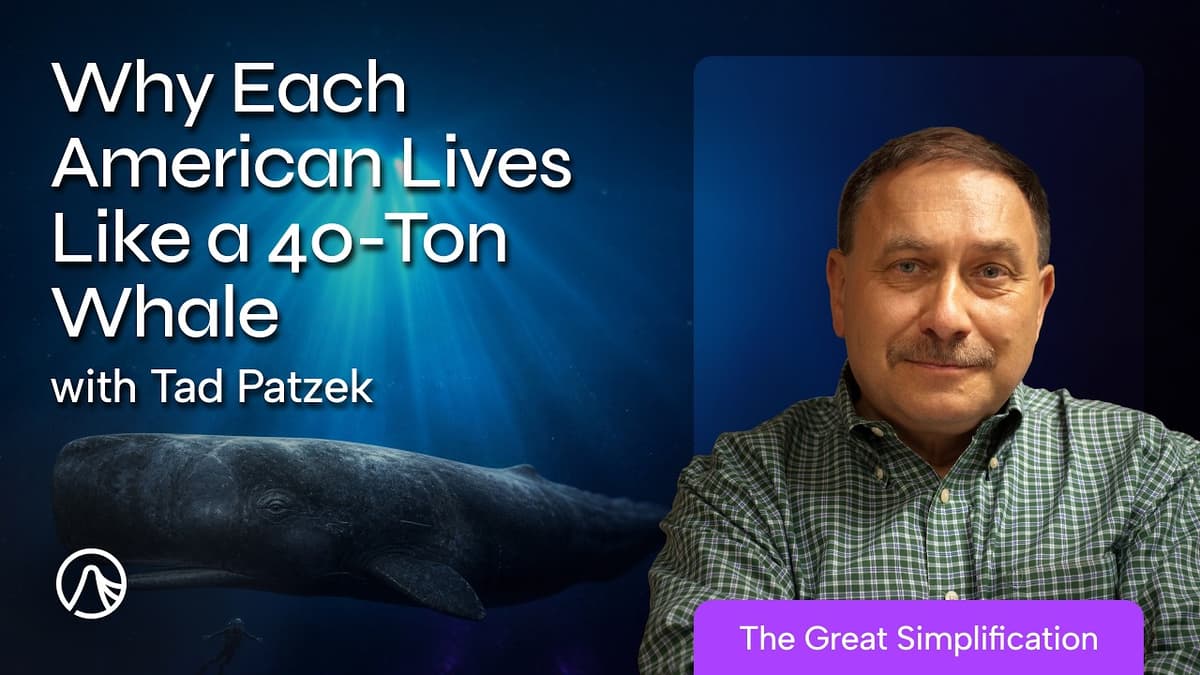
Power, Overshoot, and Climate with Tad Patzek | TGS 219
The TGS episode with Professor Tad Patzek centers on a physics‑first view of civilization, arguing that power—energy per unit time—is the single variable that governs economic growth, climate impact, and societal resilience. Patzek contrasts the modest 100‑watt metabolic power of...

In Early 2026, that Is About to Change as the World Faces the Largest Energy Disruption in History.
The video warns that early 2026 could unleash the largest energy disruption ever recorded, driven by a sharp imbalance between oil supply and demand worldwide. Analysts say advanced economies are unlikely to experience outright shortages, but soaring prices will divert tanker...
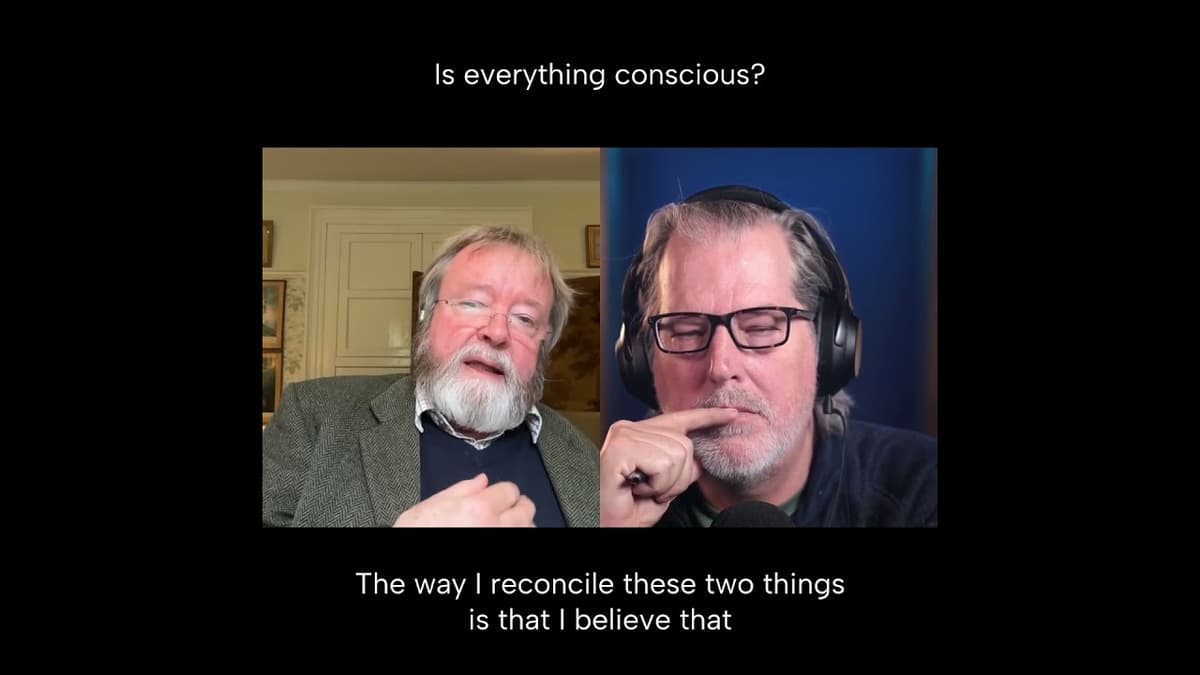
Is This Our Opportunity to Pivot Toward Worldviews that Emphasize the Intangible Qualities of Life?
The video presents a philosophical argument that consciousness is not a by‑product of matter but a fundamental substrate underlying all existence. The speaker contends that traditional scientific methods, which rely on external observation, overlook the inward, experiential dimension that pervades...
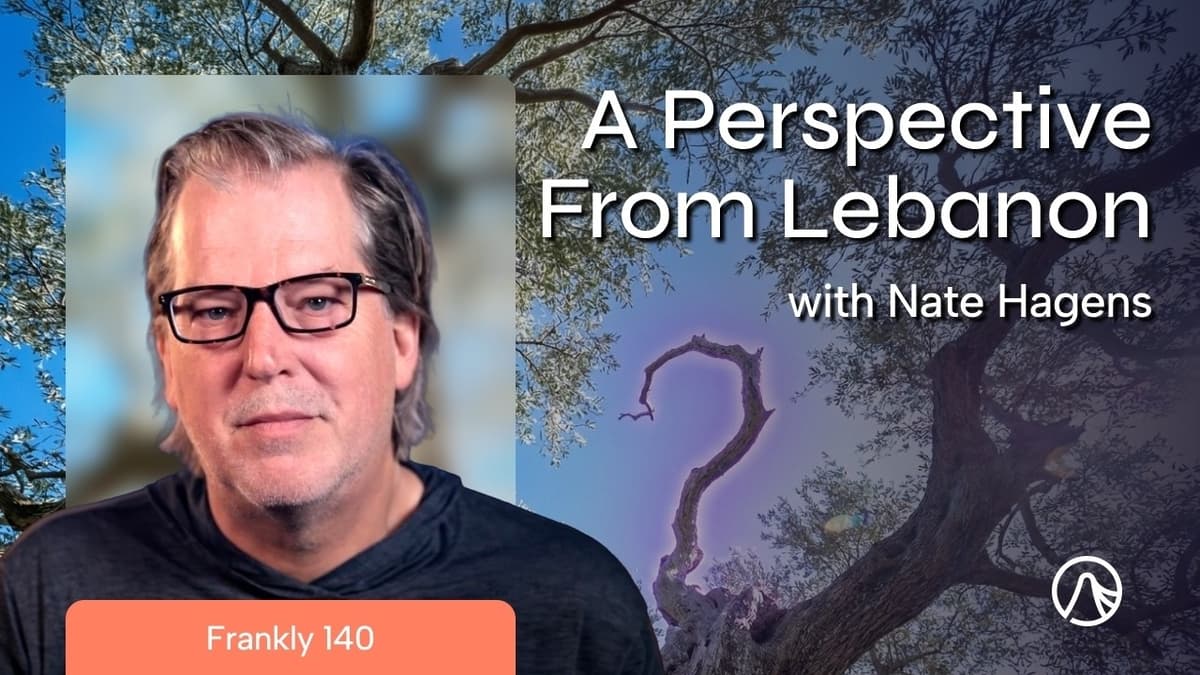
Who Will We Be When Things Get Hard? | Frankly 140
The video opens with the host pausing his regular content schedule after a stark conversation with his meditation coach in Beirut, who lives under daily bombings. He uses this personal vignette to explore how individuals and communities confront extreme uncertainty...
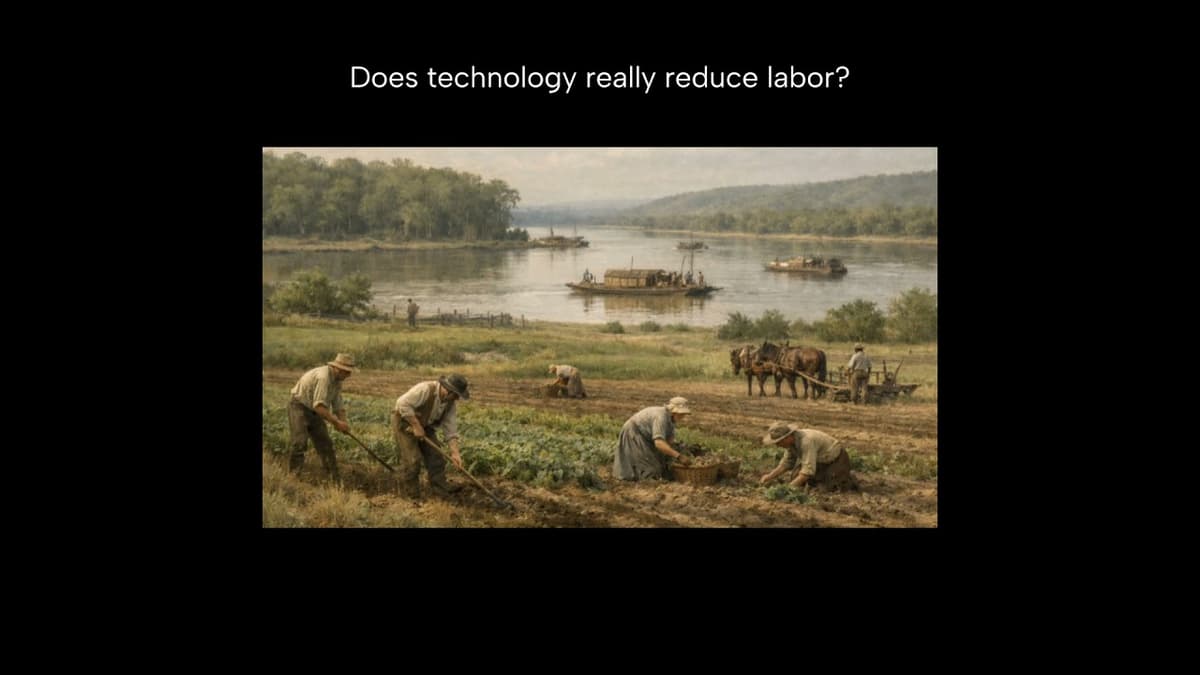
Perhaps Moments of Turbulence Like These Actually Call on Us to Change Our Way of Thinking Entirely.
The video challenges the familiar narrative that life before machines was uniformly miserable, arguing that the Industrial Revolution and the rise of capitalism actually intensified labor exploitation. It contends that pre‑industrial communities, such as medieval peasants, enjoyed substantial leisure time,...
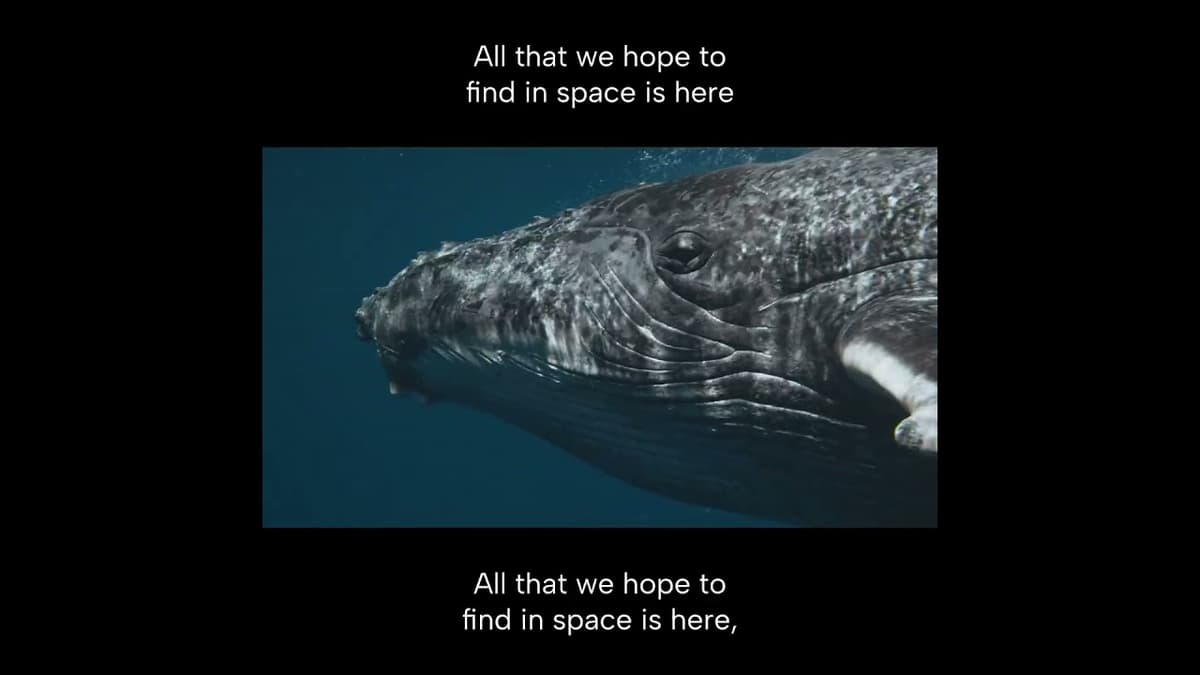
"Just Find Something You Personally Think Is Sacred and Save that Sacred Thing."
The speaker frames personal reverence for a living thing as the catalyst for genuine environmental stewardship, urging listeners to identify a "sacred" element—whether a whale, a tree, or a river—and protect it. By contrasting an imagined trillion‑dollar mission to Europa...
The Counterintuitive Need to Slow Down and Find Spaciousness with Iain McGilchrist | TGS 217
The TGS episode features philosopher‑neuroscientist Iain McGilchrist exploring why our culture’s relentless push for speed and more stuff may be misguided. Drawing on his divided‑brain theory, McGilchrist argues that the left‑hemisphere’s narrow, goal‑oriented focus dominates modern life, while the right‑hemisphere...
How Feasible Is Space Colonization?
The video questions the practicality of space colonization, arguing that humanity is far from mastering the basic life‑support technologies required for long‑term off‑world habitation. The presenter frames this within a looming "great simplification"—a convergence of economic strain and energy scarcity...
What You Actually Need to Know About Oil | Frankly 135
The video “What You Actually Need to Know About Oil” opens a three‑part series that demystifies petroleum, tracing its biological origins and positioning it as the invisible engine behind today’s economy. It quantifies oil’s energy density—1700 kWh per barrel—and translates that into...

Finding Calm in the Storm Through Awareness and Meditation with Sam Harris | TGS 216
The Great Simplification Podcast episode features neuroscientist and philosopher Sam Harris discussing mindfulness, meditation, and the nature of awareness. Harris argues that true mindfulness is not a tool to dampen fear but a willingness to sit with raw anxiety, observing...