

This Makes Meltdowns Worse
The video addresses how parents often exacerbate children’s meltdowns and power struggles by relying on verbal confrontation. When a child is in panic mode—whether experiencing an anxiety attack, tantrum, or exhaustion—spoken instructions or reprimands rarely register, and may even backfire. Key insights highlight that each additional word can become ammunition for the child, turning a simple request into a battle of wills. Parents may unintentionally resort to shaming, blaming, or character assassination, which only deepens the child’s distress and fuels the power struggle. The speaker warns that such reactions not only fail to calm the child but also entrench immature dynamics. Illustrative moments include a child’s defiant “No, I won’t go,” and the observation that “more words are just used as ammunition.” The narrative underscores how adults can become trapped, twisting each other’s language, and how heightened emotions lead to regrettable remarks, such as curses or character attacks. The implication for caregivers is clear: disengage, maintain composure, and avoid verbal escalation. By unlinking themselves from the argument, parents can model self‑regulation, de‑escalate tension, and create a safer environment for the child to regain emotional equilibrium.

If Your Child Is Hiding Things… Watch This
Parents can use simple codes—words, texts, hand signals—to let children admit hidden actions without fear. By establishing a non-judgmental response, caregivers create a safe channel for disclosure, even when the child has done something seriously wrong. The video outlines practical steps:...

How to Help Kids Regulate Strong Feelings
Children who experience intense emotions often trigger parental concern, but the core issue is not the intensity itself. Effective support hinges on providing clear guidance, consistent structure, and ongoing coaching rather than suppression or excuse. When adults model regulation strategies,...

Not Everything Is Trauma: A Family Perspective
The video challenges the growing habit of applying clinical terms—such as toxic, gaslighting, and trauma bonding—to ordinary marital disagreements. The speaker argues that these labels act like a linguistic straitjacket, stifling dialogue and preventing couples from navigating the inevitable messiness...

When Kids Use Emotions as Power
The video critiques modern parenting’s obsession with feelings, arguing that constantly asking children how they feel or seeking their emotional consent undermines parental authority and creates a negotiable household environment. The speaker contends that this approach teaches kids to use...

The Hidden Problem With “Gentle” Parenting
The video tackles the paradox of “gentle” parenting, arguing that an over‑emphasis on unconditional empathy can erode the very structure children need to thrive. The speaker frames the issue as a hidden problem: parents, eager to avoid any perceived harm,...

Should Parents Accept Kids As They Are? (Or Shape Their Character?)
The video tackles a perennial parenting dilemma: should caregivers simply accept a child’s innate disposition, or actively shape character traits toward resilience and optimism? The speaker rejects the notion of a blank‑slate child, arguing that every trait—whether optimism or fragility—can...
Consistency Makes Kids Feel Safe
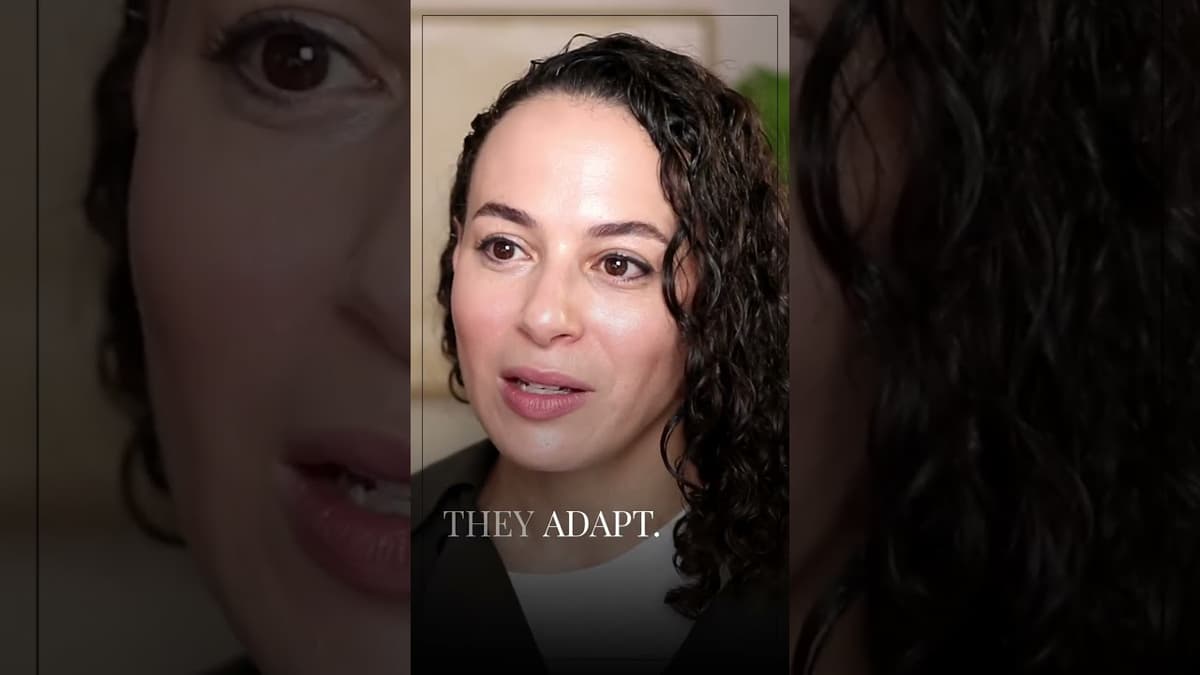
Parents often mistake firm, consistent discipline for harshness, yet the video argues the opposite: predictability is a cornerstone of child safety. By establishing clear rules and adhering to them without wavering, caregivers create a stable environment where children learn to self‑regulate...

Why It’s Loving to Correct Your Child
The video tackles a common parenting dilemma: how to correct a child’s annoying behavior without stifling the joy and playfulness that make family life vibrant. The speaker argues that if a behavior irritates a parent, it will likely irritate others,...

How to Become a More Patient Parent (Even If You’re Not Naturally Calm)
The video addresses how parents can cultivate patience even when their natural temperament is quick‑tempered, presenting a step‑by‑step mental rehearsal that frames the chaotic moments of childcare as opportunities for calm. The speaker recommends three practical levers: a pre‑emptive script that...

Great Parents Still Have Chaos
The video titled “Great Parents Still Have Chaos” confronts the myth of flawless parenting, highlighting everyday disruptions—tantrums, messes, snotty noses, and backtalk—that accompany raising children. It argues that mental load stems from unrealistic expectations and offers practical tools—calendars, visual schedules, meal...

How To Keep Your Teen Out Of Trouble
Teenagers are most vulnerable to trouble when idle, so the speaker advises parents to fill their schedules with demanding, purpose‑driven activities. By keeping teens “too busy to get themselves into trouble,” families can channel youthful energy into constructive pursuits. The video...

Why Your Child Won’t “Just Want To”
The video argues that children’s lack of motivation is not a deficit but a symptom of missing disciplined action; parents should prioritize consistent effort over waiting for intrinsic desire. It explains that repeated practice builds competence, which in turn generates confidence;...