
Skip Breakfast or Eat It? The Answer Depends on 1 Thing
The video revisits the long‑standing breakfast debate, arguing that the right answer depends on an individual’s metabolic flexibility rather than a one‑size‑fits‑all rule. Recent neuroscience research shows that skipping breakfast triggers a surge of ghrelin, which not only signals hunger but also crosses into the hippocampus to increase dendritic spine density, sharpening memory and focus. Conversely, a fed brain relies on glucose, and a carbohydrate‑rich morning meal boosts tryptophan entry into the brain, raising serotonin and improving mood and decision‑making. Key data points include studies linking ghrelin to orexin‑driven arousal, a systematic review of 45 breakfast‑cognition trials showing benefits only for nutritionally at‑risk individuals, and a randomized trial of early time‑restricted feeding that improved insulin sensitivity, beta‑cell response, and morning ketone levels without calorie restriction. The presenter also cites an American Journal of Clinical Nutrition experiment where a carb‑heavy breakfast modestly outperformed a high‑protein one in serotonin production. Notable quotes: “Ghrelin increases dendritic spine synapse density,” and “Carbohydrate breakfast helps calm and satiate by enhancing the tryptophan‑serotonin pathway.” Real‑world examples include using coffee, tea, or electrolyte drinks during the first 60‑90 minutes of waking and alternating between breakfast skipping and early dinner for insulin‑resistant individuals to build metabolic flexibility. The practical takeaway is that individuals should assess their metabolic flexibility: metabolically flexible people can safely extend fasts and skip breakfast for cognitive boost, while insulin‑resistant or nutritionally vulnerable people may benefit from occasional breakfast—preferably low‑carb or balanced carbs—and an earlier dinner to gradually improve flexibility. Delaying the first substantial meal by 60‑90 minutes is a universal recommendation to support the cortisol awakening response and prefrontal cortex function.
The Creatine Science Just Got Way More Crazy
The video explores the evolving science of creatine, focusing on how dosing strategies can be optimized for sleep, strength, cognition, and metabolic health. Host Chris Masterjohn argues that traditional protocols—an optional 20 g loading phase followed by 3‑5 g maintenance—are merely a...
Rhonda Patrick: This Is the Best Powder for Gut Health and Inflammation
The video centers on identifying the most effective powder for gut health and inflammation, highlighting glutamine’s role and the Seed DS‑01 synbiotic. Dr. Rhonda Patrick explains how glutamine serves as a rapid energy source for gut epithelial cells and activated immune...
2g Amplifies Effects of Coffee on Fat Loss
The video explores how a handful of inexpensive compounds can turn a regular cup of coffee into a metabolic accelerator for fat loss, autophagy and sustained energy. By pairing coffee with targeted additives—carnitine, L‑theanine, medium‑chain triglycerides (MCTs), cinnamon and Manuka...

Sleep 8 Hours Straight Without a Single Supplement (Works the First Night)
The video reframes insomnia as an electrical‑ion problem rather than a purely hormonal or psychological issue. It argues that sleep depends on precise ion gradients—sodium, potassium, magnesium, and calcium—that regulate neuronal firing and the brain’s resting membrane potential. When these...

Can’t Stay Asleep? It’s High Cortisol (1oz Fixes It)
The video explains why many people wake up at 2 a.m. or 3 a.m. feeling wired: the body’s natural cortisol surge, which normally prepares you for waking, collides with an already‑elevated baseline caused by chronic stress or sleep debt. This mis‑timing forces...
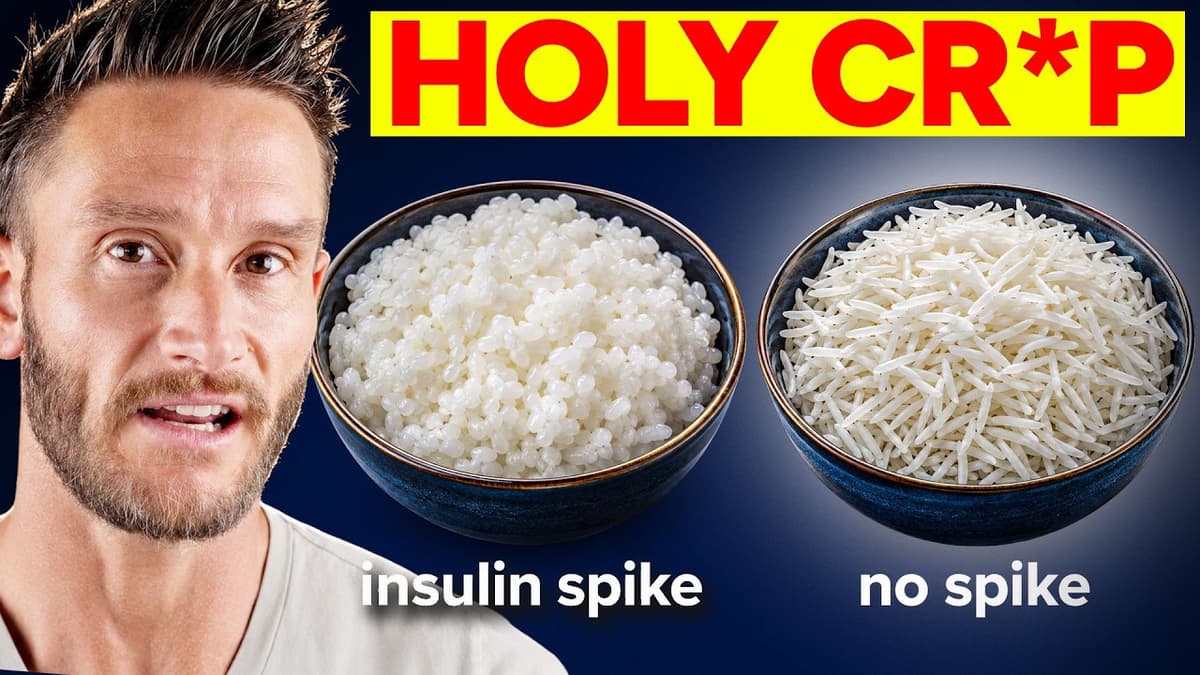
Stop Buying Brown Rice… This White Rice Is Better for You
The video debunks the blanket claim that brown rice is always healthier, showing that a single molecular factor— the amylose‑to‑amylopectin ratio— determines whether a rice variety spikes blood sugar or supports insulin sensitivity. Amylopectin forms large, branched granules that gelatinize quickly,...

2 Tbsp Blocks Fat Storage, Crosses the Blood Brain Barrier, and Drops Estrogen
The video spotlights parsley’s flavonoid apigenin (also called epigenin) as a multi‑target compound that can influence fat storage, hormone balance, and brain health. The presenter explains that apigenin directly inhibits aromatase, the enzyme that converts testosterone to estrogen, and also...
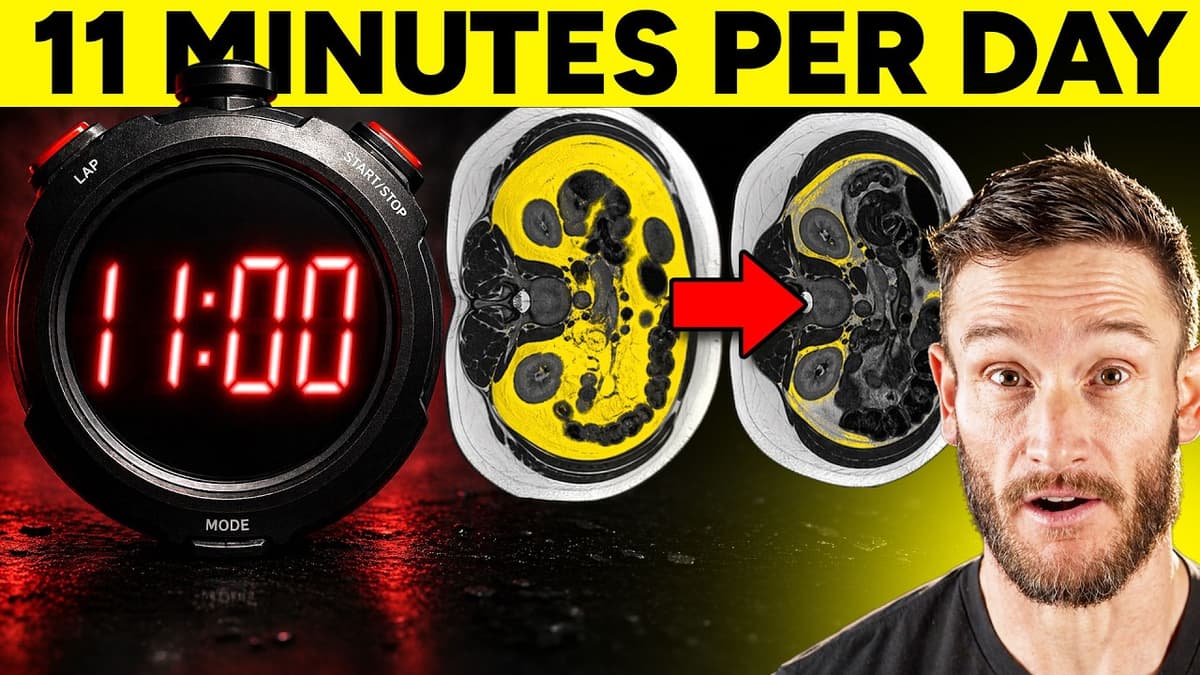
This Exercise Shrinks Visceral Fat and Repairs Mitochondria (in Literally Days)
The video introduces a brief, 11‑minute exercise protocol that claims to reset mitochondria, shrink visceral fat, and re‑program fat cells for better fuel utilization. It emphasizes that metabolic benefits depend less on total gym time and more on how cellular...

Former UFC Fighter on Surviving a Narcissist: 'They're Literally Demons'
The video features a former UFC fighter reflecting on life after retirement, describing how stepping away from the octagon forced him to question his identity and confront a deep depressive period. He recounts a tumultuous relationship with a narcissist, which...
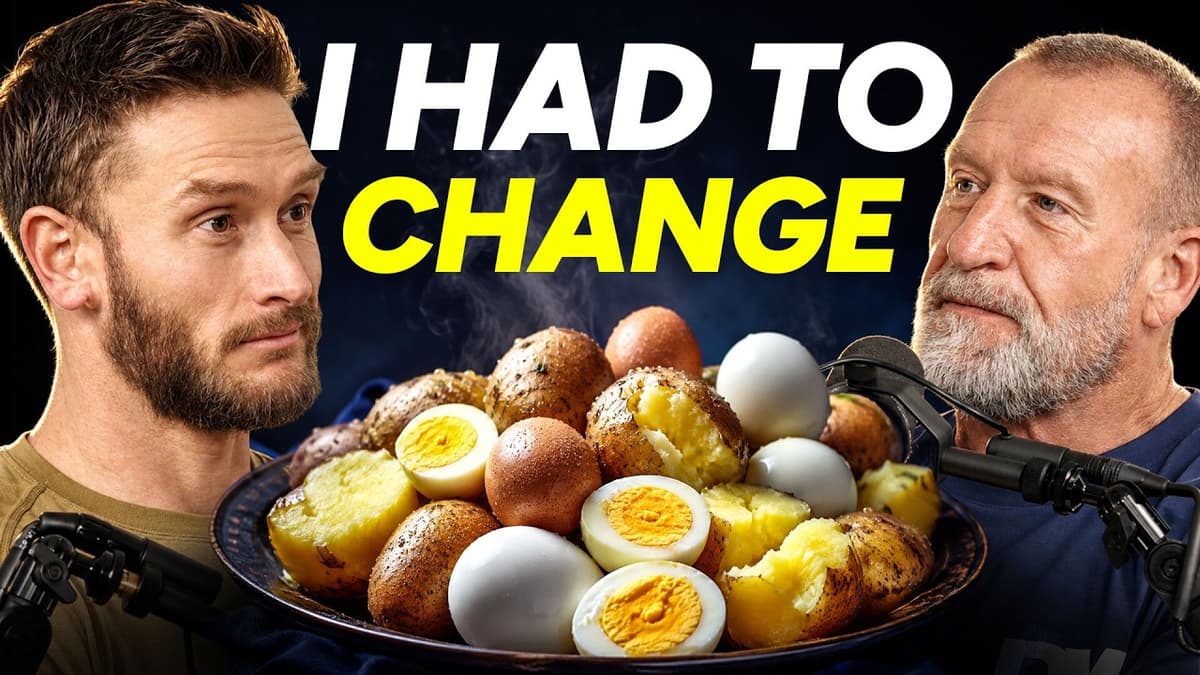
Dorian Yates Reveals His Exact Diet to Drop Fat and Build Muscle
Dorian Yates explains how his nutrition strategy evolved from the high‑volume, six‑meal routine he used during his Mr. Olympia years to a streamlined, health‑focused plan for his post‑competition life. He described consuming up to 6,000 calories daily, with roughly 1,000 g...
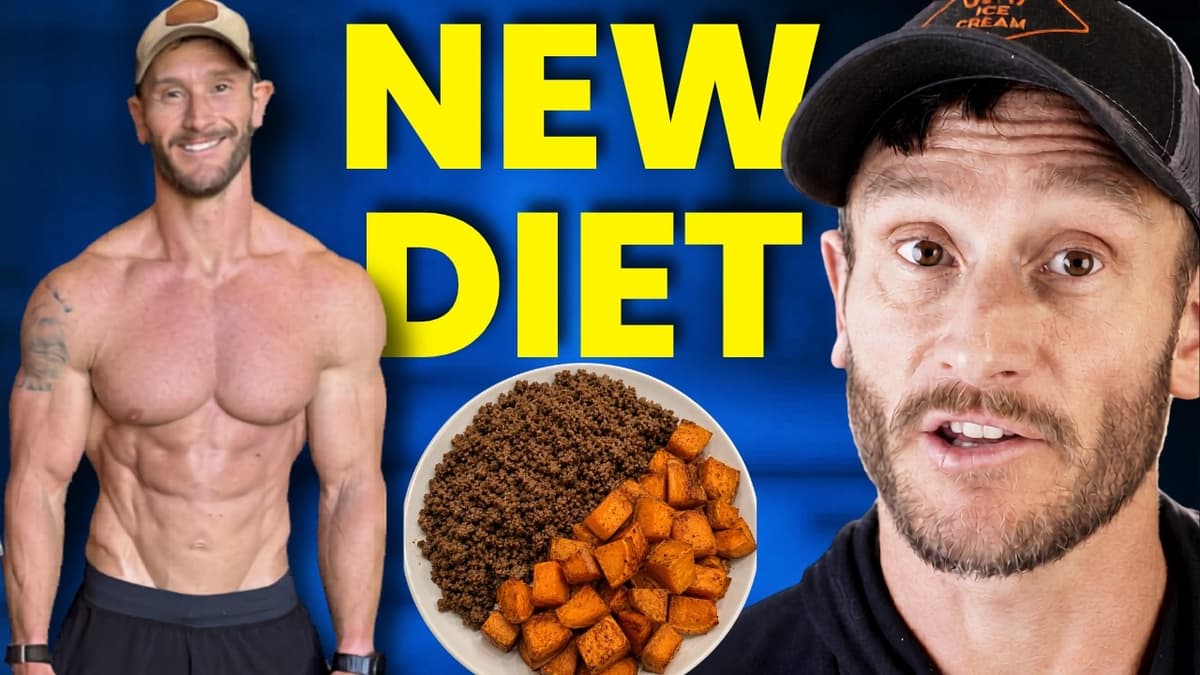
I Stopped 16:8 Fasting and This Happened (You Should Try It)
The video challenges the popular daily 16:8 intermittent fasting protocol, arguing that chronic morning fasts blunt the natural cortisol awakening response and can promote insulin resistance. The creator, once a staunch 16:8 advocate, now recommends re‑framing fasting on a weekly...

This Drives Cortisol Through the Roof - and We’ve Been Wrong for Decades
The video overturns decades‑old assumptions about cortisol, arguing that once energy availability falls below a critical threshold, calorie restriction stops being a weight‑loss tool and becomes a hormonal hazard. It defines that cutoff in terms of “energy availability” and explains...

1 Cup Makes You Sleep Harder, Lowers Cortisol and Replaces Alcohol
The video explores kava—a plant‑derived beverage—as a non‑alcoholic alternative that deepens sleep, lowers cortisol, and fosters social cohesion. Presenters explain that kava’s primary action is as a GABA‑ergic modulator, producing a calming yet alert state. Unlike direct agonists such as benzodiazepines,...
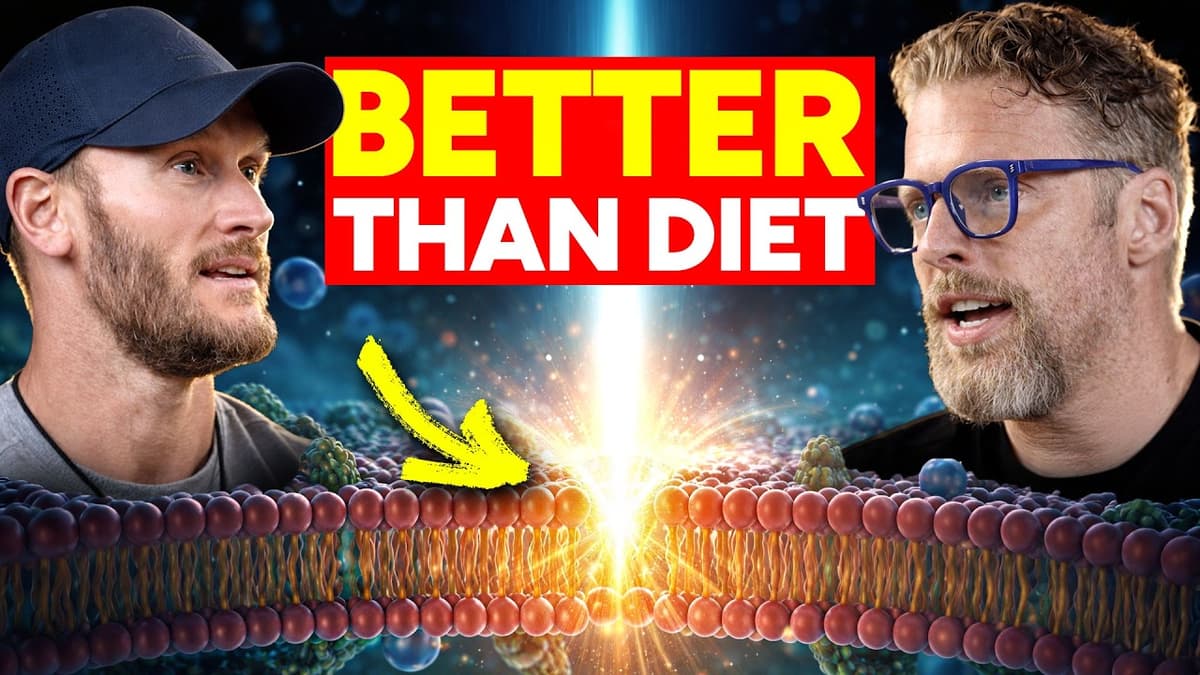
Your Mitochondria Are Begging You For This (More than Diet)
Speakers review emerging research suggesting near-infrared light boosts mitochondrial function through two mechanisms: canonical photon-driven effects on cytochrome c oxidase in the electron transport chain, and a less-recognized biophysical effect that restructures the ‘exclusion zone’ water around mitochondria, lowering viscosity...