
Veritasium
A top science channel by Derek Muller that investigates fascinating scientific phenomena. While broad in scope, it has featured nanotechnology topics – for instance, videos on graphene, nano-scale materials, and microscopic physics – presented in an engaging, thought-provoking style.
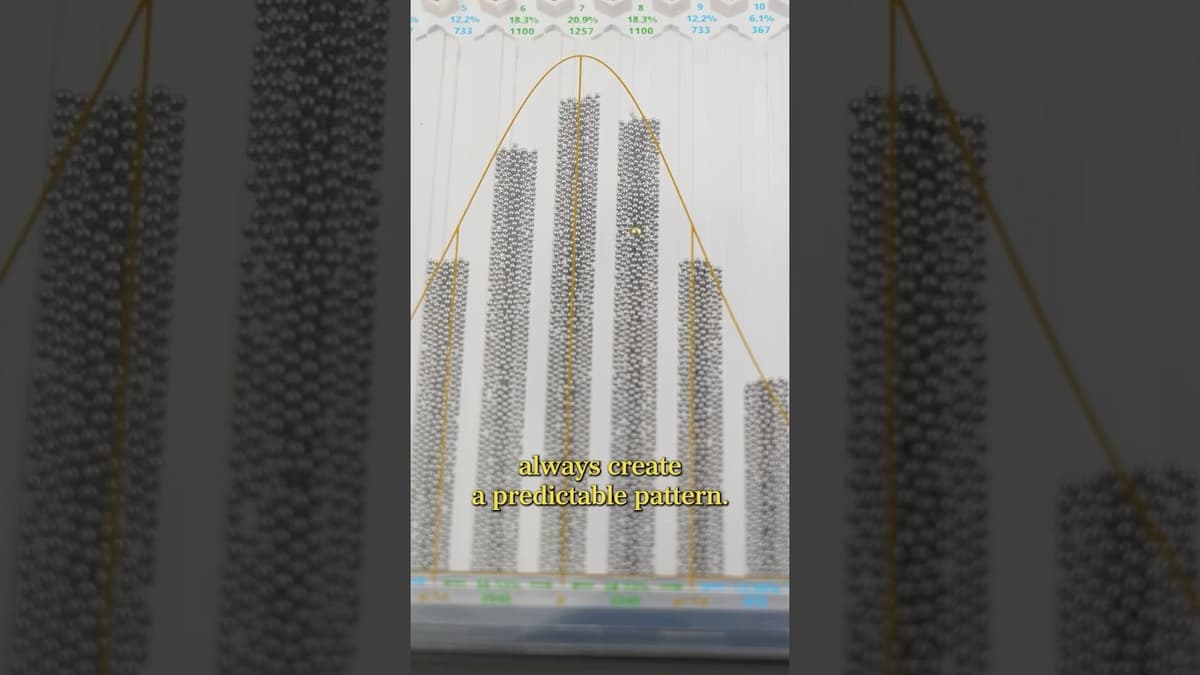
How A Random System Can Actually Be Predictable
The video uses a Galton board to illustrate how countless random walks generate a predictable bell‑shaped curve. Each ball’s 50/50 left‑right deflection creates a binomial distribution that converges to a normal distribution; the middle slots have many possible paths, extremes have only one. Louis Bachelier applied the same mathematics to stock prices, treating each time step as a peg; he independently derived the heat‑diffusion equation later formalized by Fourier, calling it “radiation of probabilities.” This connection underpins modern quantitative finance, showing that market risk can be modeled with the same statistical tools that describe physical diffusion, guiding pricing, hedging, and risk‑management strategies.
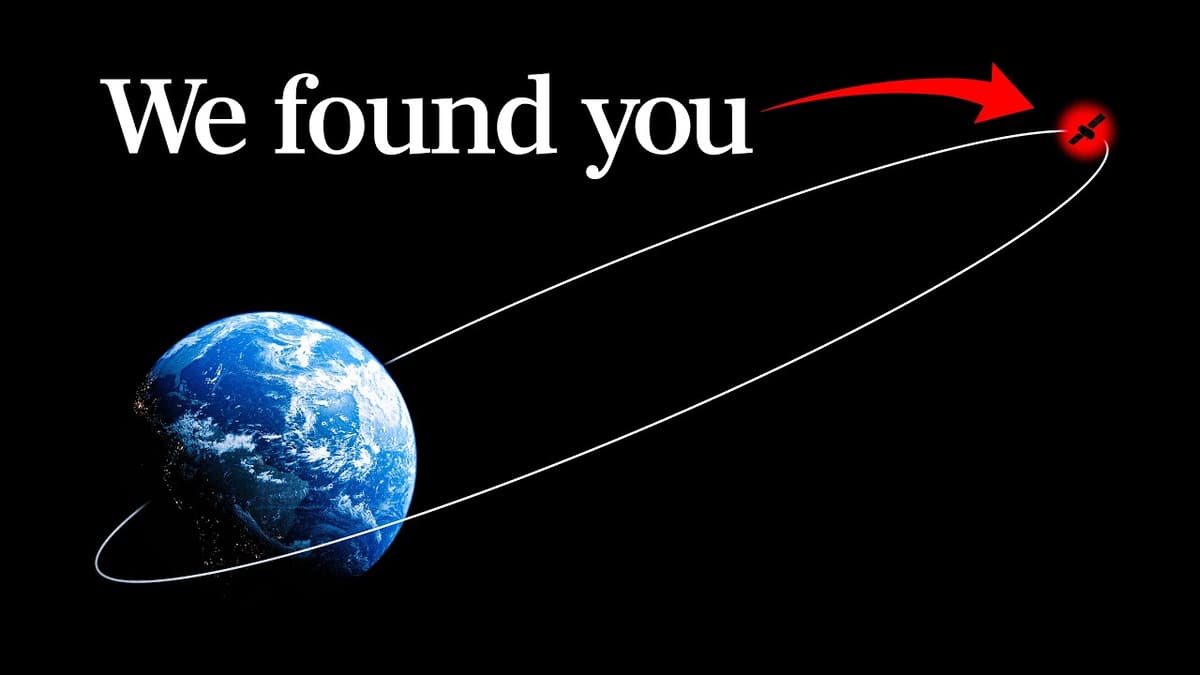
What Is Disrupting GPS Over Europe?
The video examines a series of mysterious GPS disruptions that swept across Europe, from Svalbard to Spain, causing a sudden ten‑fold drop in signal‑to‑noise ratio. Professor Todd Humphreys and his student Zach Clements identified the events in publicly available 2021...

How Alpha Particles Can Break Computer Chips
The video explains how Intel’s 1978 DRAM failures were traced to alpha particles emitted by trace uranium and thorium in the ceramic package surrounding the chips. Researchers discovered that radioactive decay produced energetic alpha particles that created electron‑hole pairs in silicon,...
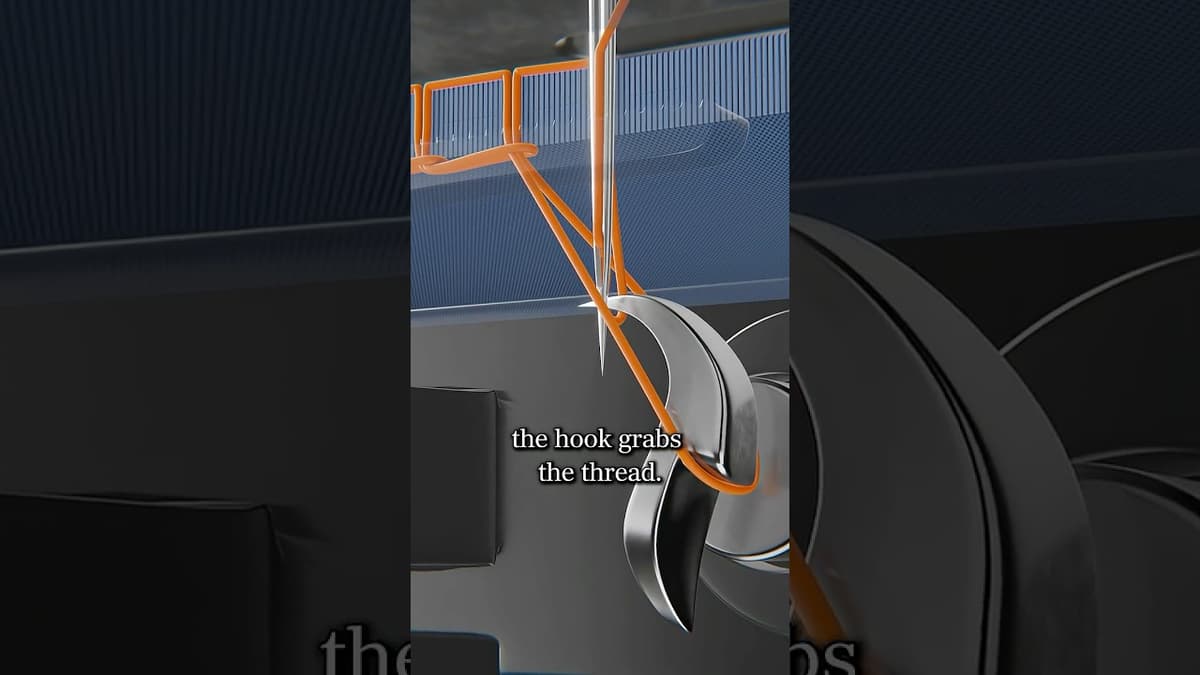
The Surprising Genius of Sewing Machines
The video spotlights Elias Howe’s lesser‑known 1851 patent that introduced the rotating‑hook bobbin, the core of today’s lock‑stitch machines. It walks through the needle’s descent, the brief bulge, and how the rotating hook snags the top thread, pulls it around the...
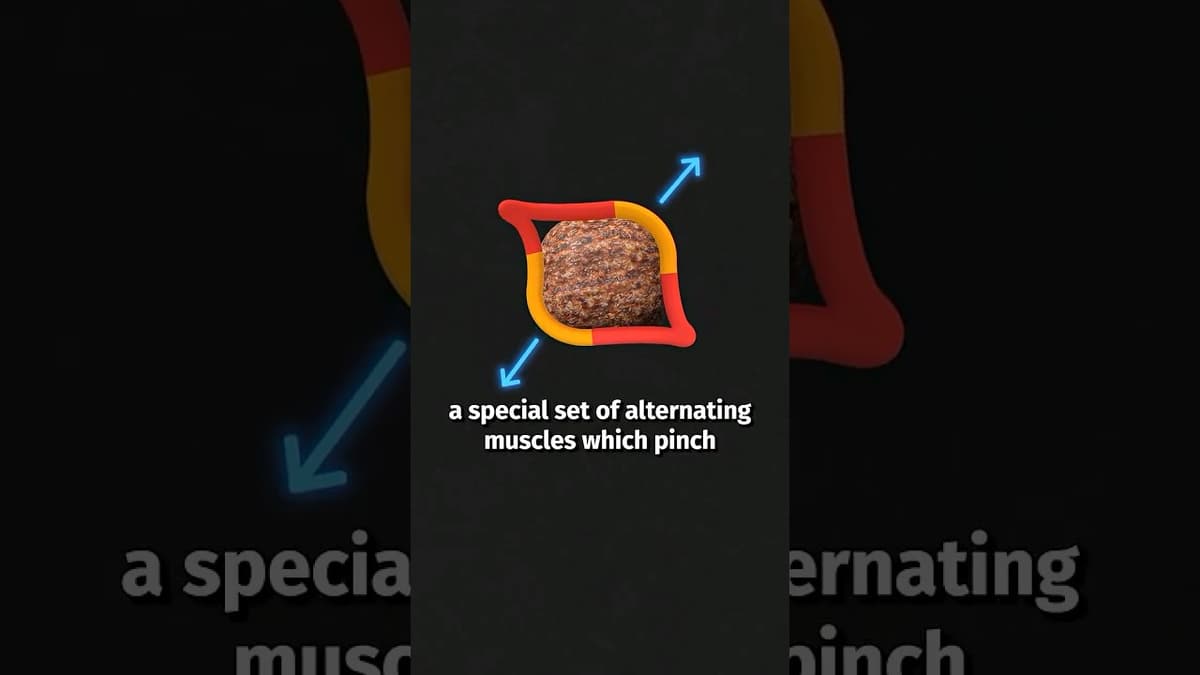
Wombats Poop Cubes
The video explains why the iconic Australian marsupial produces perfectly cubic feces, a curiosity that has puzzled scientists for years. Researchers dismiss simple explanations like rolling avoidance or a square sphincter, focusing instead on the animal’s extreme aridity. Wombats extract maximal...

Why Don't Trains Make *that* Sound Anymore?
The video explains why modern trains no longer produce the familiar click‑clack as they roll past. Early railways used jointed steel sections with intentional gaps; those gaps let the metal expand and contract with temperature, creating the distinctive sound but...
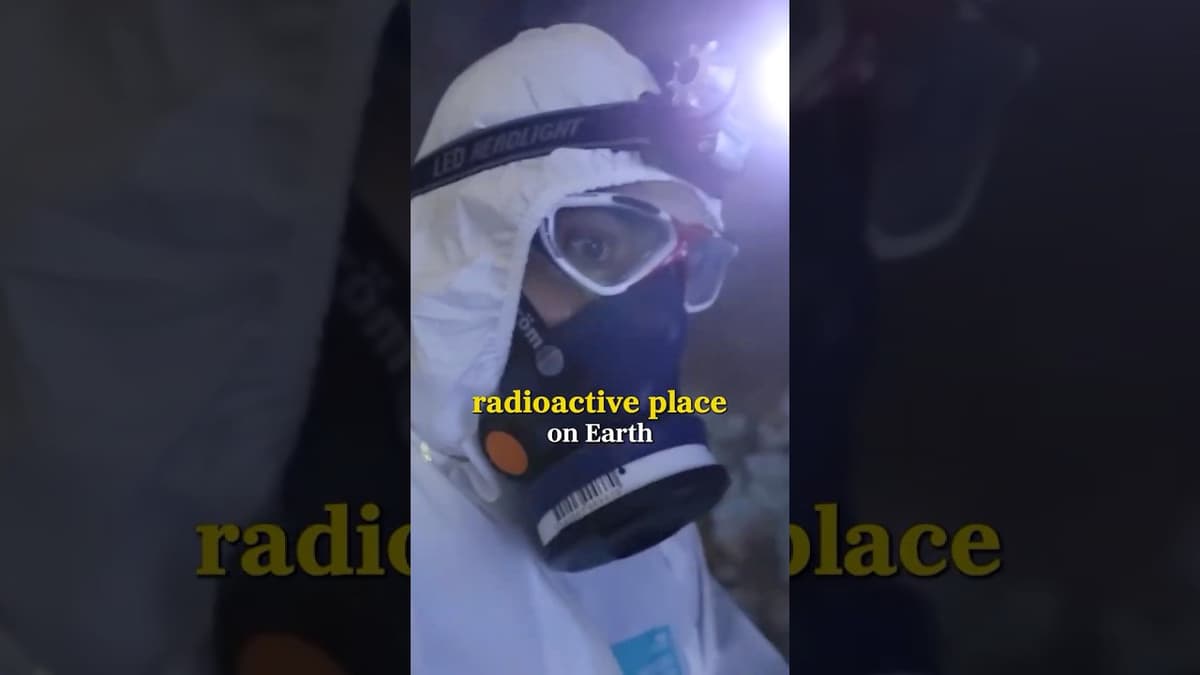
The Most Radioactive Place On Earth
The video uses bananas as a relatable unit to illustrate radiation levels across various environments, ultimately arguing that the most radioactive “place” for a person is not a geographic location but a habit—smoking. It quantifies background exposure at roughly 65 bananas...

Can Something Go Faster than It’s Pushed?
The video demonstrates a simple cart that travels downwind faster than the wind itself, challenging the intuition that aerodynamics are required for such performance. By placing a large wheel on two smaller spools and pushing the board to the right,...

The Bizarre Behaviour Of Rotating Bodies
The video explains the Janabbeckov effect—better known as the intermediate axis or tennis‑racket theorem—through a dramatic Cold‑War anecdote. In 1985 cosmonaut Vladimir Janabbeckov, while re‑activating the Soviet Salute 7 station, watched a loose wing nut spin, pause, then flip 180° and...