
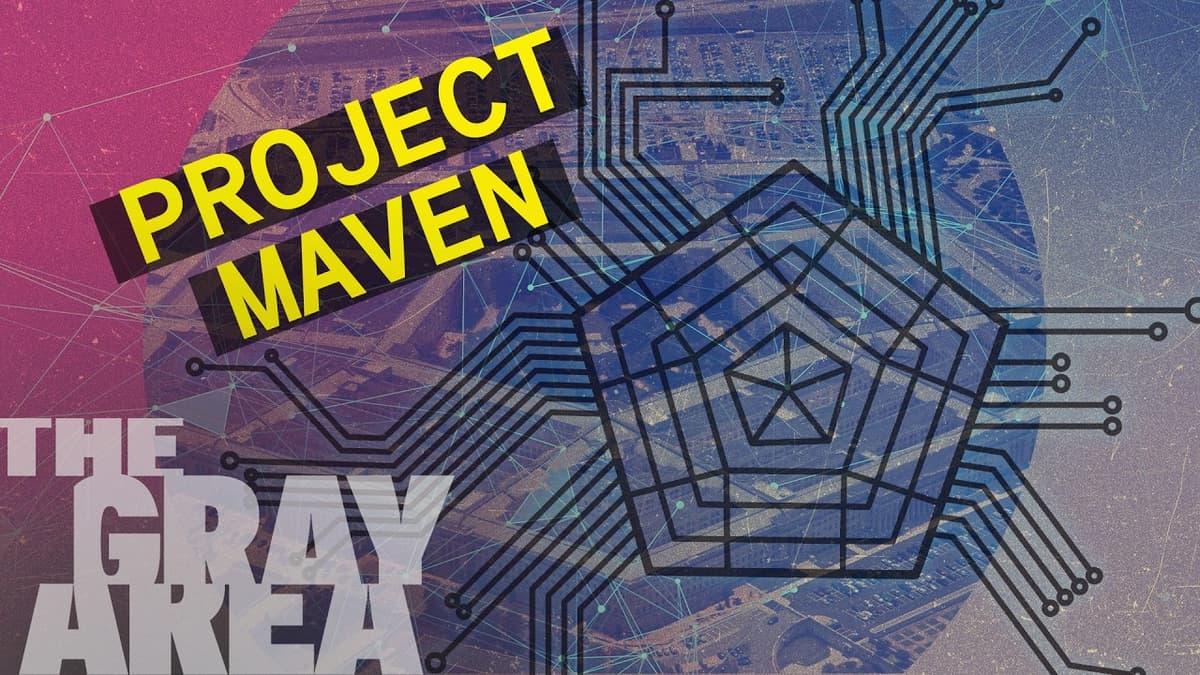
The Pentagon’s AI War Machine
The video examines the Pentagon’s Project Maven, launched in 2017 to embed artificial‑intelligence computer‑vision into drone‑derived video streams for counter‑terrorism operations. Initiated by Deputy Defense Secretary Bob Work and driven by Marine Colonel Drew Kukor, the program aimed to accelerate the military’s AI adoption and eventually scale to broader targeting functions. Early field tests proved problematic: algorithms mis‑identified objects, flooded operators with false positives, and were sometimes abandoned by users in Somalia and Afghanistan. A breakthrough came when AI successfully distinguished marines through smoke during a compound raid, demonstrating a tangible benefit in reducing friendly‑fire incidents. Despite these gains, the system remained firmly “human‑in‑the‑loop,” with policy mandating human judgment over lethal decisions. Kukor’s internal papers reveal a stark perspective: “the problem with war is the humans—corrupt, inefficient, and tired,” suggesting AI could streamline lethal targeting. He openly discussed targeting ambitions, contrasting with Google’s public claim that Maven would be used only for non‑offensive purposes. Other team members voiced a darker view, noting that AI could enable “killing people all the time.” The discussion underscores a pivotal crossroads for defense: balancing operational efficiency with ethical safeguards as AI moves from analysis to potential autonomous strike capabilities. The lack of clear policy language around “appropriate” human judgment fuels uncertainty for contractors, policymakers, and the public, making the evolution of Project Maven a bellwether for future AI‑driven warfare.
The Pentagon’s AI War Machine
The video examines the Pentagon’s growing reliance on artificial intelligence in combat, spotlighting a 2018‑2019 Afghanistan raid where AI quickly identified Marines obscured by smoke, outperforming human visual detection. It stresses that, despite AI’s speed, decision‑making stayed under human control. The...

Ozempic: $14 in India Vs. $349 in the US #shorts
The video highlights a stark price disparity for semaglutide, the active ingredient in Ozempic, which costs $349 a month in the United States but only about $14 in India. The difference stems from the recent expiration of the drug’s patent...

The Curious Case of Kanye West
The video examines why Kanye West remains a box‑office draw even as he faces bans and widespread condemnation. Despite being barred from venues in the UK and having a festival canceled, West’s recent Los Angeles shows grossed near‑record numbers, placing the...
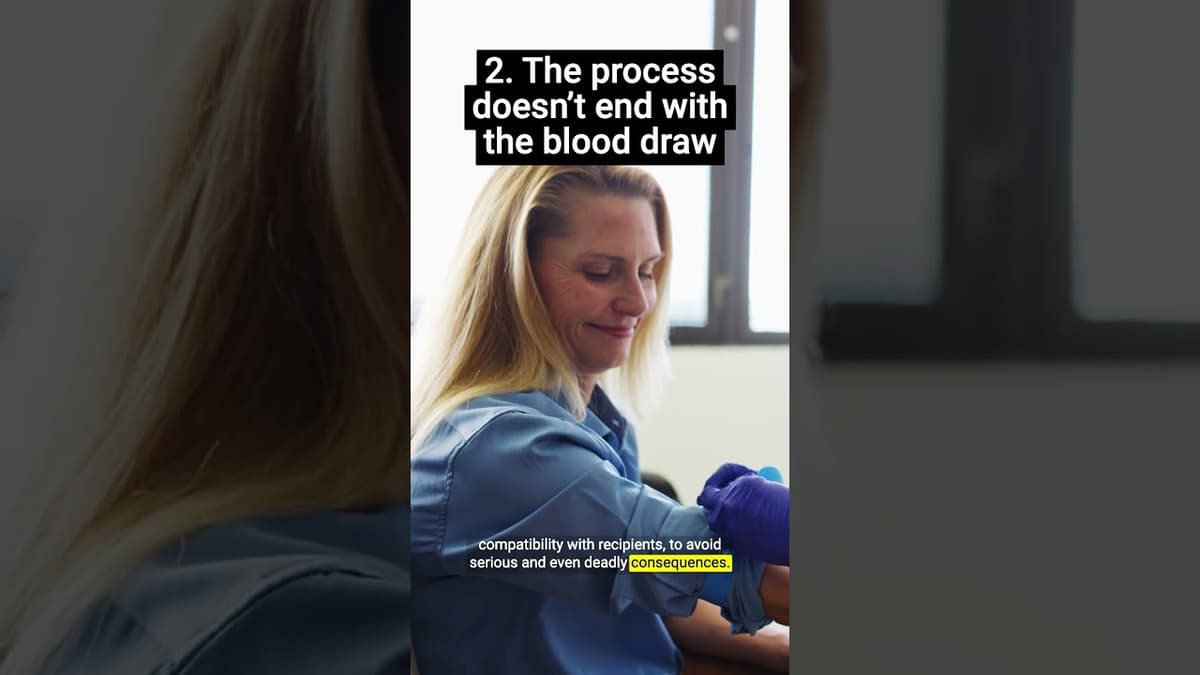
Three Things to Know About Donating Blood #shorts
The short video outlines three essential facts about blood donation, emphasizing the stark gap between supply and demand in the United States. It notes that merely 3% of Americans donate each year, while a single car‑accident victim can require as...

Tucker Carlson Tried to Talk Trump Out of the Iran War #shorts
Tucker Carlson’s short clip centers on his attempt to dissuade President Donald Trump from escalating a conflict with Iran, while lambasting the White House for what he describes as a series of imprudent foreign‑policy moves. He links the January 4th covert...

Does Eating Tofu Impact Your Masculinity? #shorts
The short video tackles the persistent myth that eating tofu—or any soy product—undermines a man’s masculinity, using nutrition influencer Jacob Smith’s experience as a case study. Smith’s comment section is filled with accusations that soy makes him weak, despite his...

Lindy West's Memoir and Why People Are Mad at Polyamory #shorts
Lindy West, a prominent feminist journalist, debuted her memoir “Adult Braces” this month, chronicling a solo cross‑country van journey and her entry into a three‑person polyamorous relationship with her husband and a third partner. The book blends travelogue with intimate reflections...

Was There an Imminent Threat From Iran? #shorts
The video centers on a question posed to a former Trump administration counterterrorism director about whether Iran represented an imminent threat to the United States, referencing his recent resignation and the broader debate over the legal justification for a pre‑emptive...

How Trump Is Mishandling the War in Iran #shorts
The video features a seasoned pro‑regime‑change commentator criticizing President Trump’s handling of the emerging conflict with Iran. While the commentator has long advocated for a U.S.‑led overthrow of Tehran’s government, he argues that Trump’s recent actions betray that objective by...

The Banana Is Under Threat #shorts
The video highlights the precarious state of the world’s most consumed fruit, tracing how the once‑dominant Gros Michel banana was wiped out by Panama disease and how its successor, the Cavendish, now faces the same fate. By the 1950s, the Cavendish...

Why AI Should Benefit More than Billionaires #shorts
AI's role in everyday tasks is highlighted in a short video where the speaker recounts using large language models to dissect a 72‑page lease and to assist doctors in diagnosis. He emphasizes that while the technology can streamline complex processes,...

Why Trump’s New DHS Pick Appeals to MAGA #shorts
The video examines Oklahoma Senator Markwayne Mullin’s emergence as President Trump’s pick for Secretary of Homeland Security and why his unconventional résumé appeals to the MAGA base. Mullin, a plumber‑turned‑MMA fighter, has spent roughly 13 years in elected office, yet...
![How Do You Bring the FIFA World Cup™ to the World? [Partner Content From Verizon]](/cdn-cgi/image/width=1200,quality=75,format=auto,fit=cover/https://i.ytimg.com/vi/lgxh1QnDikM/maxresdefault.jpg)
How Do You Bring the FIFA World Cup™ to the World? [Partner Content From Verizon]
Verizon has been appointed the official telecommunications services sponsor for the 2026 FIFA World Cup, tasked with constructing the digital backbone across all 16 host cities in North America. The partnership positions the carrier at the center of the tournament’s...
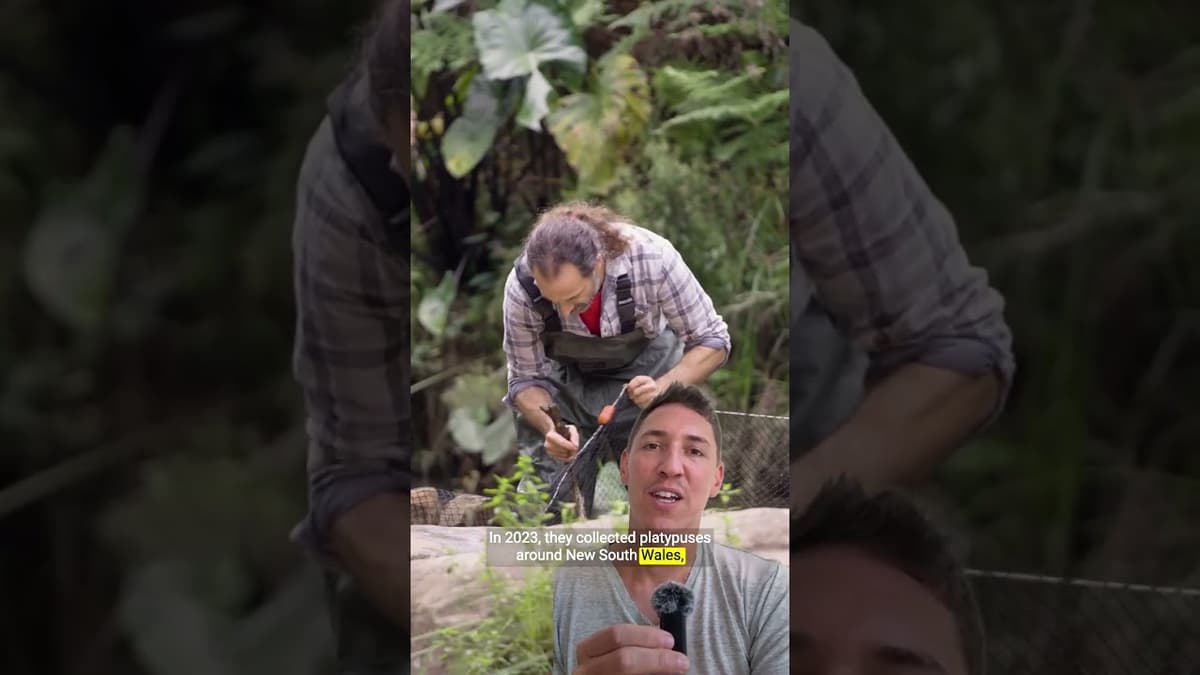
These Platypuses Are Helping Heal an Iconic Australian Ecosystem #shorts
Scientists reintroduced ten captive‑bred platypuses into a historic Sydney park, aiming to revive a once‑thriving ecosystem that vanished due to pollution and habitat loss. The animals, six females and four males, were transported in pillow‑case containers and released into the...