

Can Cities Actually Profit From Hosting a World Cup?
The video examines whether North American cities can profit from hosting the 2026 FIFA World Cup. While FIFA projects over $3 billion in ticket and hospitality sales, experts warn host municipalities are likely to run deficits. Robert Stroka of Talsson University explains contracts heavily favor FIFA, obligating cities to cover organizing, security, transport and venue upgrades. Projected direct spending—$1.7 billion for New York‑New Jersey—often falls short of tax revenues needed to offset these costs. Stroka quotes, “I don’t expect any profits. I expect most host cities to run significant deficits.” He cites hotel rates halving, train tickets soaring from $13 to $98, and similar spikes at other venues, underscoring revenue gaps. FIFA’s recent concessions—allowing cities to sell sponsorships and charge fan‑festival admissions—may soften losses, but the financial risk remains. Policymakers must weigh short‑term tourism gains against long‑term fiscal burdens before committing to future mega‑events.

Apple WWDC 2026: Here Are The Key Takeaways
Apple opened WWDC 2026 by acknowledging criticism of last year’s “liquid glass” UI and unveiling a series of adjustments aimed at restoring usability and expanding its AI roadmap. The keynote introduced a new opacity slider that lets users set the glass...
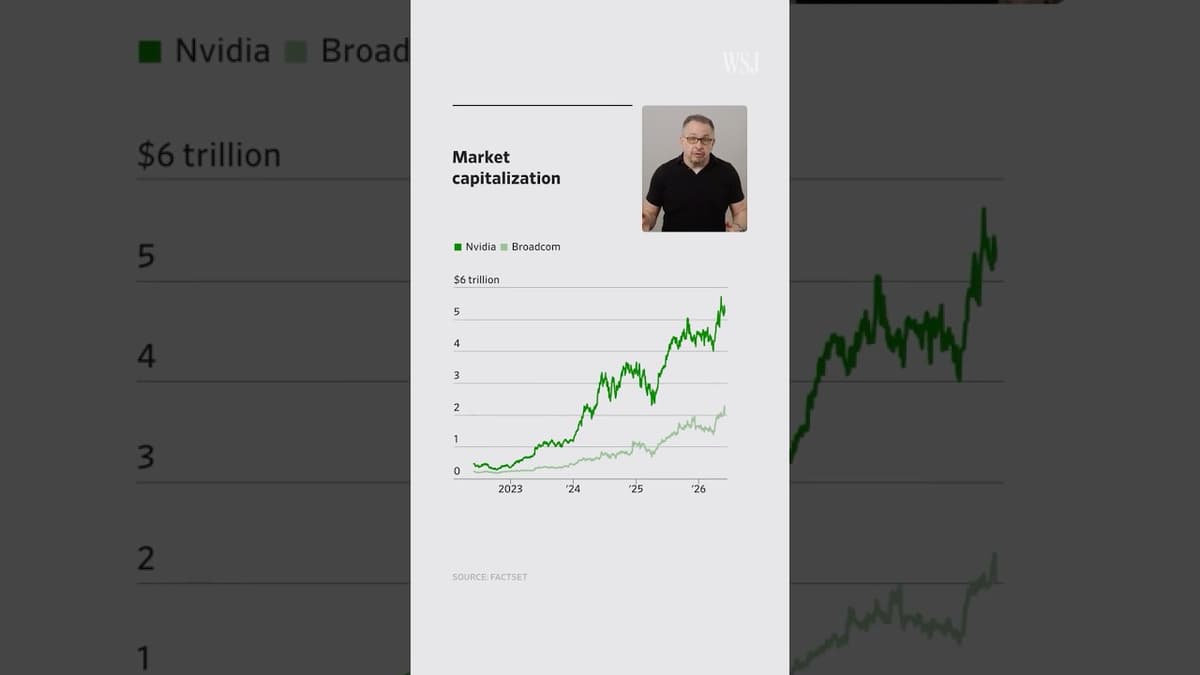
Why AI Chipmaker Stocks Are Taking a Dip
The video examines why shares of AI‑chip leaders Broadcom and Nvidia are slipping even as they project record‑high revenues. Broadcom reiterated a $100 billion AI‑chip sales target for the next fiscal year, yet its stock dropped after earnings. Nvidia enjoyed a brief...
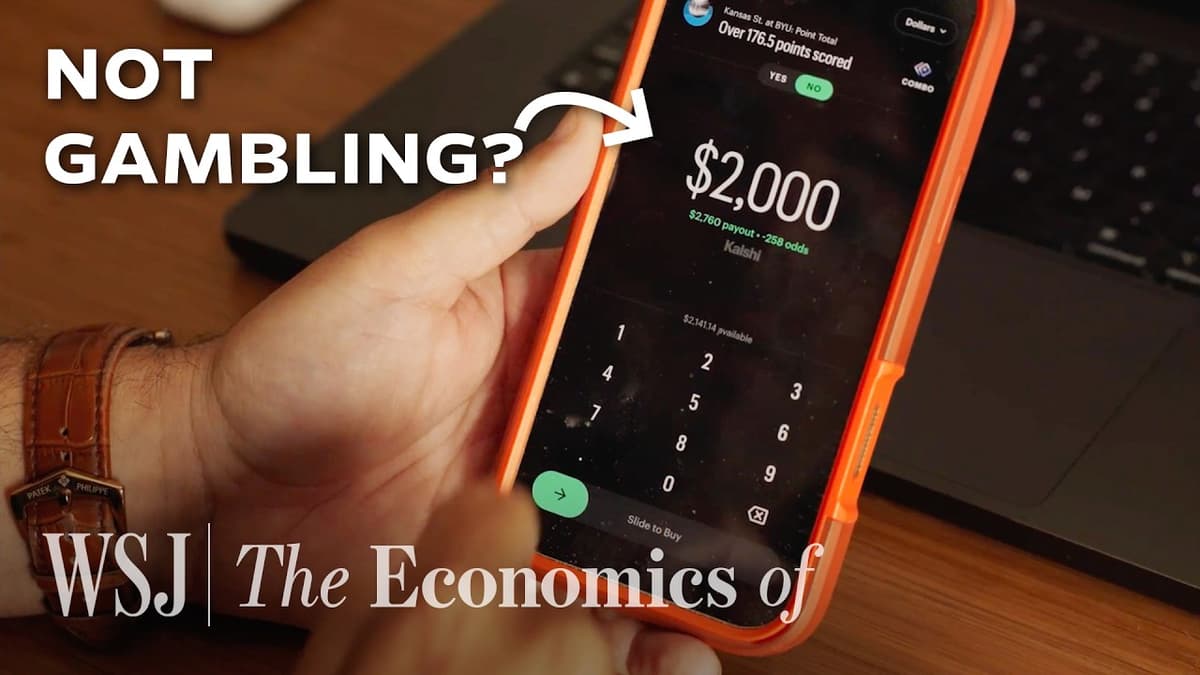
How Are Kalshi and Polymarket Worth Billions Without a Gambling License? | WSJ The Economics Of
The Wall Street Journal video examines why two prediction‑market platforms—Kalshi and PolyMarket—are worth billions even though they operate without a traditional gambling license. Both sites sell binary “event contracts” that settle at $1 or $0, with prices reflecting collective probability. The...

I Tried Out a $60 Capsule Hotel in Hawaii
A Japanese capsule-hotel chain opened its first U.S. location in Honolulu, where a reviewer stayed in an economy pod for $60 a night and a larger first-class cabin for $150. The pods are compact but equipped with basic amenities—light, power...

How Allison Ellsworth Turned a Homemade Soda Into a Billion-Dollar Brand | The WSJ Money Interview
The WSJ Money interview follows Allison Ellsworth’s transformation from an oil‑and‑gas professional to the founder of Poppy, a health‑focused soda that fetched nearly $2 billion in a deal with Pepsi. It chronicles how she and husband Steven bootstrapped the brand...

The Big Business Buying Up America’s Hockey Rinks | WSJ
The Wall Street Journal profile examines Black Bear Sports Group’s rapid expansion into America’s community ice rinks. Founded in 2015, the private‑equity‑backed firm has bought nearly 50 facilities across the Northeast, Mid‑Atlantic and Midwest, often rescuing venues that have suffered...
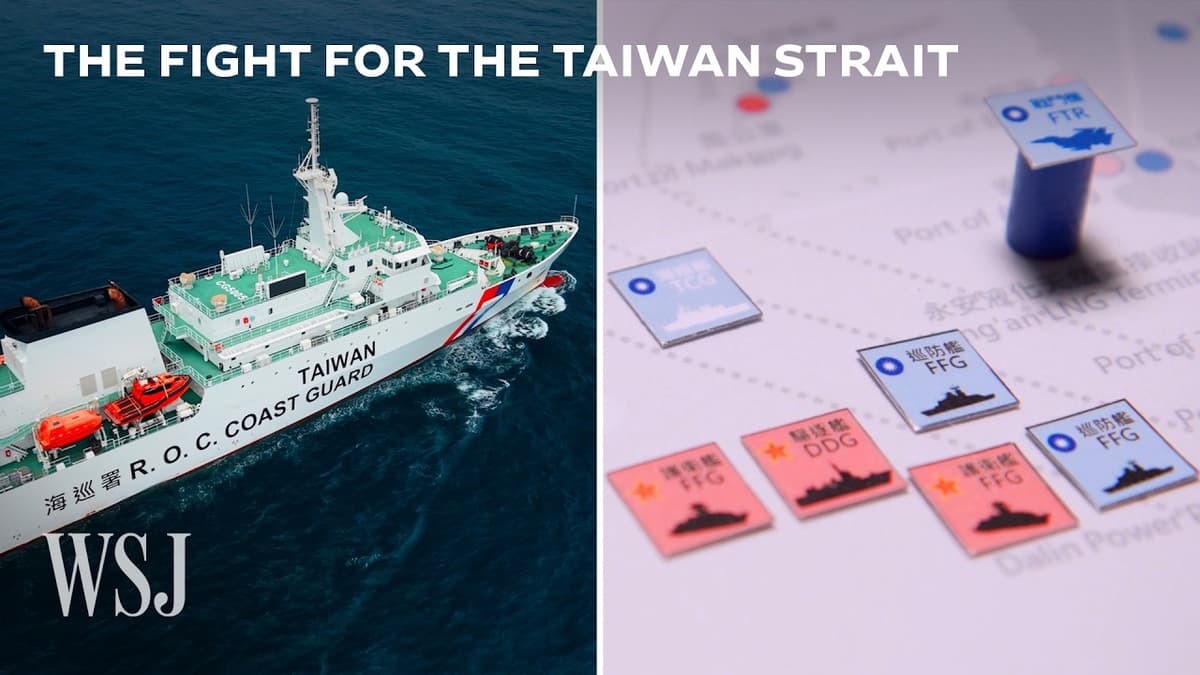
Taiwan Showed Us How It’s Countering China’s Ramped Up ‘Harassment’ | WSJ
The Wall Street Journal’s video follows a Taiwanese coast‑guard patrol through the contested Taiwan Strait, illustrating how Taipei is confronting a surge of Chinese maritime harassment. Beijing’s coast guard, now the world’s largest, has been staging simulated blockades and...
What a $250K Longevity Budget Gets You
The video explores how ultra‑wealthy consumers are allocating up to $250,000 a year to specialized longevity programs. These budgets fund a suite of services—from full‑body high‑resolution MRI scans and genetic sequencing to continuous biomarker monitoring—designed to detect and mitigate age‑related...

Amazon Vs. SpaceX: The High-Stakes Battle for Space Internet | WSJ
The Wall Street Journal video contrasts Amazon’s nascent LEO satellite effort with SpaceX’s dominant Starlink constellation. Amazon’s Project Kuiper has deployed roughly 300 satellites, a fraction of the 12,000‑plus Starlink units already in orbit and far below the 7,000 satellites...

Engineer Explains Why Building Data Centers in Space Is So Hard | WSJ Pro Perfected
The Wall Street Journal video examines the technical and economic hurdles of moving data‑center workloads off Earth. Companies such as SpaceX and Blue Origin have floated orbital‑computing concepts, even filing FCC applications for satellite clusters that could act as floating...

U.S. Commercial Flights to Venezuela Are Back. WSJ Was On Board | WSJ
U.S. commercial airlines have launched direct flights to Venezuela, ending a seven‑year suspension. The Wall Street Journal team boarded the inaugural round‑trip, noting a $1,700 fare that remains out of reach for most Venezuelans but signals a reopening of air...
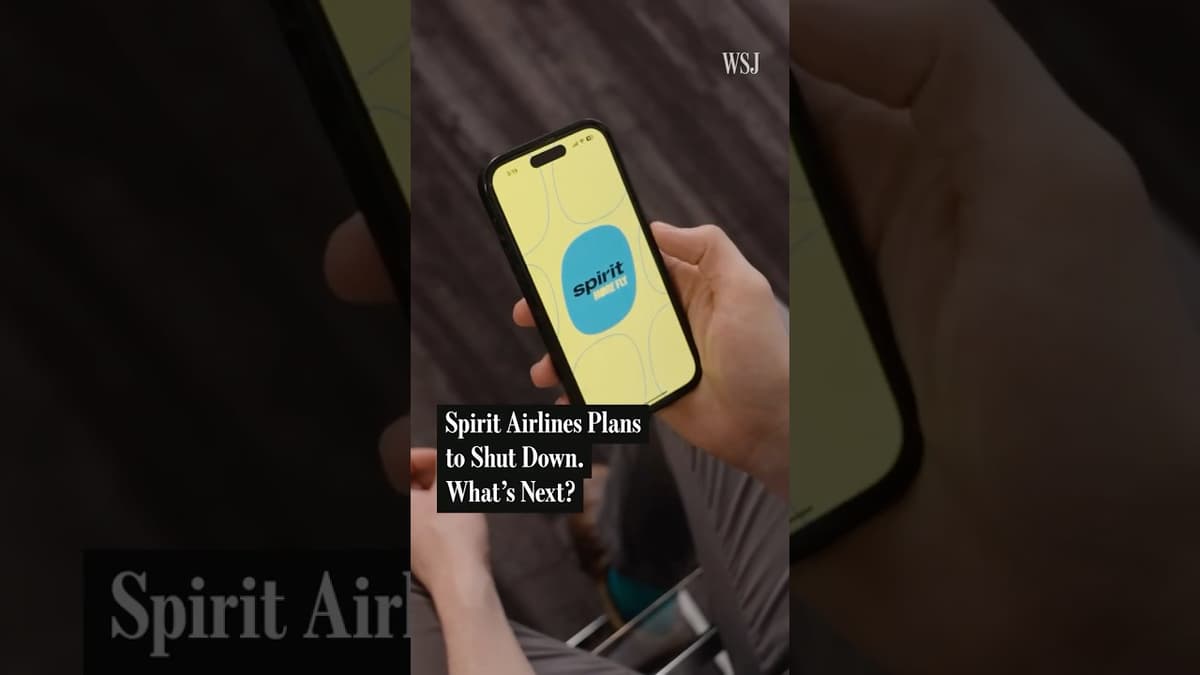
Spirit Prepares to Shut Down: Here’s What Customers Should Know | WSJ
Spirit Airlines announced it is preparing to cease operations as liquidation looms after the Trump administration’s bailout proposal fell apart. The carrier, once a darling of ultra‑low‑cost travel, has been hamstrung by pandemic‑induced debt, two recent bankruptcy filings and a surge...

How Multi-Million-Dollar Divorce Cases Actually Get Settled | WSJ
Jacqueline Newman, a New York attorney specializing in high‑net‑worth divorces, explains how cases exceeding $20 million in assets are settled. The process begins with an exhaustive statement of net worth, capturing assets, liabilities, and detailed expense categories, which becomes the foundation...

Apple CEO Tim Cook on What Advice He'd Give His Successor
Tim Cook, Apple’s chief executive, addressed the question of what advice he would give his eventual successor. He emphasized that the incoming leader should stay authentic and not try to emulate the previous CEO’s personality, echoing a lesson originally imparted...