
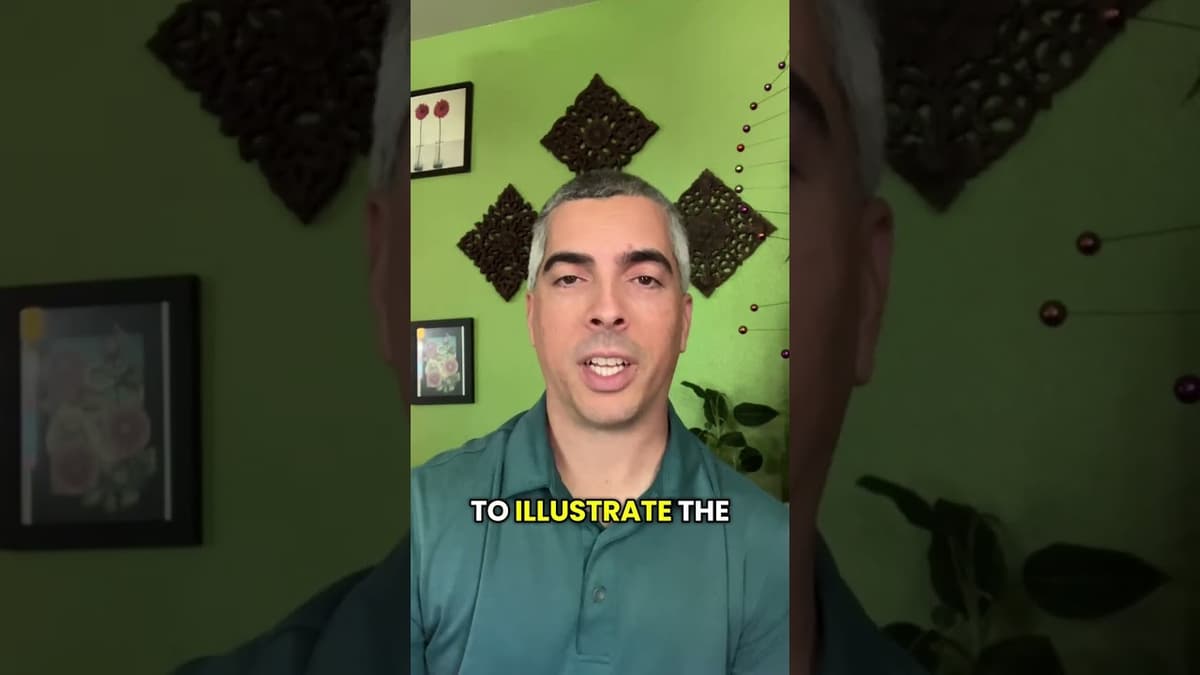
20 Years of An Inconvenient Truth
The video marks the 20‑year anniversary of Al Gore’s 2006 documentary *An Inconvenient Truth*, using the film as a benchmark to assess how its science and projections have fared in 2026. The narrator finds that the core forecasts—accelerating glacier loss, rising sea levels, more frequent heatwaves, droughts, floods, hurricanes and expanding vector‑borne diseases—have largely materialized. Minor oversimplifications, such as the fate of a few specific glaciers, do not undermine the overall accuracy. Carbon‑dioxide concentrations continue to climb along the steep trajectory Gore illustrated with a scissor‑lift graph. Gore’s on‑screen pessimism—“no meaningful signs of change”—is contrasted with the presenter’s own career shift after the film inspired him to become a climate journalist. The video references his iconic scissor‑lift demonstration and notes the subsequent signing of the Paris Agreement, which has lowered projected warming from 3.5‑4 °C to about 2.5‑3 °C by century’s end. The assessment underscores that while the documentary’s warnings remain valid, policy advances have modestly altered the climate outlook. It highlights the power of visual storytelling in mobilizing public and professional engagement, and signals that further emissions cuts are essential to avoid crossing the 3 °C threshold.
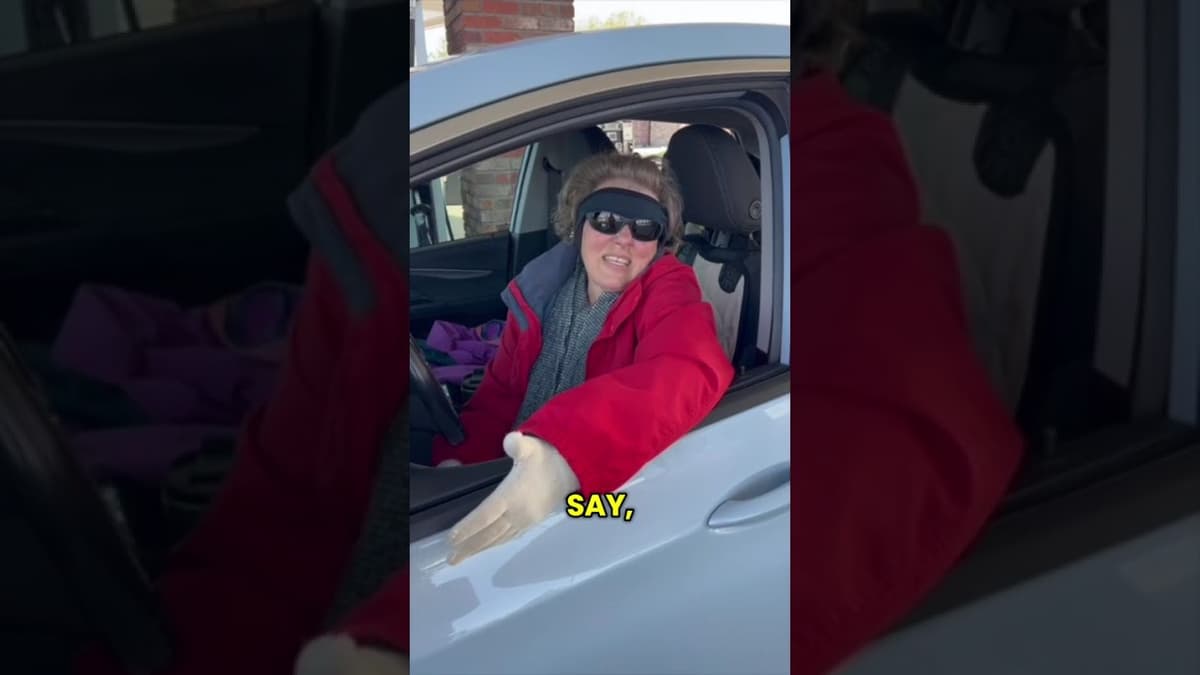
Gas Prices Are High; These Drivers Don't Care.
High gas prices dominate headlines, but the video shows a subset of drivers who are unfazed because they drive electric vehicles. The narrator interviews several owners who say they rarely, if ever, visit a gas pump, focusing instead on home‑charging...
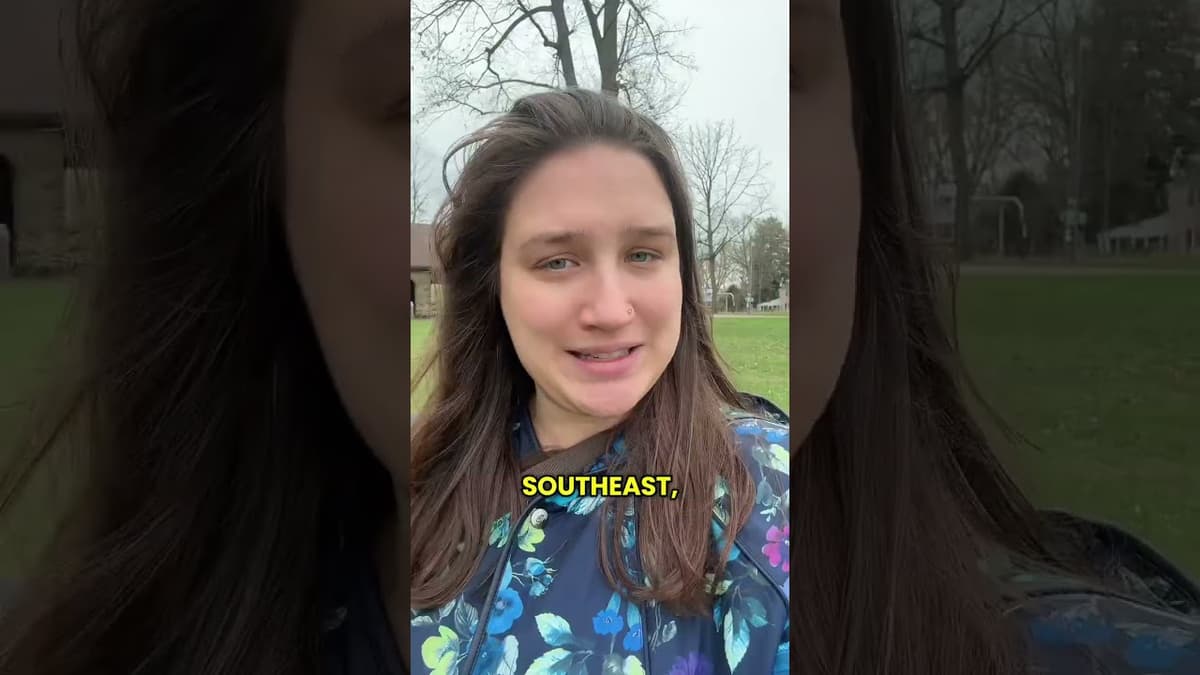
Spotted: Huge Hail and Tornadoes
The video documents a recent severe thunderstorm that dropped baseball‑size hail and spawned tornadoes, prompting the creator to ask how climate change may be influencing such extreme events. Scientists explain that a warmer atmosphere strengthens updrafts, which can generate larger hail,...

What's the Deal with Deep-Sea Mining?
The video examines the growing push to mine polymetallic nodules from the Pacific seabed, framing the activity as a climate‑friendly source of copper, nickel, manganese and cobalt needed for batteries, solar panels and other green technologies. Proponents argue the minerals are...

Allergy Seasons Are Getting Worse
The video highlights a growing public‑health concern: seasonal allergies are becoming more severe as climate change extends growing seasons and amplifies pollen production. The presenter notes that more than 82 million Americans now experience allergy symptoms, a figure that is climbing...

How to Quit Plastic
The video spotlights the growing frustration of consumers trying to eliminate plastic from their lives, featuring a conversation between a doctor‑mom and journalist Beth Gardner, author of *Plastic Inc.* The discussion underscores that while individual actions—like switching to glass containers...

Should There Be Category 6 Hurricanes?
The video examines a growing call among climate scientists to introduce a Category 6 classification for hurricanes and typhoons whose sustained winds exceed 184 mph, a level currently lumped into the existing Category 5 bracket. Researchers at National Taiwan University argue that the 157‑mph...

We Knew About Climate Change in the 1800s
The video recounts the 1856 experiment by Ununice Newtonfoot, an American physicist, who showed that carbon dioxide absorbs heat, laying groundwork for climate science. Newtonfoot filled glass cylinders with various gases, placed thermometers, and exposed them to sunlight; the CO₂ cylinder...

The Ski Industry Is Oddly Quiet on Climate Change
The video highlights the ski industry’s surprising silence on climate change, underscored by a recent heat wave that forced dozens of western U.S. ski areas to close early. The narrator, a climate journalist and professional ski instructor, frames the event...

You Can't Run the Iditarod without Snow
The video highlights how climate change is eroding the snow and frozen ground that make the Iditarod possible, forcing organizers to confront increasingly unpredictable winter conditions in Alaska. Last season’s 2025 race saw the start line shifted 200 meters north because traditional...

Stay Warm with a Heat Pump
The video highlights the rapid rise of electric heat pumps in cold‑climate markets, noting that Norway, Finland and Sweden now boast some of the world’s highest adoption rates. Historically, heat pumps struggled in sub‑zero conditions, but recent advances have changed...

How DOGE Canceled a Climate Change Grant at NEH
The video examines a recent deposition of Michael McDonald, acting chair of the National Endowment for the Humanities (NEH) during the early Trump administration, revealing how the agency systematically cancelled grants that referenced climate change. McDonald testified that staff flagged proposals...
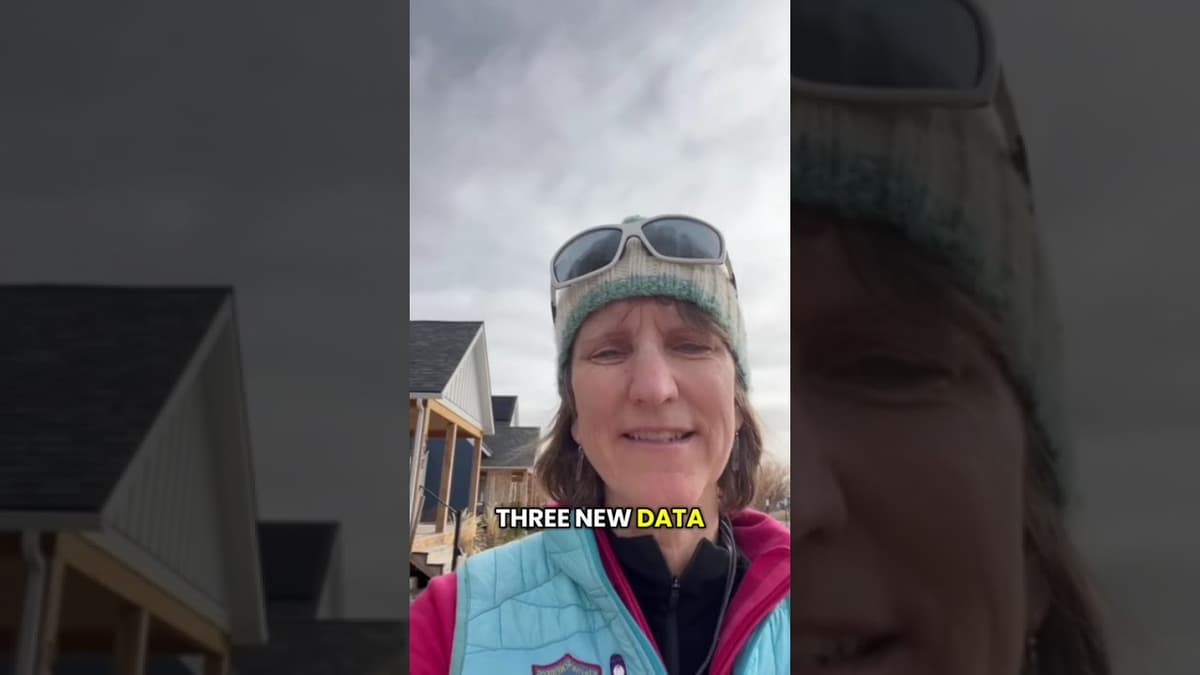
Secretive Data Center Agreements 👀
Montana’s largest utility, Northwestern Energy, is negotiating letters of intent (LOIs) with three prospective data centers, documents that outline electricity volume, pricing and service timelines but remain hidden from the public. The video highlights how these secret agreements bypass typical...
Gas Prices Skyrocket in War with Iran
The video highlights how the escalating conflict between the United States, Israel, and Iran has sent gasoline prices soaring across the United States, threatening household budgets and broader economic stability. With roughly 20% of global oil transiting the Strait of Hormuz,...
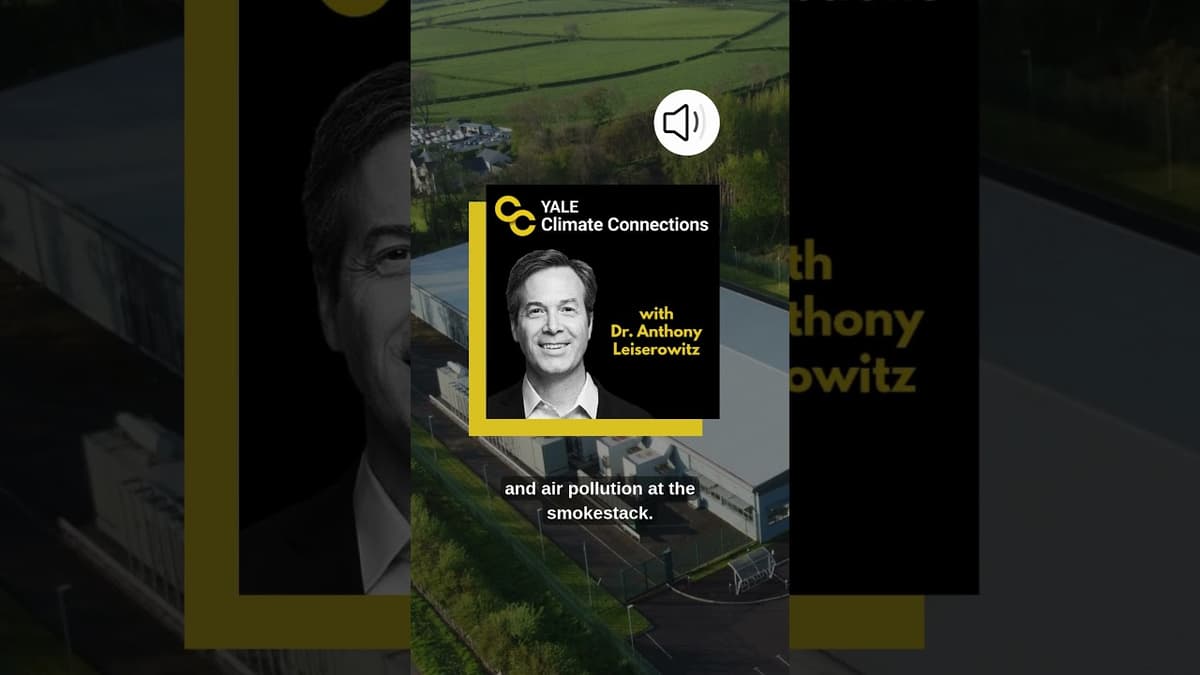
Are Data Centers Gas Guzzlers?
The video examines how exploding AI workloads are turning data centers into energy‑intensive behemoths, prompting a looming need for new power generation in the United States over the next decade. Dr. Anthony Lizeritz cites Nick Mueller of Carnegie Mellon,...