Bron Blames Humans For Crypto's Risks
Companies Mentioned
Why It Matters
By framing crypto risk as a human problem, Bron differentiates its security proposition and may attract users skeptical of custodial solutions, prompting the wider industry to prioritize education and user‑centric safety measures.
Key Takeaways
- •Human error causes majority of crypto losses, not protocol flaws
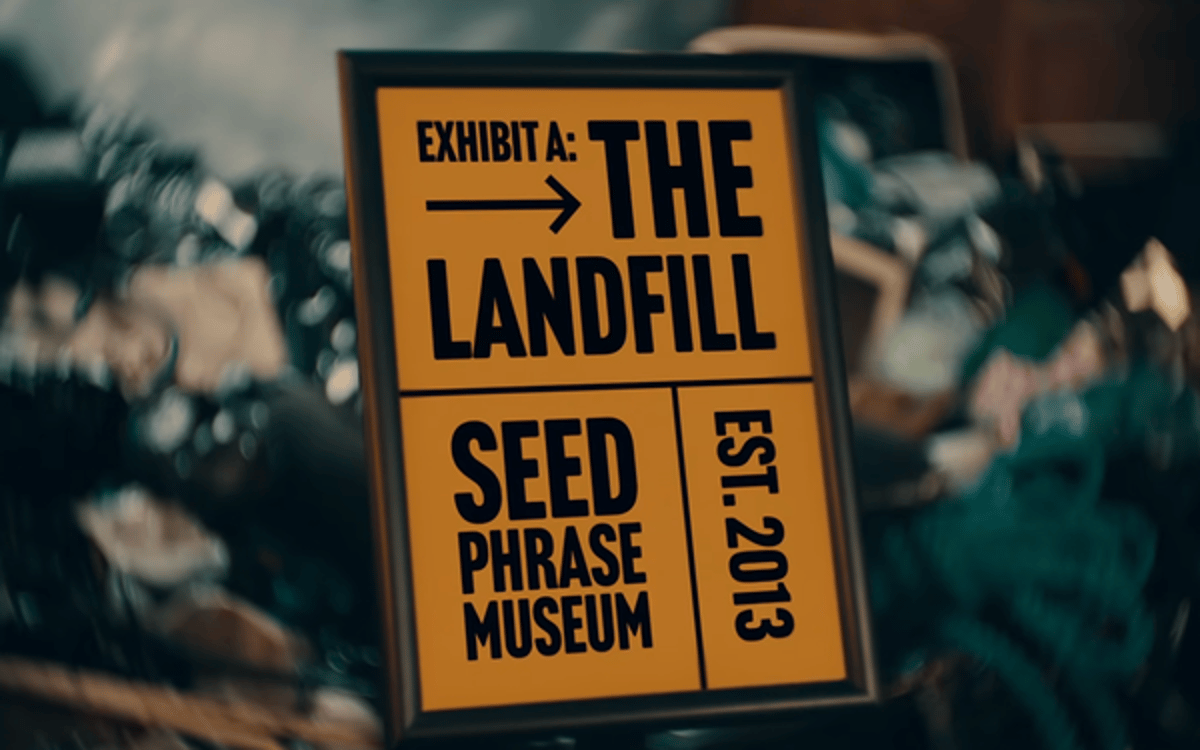
- •Bron’s campaign targets education via Seed Phrase Museum and risk quiz
- •Noncustodial wallets rely on user‑managed seed phrases for security
- •Estimated billions lost highlight urgent need for better user practices
- •Creative partnership with Be The Fox aims to change user behavior
Pulse Analysis
Human error remains the Achilles’ heel of the crypto ecosystem. While blockchain protocols are mathematically robust, the private keys and seed phrases that grant access are often stored on insecure devices, written on paper, or shared inadvertently. Studies repeatedly show that phishing attacks and simple forgetfulness account for a larger share of thefts than smart‑contract exploits. For noncustodial wallets like Bron, the security model hinges entirely on the user’s discipline, making education a critical layer of defense.
Bron’s latest campaign leverages storytelling to turn a technical risk into a relatable narrative. By placing the "Seed Phrase Museum" at the center of its media mix, the brand offers interactive tools—a safety guide and a risk‑assessment quiz—that transform abstract warnings into actionable steps. The partnership with Be The Fox, known for bold, culturally resonant work, signals a shift from pure product promotion to behavior‑change marketing. This approach not only raises awareness but also positions Bron as a thought leader in self‑custody best practices, potentially driving higher adoption among security‑conscious investors.
The broader implication for the crypto industry is a renewed focus on user education as a competitive differentiator. As regulators scrutinize custodial versus noncustodial models, wallets that can demonstrably reduce human‑error losses may gain a market edge. Agencies are likely to follow Bron’s example, integrating interactive museums, quizzes, and safety checklists into campaigns. Ultimately, the success of such initiatives could lower the headline‑grabbing theft figures that have plagued the sector, fostering greater mainstream confidence in digital assets.
Bron Blames Humans For Crypto's Risks
Comments
Want to join the conversation?
Loading comments...