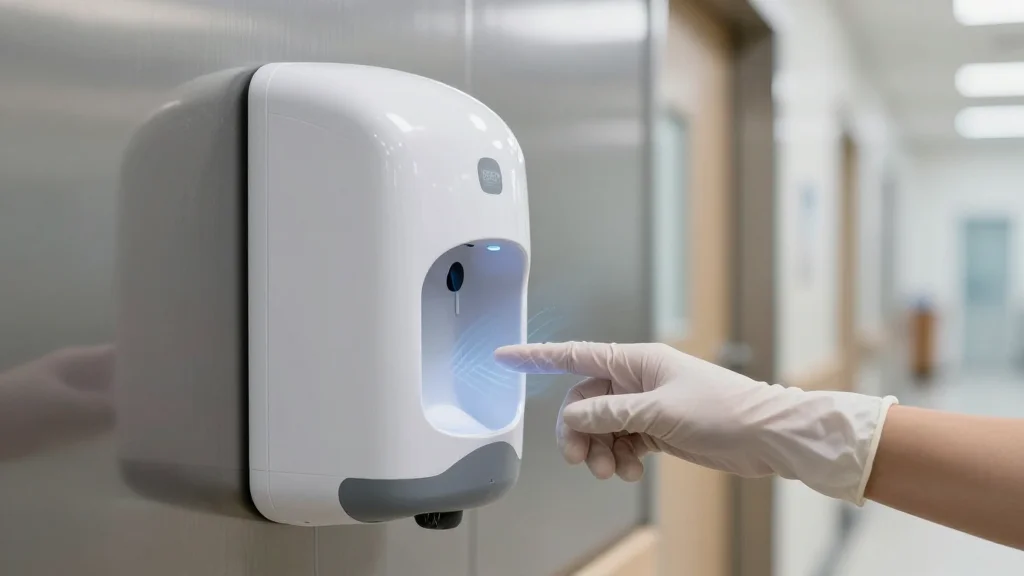
BioVigil Names Brad Ryba CTO to Boost AI‑enabled Hand‑hygiene Platform

Why It Matters
The appointment of a seasoned technologist like Brad Ryba underscores the increasing importance of data‑centric engineering in infection‑prevention hardware. For CTOs across the healthcare sector, BioVigil’s push to embed AI and interoperable data streams into a wearable device illustrates a broader shift toward real‑time, actionable analytics that can be deployed without extensive IT overhauls. As hospitals seek to meet stricter regulatory standards and improve patient outcomes, the success of BioVigil’s platform could accelerate adoption of similar AI‑enabled safety solutions across the care continuum. Moreover, Ryba’s focus on scaling data platforms aligns with a growing trend among health‑tech firms to treat compliance data as a strategic asset. By turning hand‑hygiene events into granular, longitudinal datasets, BioVigil positions itself to offer predictive insights that go beyond simple compliance tracking, potentially reshaping how health systems measure and manage infection risk.
Key Takeaways
- •Brad Ryda appointed CTO of BioVigil to lead AI‑driven platform expansion
- •Ryba brings 25+ years of technology leadership across SaaS, healthcare, telecom and e‑commerce
- •BioVigil’s smart badge reports 94% real compliance and 46% HAI reduction for partners
- •New roadmap includes interoperable APIs, cloud‑native analytics, and predictive AI alerts
- •Pilot of upgraded platform slated for multi‑state health systems in late 2026
Pulse Analysis
BioVigil’s CTO hire reflects a maturation point for hardware‑centric health‑tech firms that have traditionally focused on sensor accuracy. The real competitive edge now lies in the ability to aggregate, analyze, and act on the massive streams of compliance data these devices generate. Ryba’s background in scaling data platforms for Fortune‑500 enterprises suggests BioVigil will prioritize a cloud‑first architecture, reducing latency and enabling real‑time decision support for clinicians. This shift mirrors broader industry movements where the line between device and software is blurring, and CTOs are expected to deliver end‑to‑end solutions that integrate seamlessly with existing EHR and hospital IT stacks.
Historically, infection‑prevention technologies have struggled with adoption due to workflow disruption and costly IT integrations. BioVigil’s claim of a plug‑and‑play badge that requires no additional infrastructure, combined with a robust data layer, could lower the barrier to entry for smaller community hospitals that lack deep IT resources. If the upcoming pilots demonstrate measurable improvements in compliance and infection metrics, larger health systems may accelerate procurement, prompting a wave of investment in AI‑enhanced hygiene solutions.
Looking ahead, the CTO’s mandate will likely extend beyond the badge itself to a broader ecosystem of safety‑focused wearables and sensors. As hospitals adopt more IoT devices, the need for unified data governance, security, and analytics platforms will intensify. Ryba’s experience in cross‑functional execution positions BioVigil to become a reference architecture for integrated safety data, potentially influencing standards bodies and shaping future regulatory expectations around real‑time infection monitoring.
BioVigil names Brad Ryba CTO to boost AI‑enabled hand‑hygiene platform
Comments
Want to join the conversation?
Loading comments...