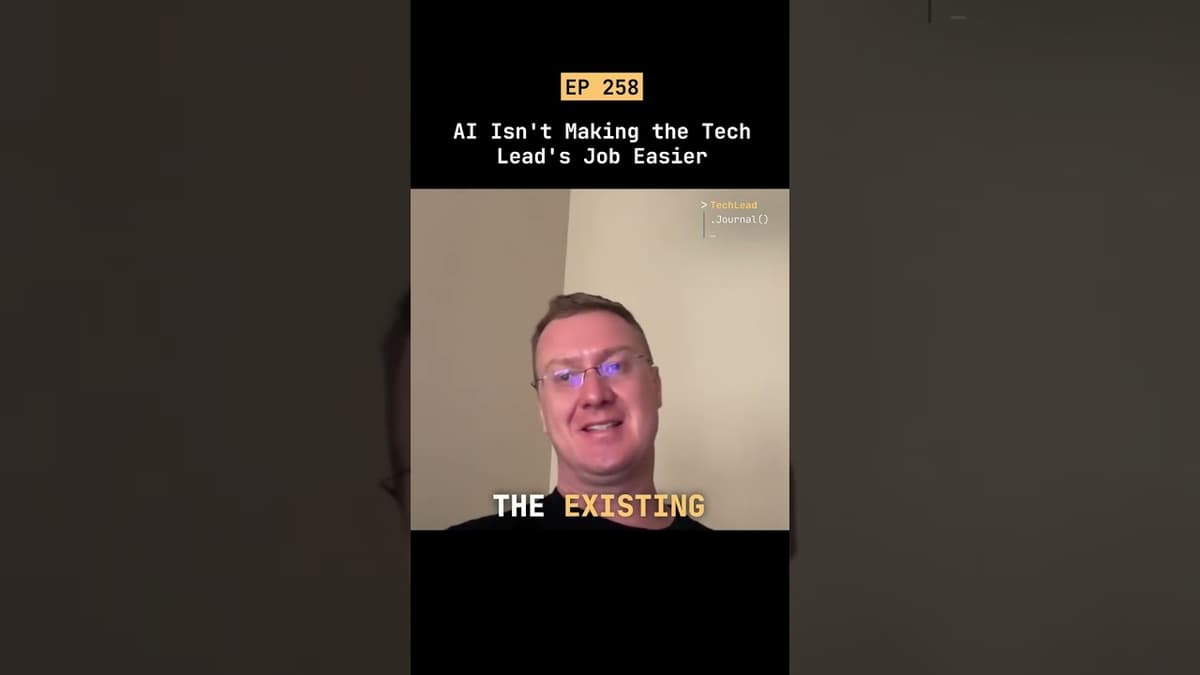
AI Isn't Making the Tech Lead's Job Easier — It's Making It Harder #short
The video argues that the traditional tech‑lead function is being reshaped by the rise of AI agents within development teams. Rather than merely coordinating human engineers, tech leads now act as translators, converting high‑level business intent into exact, machine‑readable directives that autonomous agents can execute reliably. Key insights include the heightened importance of precise intent specification, the need to break complex requirements into well‑bounded tasks, and the responsibility to maintain a coherent architecture across components generated by both humans and AI. Leaders must orchestrate hybrid workflows where agents hand off work to other agents, demanding a deeper understanding of agentic behavior and system integration. The speaker emphasizes that this is “a harder version of the existing job,” noting that practitioners are being up‑leveled to own quality outcomes and to consider the entire agentic flow up front. Phrases like “translating intent into executable direction” and “maintaining coherent architecture across agent‑generated components” illustrate the shift from tactical management to strategic intent design. For organizations, the implication is clear: tech‑lead roles will require new skill sets in prompt engineering, systems thinking, and AI governance. Companies that fail to equip their leads with these capabilities risk fragmented AI outputs, reduced productivity, and higher operational risk.

Chad Roberts-York: Can a Single Tap Eliminate Checkout Friction and Power Retail Branding?
The video introduces the A920 Pro, a point‑of‑sale device that leverages card‑emulation and NFC to push a digital receipt directly to a shopper’s phone with a single tap. By broadcasting the receipt from the terminal, the system removes the traditional...
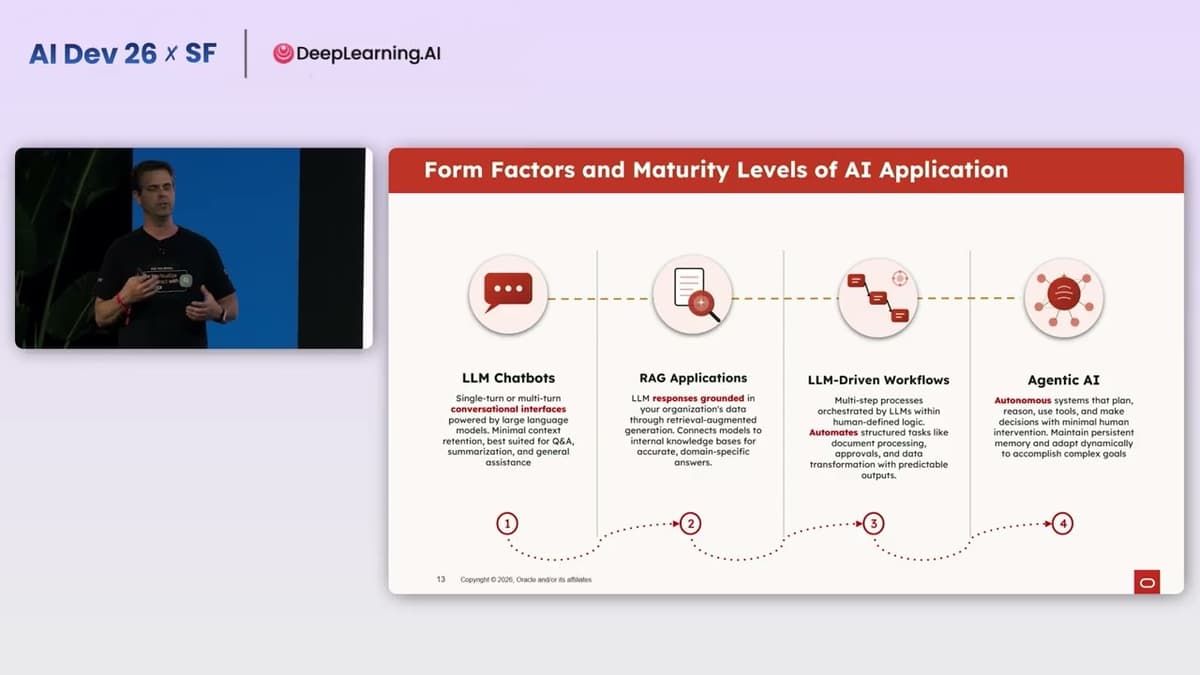
AI Dev 26 X SF | Eli Schilling: Hands On Agent Context & Memory Engineering with Oracle AI Database
Eli Schilling’s talk at AI Dev 26 focused on building robust memory architectures for autonomous agents using Oracle’s AI Database. He outlined how a unified, multi‑modal database can store relational, vector, graph, and spatial data, eliminating the need for disparate...

Stanford CS153 Frontier Systems | The AI Native Company: How One Founder Becomes a 1000x Engineer
The Stanford CS153 lecture featured Garry Tan and Diana Hu of Y Combinator discussing how frontier systems and AI are reshaping startup creation. They traced the evolution from early Stanford courses to YC’s SAFE agreement, which standardized seed‑stage financing and removed...

Two Rival Bets on AGI: Google I/O Highlights
Google’s I/O showcased a bold AI agenda, unveiling Gemini Omni – a multimodal model that can generate video, images, and simulations from any input. The company framed the launch as a concrete step toward artificial general intelligence, positioning the search...
From Rented to Owned Intelligence with Baseten
The video introduces Baseten, an AI infrastructure firm that helps businesses move from "rented" AI—pay‑per‑token, shared‑endpoint models—to "owned" intelligence, where firms fine‑tune and host their own models, controlling quality, latency, and expenses. Baseten’s vision is a future populated by many...

The Latency Goldilocks Zone Explained
The video explores iFood’s new conversational agent, ILO, which aims to move recommendation engines from a reactive, click‑based model to a proactive, AI‑driven experience. Rafael, head of innovation, and Daniel, data‑science manager, explain how ILO combines a rich user profile...
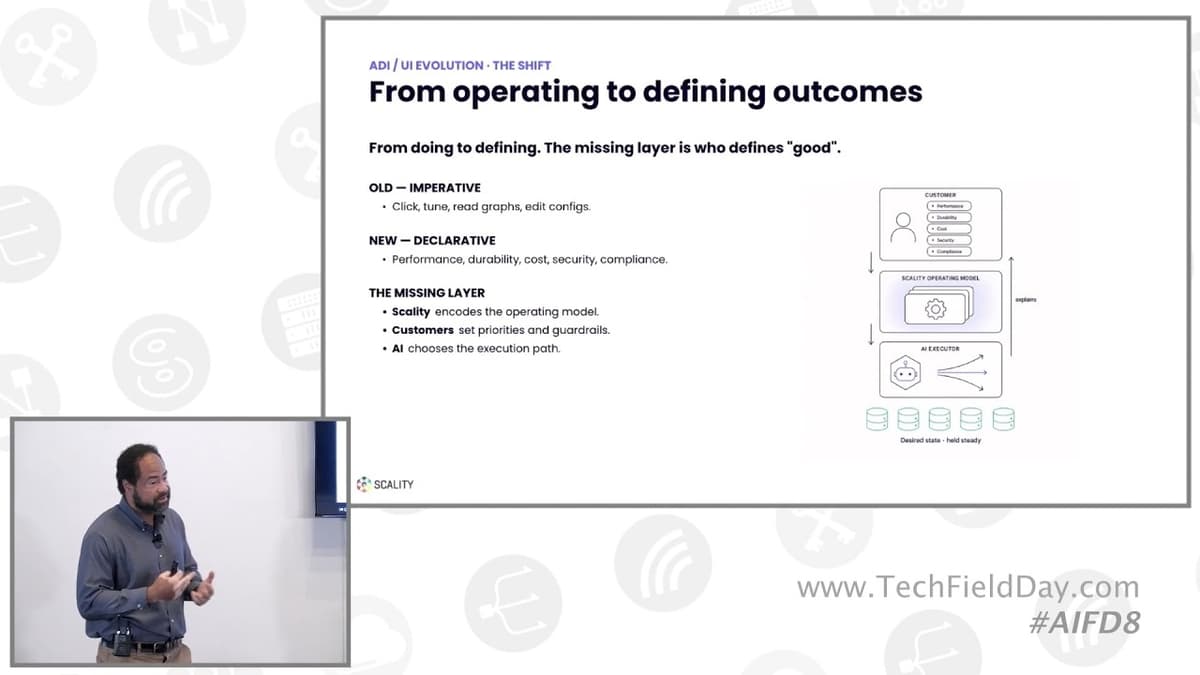
How Do You Build a UI for an Exabyte-Scale Distributed Storage System with Scality
Scality’s CTO George Reni walks through the evolution of the management interface for an exabyte‑scale distributed storage platform, describing how early customers demanded granular manual controls and how that mindset shaped the first UI. He outlines four development phases: a control‑heavy...
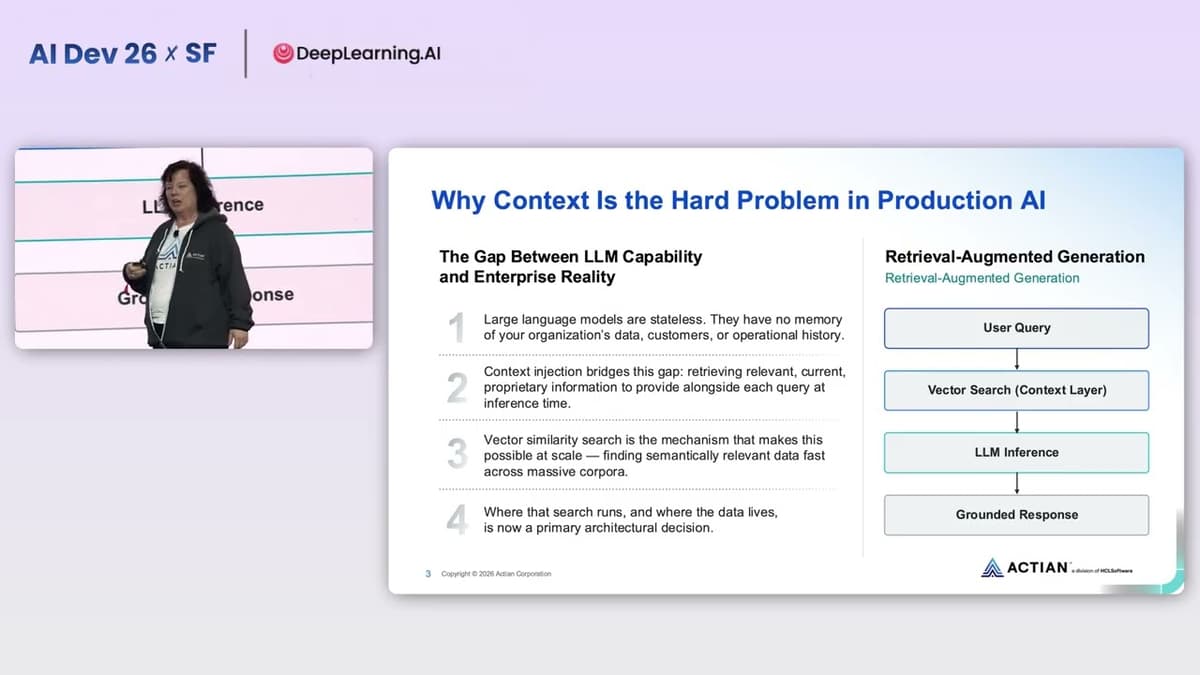
AI Dev 26 X SF: Emma McGrattan: Engineering the Context Layer
Emma McGrattan, CTO of Actian, explains that large language models (LLMs) lack any knowledge of an enterprise’s specific data, making a dedicated "context layer" essential for delivering business‑relevant answers. She frames the problem as engineering a data layer that can...
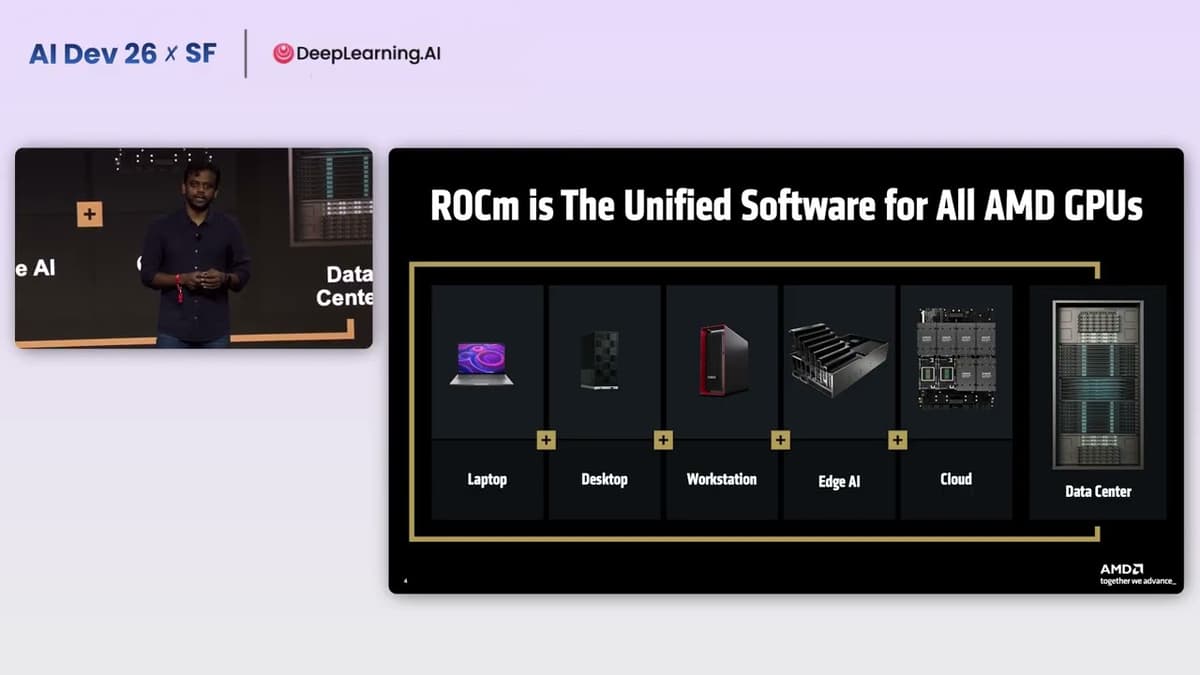
AI Dev 26 X SF | Anush Elangovan: Impact of AI on Software
Anush Elangovan opened the AI Dev 26 x San Francisco session by declaring that artificial intelligence is compressing software‑innovation timelines from decades to mere weeks. He framed the discussion around a "K‑shaped" future of engineering, where systems‑level thinking, judgment and problem...

InformationWeek Podcast: CTOs on How They Use AI in Regulated Spaces
The InformationWeek podcast explores how CTOs and CISOs navigate AI adoption in highly regulated sectors such as payroll and personal finance. Guests Mike Tria, CTO of Gusto, and Joshua Folultz, CISO of NerdWallet, discuss the tension between AI’s speed and...
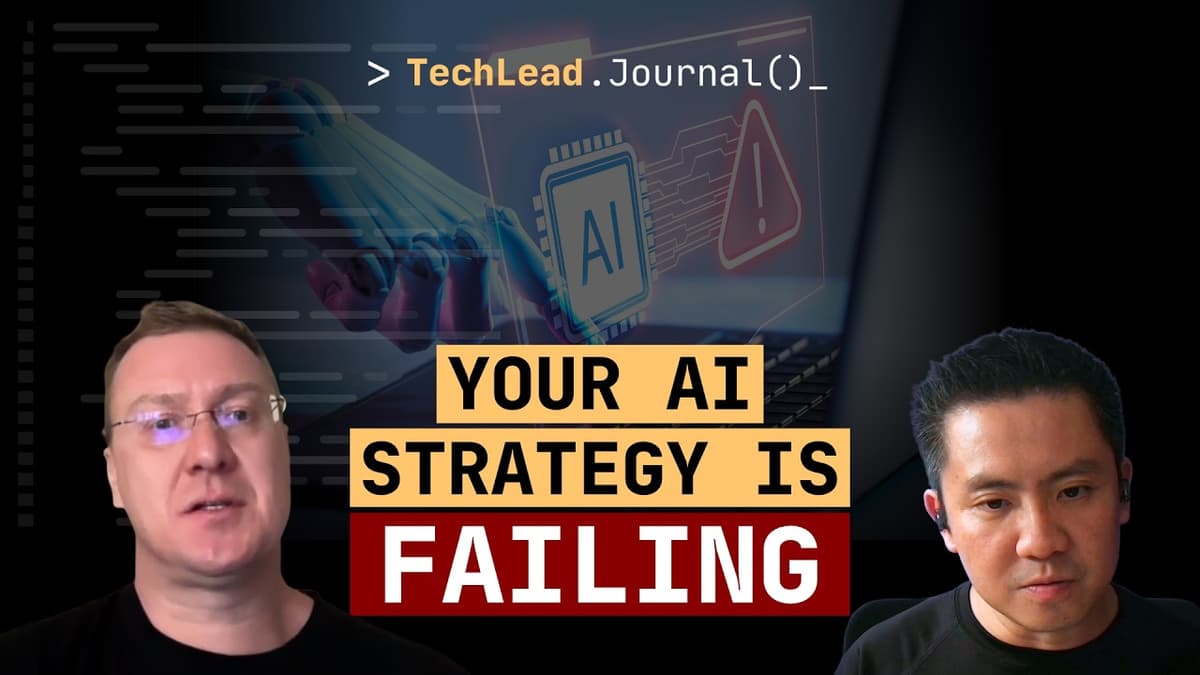
Why Your AI Strategy Is Failing: The AI Paradox of Optimizing Coding Alone
The video explores the "AI paradox"—organizations rush to automate coding while neglecting the rest of the software development lifecycle. Andrew Hashka, Field CTO for GitLab in APJ, argues that focusing solely on code generation creates new bottlenecks in testing, security,...
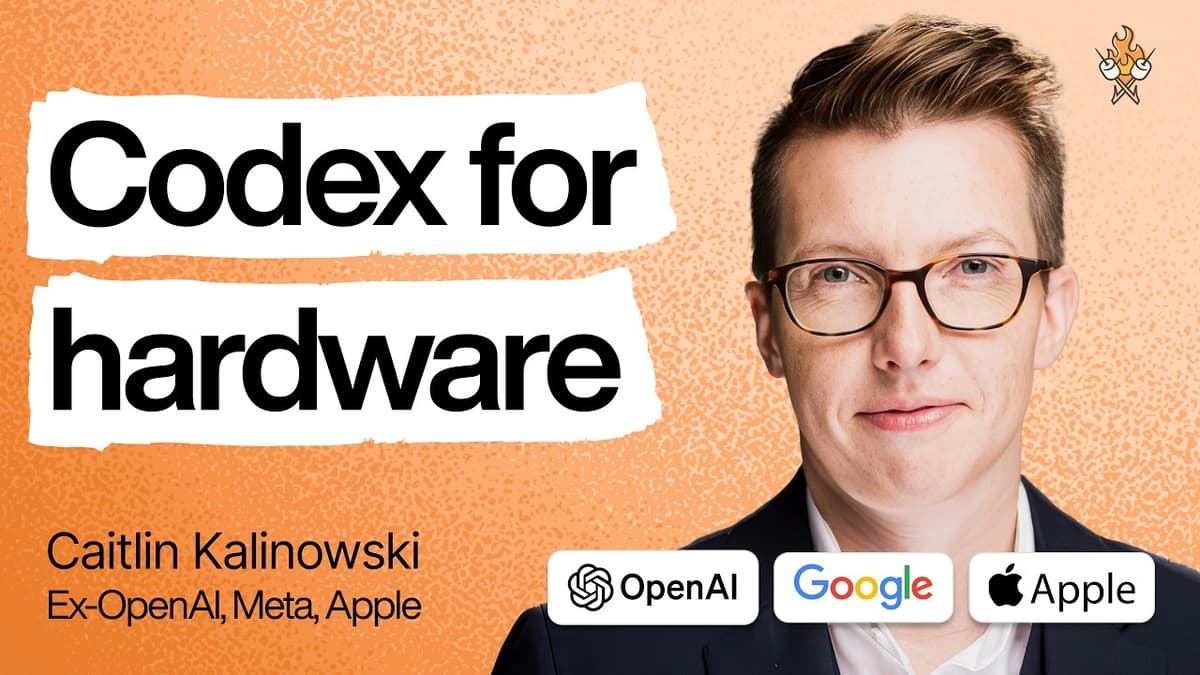
Why We’re at the Beginning of the AI Hardware Boom | Caitlin Kalinowski (Ex–OpenAI, Meta, Apple)
The episode spotlights the emerging AI hardware boom, featuring veteran hardware architect Caitlin Kalinowski—formerly of Apple, Meta, and OpenAI. Kalinowski argues that the rapid vertical acceleration of AI models will soon hit a saturation point in purely software‑driven tasks, pushing...

AI and the Speed Trap with Anemari Fiser
The video “AI and the Speed Trap” with Anemari Fiser examines how generative AI reshapes tech‑lead responsibilities, focusing on mounting pressure to accelerate delivery. Fiser notes that AI tools are perceived as “magical” by non‑technical managers, creating expectations for immediate speed...
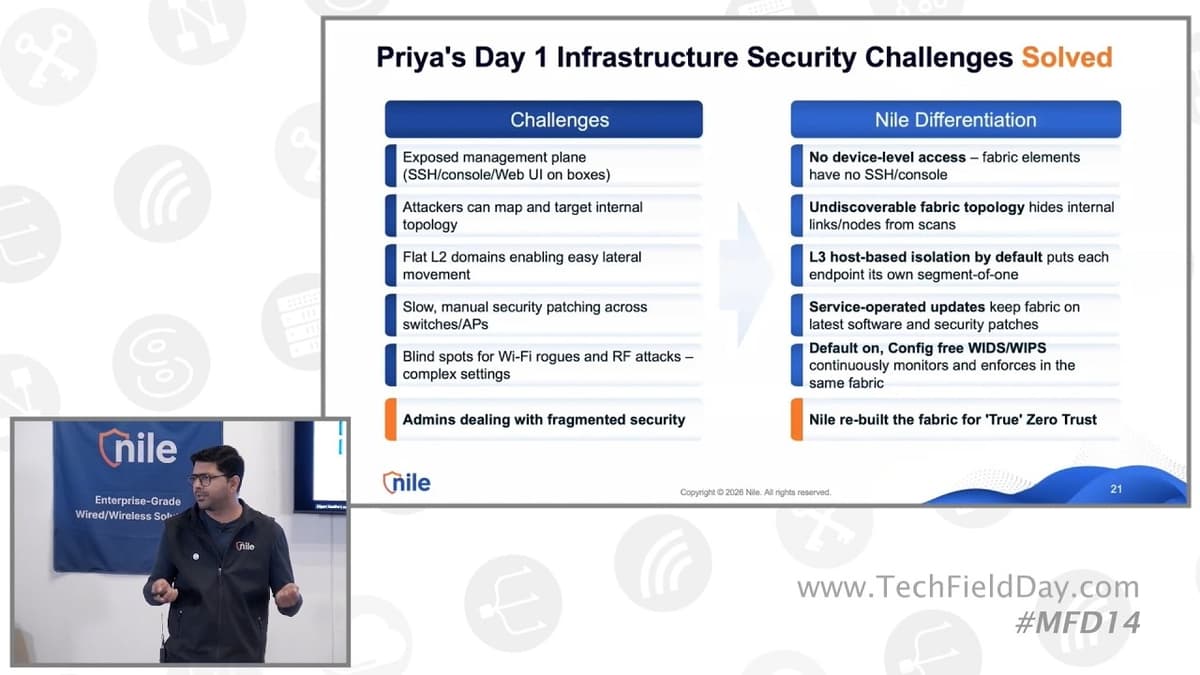
Nile Built-In Zero Trust Not Bolted-On
The presentation showcases Nile’s built‑in zero‑trust architecture, stressing that every security function—from infrastructure hardening to access control—resides inside a single, cloud‑driven portal, eliminating the need for disparate tools. Nile structures security into three layers—infra, access, policy—and differentiates itself with a...