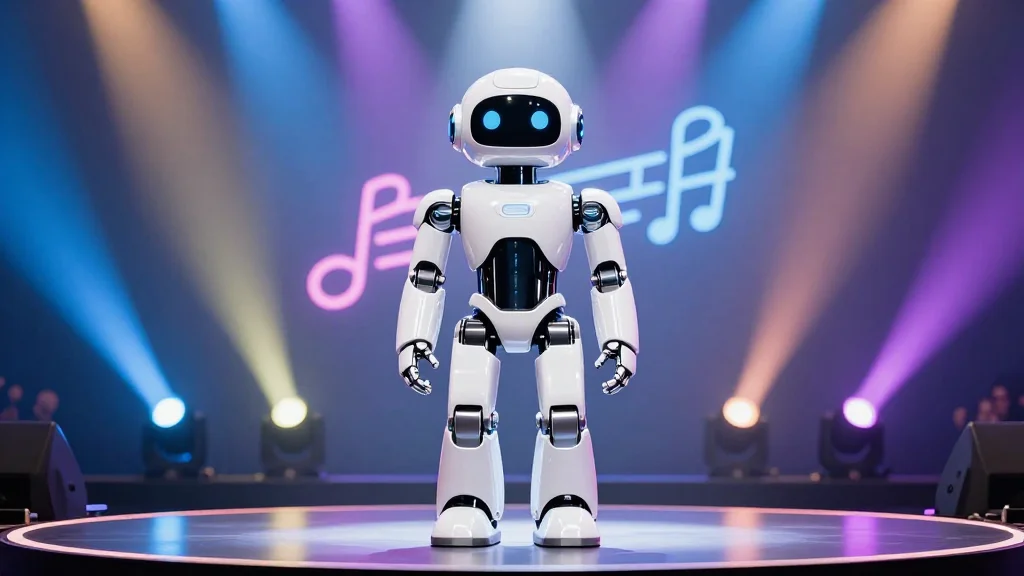
Galaxy Robot Park Opens in Seoul, Showcasing K‑Pop Humanoid Bots

Companies Mentioned
Why It Matters
The opening of Galaxy Robot Park illustrates how robotics and AI are moving from industrial and service roles into mainstream consumer entertainment. For CTOs, the park offers a concrete example of rapid hardware prototyping, cloud‑based choreography distribution, and real‑time human‑machine interaction at scale. Success could accelerate investment in modular robot platforms that can be reprogrammed for diverse use cases, from live events to retail and education. Beyond the immediate novelty, the park’s model challenges traditional touring economics by eliminating travel, accommodation and per‑diem costs for performers. If the technology proves reliable and fans accept robot entertainers, it could reshape revenue streams for music labels, venue operators and technology suppliers, prompting a wave of cross‑industry collaborations focused on AI‑driven content delivery.
Key Takeaways
- •Galaxy Robot Park opened in Seoul’s Gangdong district, covering 16,500 sqm.
- •Park plans 3‑6 K‑pop concerts daily, targeting over 1,000 shows annually.
- •CEO Choi Yong‑ho announced a global robot tour by the end of 2026.
- •Robots can receive a single choreography file and perform it simultaneously worldwide.
- •A robot fashion show and API for third‑party choreography are slated for late May.
Pulse Analysis
Galaxy’s entry into the entertainment space reflects a broader trend where hardware manufacturers are seeking recurring revenue through software services. By packaging AI‑generated choreography as a cloud‑based offering, Galaxy creates a subscription‑style model that could generate steady cash flow beyond the one‑off sale of a robot. This mirrors the SaaS transition seen in other hardware sectors, such as industrial IoT, and suggests that future CTOs will need to balance product engineering with platform economics.
Historically, live‑performance technology has been incremental—improved lighting, sound systems, and video walls. Galaxy’s approach is disruptive because it replaces the human performer with a programmable entity, raising questions about intellectual property, licensing of choreography, and fan engagement. If the park can demonstrate that robot performances drive comparable ticket revenue and merchandise sales, it may prompt record labels to invest in robot‑centric acts, potentially reshaping talent management.
Looking ahead, the scalability of Galaxy’s model will hinge on regulatory acceptance of autonomous robots in public venues, as well as the ability to maintain performance reliability across diverse climates and network conditions. CTOs in related fields should monitor the park’s data on robot uptime, latency in choreography updates, and audience sentiment metrics. These insights will inform whether the robot‑entertainment model can be replicated in other domains—sports, theme parks, or even corporate events—where the blend of AI, rapid manufacturing and live interaction offers a competitive edge.
Galaxy Robot Park Opens in Seoul, Showcasing K‑Pop Humanoid Bots
Comments
Want to join the conversation?
Loading comments...