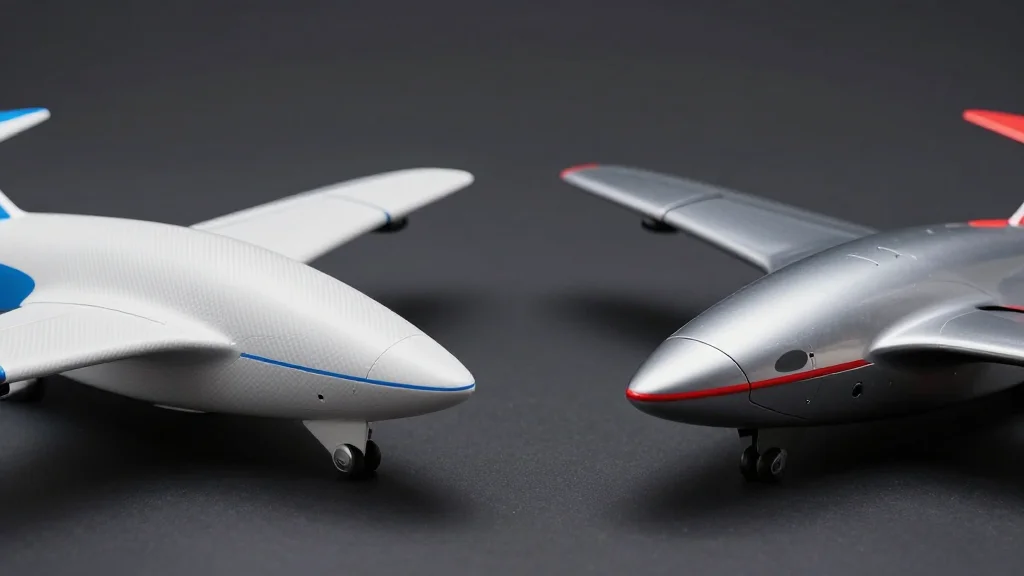
Joby Sues Archer Over Alleged eVTOL Espionage as Counterclaims Accuse China Ties

Companies Mentioned

Why It Matters
The legal clash between Joby and Archer goes beyond two companies fighting over patents; it tests the robustness of intellectual‑property protections in a sector where technology cycles are short and capital is scarce. A ruling that favors one side could accelerate that company's path to certification and market entry, while a setback could force a redesign of supply chains, especially concerning Chinese components that dominate the battery market. For CTOs overseeing eVTOL development, the case underscores the need for rigorous compliance programs and transparent sourcing to avoid regulatory roadblocks. Furthermore, the dispute highlights how corporate strategy and litigation are intertwined in emerging mobility ecosystems. As cities negotiate air‑taxi infrastructure and regulators draft safety standards, the ability of firms to protect their innovations while demonstrating supply‑chain integrity will be a decisive factor in securing public‑private partnerships and investor confidence.
Key Takeaways
- •Joby filed a federal suit alleging Archer and ex‑employee George Kivork stole eVTOL technology.
- •Archer counterclaimed that Joby concealed Chinese‑origin parts, triggering an ITC investigation.
- •Both companies' shares are down >20% this year; Joby's market cap exceeds $8.5 billion.
- •Archer spent >$100 million to acquire Hawthorne Municipal Airport for a 2028 Olympic Games launch.
- •Morgan Stanley projects the advanced air mobility market could reach $1.5 trillion by 2040.
Pulse Analysis
The Joby‑Archer showdown illustrates a classic pattern in deep‑tech industries: early leaders often resort to litigation to protect market share while simultaneously courting regulators. Historically, aerospace has seen similar battles—think of the Boeing‑Airbus rivalry—where legal and political maneuvers can be as decisive as engineering breakthroughs. In the eVTOL space, the stakes are amplified by the convergence of aviation safety standards, battery technology, and cross‑border supply chains.
From a competitive standpoint, Joby's larger valuation gives it more runway to absorb legal costs and continue funding its UAE rollout, but Archer's aggressive airport acquisition signals a willingness to invest heavily in infrastructure to lock in market positioning. The ITC probe adds a geopolitical layer; any adverse finding could force Joby to re‑source critical components, potentially slowing its certification timeline and opening a window for Archer or emerging Chinese players to capture market share.
Looking ahead, CTOs must treat legal risk as a core component of product strategy. Robust documentation of design provenance, clear segregation of foreign‑origin parts, and proactive engagement with trade authorities will become standard practice. The outcome of this case will likely shape how future eVTOL firms structure their R&D and supply‑chain governance, influencing everything from venture capital due diligence to municipal partnership agreements.
Joby Sues Archer Over Alleged eVTOL Espionage as Counterclaims Accuse China Ties
Comments
Want to join the conversation?
Loading comments...