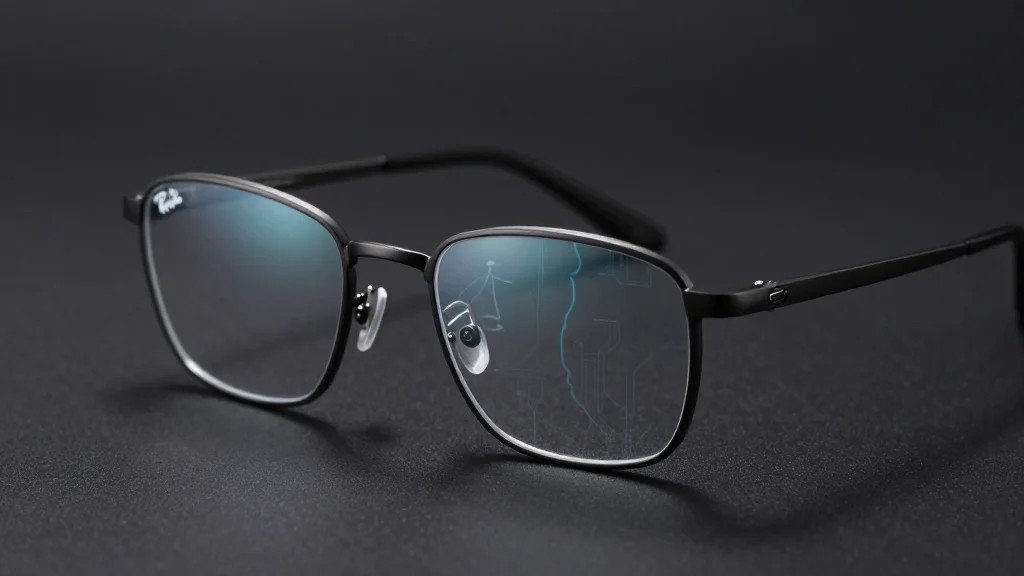
Meta Pulls Face‑Recognition Code From Smart‑Glasses App After Leak, Sparks Privacy Debate

Companies Mentioned

Meta
META

Ray‑Ban
Why It Matters
The swift removal of NameTag highlights how hidden AI capabilities can trigger immediate backlash, forcing engineering teams to prioritize transparency and governance. For CTOs, the case serves as a cautionary tale about embedding dormant, privacy‑sensitive code in consumer products without clear rollout plans or compliance checks. It also signals that regulators and advocacy groups are increasingly vigilant about biometric data collection, meaning future AI features will likely undergo stricter pre‑release audits. Beyond Meta, the incident may accelerate industry‑wide adoption of stricter code‑audit pipelines, mandatory privacy impact assessments, and clearer opt‑in/opt‑out mechanisms for biometric processing. Companies developing wearables or AR/VR hardware will need to embed privacy‑by‑design principles early in the development cycle to avoid similar PR crises and potential legal exposure.
Key Takeaways
- •Meta removed NameTag facial‑recognition code from the Meta AI app on June 5, 2024.
- •The code would have generated on‑device biometric faceprints and stored unrecognized faces locally.
- •Wired’s report indicated the app had been downloaded by over 50 million users before the removal.
- •CTO Andrew Bosworth called the reporting “incredibly misleading” and “absolutely dishonest.”
- •Privacy advocates warn the incident shows gaps in engineering oversight and regulatory compliance.
Pulse Analysis
Meta’s handling of the NameTag leak reveals a broader shift in how tech giants must manage AI features that intersect with biometric privacy. Historically, companies have treated such capabilities as internal experiments, but the rapid public exposure and subsequent code pull demonstrate that even dormant code can become a public liability. For CTOs, this underscores the importance of integrating privacy impact assessments into the early stages of product development, rather than treating them as afterthoughts.
The incident also illustrates the growing power of external technical journalism to surface hidden functionalities. In the past, internal memos or patents might have been the only clues to upcoming features. Today, code‑level scrutiny by independent reporters can force immediate product changes, compressing the traditional development timeline. CTOs will need to anticipate such scrutiny by establishing transparent documentation, robust internal audit trails, and clear communication channels with legal and compliance teams.
Finally, the backlash may influence market dynamics for wearable AI. Competitors watching Meta’s misstep might double‑down on privacy‑first designs, positioning themselves as safer alternatives for privacy‑conscious consumers. This could accelerate the adoption of on‑device AI that processes data locally without creating persistent biometric identifiers, a trend that aligns with emerging regulations like the EU’s AI Act and U.S. state‑level biometric privacy laws. In short, Meta’s episode is a warning bell: engineering leadership must balance innovation speed with rigorous privacy safeguards, or risk both reputational damage and regulatory penalties.
Meta Pulls Face‑Recognition Code from Smart‑Glasses App After Leak, Sparks Privacy Debate
Comments
Want to join the conversation?
Loading comments...