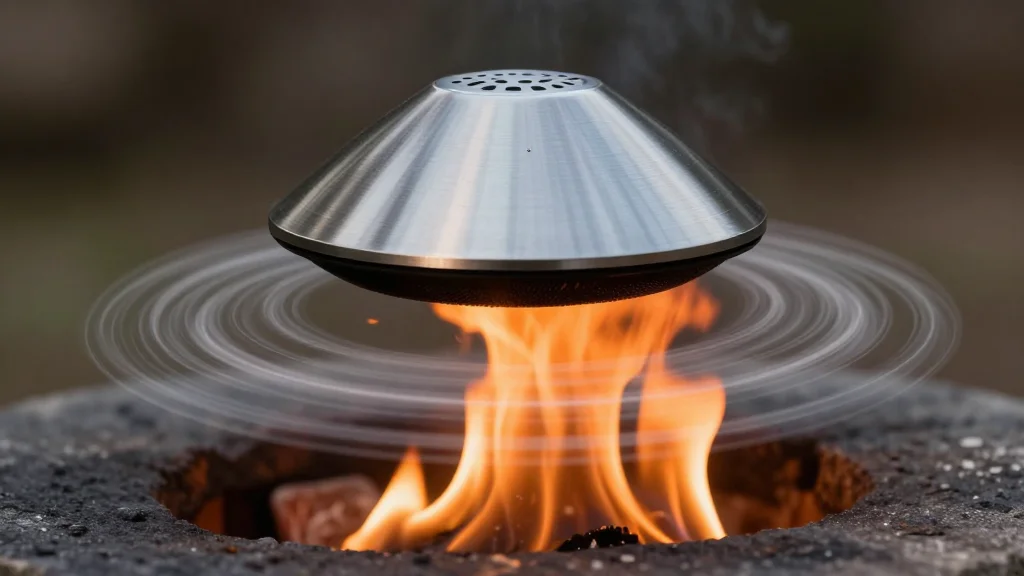
NASA‑Engineered Sound Waves Aim to Snuff Wildfires, Protect Homes

Companies Mentioned
Why It Matters
The sound‑wave fire‑suppression system represents a paradigm shift for CTOs overseeing safety‑critical infrastructure. Traditional fire‑extinguishing methods rely on chemicals, water, or foam—each with logistical, environmental, and cost constraints. An acoustic solution that can be retrofitted into existing ductwork offers a low‑maintenance, scalable alternative that aligns with sustainability goals and can be integrated into smart‑home ecosystems. Beyond residential use, the technology could influence how utilities and municipalities design wildfire‑defense strategies. By embedding acoustic fire‑breakers into community ventilation grids or power‑line enclosures, agencies could create layered defenses that reduce reliance on water drops and fire‑retardant chemicals, potentially lowering operational expenses and environmental impact.
Key Takeaways
- •Low‑frequency sound waves disrupt oxygen molecules, halting combustion.
- •Prototype extinguished a shrub fire and stovetop blaze within seconds.
- •Effective range of about 30 ft; safe for humans and pets.
- •Installation cost estimated at 1‑2% of a home’s value.
- •Pilot deployments planned for three additional California districts in 2024.
Pulse Analysis
From a CTO perspective, Sonic Fire Tech’s acoustic fire‑suppression platform illustrates how cross‑domain expertise can unlock new product categories. The engineers leveraged decades of aerospace fluid‑dynamics research—a classic example of technology transfer that reduces R&D risk while delivering differentiated value. For technology leaders, the case underscores the importance of maintaining talent pipelines that can pivot between government‑funded research and commercial ventures.
Financially, the 1‑2% home‑value cost model positions the system as a capital‑expense investment rather than a consumable, which could reshape insurance underwriting. Insurers may begin to offer premium discounts for homes equipped with the system, creating a feedback loop that accelerates adoption. CTOs in prop‑tech and smart‑home firms should monitor emerging standards for acoustic safety devices, as early integration could become a market differentiator.
Strategically, the technology’s scalability hinges on regulatory acceptance and interoperability with existing building codes. CTOs will need to champion rigorous testing, certification, and data‑sharing frameworks to convince municipalities and utilities of its reliability. If successful, the acoustic approach could extend to industrial fire‑suppression, maritime safety, and even aerospace applications, turning a niche wildfire tool into a versatile component of the broader safety‑technology stack.
NASA‑Engineered Sound Waves Aim to Snuff Wildfires, Protect Homes
Comments
Want to join the conversation?
Loading comments...