Startup Wants to Run AI Inference From Space

Why It Matters
Space‑based inference could alleviate terrestrial data‑center power constraints while opening a new frontier for AI service delivery. Success would reshape how high‑volume AI workloads are sourced, potentially lowering energy costs and carbon footprints.
Key Takeaways
- •Orbital aims to launch prototype satellite for AI inference in 2027
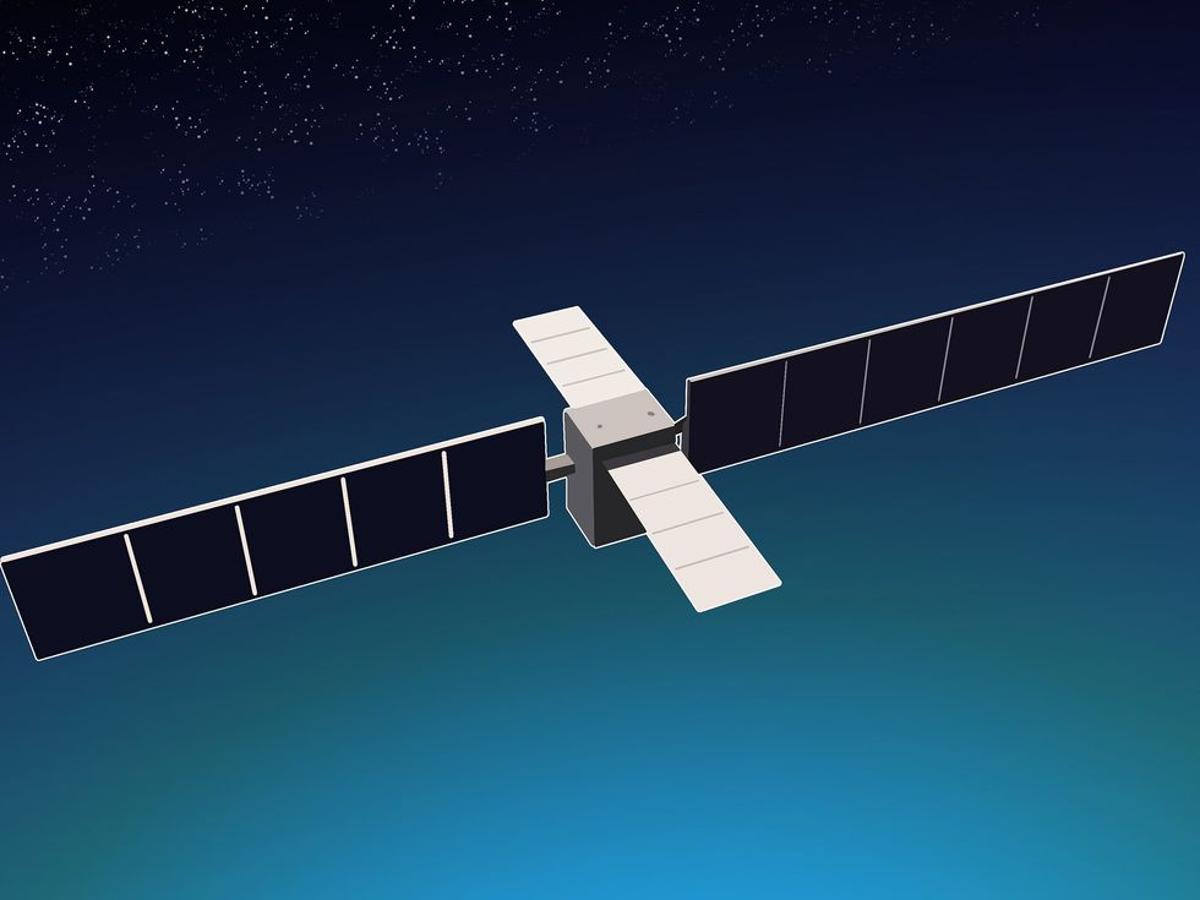
- •Each satellite will host GPU rack powered by ~100 kW solar array
- •Space‑based inference reduces terrestrial grid strain using abundant solar energy
- •Radiative cooling panels and radiation‑hardening are critical engineering hurdles
- •Target customers include OpenAI, Anthropic, and other large‑model labs
Pulse Analysis
The surge in large language models has ignited a data‑center boom, pushing electricity demand to the limits of existing grids. Companies are now eyeing the vacuum of space as a source of "free" solar power, where sunlight is continuous and cooling can be achieved by radiating heat into the cosmos. Orbital Inc. entered the arena in April, positioning itself as a specialist in AI inference rather than full‑scale model training, a distinction that allows smaller, more modular satellite designs and potentially faster deployment.
Orbital's architecture relies on a mesh of low‑Earth‑orbit satellites, each roughly the size of a refrigerator and equipped with a GPU server rack delivering about 100 kilowatts of compute. Requests travel from terrestrial data centers to ground stations, then via laser‑based optical interlinks to the appropriate satellite, where the inference is performed and the result beamed back. This approach sidesteps the massive power draw of training clusters, but introduces unique challenges: radiation can corrupt GPU memory, and without atmospheric convection, heat must be expelled through large radiative panels. The startup is exploring radiation‑hardening techniques and ammonia‑based liquid cooling loops to mitigate these risks.
If Orbital can prove reliable operation, the service could attract high‑volume AI providers such as OpenAI and Anthropic, offering them a way to shift inference demand off the congested terrestrial grid. Critics argue that widespread space data centers remain a decade or more away due to cost, maintenance, and latency concerns. Nonetheless, Orbital's aggressive timeline—design finalization by 2026, launch in 2027, and a manufacturing hub by 2028—signals a serious bet that the economics of solar‑powered, radiatively cooled compute will eventually outweigh the hurdles, potentially reshaping the AI infrastructure landscape.
Startup Wants to Run AI Inference From Space
Comments
Want to join the conversation?
Loading comments...