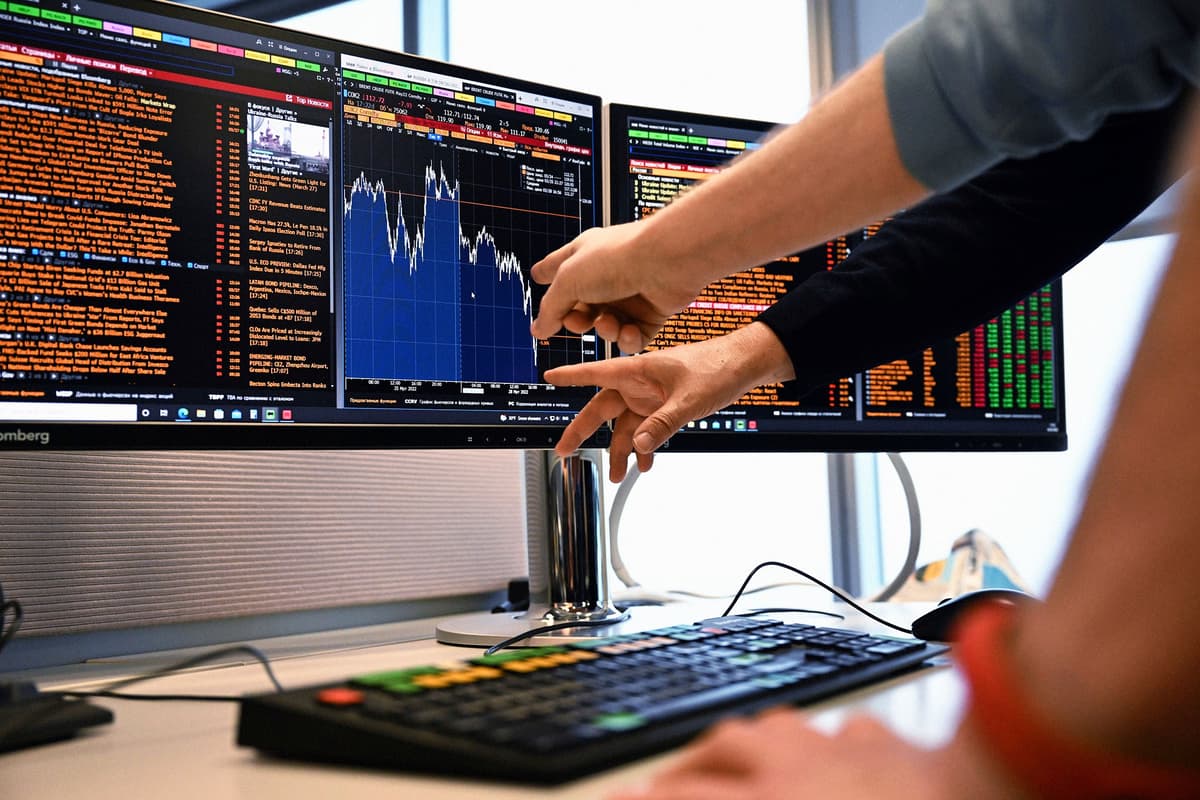
The Bloomberg Terminal Is Getting an AI Makeover, Like It or Not
Companies Mentioned

Bloomberg
Why It Matters
By embedding AI directly into the Terminal, Bloomberg seeks to preserve its market dominance while giving users faster, more holistic analysis—a critical edge in a data‑driven trading environment. The move also signals a broader shift toward AI‑augmented decision‑making across financial services.
Key Takeaways
- •Bloomberg’s ASKB beta includes about 125,000 Terminal users
- •ASKB converts natural‑language questions into multi‑source financial summaries
- •Built‑in validation checks aim to curb AI hallucinations
- •Workflow templates let analysts automate earnings‑season research
- •Bloomberg positions ASKB as the primary future Terminal interface
Pulse Analysis
The Bloomberg Terminal has long been the gold standard for real‑time market data, but its ever‑expanding repository—spanning earnings, weather, logistics and consumer trends—has become a double‑edged sword. Professionals spend hours navigating nested menus to locate the right piece of information, a process that can delay critical decisions. In response, Bloomberg’s chief technology officer Shawn Edwards announced ASKB, a chatbot‑style interface that leverages a suite of large language models to translate plain‑English queries into actionable insights, effectively turning the Terminal into a conversational research assistant.
ASKB’s core promise is to synthesize disparate data points into concise, citation‑backed answers. Users can draft complex prompts—e.g., “How will the Iran conflict affect oil‑linked equities?”—and receive a summary that includes bullish and bearish scenarios, peer comparisons, and relevant market sentiment. To address the notorious hallucination problem of generative AI, Bloomberg has layered multiple validation layers: content‑coverage checks, semantic consistency filters, and citation verification. While the system does not issue buy or sell signals, it aims to surface the information needed for analysts to form their own judgments, thereby reducing the manual legwork traditionally performed by junior staff.
The rollout has broader industry implications. As Bloomberg integrates AI, it reinforces its moat against lower‑cost, open‑source alternatives that attempt to “vibe‑code” similar functionality. For traders, the technology could accelerate idea generation, allowing seasoned analysts to evaluate more hypotheses in the same time frame. However, the shift also raises questions about the future role of junior analysts and the need for rigorous AI literacy. Bloomberg’s cautious, validation‑first approach may set a benchmark for other financial data providers navigating the balance between automation and reliability in an increasingly AI‑centric market.
The Bloomberg Terminal Is Getting an AI Makeover, Like It or Not
Comments
Want to join the conversation?
Loading comments...