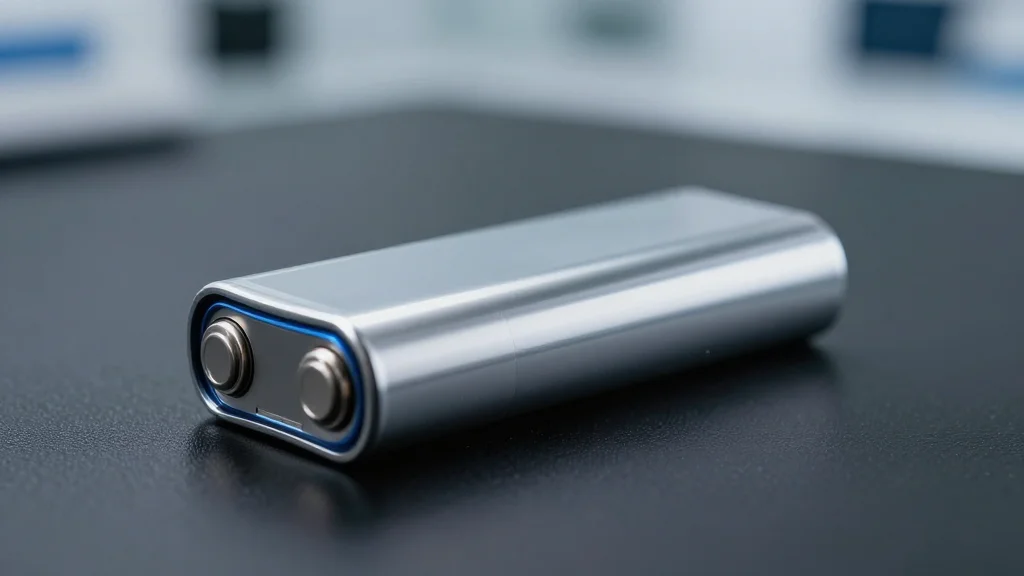
Whistleblower Challenges Donut Lab’s Solid‑State Battery Claims

Companies Mentioned
Why It Matters
For technology leaders, the Donut Lab dispute underscores the importance of due diligence in emerging hardware ventures. Solid‑state batteries promise higher energy density and safety, but their commercialization timeline remains uncertain. A high‑profile allegation of data misrepresentation can erode trust, slow adoption, and influence funding decisions across the sector. The case also serves as a cautionary tale about the reliance on partner ecosystems. When a startup’s public narrative diverges from internal development realities, it can create legal exposure and damage brand credibility. CTOs must therefore embed independent validation checkpoints into their product roadmaps, especially for breakthrough technologies that lack extensive field data.
Key Takeaways
- •Lauri Peltola filed a criminal complaint alleging Donut Lab overstated battery energy density and lifespan.
- •Internal emails show Donut Lab presented an abandoned CT‑Coating cell to Finnish lab VTT for testing.
- •CEO Marko Lehtimäki claimed no knowledge of the complaint; Nordic Nano CEO Esa Parjanen denied the accusations.
- •The dispute raises red flags for CTOs about validation of solid‑state battery claims before scaling.
- •VTT’s upcoming test results and potential legal outcomes will shape market perception of Donut Lab’s technology.
Pulse Analysis
The Donut Lab controversy arrives at a pivotal moment for solid‑state battery adoption. Over the past two years, venture capital has poured billions into firms promising to leapfrog lithium‑ion limitations, yet few have delivered verifiable performance at scale. This incident may act as a market correction, prompting investors to demand more stringent proof points before committing to later‑stage funding rounds. Historically, similar hype cycles—such as the early 2010s graphene rush—saw a wave of optimism followed by a sobering realization that commercial viability requires more than laboratory metrics.
From a competitive standpoint, established players like QuantumScape and Solid Power have already secured partnerships with automotive OEMs, leveraging transparent testing protocols and government‑backed pilots. Donut Lab’s alleged reliance on partner‑supplied prototypes without independent verification puts it at a strategic disadvantage. If the VTT tests confirm the whistleblower’s concerns, the startup could face a steep valuation decline, while rivals may capture market share by emphasizing their validated data pipelines.
Looking ahead, CTOs should treat this episode as a reminder to embed third‑party validation early in the development lifecycle. Incorporating standardized testing, publishing full data sets, and maintaining clear documentation of design iterations can mitigate reputational risk. Moreover, the legal dimension—criminal complaints over alleged misrepresentation—signals that regulatory scrutiny of battery claims may intensify, especially in jurisdictions prioritizing consumer safety and environmental standards. Companies that proactively align with these expectations will likely emerge as the trusted suppliers for the next generation of electric mobility.
Whistleblower Challenges Donut Lab’s Solid‑State Battery Claims
Comments
Want to join the conversation?
Loading comments...