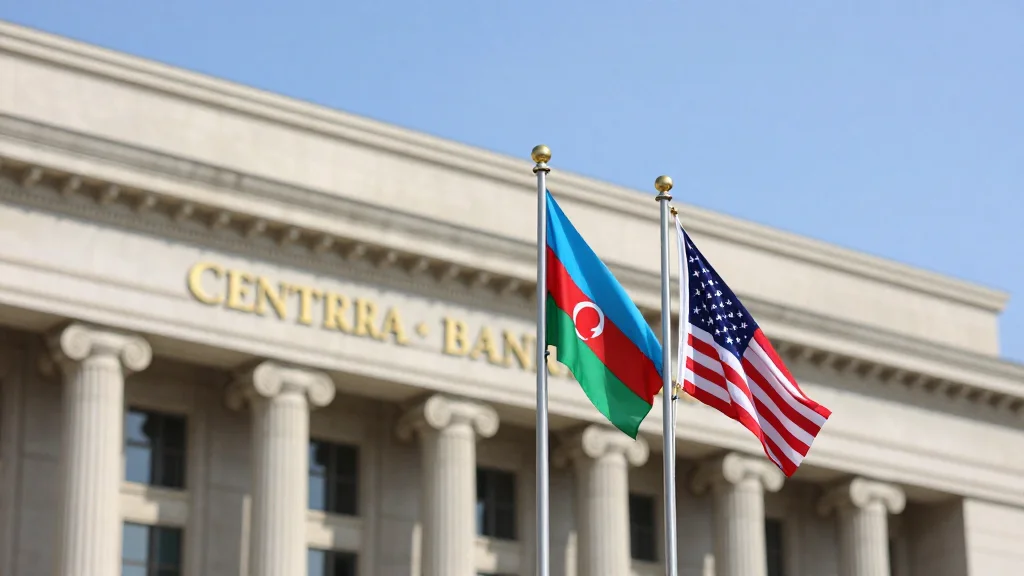
Azerbaijan Manat Holds Steady at 1.7000 per USD in Weekly Review

Why It Matters
The manat's stability against the US dollar provides a rare anchor for Azerbaijan's economy, which depends on dollar‑denominated oil revenues and imports. Consistent exchange rates can help the government manage inflation expectations and support fiscal planning. At the same time, the modest moves against the euro, ruble and lira reflect the interconnectedness of regional markets and signal potential trade‑related advantages or challenges for exporters and importers. For investors, a steady manat reduces currency risk in the Azerbaijani bond and equity markets, making the country more attractive for foreign capital. However, the slight weakening against the euro and ruble may hint at underlying pressures that could surface if external shocks intensify, underscoring the need for vigilant monitoring of the CBA's policy stance.
Key Takeaways
- •Manat's weighted average rate stayed at 1.7000 manat per USD for the week ending April 26, 2026.
- •Manat‑euro rate fell by 0.0135 manat to 1.9942 manat per euro.
- •Manat‑rubles rate rose by 0.02818 manat to 2.25736 manat per 100 rubles.
- •Manat‑lira rate slipped by 0.0001 manat to 0.03784 manat per lira.
- •Stability against the dollar may help contain inflation and support foreign investment.
Pulse Analysis
Azerbaijan's ability to keep the manat flat against the US dollar this week is noteworthy in a region where currency swings are common. The country's heavy reliance on oil exports priced in dollars creates a natural hedge, but it also ties domestic monetary conditions to global oil market dynamics. By maintaining a 1.7000 manat per dollar rate, the CBA signals confidence in its foreign‑exchange reserves and its capacity to absorb short‑term shocks.
The modest depreciation against the euro and ruble, however, suggests that external pressures are not entirely dormant. Europe’s energy transition and Russia’s sanctions environment have introduced volatility into regional trade flows. A weaker manat against these currencies could modestly boost competitiveness for Azerbaijani goods, but it also raises the cost of euro‑denominated imports, which include machinery and technology critical for diversification efforts.
Going forward, the CBA’s policy toolkit—particularly its foreign‑exchange interventions and interest‑rate adjustments—will be pivotal. If oil revenues stay robust, the central bank may continue to prioritize dollar stability to protect inflation targets. Yet, any sustained pressure on the euro or ruble could force a recalibration, especially if regional trade balances shift. Market participants should watch the upcoming quarterly monetary policy report for hints on reserve management and any potential widening of the exchange‑rate corridor, which would signal a more flexible stance.
Overall, the current stability offers a short‑term reprieve for businesses and investors, but the underlying regional dynamics mean that the manat’s peg to the dollar is not guaranteed indefinitely. Stakeholders would do well to hedge exposure to the euro and ruble while keeping an eye on policy signals from Baku.
Azerbaijan Manat Holds Steady at 1.7000 per USD in Weekly Review
Comments
Want to join the conversation?
Loading comments...