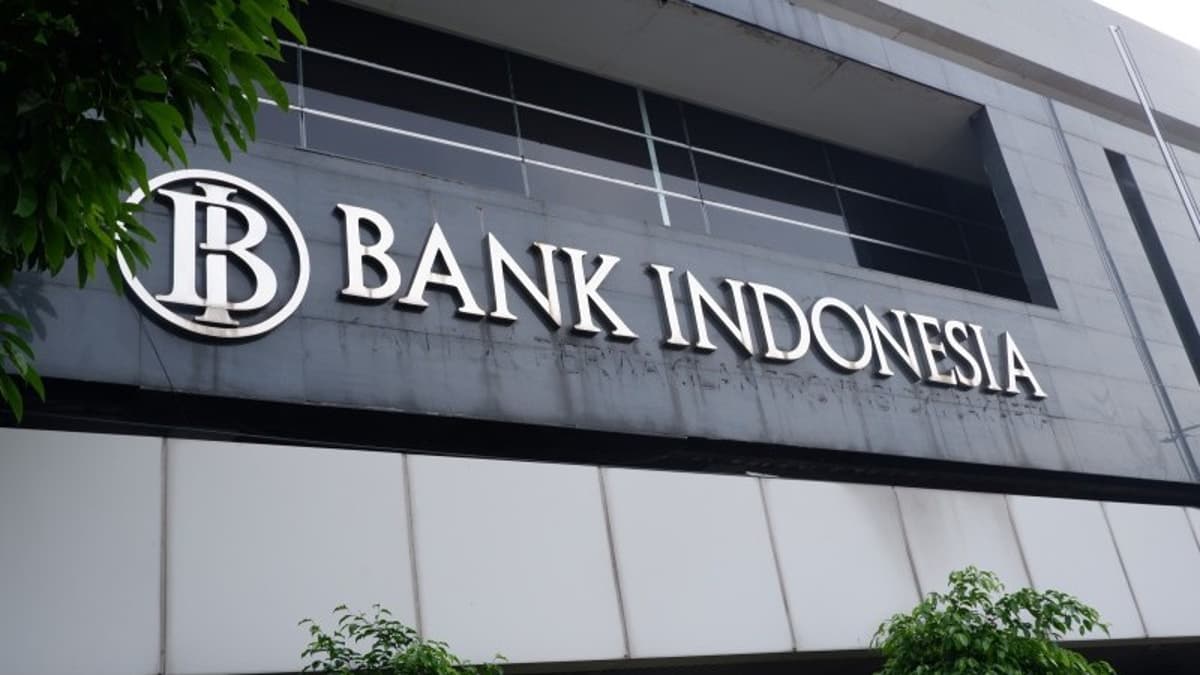
Bank Indonesia Holds Rates, Prioritises Rupiah Stability
Companies Mentioned
Why It Matters
The decision underscores Indonesia’s focus on currency stability over aggressive tightening, shaping investor sentiment and influencing regional monetary dynamics.
Key Takeaways
- •BI left policy rate at 4.75%, matching forecasts.
- •Central bank prioritizes rupiah stability amid undervaluation concerns.
- •Fuel subsidies keep inflation near 3.5%, easing rate‑hike pressure.
- •MSCI review delay adds uncertainty to Indonesian equity inclusion.
- •Oil price spikes could force fiscal strain and further rupiah weakness.
Pulse Analysis
Bank Indonesia’s decision to keep its benchmark policy rate at 4.75% reflects a cautious stance that balances inflation control with growth concerns. After a series of aggressive hikes in 2022 that pushed rates above 6%, the central bank has benefited from a modest decline in consumer‑price inflation, now projected around 3.5% for the coming months. The continuation of fuel subsidies has been instrumental in capping headline inflation, reducing the immediate need for a hawkish tightening cycle. As a result, policymakers signal that monetary support will remain steady, with no rate change expected through at least the third quarter of 2024.
Currency stability has emerged as the dominant theme of the meeting, with BI emphasizing that the rupiah remains undervalued despite recent outflows. The central bank reaffirmed its willingness to intervene in the foreign‑exchange market to prevent excessive depreciation, a stance that aligns with its broader goal of preserving investor confidence. Compounding the pressure, MSCI postponed its review of Indonesia’s market classification, warning that firms with tightly held ownership could be excluded from global indices. This uncertainty adds a layer of risk for foreign portfolio investors and underscores the need for a stable exchange rate environment.
Looking ahead, the biggest downside risk to the rupiah stems from a resurgence in global oil prices. A breach of the $100 per barrel threshold would widen Indonesia’s fiscal deficit, trigger bond outflows and intensify pressure on foreign‑exchange reserves, which are already constrained by a modest current‑account gap and seasonal dividend payments. In this scenario, BI may be forced to deepen its FX interventions or consider a modest rate cut by year‑end to cushion growth. Investors should monitor oil price trends, fiscal developments, and any shift in the central bank’s policy language for clues on future monetary moves.
Bank Indonesia holds rates, prioritises rupiah stability
Comments
Want to join the conversation?
Loading comments...