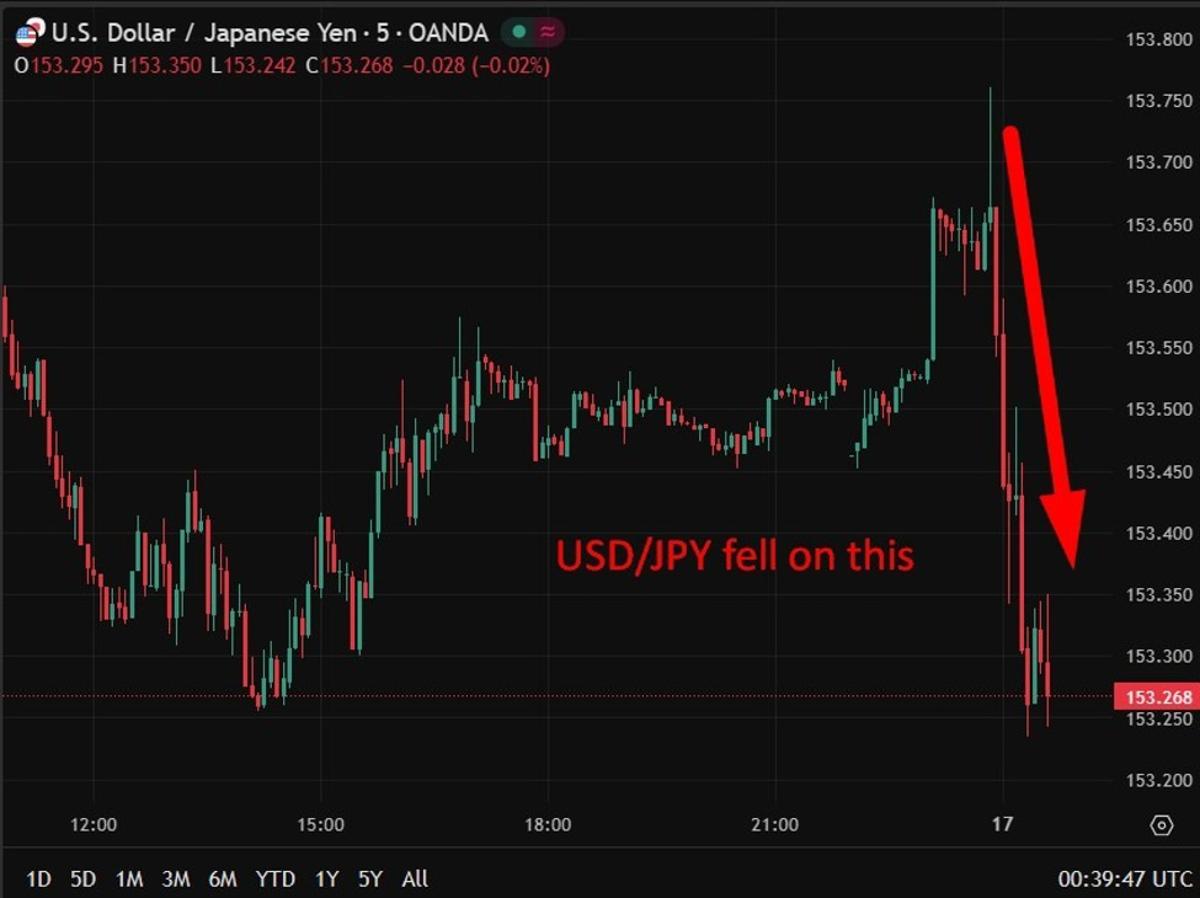
An April rate hike would reinforce the BOJ’s 2% inflation target, support yen stability and shape global interest‑rate expectations. It signals a decisive shift from decades of ultra‑easy policy, affecting investors, borrowers and Japan’s growth outlook.
The Bank of Japan’s policy trajectory has accelerated since the December 2023 decision to lift the short‑term rate to 0.75%, ending a three‑decade era of near‑zero rates. That move was intended to test the resilience of an economy still grappling with modest growth and a fragile inflation outlook. Analysts now view the next step as a measured increase, not a rapid tightening cycle, because the central bank must balance price stability with the risk of choking off a still‑recovering domestic demand base.
Wage dynamics sit at the heart of the BOJ’s next move. Annual wage negotiations, which typically conclude in late March, provide the most reliable gauge of sustained income growth—a key driver of consumer spending and a cornerstone of the 2% inflation target. Coupled with the Tankan business‑sentiment survey and the bank’s revised economic outlook, these data points will give policymakers a clearer picture of whether inflationary pressures are broad‑based or transitory. By postponing the decision to the late‑April meeting, the BOJ can avoid relying on forward‑looking expectations alone, thereby reducing the likelihood of a mis‑step that could destabilize markets.
Market participants are closely watching the political backdrop as well. Prime Minister Sanae Takaichi’s post‑election stance suggests limited interference, allowing the BOJ to act without fearing political backlash. A calibrated hike in April would likely curb yen depreciation pressures, which have been amplified by divergent global monetary policies. Looking ahead, the BOJ’s tentative path toward a 1.25% rate reflects a desire to rebuild policy space while remaining cautious about Japan’s modest growth potential. This balanced approach aims to solidify the exit from deflationary policy without igniting a credit crunch, setting the tone for Japan’s monetary stance in the broader Asia‑Pacific financial landscape.
A former BOJ board member says April is the most likely timing for the next rate hike, as policymakers await wage data and updated forecasts, signaling a cautious but ongoing normalization process.
This comes via Bloomberg (gated)
Former BOJ board member Seiji Adachi says April is the most likely timing for the next rate hike.
March move seen as risky due to limited confirmation on wages and inflation trends.
April meeting will include wage negotiation outcomes, Tankan surveys and updated forecasts.
PM Sanae Takaichi unlikely to block hikes due to market sensitivity, particularly yen risks.
BOJ seen as more proactive, potentially lifting rates toward 1.25% as normalization progresses.
The Bank of Japan is increasingly likely to deliver its next interest rate increase in April rather than March, according to former board member Seiji Adachi, who argues policymakers will prefer firmer confirmation on wages and inflation before acting again.
Speaking to Bloomberg, Adachi said a March hike would rely too heavily on forward-looking expectations rather than verified data. By contrast, the late-April policy meeting will give officials access to a fuller set of indicators, including results from annual wage negotiations, updated business and household sentiment surveys, and the central bank’s revised economic outlook report.
The timing matters. Japan’s large firms are not expected to conclude key wage agreements until late March, meaning the board meeting that ends March 19 would likely precede meaningful clarity on pay trends. Sustained wage growth is a central pillar of the BOJ’s normalization strategy, underpinning confidence that inflation can be maintained around its 2% target without renewed deflation risks.
Adachi’s comments come as current board members have signaled that further tightening is in the pipeline following December’s rate increase, which lifted the policy rate to 0.75%, the highest level in roughly three decades. More hawkish voices within the board have hinted that spring could be an appropriate window for additional action.
Political risks appear manageable for now. Prime Minister Sanae Takaichi, fresh from a decisive election victory, is not expected to obstruct the normalization process. According to Adachi, overt pressure to delay rate hikes could unsettle financial markets and weaken the yen, an outcome policymakers would prefer to avoid. After her first post-election meeting with Governor Kazuo Ueda, no specific policy requests were reported.
Adachi also suggested the BOJ has shifted toward a somewhat more proactive stance since his departure last year. Less emphasis is being placed on the lower bound of estimates for Japan’s neutral rate, implying a desire to rebuild policy space after years of ultra-loose settings.
While he sees scope for rates to rise toward 1.25%, he is less certain about moves beyond that level, given Japan’s modest potential growth rate. Recent data showing subdued annualized GDP growth reinforce the view that tightening will proceed cautiously. For the BOJ, returning rates to around 1.25% would mark a symbolic completion of its exit from crisis-era deflation policies — but the path there remains deliberately measured.
This article was written by Eamonn Sheridan at investinglive.com.
Comments
Want to join the conversation?
Loading comments...