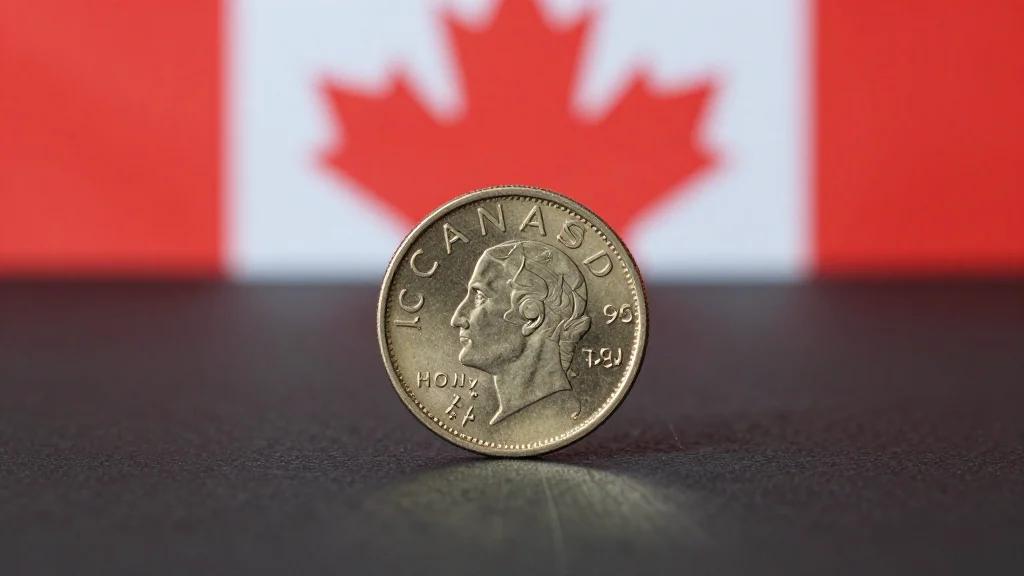
Canadian Dollar Falls 0.2% as Weak Jobs Data Cuts BoC Rate‑Hike Odds

Companies Mentioned
Why It Matters
The loonie’s underperformance signals that Canada’s monetary policy outlook is becoming more dovish, which could dampen foreign investment and affect the country’s trade balance. A weaker Canadian dollar also raises import costs, potentially feeding inflationary pressures at a time when the Bank of Canada is already cautious about tightening. Moreover, the decoupling of the Canadian dollar from oil prices challenges long‑standing assumptions about commodity‑linked currencies. Investors and policymakers must now factor in broader geopolitical and ESG dynamics when assessing the currency’s future trajectory, making the Canadian market a bellwether for how commodity economies adapt to a shifting global risk environment.
Key Takeaways
- •Canadian dollar fell 0.2% to 1.3690 per USD, the only G10 currency in the red on May 8.
- •April jobs data showed a loss of 17,700 jobs and unemployment rose to 6.9%, higher than the forecasted gain of 15,000 jobs.
- •Market pricing for BoC tightening by December dropped to 38 basis points from 44 basis points.
- •Oil rose 0.9% to $95.64 a barrel amid Strait of Hormuz tensions, but the loonie’s link to oil has weakened since 2014.
- •Analysts expect the loonie to stay muted unless the U.S. dollar weakens further or the Strait of Hormuz reopens.
Pulse Analysis
The recent slide in the Canadian dollar underscores a pivotal shift in how commodity‑linked currencies are priced. Historically, a surge in oil prices would have propelled the loonie higher, but the market now treats the Canada‑oil relationship as a secondary factor, largely because domestic investment in the sector has lagged behind price gains. This structural change means that Canadian monetary policy, rather than commodity flows, will dominate the currency’s direction.
From a strategic standpoint, the Bank of Canada faces a tighterrope. On one side, the weaker labour market reduces the urgency for aggressive rate hikes, aligning with the market’s trimmed expectations. On the other, persistent inflation and a potentially volatile oil market could force a more hawkish stance later in the year. The central bank’s communication will be critical; any hint of a renewed tightening bias could quickly reverse the loonie’s recent decline.
Finally, the broader FX landscape is being reshaped by a waning U.S. dollar safe‑haven premium. As investors grow skeptical of the greenback’s defensive appeal, currencies like the euro and yen may regain ground, but the loonie’s performance will hinge on its own domestic narrative. In the short term, the loonie is likely to remain a laggard unless a decisive policy move from the BoC or a clear resolution to Middle‑East tensions lifts oil sentiment. For traders, the focus should be on the interplay between U.S. inflation data, BoC policy cues, and any geopolitical developments that could reignite the oil‑currency link.
Canadian Dollar Falls 0.2% as Weak Jobs Data Cuts BoC Rate‑Hike Odds
Comments
Want to join the conversation?
Loading comments...