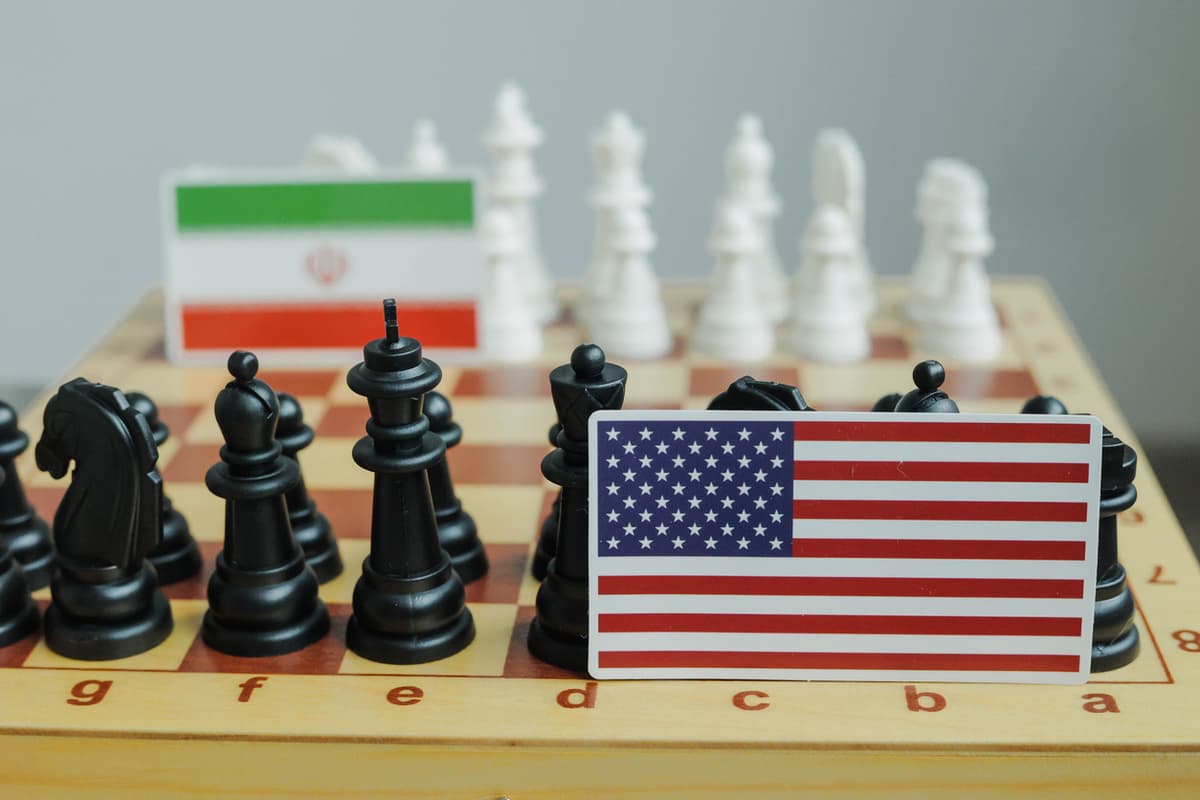
Dollar Eases as US–Iran Talk Hopes Rise, Markets on Guard for Weekend Risk

Why It Matters
A potential de‑escalation between the United States and Iran could lower geopolitical risk premiums, supporting the dollar and oil markets, while reshaping investor sentiment ahead of a volatile weekend.
Key Takeaways
- •Iranian foreign minister scheduled to visit Islamabad, signaling diplomatic reopening
- •Dollar retreats modestly as markets price potential US‑Iran de‑escalation
- •Brent crude drops to $105, reflecting reduced geopolitical risk premium
- •Pakistan’s mediation crucial in advancing back‑channel talks
- •Markets stay jittery ahead of weekend, risk of sharp gaps
Pulse Analysis
The prospect of Iranian Foreign Minister Abbas Araqchi arriving in Islamabad marks a subtle but meaningful shift in the stalled U.S.-Iran dialogue. Islamabad’s role as a neutral conduit has grown, with Prime Minister Shehbaz Sharif’s team quietly aligning the two sides around a revised framework that moves beyond the earlier 10‑point stalemate. Washington’s continued logistical presence underscores that the United States has not fully disengaged, keeping diplomatic channels open and signaling to markets that a negotiated cease‑fire remains plausible.
In foreign‑exchange markets, the news prompted a modest pullback in the greenback as investors priced a lower‑risk outlook. The Canadian dollar led gains, buoyed by oil‑linked risk appetite, while the euro and yen remained under pressure due to lingering economic headwinds and intervention concerns. Brent crude’s retreat to $105 per barrel reflects a shrinking geopolitical risk premium, easing the earlier surge that had pushed prices above $108. The price correction also eases inflation worries for energy‑intensive economies, though supply‑chain vulnerabilities in the Strait of Hormuz keep a floor on oil valuations.
Equity and bond markets are treading carefully ahead of the weekend. European indices showed mixed moves, with the DAX edging up and the FTSE slipping, while Asian benchmarks posted modest gains. Yield curves in the U.K. and Germany nudged lower, hinting at a brief reprieve in rate‑sensitive sectors. Traders are positioning for a potential gap‑up or gap‑down at the next open, emphasizing tight risk management and diversified hedges. The evolving diplomatic narrative will likely remain a key driver of volatility, making it essential for investors to monitor both political developments and the accompanying market signals.
Dollar Eases as US–Iran Talk Hopes Rise, Markets on Guard for Weekend Risk
Comments
Want to join the conversation?
Loading comments...