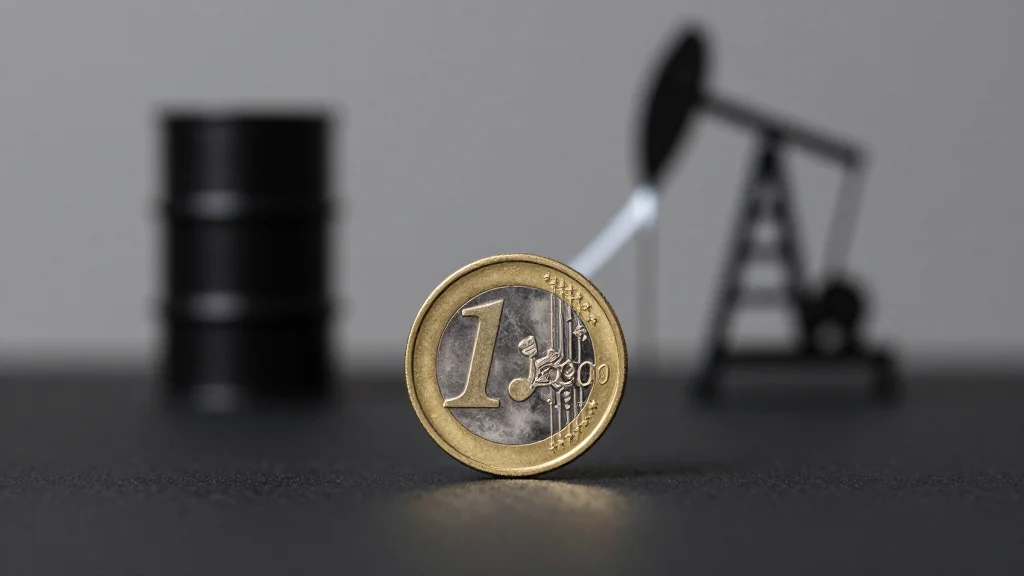
Euro Gains on Lebanon Ceasefire as Market Sentiment Improves

Why It Matters
The euro’s rally illustrates the sensitivity of major currencies to geopolitical events, especially in regions that directly affect European energy imports and trade routes. A stable ceasefire reduces the risk premium on euro‑denominated assets, potentially lowering borrowing costs for eurozone governments and businesses. Conversely, the weak retail sales data signals underlying consumer fragility, which could pressure the European Central Bank to maintain a cautious monetary stance, affecting interest rates and capital flows. For investors, the episode underscores the need to balance geopolitical risk assessments with domestic economic indicators when positioning in foreign‑exchange markets. A sustained improvement in Middle East stability could bolster the euro, while a resurgence of conflict or further retail weakness could reverse the gains, influencing portfolio allocations across currencies, equities, and bonds.
Key Takeaways
- •Euro strengthens after Israel‑Lebanon ceasefire announcement, despite weak retail sales.
- •Eurozone retail sales fell 0.4% in April, missing expectations of a 0.3% decline.
- •Lower oil prices and U.S. President Trump's optimism on Iran talks boost risk appetite.
- •Analysts warn retail weakness could limit euro gains if consumer spending stays subdued.
- •Market will watch ceasefire durability, upcoming ECB policy meeting, and inflation data.
Pulse Analysis
The euro’s recent uptick is a textbook case of geopolitical risk overruling domestic fundamentals in the short term. Historically, the currency has reacted sharply to Middle East tensions because of the eurozone’s reliance on imported energy. The ceasefire removes a key source of uncertainty, allowing investors to re‑price the euro with a lower risk premium. This mirrors past episodes, such as the 2022 de‑escalation in the Red Sea, where the euro rallied on similar grounds.
However, the euro’s resilience is not guaranteed. The Eurostat retail sales figures reveal a consumer base still grappling with high inflation and stagnant wages. If the retail sector continues to contract, the European Central Bank may feel compelled to keep rates higher for longer, which could dampen the euro’s appeal. Moreover, the market’s optimism is contingent on the ceasefire holding; any resurgence of hostilities would likely reverse the currency’s gains swiftly.
Looking forward, the euro’s trajectory will hinge on three variables: the longevity of the ceasefire, the outcome of U.S.–Iran diplomatic talks, and the ECB’s policy response to mixed economic data. Investors should adopt a nuanced stance, weighing the short‑term risk‑on boost against the medium‑term structural challenges facing the eurozone economy.
Euro Gains on Lebanon Ceasefire as Market Sentiment Improves
Comments
Want to join the conversation?
Loading comments...