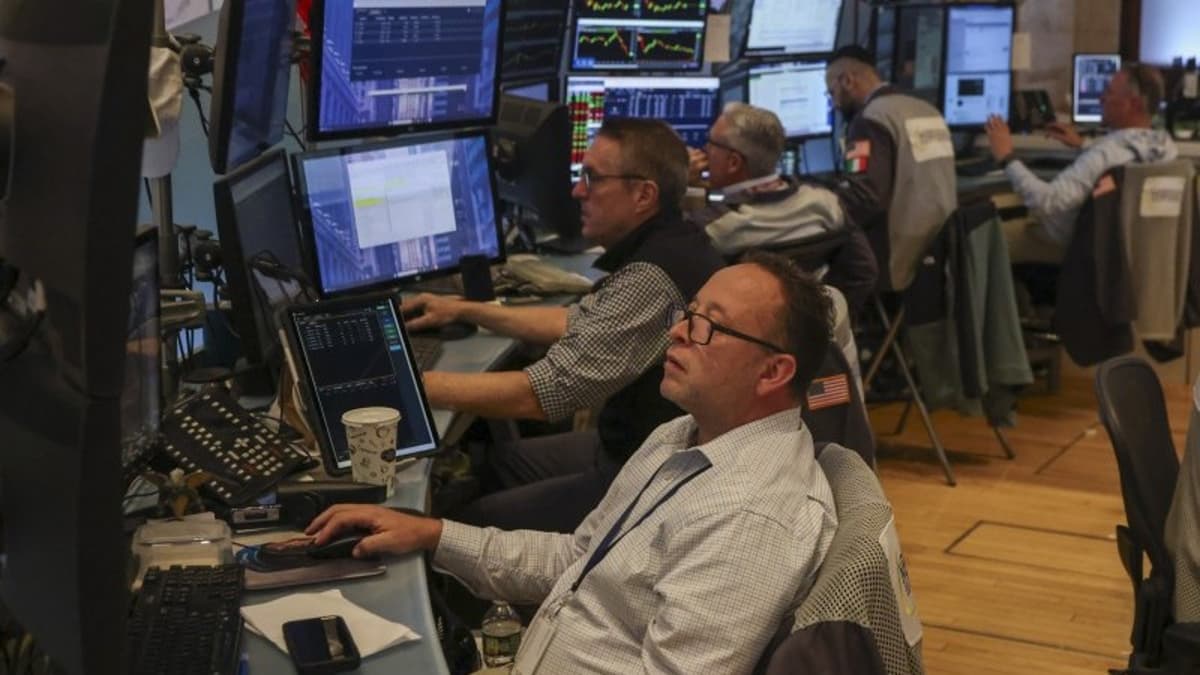
FX Daily: Back on the Rollercoaster
Why It Matters
The shift underscores how flashpoints in the Gulf and political uncertainty in Europe can outweigh traditional macro data, reshaping currency positioning ahead of the May U.S.–China summit. Traders must weigh binary risk scenarios that could trigger rapid moves in the dollar, euro and pound.
Key Takeaways
- •US strikes in Hormuz lift USD as deal optimism fades.
- •Euro holds near 1.18 despite Trump tariff warning.
- •UK Labour losses pressure pound ahead of council elections.
- •Czech and Polish banks keep rates steady, signal divergent outlooks.
- •Geopolitical risk now outweighs US payroll data for dollar.
Pulse Analysis
The latest flare‑up in the Strait of Hormuz has reignited concerns about a broader U.S.–Iran confrontation, prompting the dollar to regain ground after a brief period of optimism for a diplomatic breakthrough. Market participants are now pricing a binary outcome: either a swift de‑escalation that could see the dollar retreat, or a prolonged standoff that would keep safe‑haven demand high. The renewed "Project Freedom" escort programme and Iran’s missile response add a layer of uncertainty that outweighs even the forthcoming U.S. jobs numbers, shifting focus toward geopolitical risk premiums in equity and commodity markets.
Meanwhile, the euro’s relative stability reflects a nuanced market view that separates short‑term political threats from longer‑term trade dynamics. President Trump’s July 4 ultimatum to the EU to ratify a trade deal, backed by the spectre of tariffs, has not yet translated into immediate currency weakness, as investors await concrete policy moves. The euro’s resilience is also supported by its lower exposure to oil‑linked economies compared with commodity‑heavy currencies, allowing it to hold near the 1.18 USD level. Should a Gulf peace deal materialise, the euro could rally further, but any setback in negotiations would likely push EUR/USD back below 1.17.
In Central Europe, the Czech National Bank and the National Bank of Poland have both paused rate adjustments, yet their forward guidance diverges sharply. The Czech governor’s dovish tone suggests a wait‑and‑see approach, implying limited upside for the koruna, while Poland’s central bank warns of inflationary pressures from subsidy phase‑outs, hinting at a possible tightening bias. This split adds another layer of complexity for FX traders, who must balance regional monetary stances against a backdrop of global risk aversion. Coupled with the United Kingdom’s domestic political turbulence—Labour’s council‑election setbacks weighing on the pound—the overall FX landscape remains highly sensitive to both geopolitical events and nuanced central‑bank signals.
FX Daily: Back on the rollercoaster
Comments
Want to join the conversation?
Loading comments...