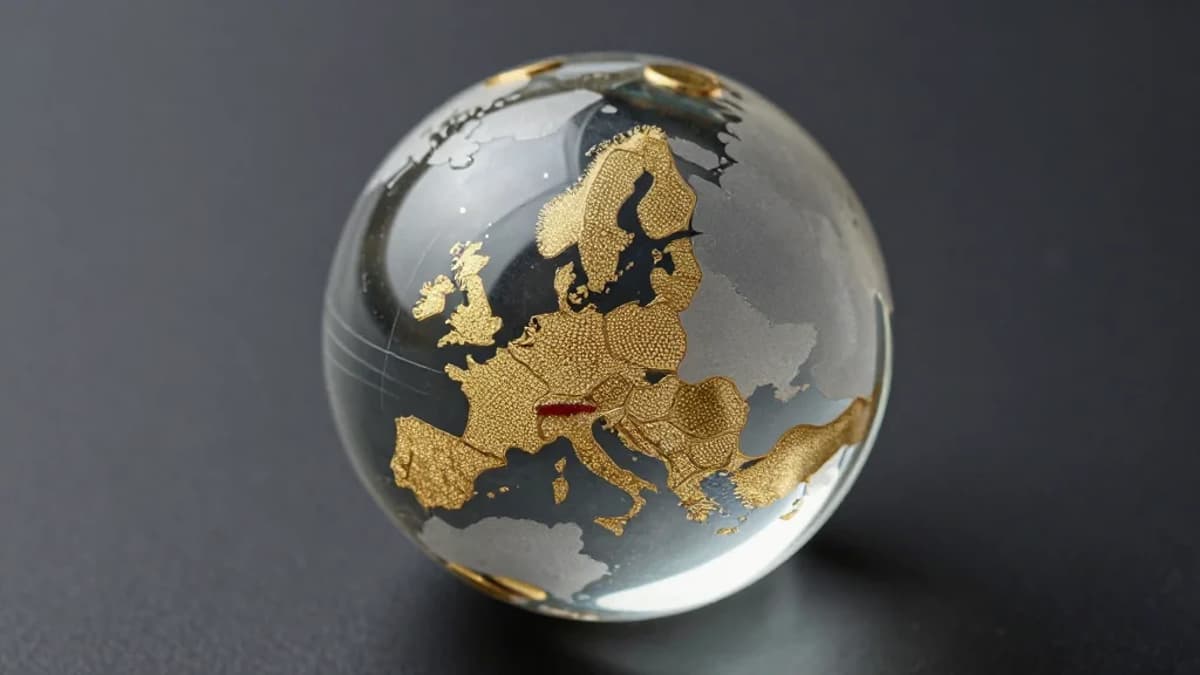
Isabel Schnabel: Made in Europe
•February 18, 2026
0
Why It Matters
Unlocking Single Market scale could restore Europe’s competitive edge, influencing policy, investment, and global trade dynamics.
Key Takeaways
- •Europe boasts high quality of life and robust institutions
- •Single Market offers unmatched scale for firms
- •Technological acceleration demands coordinated EU response
- •Geopolitical shifts pressure EU regulatory agility
- •Unlocking market scale can boost global competitiveness
Pulse Analysis
Isabel Schnabel’s recent speech arrives at a crossroads where technology and geopolitics are reshaping global economics. While many analysts paint Europe as lagging behind, Schnabel reminds policymakers that the region still enjoys some of the world’s strongest social safety nets and institutional stability. These attributes, she argues, provide a resilient platform from which the EU can launch a coordinated response to digital disruption, supply‑chain realignments, and emerging security challenges.
The crux of Schnabel’s message is the untapped power of the European Single Market. By harmonizing regulations, reducing cross‑border frictions, and fostering a truly continent‑wide customer base, the EU can achieve economies of scale that rival the United States and China. This scale is not merely a statistical advantage; it translates into lower costs for businesses, greater bargaining power with global partners, and a more attractive environment for foreign direct investment. Policymakers are thus urged to prioritize market integration over fragmented national initiatives.
For investors and corporate strategists, Schnabel’s call to action signals a shift in where growth opportunities may emerge. Companies that position themselves to benefit from a more integrated European market—through cross‑border mergers, digital platforms, or supply‑chain optimization—stand to capture significant upside. Simultaneously, regulators must balance the need for agility with the EU’s tradition of robust consumer and data protections, ensuring that scale does not come at the expense of the values that underpin Europe’s competitive advantage.
Isabel Schnabel: Made in Europe
0
Comments
Want to join the conversation?
Loading comments...