Japan Govmt Nominates New BOJ Board Members as Rate-Hike Path Comes Into Focus
•February 25, 2026
0
Why It Matters
Board composition directly shapes Japan’s rate trajectory, influencing inflation dynamics, the yen’s value, and broader market stability.
Key Takeaways
- •Asada, Sato nominated to BOJ policy board
- •Nominations require parliamentary approval
- •Board shift may support gradual rate hikes
- •Reflationist voice Asahi Noguchi retiring in March
- •Upcoming vacancies give Takaichi influence over future policy
Pulse Analysis
The Bank of Japan’s policy board functions as the engine behind monetary decisions, and its members’ leanings can tip the balance between aggressive tightening and cautious moderation. By appointing an academic economist and a legal scholar, the Takaichi administration signals a preference for technocratic expertise over overt political signaling. This move aligns with the BOJ’s recent pivot from negative rates and massive bond purchases toward a modest rate hike cycle, aimed at anchoring inflation near the 2% target while avoiding market disruption.
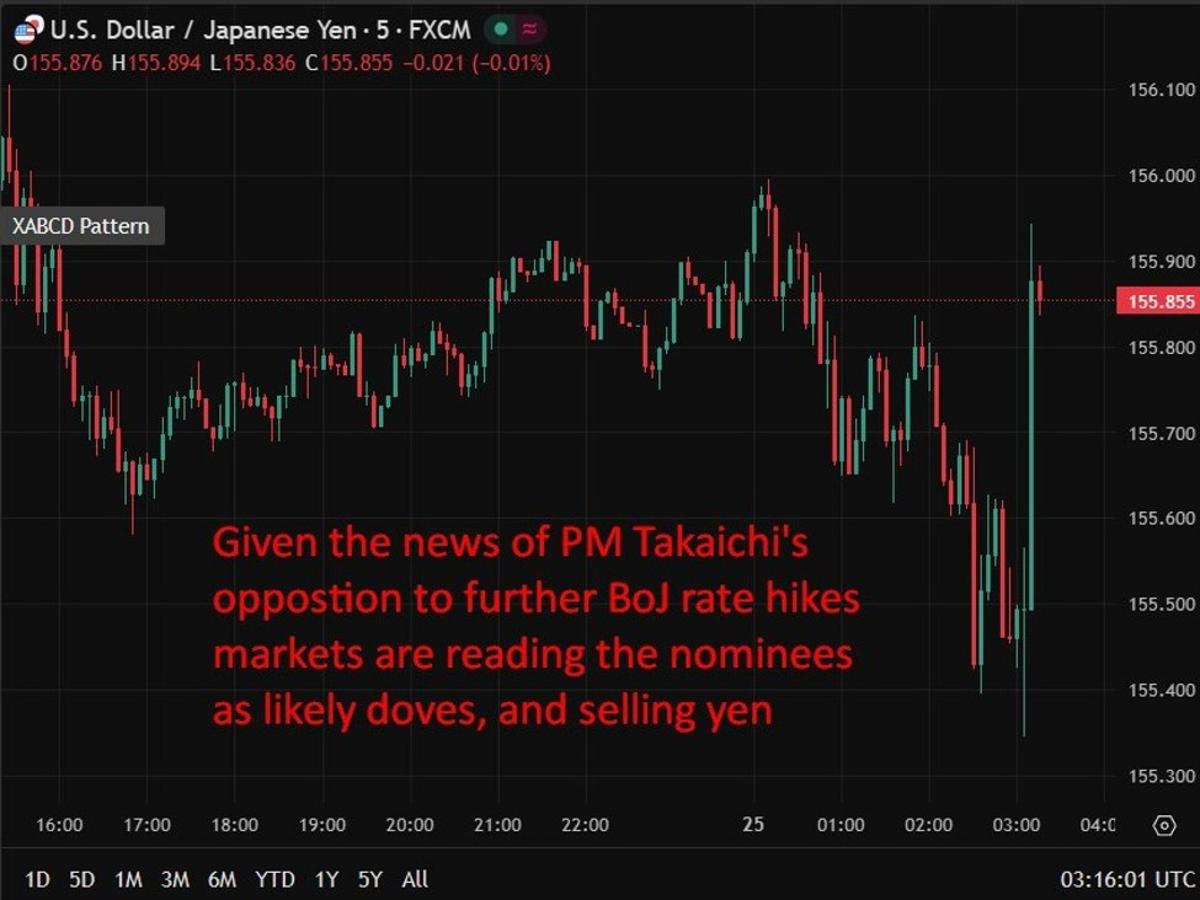
Market participants have been closely watching the yen’s volatility, which often reacts to perceived shifts in policy stance. The departure of Asahi Noguchi, previously the board’s most dovish voice, reduces the likelihood of a sudden policy reversal. Meanwhile, the new nominees’ policy positions remain opaque, but their academic backgrounds suggest they may favor data‑driven decisions rather than ideological pushes. This subtle recalibration helps the government maintain credibility with foreign investors and mitigates the risk of speculative attacks on the currency.
Looking ahead, the timing of these nominations is strategic. With additional board seats slated to open next year, Prime Minister Takaichi can further shape the BOJ’s direction, potentially influencing the selection of Governor Kazuo Ueda’s successors in 2028. The evolving board composition will therefore be a key barometer for the pace of future rate hikes, impacting everything from corporate borrowing costs in Japan to global bond market yields. Stakeholders should monitor upcoming parliamentary hearings for clues about the nominees’ policy inclinations, as these will provide early signals of Japan’s monetary trajectory.
Japan govmt nominates new BOJ board members as rate-hike path comes into focus
0
Comments
Want to join the conversation?
Loading comments...