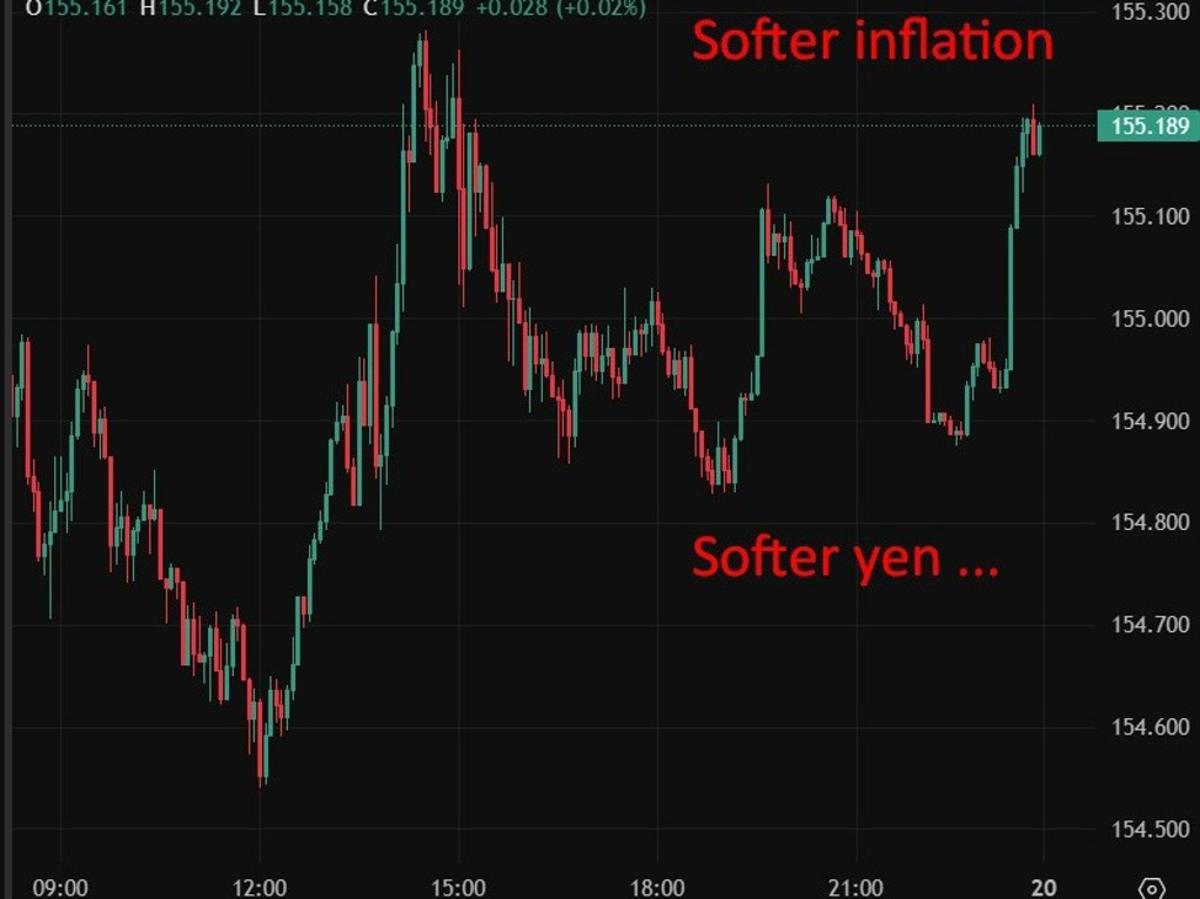
Japan Inflation Slows to 1.5% in January, Core Measures Ease. What Will the BoJ Think?
Why It Matters
The dip reduces immediate pressure on the Bank of Japan to tighten policy, but the upgraded medium‑term outlook signals that inflation may remain near target, influencing monetary strategy and market expectations.
Key Takeaways
- •Headline CPI fell to 1.5% YoY, lowest since March 2022.
- •Core CPI eased to 2.0% YoY, matching forecasts.
- •Inflation above 2% target ended after 45 months.
- •BoJ raised FY2026 inflation outlook despite near‑term dip.
- •Government food‑tax suspension may further suppress inflation.
Pulse Analysis
Japan’s price dynamics have been a focal point for investors since the nation broke its long‑standing deflationary mindset. The January CPI reading of 1.5% year‑over‑year not only undercut the 1.6% consensus but also marked the first sub‑2% reading since March 2022, snapping a 45‑month streak of inflation above the Bank of Japan’s 2% goal. The modest 0.1% monthly decline underscores a broader cooling of demand, particularly in fresh food and energy categories, and signals that the temporary supply‑side shocks that lifted prices in 2023 are fading.
Even as headline pressures ease, the BoJ’s latest outlook paints a more nuanced picture. In its FY2026 forecast the central bank nudged core CPI expectations up to 1.9% and core‑core inflation to 2.2%, suggesting confidence that underlying price drivers—wage growth and domestic consumption—will stabilize near the target range. This dual signal complicates the policy calculus: while a near‑term rate hike appears less urgent, the bank must remain vigilant against a premature retreat that could jeopardize its inflation‑anchoring credibility. Market participants are therefore watching the BoJ’s forward guidance for clues on timing and scale of any future adjustments.
Political developments add another layer of uncertainty. Prime Minister Sanae Takaichi’s landslide victory includes a pledge to suspend the 8% food tax for two years, a move that could further dampen consumer price growth by reducing household cost pressures. Investors are weighing this fiscal relief against the risk of a slower wage‑price spiral, which the BoJ monitors closely. As Japan navigates the transition from high‑inflation volatility to a more stable price environment, the interplay between monetary policy, fiscal measures, and global commodity trends will shape the trajectory of the yen and equity markets.
Japan inflation slows to 1.5% in January, core measures ease. What will the BoJ think?


Comments
Want to join the conversation?
Loading comments...