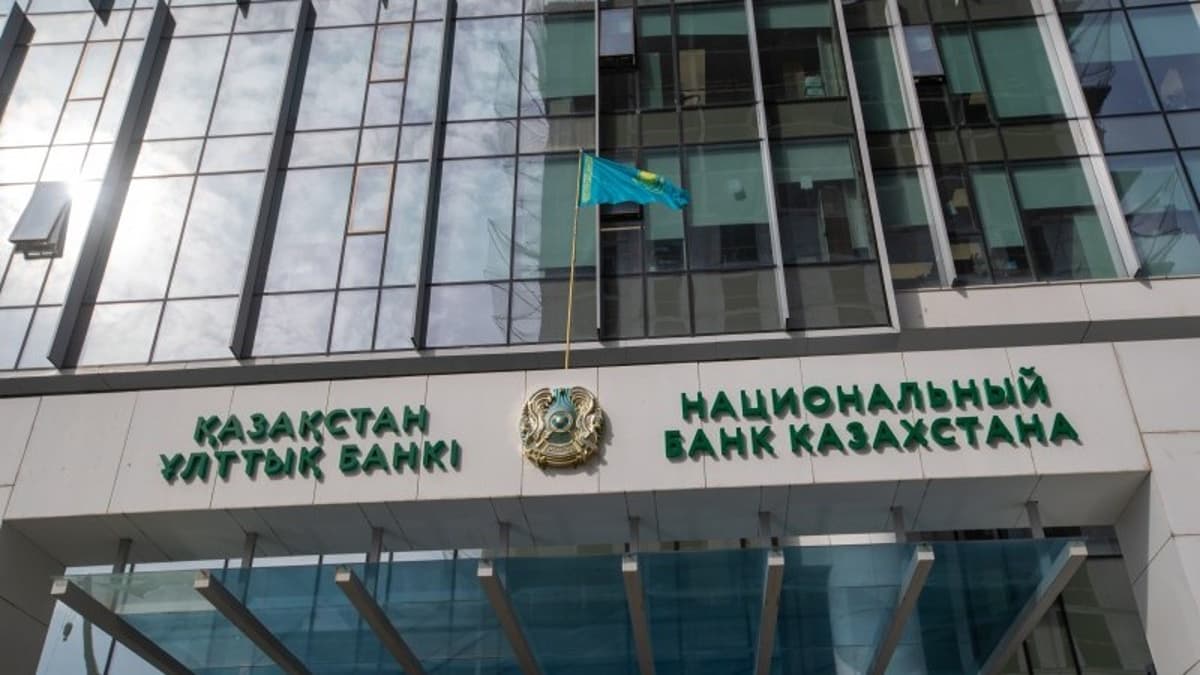
Kazakhstan Holds Rates, Indicates Room for Cuts
Companies Mentioned
Why It Matters
The guidance signals that monetary easing in Kazakhstan remains contingent on fiscal discipline and external stability, shaping investor expectations for the region’s sovereign debt and currency markets. A delayed cut could prolong high financing costs for businesses reliant on local credit.
Key Takeaways
- •NBK kept base rate at 18.00% unchanged.
- •Forward guidance now hints at possible cuts later 2026.
- •CPI slowed to 11.0% YoY in March despite VAT hike.
- •Household inflation expectations rose to 14.6% YoY.
- •Oil output fell 20% YoY, dragging 1Q GDP growth.
Pulse Analysis
Kazakhstan’s central bank has maintained a firm stance on monetary policy, keeping the base rate at 18.00% as inflationary pressures ease modestly. The latest data show consumer price growth decelerating to 11.0% year‑on‑year, a notable slowdown given the recent value‑added tax increase. However, the tenge’s 7% gain against the U.S. dollar, driven by higher oil prices, has been a key driver of this disinflation, underscoring the currency’s outsized influence on domestic price dynamics.
The shift in forward guidance marks a subtle but important pivot. While the March statement warned that easing space had not yet materialized, the April release now signals a willingness to consider rate cuts later in the year, provided inflation risks stay contained. Yet the bank remains vigilant: household inflation expectations have risen to 14.6%, and the oil sector’s 20% output decline has dampened GDP growth to 3.0% in the first quarter. Fiscal and quasi‑fiscal stimulus, along with potential external shocks from Middle‑East tensions, are flagged as lingering headwinds that could delay any easing.
For investors, the conditional tone suggests that Kazakhstan’s sovereign yields may stay elevated until clear evidence of sustained price stability emerges. A first cut projected for the third quarter would likely ease financing costs for corporates and could support the tenge’s modest appreciation trend. Nonetheless, market participants should monitor fiscal reforms, utility price adjustments, and global commodity price swings, as these factors will determine whether the central bank can safely transition from a high‑rate environment to a more accommodative stance.
Kazakhstan holds rates, indicates room for cuts
Comments
Want to join the conversation?
Loading comments...