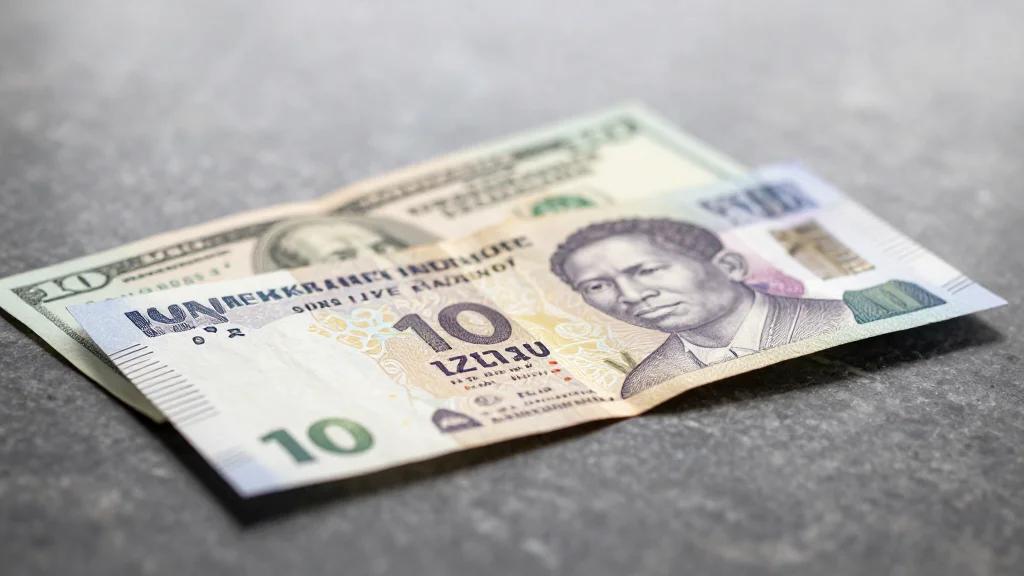
Nigerian Naira Holds at N1,344 per Dollar as FX Inflows Boost Stability

Why It Matters
A stable naira reduces transaction costs for import‑dependent firms and eases the burden on Nigerians who need dollars for education and travel, thereby supporting domestic consumption. For foreign investors, a predictable exchange rate diminishes currency risk, making Nigeria a more attractive destination for portfolio allocation in the region. Moreover, the CBN’s success in clearing the FX backlog could serve as a template for other emerging markets facing similar foreign exchange bottlenecks. The episode also highlights the delicate balance central banks must strike between providing liquidity and preventing excessive dollar demand from eroding local currency value. Continued stability could reinforce confidence in Nigeria’s broader economic reforms, while a reversal would remind markets of the fragility inherent in economies heavily reliant on commodity exports.
Key Takeaways
- •Naira traded at approximately N1,344.20 per US dollar on April 16, 2026.
- •Early session high reached N1,343.83 before settling near the N1,344 mark.
- •Improved foreign currency inflows and CBN backlog‑clearing efforts cited as drivers.
- •Demand for dollars for education, travel and seasonal imports remains a risk factor.
- •Stability benefits importers, students abroad, and foreign investors tracking emerging‑market liquidity.
Pulse Analysis
The naira’s brief rally illustrates how targeted liquidity injections can quickly translate into market confidence, especially in a currency environment that has been prone to sharp swings. Historically, Nigeria’s FX market has suffered from chronic shortages, prompting a parallel market that often diverged dramatically from official rates. The CBN’s recent focus on clearing the backlog signals a shift toward greater transparency and alignment with market fundamentals.
From a comparative perspective, neighboring economies such as Ghana and Kenya have struggled to achieve similar stability, largely due to less decisive policy actions and higher exposure to external debt. Nigeria’s ability to steady its currency could therefore give it a competitive edge in attracting foreign direct investment, particularly in sectors like fintech and agribusiness that are sensitive to exchange‑rate volatility.
Looking forward, the sustainability of this stability will depend on two variables: the persistence of foreign currency inflows and the trajectory of oil revenues, which remain the backbone of Nigeria’s foreign exchange earnings. If oil prices hold steady and the CBN continues to manage the backlog efficiently, the naira could consolidate its gains and provide a more predictable environment for both domestic and international stakeholders. Conversely, any shock to oil markets or a surge in dollar‑denominated demand could quickly reverse the modest appreciation, underscoring the need for ongoing policy vigilance.
Nigerian Naira Holds at N1,344 per Dollar as FX Inflows Boost Stability
Comments
Want to join the conversation?
Loading comments...