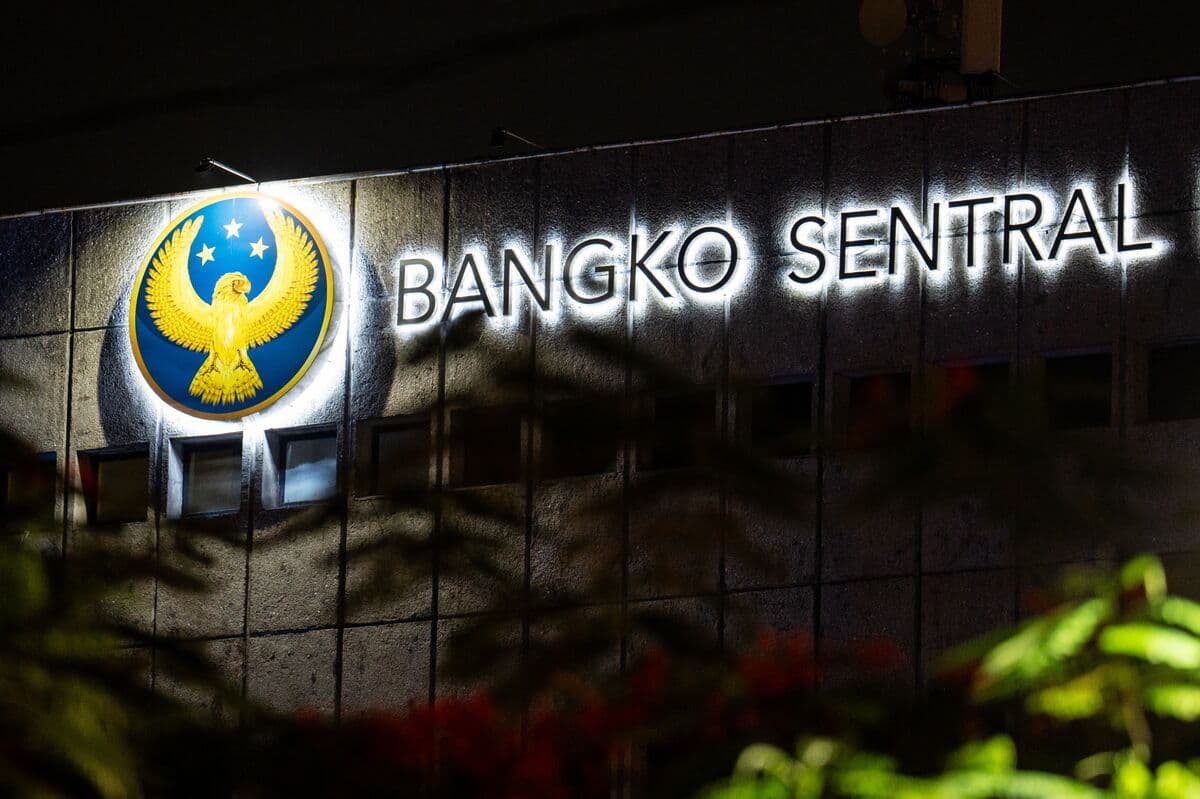
Philippine Central Bank Says Inflation May Surge Further in May
Why It Matters
Higher inflation erodes household purchasing power and may force the central bank to tighten rates, influencing capital flows and regional growth prospects. The outlook signals potential volatility for investors tracking emerging‑market currencies and debt.
Key Takeaways
- •May inflation projected 7.1%‑7.9%, above April’s 7.2%
- •Food prices identified as primary inflation driver
- •Weakening peso amplifies import‑linked price pressures
- •Central bank may consider rate hikes to curb inflation
- •Elevated inflation risks slowing Philippine economic growth
Pulse Analysis
The Philippines has grappled with double‑digit inflation for much of the past decade, but recent policy easing brought headline rates down to 7.2% in April. Yet, the latest Bangko Sentral ng Pilipinas (BSP) projection of 7.1%‑7.9% for May signals that the downward trend may be stalling. Food items, which account for roughly a third of the consumer basket, are surging due to supply chain bottlenecks, higher fertilizer costs, and adverse weather patterns that have trimmed harvests. These dynamics are compounded by a depreciating peso, which makes imported staples and fuel more expensive, feeding through to broader price levels.
For policymakers, the BSP faces a delicate balancing act. While the central bank has kept its benchmark rate at 6.5% to support growth, the inflation outlook now exceeds its medium‑term target range of 2%‑4%. A further rate increase could help anchor expectations but risks dampening credit expansion and slowing the country’s 5%‑plus GDP growth trajectory. Analysts are watching the BSP’s next policy meeting closely, as any shift could reverberate across the ASEAN region, where investors are already sensitive to shifts in emerging‑market monetary stances.
Investors should also note the broader macro implications. A weaker peso not only fuels domestic price pressures but also raises the cost of servicing foreign‑denominated debt, a concern for both the government and corporate borrowers. Consequently, higher inflation may pressure the Philippine peso against the dollar, adding volatility to currency markets. Stakeholders—from multinational firms to local SMEs—must factor in the likelihood of tighter monetary conditions and the attendant impact on consumer demand, input costs, and overall profitability.
Philippine Central Bank Says Inflation May Surge Further in May
Comments
Want to join the conversation?
Loading comments...